2027 Highest Paying Careers With a Special Education Bachelor's Degree
Audited and Verified:
Our Editorial and Data Verification Process
Research.com uses government datasets, official education statistics and primary institutional information to support its career and degree guides. Our review process checks factual accuracy, occupational definitions, source dates and the requirements associated with the credentials discussed.
How This Article Was Fact-Checked
Our editorial team verifies salary estimates, employment projections, education requirements and program information against original data providers and official organizations. Salary figures are checked against the relevant occupational definitions and reporting periods. Information about licensure, accreditation and required in-person training is reviewed separately.
Fact-checked and verified on:

Co-Founder and Chief Data Scientist
Graduates with a Special Education bachelor's degree increasingly seek roles that balance passion with financial security. In a field focused on inclusive teaching, behavioral support, and individualized learning strategies, choosing a career with strong earning potential can significantly impact long-term stability. With approximately 70% of Special Education teachers employed in public schools, salary variations across districts highlight the importance of informed career decisions.
Understanding the income range tied to roles like educational consultants, behavior analysts, and curriculum coordinators empowers candidates to align their skills with market demands. This article explores the highest paying career paths available and explains why salary awareness is crucial for effective educational and professional planning.
Key Benefits of the Highest Paying Careers With a Special Education Bachelor's Degree
- Careers with a special education bachelor's degree offer strong earning potential, with median salaries often exceeding $60,000 annually, reflecting growing demand for specialized skills.
- Graduates can access leadership roles and career advancement opportunities in schools, nonprofits, and government agencies through experience and additional certifications.
- These careers support long-term financial stability due to steady employment growth projected at 7% through 2031, promoting sustained professional development and job security.
How Much Do Special Education Bachelor's Degree Jobs Pay on Average?
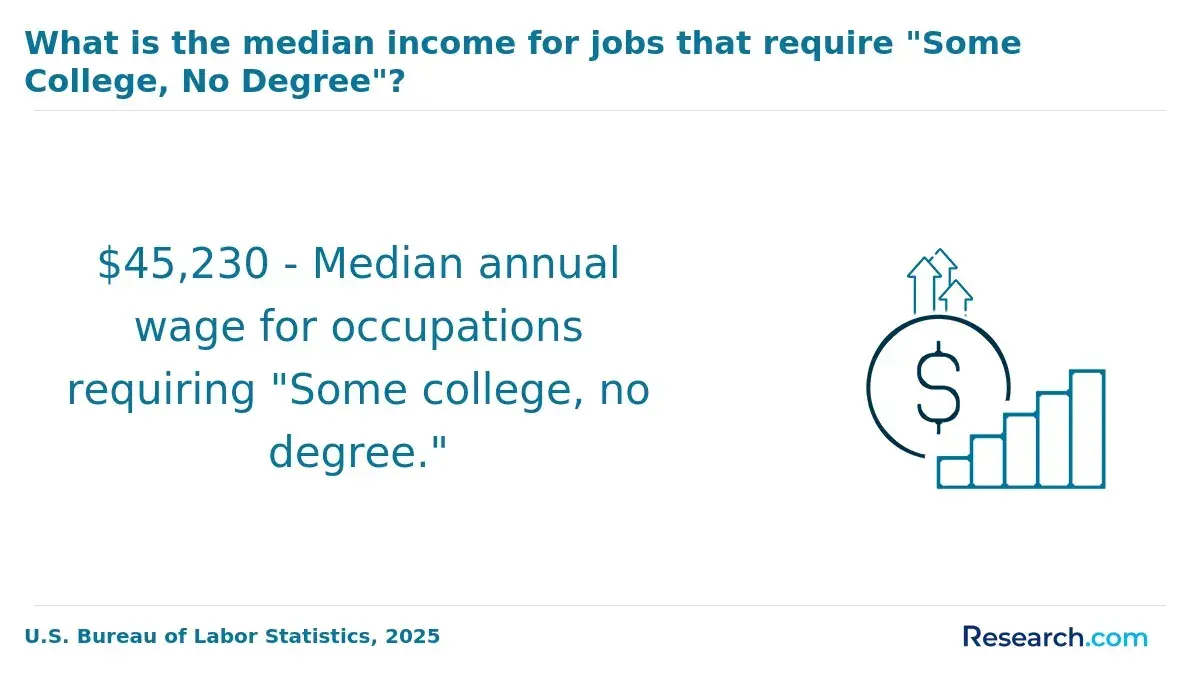
Jobs requiring a special education bachelor's degree generally offer average salaries ranging from about $45,000 to $65,000 annually. For instance, the U.S. Bureau of Labor Statistics reports the median wage for special education teachers at the elementary and secondary levels to be approximately $62,000, providing a helpful benchmark for those seeking to understand the average pay for special education bachelor degree jobs. These figures reflect a typical earning potential for individuals holding this credential in the education field.
Several factors influence how an individual's salary may vary within this range. Experience plays a major role, as entry-level educators tend to earn less, while those with more years in the field often secure higher wages. Location also matters, with metropolitan areas and states investing more in education generally offering better pay. Industry and employer types, such as public versus private institutions, further affect salaries. Students exploring career options might also consider what degree can I get online in 6 months as part of their educational planning to expand opportunities.
What Are the Highest-Paying Jobs With a Special Education Bachelor's Degree?
Graduates with a special education bachelor's degree have access to several high-paying roles depending on their industry and experience. Numerous career options offer competitive salaries by leveraging skills in supporting individuals with diverse learning needs, making specialized knowledge valuable across various settings.
- Special Education Teacher: These educators, especially at the secondary school level, design individualized learning plans and support students with disabilities throughout their academic journey. They typically earn between $60,000 and $65,000 annually, reflecting the demand for their expertise in academic environments.
- Behavioral Therapist or Specialist: Working with children and young adults, these specialists implement strategies to enhance social and emotional skills without requiring clinical licensing. Their earnings usually range from $55,000 to $62,000, making it a high-paying option for bachelor's degree holders.
- Transition Specialist: Focused on assisting students with disabilities as they move from school to adult life, these professionals combine educational and vocational planning skills. The average salary is around $57,000, highlighting the importance of their role in improving long-term outcomes.
- Educational Consultant: Specializing in special education, consultants advise schools and families on program development and advocacy. Their salaries range from $60,000 to $70,000, reflecting the high value of their expertise in shaping effective educational environments.
Social Services Roles: Graduates may also work in social services, collaborating with schools and families to support children's well-being. Salaries in these positions range from $50,000 to $60,000, varying by agency and region.
Those interested in accelerating their career path can explore accelerated programs designed for special education bachelor's degree candidates seeking the highest paying jobs with a special education bachelor's degree in the United States. These opportunities showcase top career options and salary ranges for graduates with a special education bachelor's degree, emphasizing the degree's strong financial viability.
What Are the Highest-Paying Entry-Level Jobs With a Special Education Degree?
Graduates with a bachelor's degree in special education often find several entry-level roles that offer competitive salaries while allowing them to make a meaningful impact. These positions typically involve direct support and instruction for students with diverse learning needs, combining practical teaching with specialized care.
- Special Education Teacher: This role involves working closely with students who have developmental or learning challenges, creating individualized lesson plans and adapting classroom activities. Entry-level teachers in this field can expect to earn between $45,000 and $50,000 annually, reflecting the responsibility of shaping educational experiences for students requiring tailored support.
- Behavior Interventionist: Focused on helping students with autism spectrum disorder and other special needs, behavior interventionists implement strategies to enhance social skills and decrease disruptive behaviors. Starting salaries generally range from $40,000 to $48,000, making it a practical and rewarding option for new graduates.
- Educational Assistant: Also known as paraprofessionals, individuals in this role assist classroom teachers by supporting students with disabilities during daily lessons. Although this position is often considered a step below full teacher certification, entry wages can reach $35,000 to $42,000 depending on the school district.
- Resource Room Instructor: These instructors provide focused academic help to small groups or individual students, often modifying curriculum to meet specific learning requirements. Entry-level pay averages around $42,000 per year, recognizing the specialized nature of this support role.
- Early Intervention Specialist: Working with young children experiencing developmental delays, these specialists partner with families and educators to promote early childhood development. Salaries for newcomers typically start between $40,000 and $46,000 annually.
A graduate of a special education bachelor's degree program recalled feeling both excitement and uncertainty upon entering the workforce. She described the initial challenge of navigating classroom dynamics while building strong relationships with students and colleagues.
"It was overwhelming at times, balancing individualized plans and managing different needs simultaneously," she said, noting how the experience quickly turned rewarding as she witnessed small but significant progress in her students. This hands-on exposure affirmed her choice and highlighted how entry-level roles can offer fulfilling opportunities beyond the paycheck. "Knowing I was making a direct difference kept me motivated, even when the days were tough," she reflected.
Compensation for special education graduates varies greatly by industry, with some sectors providing notably higher earnings due to their funding sources, service demands, or specialized roles. Identifying these lucrative industries can guide graduates toward more strategic career choices.
- Healthcare and Rehabilitation Services: This industry often offers elevated pay because special education professionals support therapeutic programs in hospitals and specialized clinics. The critical nature of patient care and diverse funding contribute to attractive salaries.
- Government Sector: Agencies focused on youth, veterans, or social services provide structured pay scales and competitive benefits. Government employment is financially appealing thanks to its stability and comprehensive compensation packages.
- Private Educational Institutions and Specialized Residential Care Facilities: These organizations usually pay more than public schools, as they serve students with complex needs requiring detailed individualized support and care planning.
- Nonprofit Organizations: Particularly those with robust funding or situated in affluent areas, nonprofits dedicated to disabilities and inclusive education can offer attractive compensation by allocating resources to specialized programming.
- Corporate Training and Development: An emerging sector, corporations emphasizing accessibility, inclusion, and workplace accommodations provide competitive pay reflecting their focus on diversity initiatives and employee support.
Remote careers in special education with bachelor's degree credentials can provide competitive compensation, particularly for professionals experienced in digital education settings and student support. These roles blend the convenience of working from home with salaries reflecting the value of specialized educational expertise.
The following remote positions offer some of the highest-paying opportunities for graduates in this field.
- Educational Consultant: Working remotely, educational consultants design customized learning plans and resources for students with special needs. This role supports families and schools virtually, with annual salaries generally ranging from $60,000 to $90,000.
- Remote special education teacher: Online institutions and districts often employ teachers to deliver specialized instruction through video conferencing. This position allows flexibility regarding location, with pay typically between $50,000 and $80,000.
- Behavioral Analyst Assistant: Providing remote support to behavioral therapy teams, assistants track data and help implement intervention strategies under guidance. Salaries in this role range from $45,000 to $70,000 annually.
- Curriculum Developer for Special Needs: These professionals create adaptive educational materials tailored to diverse learners, often working remotely. This specialized job offers salaries between $55,000 and $85,000 per year.
- Online Learning Coach: Coaches assist students with unique learning needs in navigating digital platforms, offering motivation and academic support remotely. Their salaries are commonly between $50,000 and $75,000 annually.
For those looking to continue advancing their qualifications while working remotely, exploring a 1 year online master's in social work can be a practical, flexible option to complement a special education career.
Salaries for graduates holding a special education bachelor's degree can differ considerably based on multiple factors. Even individuals with identical qualifications may find their income levels vary due to differing circumstances and work settings.
- Experience Level: Compensation typically rises with years of practical experience. Professionals who have spent more time in the field generally command higher salaries because of their refined skills and deeper understanding of various student needs.
- Industry Demand: Regions or institutions with a stronger need for special education services often provide better pay. Higher demand results in increased competition among employers to attract qualified candidates, which can elevate salary offers.
- Job Role Complexity: Positions that include extra duties such as developing curricula, managing behavioral programs, or handling administrative tasks usually offer greater financial rewards. The broader the responsibilities, the larger the potential income.
- Geographic Location: Earnings vary widely depending on where a graduate works. Urban areas and states with higher living costs tend to compensate more generously than rural or lower-cost regions.
- Employer Size and Type: Larger school districts or organizations generally have more substantial budgets, which often translate into higher salaries. Additionally, pay structures may differ between public and private employers, influencing overall earnings.
Enhancing certain skills can greatly influence salary potential for special education bachelor's degree holders, even among those working within the same field. Research shows that professionals who actively develop competencies in communication and technology can experience salary increases of up to 15%. These skills signal greater professional value and adaptability in diverse educational settings.
Key skills that can elevate earnings include:
- Effective Communication: The ability to clearly explain complex concepts to students, families, and colleagues fosters collaboration and trust. This skill increases an educator's value by improving engagement and outcomes.
- Data Analysis and Assessment: Proficiency in interpreting educational data enables teachers to design targeted interventions, leading to better student progress and recognition for specialized expertise.
- Behavior Management: Developing strategies to address and modify student behavior creates a positive learning environment. This reduces disruptions and boosts an educator's overall effectiveness.
- Adaptability to Technology: Using assistive devices and educational technology broadens instructional methods to meet diverse learning needs. It establishes educators as innovative problem solvers within their teams.
- Collaboration and Teamwork: Successfully working with multidisciplinary teams enhances service delivery and builds a comprehensive support network, increasing an educator's professional standing.
These skills contribute added value by improving student engagement and operational efficiency, helping professionals distinguish themselves and command higher salaries in the special education sector.
When speaking with a professional holding a special education bachelor's degree about what truly affects salary, he shared that mastering soft skills like patience and active listening was initially challenging. "It took me months to confidently navigate difficult conversations with parents and colleagues without feeling overwhelmed."
He emphasized that the process of refining these interpersonal skills, alongside learning to use new technology tools, required persistence but ultimately opened doors for salary growth. "Employers noticed how I could handle complex situations calmly, which made me invaluable." This blend of emotional intelligence and technical skill, he noted, is key to advancing earnings over time.
After earning a special education bachelor's degree, pursuing advanced teaching certifications for special education careers can significantly enhance credibility and improve salary potential. Data from the National Center for Education Statistics shows that teachers with certifications beyond their initial degree earn on average 10-15% higher salaries. Below are some certifications known to boost special education salary and professional standing.
- Certified Autism Specialist (CAS): This certification validates expertise in working with individuals on the autism spectrum. It often results in higher pay due to the demand for tailored instructional strategies and behavioral interventions in special education settings.
- Board Certified Behavior Analyst (BCBA): Focused on applied behavior analysis, the BCBA credential increases earning potential by qualifying educators for roles requiring advanced behavioral assessment and intervention skills critical in special education.
- Licensed Special Education Teacher Certification: State-specific licensure ensures eligibility for higher-paying teaching positions and often acts as a prerequisite for leadership roles within schools, directly impacting salary opportunities.
- Reading Specialist Certification: This credential demonstrates specialized proficiency in literacy instruction, particularly valuable when working with students facing reading disabilities, thereby enhancing compensation prospects.
- English as a Second Language (ESL) Certification: By broadening educators' ability to support diverse learners, including those with limited English proficiency, this certification increases marketability and salary potential.
Special education graduates incorporating these certifications into their career paths benefit from increased competitiveness in salary negotiations and expanded opportunities. For students exploring additional credentials alongside their degree, examining the best online MBA programs no GMAT might offer insight into advanced professional growth options.
Some of the highest-paying jobs in special education require advanced education beyond a bachelor's degree to develop specialized expertise or meet professional standards. In fact, over 60% of specialized education positions prefer or require a master's degree, highlighting its importance for career growth. These master's degree careers following a special education bachelor's degree open doors to advanced roles and leadership opportunities.
Here are several high-paying jobs that typically necessitate a master's after a special education bachelor's degree:
- Special Education Administrator: Responsible for managing programs and staff within educational settings, this role requires a master's degree to develop essential skills in leadership, policy planning, and resource management.
- Educational Diagnostician: Specialists in assessing learning disabilities and designing interventions, educational diagnosticians gain advanced training through master's programs in psychological assessments and specialized evaluation techniques.
- Behavioral Specialist: Focused on creating behavior management plans for students facing severe challenges, these professionals benefit from graduate studies emphasizing behavior analysis and therapeutic interventions.
- Speech-Language Pathologist: Typically requiring a master's in speech-language pathology, these experts work closely with students on communication disorders, building expertise in anatomy, linguistics, and therapy methods.
- Transition Coordinator: Assisting students with disabilities in transitioning to post-secondary education or employment, this role leverages a master's degree to enhance skills in vocational training and individualized planning.
Students considering a special education bachelor's degree may also explore pathways like an online associate's degree to build foundational knowledge before advancing to these high-paying master's degree careers.
Fields that remain resilient and well-compensated over time typically benefit from sustained demand, technological innovation, or crucial service roles. These factors create opportunities for special education professionals to build stable, rewarding careers with growth potential.
- Assistive Technology Integration: This area involves tailoring technological tools to aid learners with disabilities. Driven by continuous advances in both educational and healthcare technologies, it offers scalable solutions that remain vital, ensuring steady demand and competitive pay.
- Early Intervention Services: Focused on supporting young children with developmental challenges, this specialization benefits from widespread recognition of early childhood's impact on long-term outcomes. Persistent demand for intervention programs helps maintain its importance and earning potential.
- Behavioral and Emotional Support: Addressing mental health and behavioral issues within educational settings, this field sees rising investment due to the growing emphasis on mental well-being as a factor in academic success, resulting in a need for specialized skills.
- Transition Planning and Vocational Training: Helping students with disabilities prepare for employment or independent living remains vital as workforce needs evolve. This specialization ensures ongoing demand through its role in promoting lifelong success.
- Autism Spectrum Support Services: With increasing diagnosis rates and enhanced evidence-based practices, this field continues to expand, offering consistent opportunities for professionals focused on this population.
Each specialization combines necessary services with innovation or policy-driven growth, reinforcing their long-term relevance and lucrative potential within the special education sector.
What Graduates Say About the Highest Paying Careers With a Special Education Bachelor's Degree
- Nathanael: "Graduating with a special education bachelor's degree opened doors I hadn't expected, especially in terms of earning potential. The demand in this field is strong, which adds a level of job security I truly appreciate. I'm excited about the clear pathways for advancement, making this career not just stable but also dynamic and rewarding."
- Russell: "Reflecting on my journey, one thing that stands out is how the special education degree prepared me to enter a rapidly growing sector with consistent job opportunities. Even early in my career, the salary prospects were encouraging and reflected the level of expertise required. Most importantly, I felt supported to take on leadership roles, which has shaped my professional growth significantly."
- Jose: "As someone passionate about making a difference, my special education degree gave me more than just knowledge-it provided a career with impressive earning potential and lasting stability. The industry's need for qualified professionals is undeniable, and I've found that there are always chances to step up into more responsible roles. This ongoing opportunity for career advancement keeps me motivated and engaged."
Other Things You Should Know About Special Education Degrees
Board Certified Behavior Analyst, Reading Specialist, and ESL endorsements can raise pay for special education graduates. BCBA certification requires a master’s degree and supervised fieldwork before the BACB exam. State teaching licenses and added endorsements also improve eligibility for higher-paying specialist and leadership roles.
While a bachelor's degree qualifies individuals for teaching and some support roles, career advancement often depends on gaining additional certifications, practical experience, and leadership skills. Many institutions offer pathways to roles such as lead teacher, department head, or educational coordinator without requiring a master's degree. However, administrative and higher-level specialist positions usually prefer or require advanced degrees.
Classroom experience is critical for building practical skills and improving job readiness in the special education field. Most bachelor's programs include practicum or student-teaching components to ensure graduates are familiar with classroom management and individualized instruction strategies. This hands-on experience often influences hiring decisions and supports a smoother transition into full-time roles.
Strong communication, patience, and collaboration skills are essential for success in special education roles. Additionally, knowledge of assistive technologies, behavior management techniques, and culturally responsive teaching strategies can enhance a candidate's appeal. Familiarity with legal regulations and individualized education program (IEP) development is also highly valued by employers.
- Remote Special Education Jobs - VocoVision https://www.vocovision.com/teletherapy-jobs/special-education-teacher-jobs/
- Special Education Teacher Salary & Career Paths: Online Training. https://londoncollegeofteachers.co.uk/blog/special-education-teacher-salary-career-paths-online-training-investment/
- Why Teaching Special Education is a Rewarding Career | Arbor Associate https://www.arborstaffing.com/2022/01/19/why-teaching-special-education-is-a-rewarding-career/
- Special Education Teacher Salary & Requirements by State - NASET https://www.naset.com/professional-resources/special-education-teacher-requirements-salaries-and-resources-complete-state-by-state-guide/
- Top 10 Online Special Education Certificate Programs | Special Education Degrees https://www.special-education-degree.net/top-online-special-education-certificate-programs/
- Top High-Paying Jobs Working with Special Needs: Rewarding Careers That Make a Difference | DiverseJobsMatter https://diversejobsmatter.co.uk/blog/high-paying-jobs-working-with-special-needs/
- What Types of Certifications Would Be Helpful in Getting a Job in Special Education? https://www.masters-in-special-education.com/faq/what-types-of-certifications-would-be-helpful-in-getting-a-job-in-special-education/
- Top Lucrative Careers for Special Education Graduates: A Comprehensive Guide https://www.senteacherstraining.com/blog/1484-Top-Lucrative-Careers-for-Special-Education-Graduates-A-Comprehensive-Guide-blog.php
- Top 5 Highest Paying Careers You Can Secure With A Special Education Degree https://www.clarifistaffing.com/post/top-5-highest-paying-careers-you-can-get-with-a-special-education-degree
- Special Education Teacher Certifications: Best Credentials to Advance Your Career | Teal https://www.tealhq.com/career-paths/special-education-teacher-certifications/