2027 Different Types of Special Education Bachelor's Degrees: Specializations, Careers, and Salaries
Audited and Verified:
Our Editorial and Data Verification Process
Research.com uses government datasets, official education statistics and primary institutional information to support its career and degree guides. Our review process checks factual accuracy, occupational definitions, source dates and the requirements associated with the credentials discussed.
How This Article Was Fact-Checked
Our editorial team verifies salary estimates, employment projections, education requirements and program information against original data providers and official organizations. Salary figures are checked against the relevant occupational definitions and reporting periods. Information about licensure, accreditation and required in-person training is reviewed separately.
Fact-checked and verified on:

Co-Founder and Chief Data Scientist
Imagine a recent graduate struggling to find a focus in special education after seeing the growing diversity of student needs in classrooms. With over 70% of special education teachers reporting a desire for more specialized training, this scenario reflects a widespread challenge in the field. Students with varying disabilities require targeted approaches, making a general degree less effective without a clear specialization.
Understanding different types of special education bachelor's degrees helps clarify career options and salary expectations. This article explores common specializations, relevant careers, and earning potential to guide prospective students toward informed decisions in their educational journey.
Key Things to Know About Different Types of Special Education Bachelor's Degrees
- Bachelor's degrees in special education commonly specialize in areas like autism spectrum disorders, learning disabilities, and emotional/behavioral disorders, preparing educators for targeted interventions.
- Graduates often pursue careers as classroom teachers, resource specialists, or behavioral therapists, roles that demand tailored instructional strategies and collaboration with families.
- The median salary for special education teachers in the U.S. is approximately $61,000 annually, varying by specialization, geographic region, and level of experience.
What Are the Different Types of Special Education Bachelor's Degrees?
Special education bachelor's degrees are offered in several program formats, varying by structure, pacing, and delivery method to suit diverse student needs. Nearly 40% of education-related degrees in the U.S. are now available through online or hybrid formats, reflecting growing demand for flexibility. Exploring these options can help students align their studies with career options for special education bachelor's graduates and their personal circumstances. The main formats include:
- Traditional On-Campus: These programs follow a typical semester schedule with in-person instruction, hands-on classroom practice, and direct interaction with faculty and peers. This format is well-suited for those who prefer a structured learning environment.
- Accelerated Programs: Designed for students aiming to finish faster than the usual four years, these involve heavier course loads or condensed terms to hasten entry into the workforce.
- Online Programs: Offering the greatest flexibility, online degrees are ideal for students balancing work or family commitments. Digital platforms deliver lectures and assignments, often allowing self-paced progression.
- Hybrid Programs: Combining online coursework with occasional on-campus sessions, hybrids provide face-to-face interaction without full campus attendance.
- Part-Time Programs: These extend the degree timeline by limiting course loads each term, benefiting working professionals or caretakers seeking scheduling flexibility.
Students interested in special education bachelor's degree types and specializations should consider how format impacts their ability to manage coursework alongside other responsibilities. For those evaluating options, exploring cheap online PhD programs may also provide insight into advanced educational pathways.
What Specializations Are Available in a Special Education Bachelor's Degree?
Special education bachelor's degree programs often include various specializations that allow students to focus on specific learner needs and instructional strategies. Approximately 70% of these programs in the U.S. offer at least three distinct areas of emphasis, highlighting the importance of tailored expertise in this field. These focused tracks prepare students by building skills relevant to diverse challenges in educational settings.
Below are some common specializations available to students pursuing an online special education master's, including those interested in admission criteria for online special education master's programs.
- Mild/Moderate Disabilities: This specialization trains educators to support learners with conditions such as learning disabilities, attention deficits, and behavioral challenges. Students develop adaptable lesson plans and behavioral intervention techniques tailored to varied classroom needs.
- Severe/Profound Disabilities: Focused on individuals with significant cognitive, physical, or developmental impairments, this track emphasizes intensive support methods, communication skills, and teamwork with multidisciplinary specialists.
- Speech and Language Impairments: Students learn assessment and intervention strategies to assist children facing communication difficulties, focusing on speech, language development, and social interaction.
- Autism Spectrum Disorder (ASD): This area provides targeted strategies for teaching social, communicative, and behavioral skills that cater to the unique needs of learners on the spectrum.
- Visual and Hearing Impairments: Educators acquire expertise in assistive technology, accessible curriculum design, and individualized instruction methods for sensory disabilities.
For those exploring entry requirements for online special education master's degrees for non-majors, understanding the range of specializations is essential to selecting a program that aligns with career goals. Additionally, a good step for interested students is reviewing online business degree programs, as this research resource provides broader insights into accessible online degree options and trends in higher education affordability.
2026 Update: Assistive Technology Skills to Look for in Special Education Programs
This 2026 update adds a practical lens on how special education bachelor’s programs prepare students to use assistive technology, accessibility tools, and digital supports in modern classrooms.
- Courses that cover communication devices, screen readers, captioning tools, and adaptive learning platforms.
- Hands-on practice matching technology to students’ IEP goals and classroom needs.
- Training in accessible lesson design, including materials for students with sensory, mobility, or learning differences.
- Fieldwork placements where candidates observe or use assistive tools with licensed special educators.
- Instruction on collaborating with families, therapists, and technology specialists.
- Ethics and privacy guidance for using student data in digital learning systems.
Checking these areas helps students compare programs beyond degree titles and choose training that better reflects the daily work of today’s special education classrooms.
A bachelor's degree in special education equips graduates for a range of entry-level roles that support students with diverse learning challenges. Nearly three out of four new graduates secure employment in related fields within two years, highlighting consistent demand. These positions provide hands-on experience and help build essential skills for advancing in special education careers.
- Special Education Teacher Assistant: Supports licensed teachers by helping deliver tailored lessons and managing classroom dynamics for students with disabilities. This role focuses on collaboration and flexible communication methods.
- Paraprofessional: Offers individualized support to students, assisting with academic and behavioral goals. Paraprofessionals develop practical intervention skills and gain valuable classroom experience.
- Behavioral Technician: Implements behavior intervention plans designed by specialists, working closely with children needing behavioral support. This position hones abilities in behavior analysis and systematic data tracking.
- Instructional Aide: Aids teachers in preparing and adapting instructional content, often utilizing assistive technologies to meet students' needs. This job sharpens skills in lesson customization and educational tech tools.
- Early Childhood Special Education Assistant: Engages with young children facing developmental delays, promoting early learning through targeted social and cognitive activities. This role is key for building skills in early intervention practice.
A professional holding a special education bachelor's degree shared insights on entry-level roles: "Starting out, I found that patience and adaptability were crucial, especially when routines shifted unexpectedly. The real challenge was learning to interpret each child's unique cues and adjusting my approach constantly.
It wasn't just about following a plan but being present and responsive every day." He emphasized that these early experiences, though demanding, were instrumental in developing confidence and a deeper understanding of individualized teaching strategies.
Certain industries offer above-average salaries for special education bachelor's degree holders, reflecting the advanced skills and specialized knowledge these roles demand. Data shows that sectors like healthcare can provide compensation notably higher than typical educational positions. Below are three top-paying fields that align with these trends.
- Healthcare: Professionals focus on therapeutic support and crafting individualized education plans (IEPs) for children with disabilities. This work requires expertise in behavioral management, patient communication, and understanding cognitive or physical challenges.
- Private/Specialized Schools: Graduates in this sector handle intensive interventions, adapting curricula to meet diverse student needs. They collaborate closely with multidisciplinary teams and apply instructional design and assessment skills.
- Social Services: Roles include program development and advocacy for individuals with disabilities across age ranges. Strong case management and community resource knowledge are essential in balancing administrative and direct support responsibilities.
Exploring the highest paying sectors for special education teachers can help graduates align their career goals with financial expectations. For students considering advanced specialization, seeking the easiest MSW program may also open pathways into social services and related fields.
Compensation for graduates holding a special education bachelor's degree can differ widely depending on several key factors, including the type of employment setting and level of experience. Early-career special education teachers in the U.S. usually earn between $42,000 and $47,000 per year, offering a baseline for new professionals entering this rewarding field. Several elements influence these salary figures and merit consideration:
- Location Impact: Salaries often vary significantly by geographic region, with educators in urban or higher-cost areas generally receiving better pay packages.
- Experience Growth: As teachers accumulate years in the classroom and acquire further certifications, salary increases are common, reflecting their growing expertise.
- Work Environment: Different educational settings such as public schools, private institutions, or specialized programs may offer distinct salary scales and benefits.
- Additional Roles: Taking on leadership duties or coordinating programs can lead to supplementary stipends and salary enhancements.
- Demand Factors: High-need regions or subject areas can provide incentives or bonuses to attract and retain qualified special education teachers.
In a recent conversation with a professional special education graduate, she shared how navigating initial low pay was challenging but motivating. She explained, "Starting out, the financial rewards didn't fully reflect the dedication required, especially in underfunded districts."
However, she emphasized how opportunities to lead initiatives and pursue advanced credentials gradually improved her compensation and job satisfaction. "The journey involves patience and commitment, but seeing the difference I make for students is priceless," she reflected, highlighting the meaningful balance between financial growth and personal fulfillment in this career path.
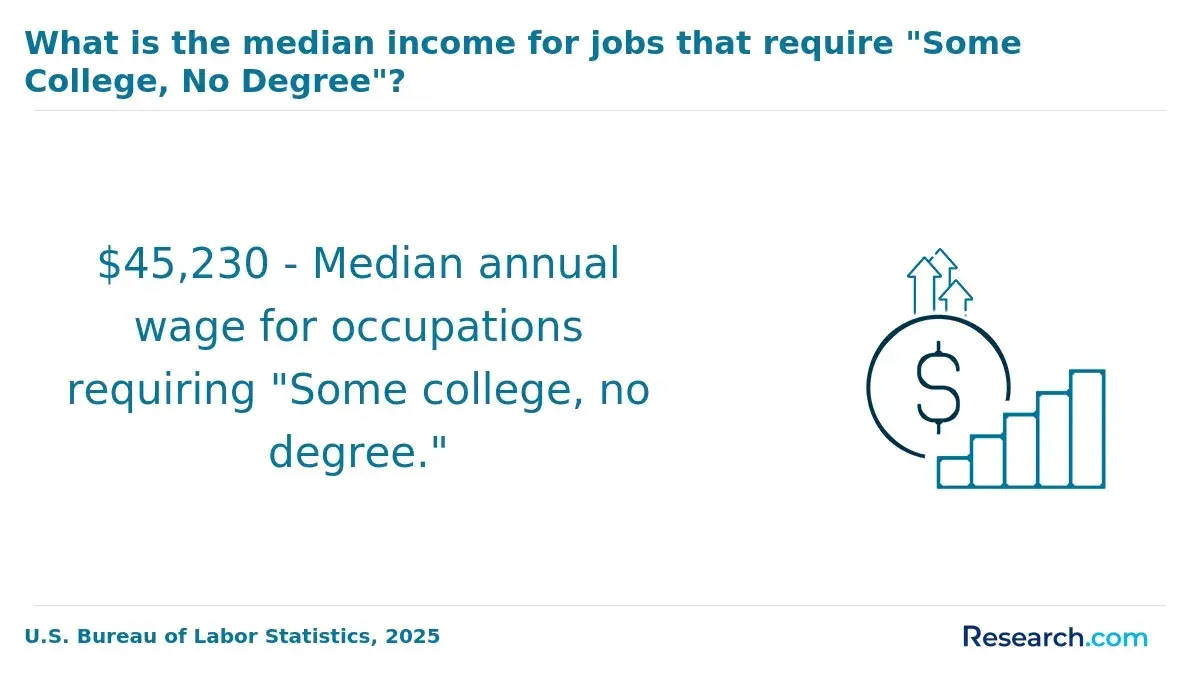
Salaries within special education fluctuate notably based on the chosen area of expertise. For instance, educators focusing on emotional and behavioral disorders often earn more than those working with mild to moderate cognitive impairments. Data from the U.S. Bureau of Labor Statistics indicates that specialists in emotional and behavioral disorders can make over $60,000 annually, whereas those in cognitive impairment fields typically earn closer to $50,000. These differences highlight how specialization plays a critical role in compensation.
Several factors drive these salary variations, including the level of specialized skills required and the demand within different fields. Roles demanding advanced training in behavioral methods, communication approaches, or assistive technologies generally command higher wages.
Additionally, professionals employed in more intensive settings such as residential treatment centers or specialized clinics may receive greater pay due to the complexity of their work. Geographic location and experience also influence earnings, but the specialization itself remains a primary determinant.
Salaries for graduates with a special education bachelor's degree show minimal differences based on whether the degree was earned online or on-campus. Both pathways typically include comparable core coursework such as instructional strategies, behavioral interventions, and legal aspects of special education. Employers increasingly recognize online degrees as equivalent to traditional ones, especially as many online programs have become rigorous and accredited over time.
A 2022 survey by the National Center for Education Statistics reported that 78% of employers considered online special education degrees equally credible when candidates demonstrated strong practical experience, highlighting the importance of skills over study format.
Factors that may affect salary variations include networking opportunities, which are often more robust on-campus through direct connections with educators, job fairs, and mentorship. Additionally, hands-on experiences like in-person practicum placements tend to be more integrated within on-campus programs, potentially enhancing early career prospects and salaries.
Regional demand and location also play a significant role, with urban and high-need districts frequently offering higher wages to attract qualified special education teachers. Ultimately, salary outcomes depend more on individual qualifications, teaching certifications, and demonstrated classroom effectiveness than on whether the degree was completed online or in person.
Tuition and fees for special education bachelor's degree programs can differ significantly, with costs influenced by several key factors. On average, annual tuition and fees range from roughly $10,000 at public in-state universities to more than $35,000 at private colleges. These variations affect prospective students weighing special education bachelor's degree program costs as part of their decision-making process.
Several considerations contribute to tuition differences, including:
- Institution Type: Public universities often charge lower in-state tuition compared to private institutions, which usually have higher rates regardless of residency, impacting overall program expenses.
- Program Format: Online special education degrees can offer more flexibility and reduce costs related to commuting and housing, though their per-credit pricing may vary by school policies and resources. Students may find value in exploring options such as an online MBA without GMAT to understand non-traditional learning formats.
- Program Length and Coursework: Most bachelor's programs require around 120 credit hours, but some specializations demand extra coursework in areas like psychology or behavioral analysis, which can increase tuition.
- Geographic Location: Institutions located in regions with higher living costs often reflect this in their fees, including materials and student services, contributing to tuition variation.
Those researching tuition variation in special education bachelor degrees should carefully consider these factors to identify programs that align with their educational goals and financial situations.
Students pursuing a bachelor's degree in special education often have access to various financial aid resources to help manage tuition and associated expenses. According to the National Center for Education Statistics, nearly 85% of undergraduate students receive some form of financial aid, reflecting widespread support for education funding. These options can significantly ease the financial challenges tied to special education student financial aid programs.
Available types of aid include:
- Federal Grants: These are need-based awards that do not require repayment. The Pell Grant is a well-known example that many special education students qualify for, offering crucial assistance in covering tuition.
- Student Loans: Federal student loans provide low-interest borrowing options with flexible repayment plans after graduation. Students can borrow amounts scaled to their tuition and education-related expenses.
- Scholarships: Numerous organizations offer scholarships specifically for students pursuing special education degrees. These awards often consider academic merit, community involvement, or dedication to working with individuals with disabilities.
- Work-Study Programs: Federally funded work-study jobs allow students to earn money through part-time employment, often on campus, gaining valuable experience while offsetting costs.
- State and Institutional Aid: Many states and colleges have grants or scholarships based on residency or achievement to supplement other financial aid.
Exploring multiple grants and scholarships for special education degrees ahead of enrollment can help maximize financial support. Completing the Free Application for Federal Student Aid (FAFSA) annually is essential to unlock these resources. For students considering online options, reviewing ASHA accredited SLPA programs can also provide pathways tailored to career goals.
Picking an appropriate special education bachelor's degree requires thoughtful evaluation of several academic and personal factors. Data shows that nearly 60% of students emphasize the importance of program relevance and career potential when making their choice. Considering these aspects helps ensure the selected degree supports both immediate learning preferences and future professional paths.
Key points to consider include:
- Academic Interests: Determine which disabilities or learning differences you feel compelled to support. Special education spans areas like autism spectrum disorders and behavioral challenges, so aligning your focus with your passions can enhance engagement and achievement.
- Specialization Options: Explore whether the program offers targeted tracks or certifications, such as early childhood intervention or inclusive teaching methods. These specializations can strengthen expertise and improve employment prospects.
- Program Format: Reflect on your preferred learning environment-traditional in-person classes, fully online, or hybrid models. Flexibility in format is essential for managing education alongside work or personal life.
- Career Alignment: Investigate how the curriculum prepares you for licensure, teaching careers, or related roles like educational advocacy. A program closely aligned with your career goals maximizes opportunities.
- Long-Term Goals: Think about your plans for advanced study or leadership roles. Choosing a degree that facilitates further education or career growth can open doors to expanded opportunities.
What Graduates Say About Different Types of Special Education Bachelor's Degrees
- Lauren: "Choosing a special education bachelor's degree was a deliberate step toward making a real difference in the classroom, especially with my passion for helping children with diverse learning needs. The program's focus on inclusive teaching methods gave me the confidence to start my career quickly and effectively. Since graduating, I've seen a noticeable increase in my salary and opportunities for advancement that I attribute directly to the degree."
- Hope: "Reflecting on my time pursuing a special education bachelor's degree, I appreciate how it broadened my understanding of individualized instruction and behavioral supports. It laid a strong foundation that made my transition into the workforce smooth and rewarding. Over time, the credential has significantly boosted my career growth and earning potential within the education sector."
- Nadia: "My decision to specialize in special education came from a desire to advocate for students who often get overlooked. This degree provided me with both the practical skills and the theoretical knowledge essential for this field. The career jumpstart was immediate, and the salary progression has been encouraging, opening doors to leadership roles I hadn't envisioned initially."
Other Things You Should Know About Special Education Degrees
Most public schools require a state-issued special education teaching license after the degree is completed. Licensure usually includes a bachelor's degree, a supervised student-teaching placement, passing the Praxis Special Education test or a state exam, and a background check approved by the state education board.
In 2027, special education bachelor’s degrees often offer specializations including autism spectrum disorders, emotional and behavioral disorders, learning disabilities, and early childhood special education. These specializations prepare students for distinct career paths, enhancing their employability in various educational settings.
Yes, location plays a major role in both job availability and salary levels for special education graduates. Urban and suburban areas typically offer more employment opportunities due to higher school populations. Salaries also vary by state and district funding, with some regions providing higher pay to attract qualified special education professionals to underserved communities.
- Everything You Need to Know About a Bachelor's degree in Special Education and Teaching https://www.tun.com/schools/everything-you-need-to-know-about-a-bachelors-degree-in-special-education-and-teaching/
- How to Choose the Right Special Education Diploma - Parent & Learner Checklist https://nationalacademy.co/how-to-choose-the-right-special-education-diploma-program-checklist-for-parents-and-learners/
- Top Lucrative Careers for Special Education Graduates: A Comprehensive Guide https://www.senteacherstraining.com/blog/1484-Top-Lucrative-Careers-for-Special-Education-Graduates-A-Comprehensive-Guide-blog.php
- Bachelor of Secondary Special Education at University of charleston – Fees, Requirements, Eligibility & More https://www.gyandhan.com/study-abroad/usa/universities/university-of-charleston/courses/bachelor-of-secondary-special-education
- Counseling / Financial Aid https://www.everettsd.org/Page/9402
- Bachelor's Degree in Education/Teaching of Individuals in Secondary Special Education Programs - Teaching Degree Search https://teachingdegreesearch.com/majors/special-education/secondary-special-education/bachelors/
- Special Education Careers What Jobs Await? - Food Stamps https://view.edu.pl/2025/11/21/what-jobs-can-you-get-with-a-special-education-degree/
- Welcome to Special Education Degrees! | Special Education Degrees https://www.special-education-degree.net/