2027 Online Special Education Bachelor's Degrees for Career Changers
Audited and Verified:
Our Editorial and Data Verification Process
Research.com uses government datasets, official education statistics and primary institutional information to support its career and degree guides. Our review process checks factual accuracy, occupational definitions, source dates and the requirements associated with the credentials discussed.
How This Article Was Fact-Checked
Our editorial team verifies salary estimates, employment projections, education requirements and program information against original data providers and official organizations. Salary figures are checked against the relevant occupational definitions and reporting periods. Information about licensure, accreditation and required in-person training is reviewed separately.
Fact-checked and verified on:

Co-Founder and Chief Data Scientist
Many early- and mid-career professionals face burnout or limited growth in their current roles, prompting a search for meaningful change. For those drawn to making an impact through education, online special education bachelor's degrees offer a flexible, accessible pathway to developing the skills needed for a new career.
With remote learning enrollment in special education programs rising by 25% in the past five years, these degrees help individuals balance work, family, and study commitments.
This article explores how online special education bachelor's degrees support career changers, outlining opportunities and guidance for a successful transition into this rewarding field.
Key Benefits of Online Special Education Bachelor's Degrees for Career Changers
- Online special education bachelor's degrees offer flexible scheduling that accommodates working professionals, enabling study alongside job and family commitments without commuting.
- Many accredited online programs provide accessible learning environments, often at reduced costs, expanding opportunities for career changers nationwide.
- Curricula frequently align with emerging special education careers, incorporating updated teaching strategies and compliance standards to prepare graduates for evolving roles.
Is an Online Special Education Bachelor's Degree Good for Career Changers?
Career changers often view an online special education bachelor's degree as a practical gateway to enter a rewarding yet demanding field by building essential knowledge and skills remotely. With adult learners comprising nearly 40% of all higher education students, flexible online programs cater well to those balancing previous careers or personal commitments.
Programs designed for this demographic allow students to transition smoothly while pursuing relevant credentials. This approach aligns closely with the needs of career changers who require accessible and adaptable education options.
Online special education bachelor's degree programs provide structured academic pathways that support adult learners through clearly defined credit progressions and targeted coursework.
These programs often prioritize institutional accessibility, making it easier for career changers to engage without relocating or disrupting their current lives. Many curricula emphasize current evidence-based practices that are immediately applicable to educational environments, ensuring alignment with industry expectations.
Those interested in expanding their qualifications may also explore complementary options like a BCBA degree online to further specialize within related fields.
Can I Work Full-Time While Studying an Online Special Education Degree?
Many individuals balancing full-time work with online special education studies choose this path to manage financial obligations and career responsibilities while advancing academically. The flexibility of online programs supports these goals, allowing learners to integrate education into their busy lives without compromising progress.
According to the National Center for Education Statistics, nearly 40% of students studying exclusively online are age 25 or older, reflecting a large population of adult learners juggling multiple priorities. This adaptability is crucial for professionals seeking practical experience alongside their degree.
Online special education degrees are intentionally structured to support students who maintain full-time employment through features like asynchronous coursework and modular scheduling. These components enable students to access class materials and complete assignments at convenient times, catering to diverse schedules.
Additionally, many programs offer resources such as online tutoring and advising available outside traditional hours, facilitating better time management and academic support.
For those interested in further academic pursuits, exploring options like a PHD in leadership online can also complement their educational journey while working.
What Skills Do I Need to Succeed in an Online Special Education Program as a Career Changer?
For career changers pursuing an online special education bachelor's program, recognizing the necessary skills is crucial to navigate both the academic challenges and the demands of this specialized field.
Nearly 40% of undergraduates are adult learners, balancing education alongside other life responsibilities, which can impact persistence and success in online programs. Knowing which abilities to cultivate can improve both learning and retention.
The essential skills fall into two main categories: those specific to special education practice and those critical for thriving in an online academic environment.
- Patience and Flexibility: Special education requires adapting to diverse student needs and managing individualized education plans, demanding calm problem-solving and resilience in varied situations.
- Effective Communication: Career changers must develop clear and empathetic ways to engage with students, families, and multidisciplinary teams, building strong collaborative relationships.
- Time Management: Online studies need disciplined scheduling and motivation to stay on track without the structure of in-person classes.
- Technical Skills: Comfort with learning platforms, video tools, and digital coursework is essential to fully participate in online programs.
- Critical Thinking: Applying theoretical concepts to real-world challenges helps deepen understanding and supports effective decision-making in educational settings.
A professional studying special education online described the adjustment as both challenging and rewarding.
"Managing my work and family commitments alongside coursework requires a new level of self-discipline," he shared. He noted that tech issues sometimes add stress, and "figuring out how to communicate effectively through virtual platforms took time."
Yet, integrating previous career experience has been invaluable, helping him relate course concepts to practical situations. He emphasized that anticipating these demands early made the transition more manageable and gave him confidence to persist despite occasional setbacks.
Career transition planning is crucial for students pursuing an online special education bachelor's degree to ensure their academic efforts translate into meaningful professional growth. Nearly 61% of adults report considering reskilling or upskilling through formal education when changing careers, reflecting the increasing demand for flexible learning options tailored to adult learners.
The following factors are essential for those exploring an online special education degree for career changers.
- Aligning Academic Learning: Connect coursework with specific interests in special education to focus your studies on areas most relevant to your career goals. This alignment helps create a strong foundation for future professional development.
- Building Foundational Knowledge: Gain expertise in crucial topics such as inclusive teaching techniques, student assessment, and behavioral strategies. These competencies are key to meeting employer expectations and succeeding in special education roles.
- Leveraging Institutional Resources: Utilize academic advising, career services, and networking opportunities offered by online programs designed for adult learners balancing multiple responsibilities. These resources support a smoother transition.
- Developing Experience Pathways: Pursue internships, practicum placements, or volunteer roles to apply theoretical knowledge practically, enhance skills, and build confidence in real-world settings.
- Understanding Workforce Expectations: Familiarize yourself with teamwork dynamics, compliance with education policies, and the importance of ongoing professional growth within the special education field.
For those interested in related fields, programs like the game development online degree provide additional options in dynamic career paths that also value reskilling and flexible education formats.
Most online special education bachelor's degree programs generally take around four years of full-time study to complete, but many learners take longer due to part-time enrollment and other life commitments. Data from the National Center for Education Statistics shows that about 40% of undergraduates study part-time, which often extends completion timelines to five or six years or more.
Factors affecting the pace include prior college credits, program flexibility, and individual scheduling preferences, all of which impact how quickly someone can switch careers. Additionally, gaining practical experience through program components plays a crucial role, as applying learned skills on the job is essential to the career transition process.
When asked about her experience, a professional who completed an online special education bachelor's degree described the journey as a balancing act between work, family, and studies. She noted feeling both challenged and motivated by the need to stay disciplined while managing multiple responsibilities.
"It wasn't easy, but setting small goals and taking advantage of flexible course options helped me stay on track," she shared. Reflecting on the time it took, she emphasized that patience and persistence were key, adding that the experience ultimately offered rewarding insight and confidence entering her new career path.
Many students pondering an online special education bachelor's degree wonder if they can enter the workforce without any prior experience. This is especially common among those making a career change, relying on their degree to open doors in a new field.
Data from the National Center for Education Statistics shows that about 70% of graduates in education fields secure a job within six months of finishing their degree.
Several factors influence how employers evaluate candidates for entry-level roles in special education:
- Degree Relevance: Employers prioritize candidates whose degrees align closely with job responsibilities, as this ensures foundational preparation for the specific challenges in special education settings.
- Foundational Knowledge: A bachelor's degree imparts critical concepts and strategies, signaling to employers that candidates understand core principles even without previous work experience.
- Practical Exposure: Many online programs incorporate internships or student teaching, which provide hands-on experience that can strengthen a candidate's resume despite lack of formal employment.
- Skill Potential: Hiring managers look for soft skills such as communication, adaptability, and collaboration, recognizing these qualities as vital for success in special education roles.
- Commitment to Growth: Candidates who demonstrate willingness to pursue further certifications or professional development are often seen as motivated and better fits for ongoing learning environments.
Overall, while absence of prior experience may initially narrow options, a specialized online special education degree equips graduates with the knowledge and competencies essential for meeting employer expectations and obtaining entry-level employment.
Certifications are valuable assets for career changers pursuing an online special education bachelor's degree, as they reinforce academic learning and validate specialized skills. These credentials enhance subject-matter competence and provide practical experience that complements theoretical coursework.
Recent data from the National Center for Education Statistics shows that nearly 20% of adult learners engage in professional certification programs to improve their career readiness and employability.
- Licensed Special Education Teacher Certification: This state-mandated credential is essential for legally practicing as a special education teacher. It closely aligns with the content covered in online bachelor's programs, offering a direct path toward licensure and teaching eligibility.
- Board Certified Behavior Analyst (BCBA): Focused on behavioral intervention, the BCBA certification deepens understanding of strategies to support students with learning and behavioral challenges common in special education classrooms.
- Certified Autism Specialist (CAS): This certification equips students with targeted skills to work effectively with autistic learners, enhancing the knowledge gained through degree coursework that addresses diverse learner needs.
- Professional Development in Assistive Technology: Offering expertise in tools and accommodations for students with disabilities, this certification complements online instruction by providing practical skills applicable in inclusive educational environments.
Integrating these certifications with an online special education bachelor's degree helps career changers build confidence and demonstrate concrete skills to employers and licensure boards.
These credentials often serve as foundational steps for entering specialized teaching roles and improving readiness for the diverse demands of special education settings.
Career changers often inquire about job opportunities after earning an online special education bachelor's degree because it serves as a key credential for entering a new professional field.
This degree provides structured academic preparation in areas such as individualized instruction, behavioral interventions, and legal frameworks, which are essential for supporting learners with diverse needs.
A 2022 report from the National Center for Education Statistics found that about 60% of adult bachelor's degree completers who changed careers entered education-related roles within two years of graduation.
- Special Education Teacher: Graduates commonly find work as special education teachers at the elementary or secondary level. Coursework in instructional techniques and assessment strategies typically included in online programs prepares new teachers to develop and implement tailored learning plans for students with disabilities.
- Paraprofessional or Instructional Assistant: Entry-level paraprofessional roles allow career changers to gain hands-on experience collaborating with certified teachers while supporting students. These positions often serve as stepping stones toward full teaching credentials or higher-level jobs.
- Behavior Intervention Specialist: This role involves applying knowledge of behavior management learned through the degree to support students' social and emotional development. Graduates may work in schools or community organizations focusing on behavioral support strategies.
- Educational Program Coordinator: Some graduates pursue coordinating roles in educational settings, where they assist in planning and managing programs tailored to learners with special needs. This leverages skills gained in educational planning components of the degree.
For those exploring flexible education paths to support their career change, programs like a blockchain degree online may also offer complementary opportunities in emerging fields alongside education.
The job outlook for special education careers is a critical consideration for career changers exploring an online special education bachelor's degree. According to the U.S. Bureau of Labor Statistics, employment of special education teachers is projected to grow by 8% from 2022 to 2032, outpacing the average growth for all occupations.
This steady expansion suggests promising long-term stability and job availability for those entering the field. Labor market conditions significantly shape decisions about investing time and resources in earning credentials, especially for those pursuing special education job prospects for career changers.
Several factors influence the career outlook for special education teachers entering the field, including demand driven by greater recognition and diagnosis of learning disabilities.
Technological advancements continuously transform educational environments, requiring ongoing adaptation and updated skills, which online special education programs effectively address.
Economic variables like school funding impact hiring but tend to be moderated by society's growing commitment to inclusive education. This alignment of industry demand, technology, and academic preparation positions graduates well for evolving challenges.
For individuals seeking to deepen their expertise, exploring the most useful graduate degrees can provide further pathways to strengthen their credentials.
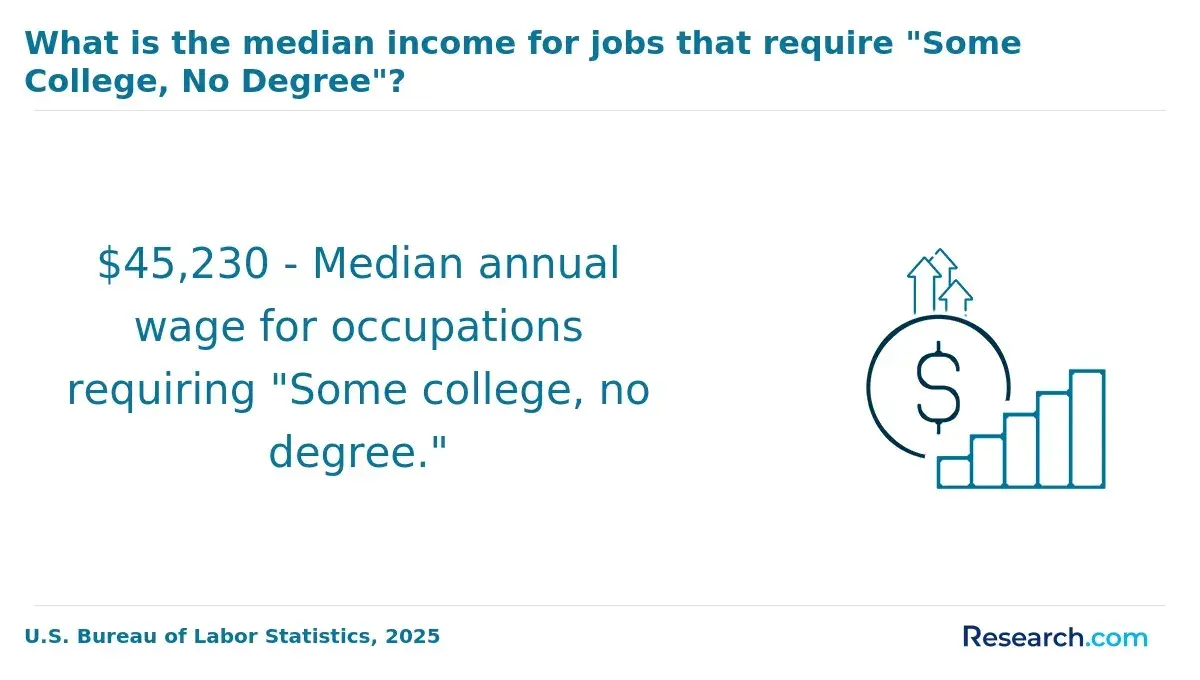
Career changers who earn an online special education bachelor's degree can generally expect starting salaries that mirror both their fresh qualifications and any prior professional experience. Median annual wages for special education teachers with a bachelor's typically fall between $45,000 and $60,000, although entry-level salaries often begin near the lower end for those new to the field.
With time and classroom experience, pay tends to increase, especially as educators gain additional certifications or endorsements. This career path provides a competitive and reliable income alongside the rewarding opportunity to support diverse learners.
Several factors affect salary outcomes in special education roles. Geographic location is key, with urban and higher cost-of-living areas usually offering greater compensation than rural settings.
Demand differences across states and districts also influence pay scales, along with the educator's level of training beyond a bachelor's degree.
Experience matters as well; even early professional experience after a career switch contributes to incremental salary growth over time. Those transitioning into special education should weigh these elements when assessing their earning potential.
What Graduates Say About Online Special Education Bachelor's Degrees for Career Changers
- Nathanael: "Choosing an online special education bachelor's degree was a practical decision for me as I wanted to balance work and study while transitioning careers. The flexibility of remote learning allowed me to gain knowledge without sacrificing my current job, and the cost was surprisingly manageable compared to traditional programs. Today, I feel equipped and confident as I support children with diverse learning needs professionally."
- Russell: "Reflecting on my journey, the affordability of an online special education bachelor's made it possible to invest in my future without hefty student debt. I appreciated that the curriculum was specifically designed with career changers in mind, offering relevant skills and real-world applications. This degree truly opened doors for me to make a meaningful impact, and I feel proud to contribute to inclusive education now."
- Jose: "The main reason I pursued an online special education bachelor's was the career shift opportunity it presented; I wanted to move from a corporate background into education. The program's cost-effective structure was a relief and allowed me to focus on gaining crucial expertise without financial strain. Since graduating, I've noticed a profound difference in my ability to engage and assist students with special needs, which has been incredibly rewarding."
Other Things You Should Know About Special Education Degrees
In 2027, accreditation is crucial for online special education bachelor's degree programs as it ensures that the program meets quality standards. For career changers, attending an accredited program can facilitate licensure processes and enhance employment prospects by demonstrating they received a reputable education.
Most accredited online special education bachelor's programs require a student teaching or practicum experience. This hands-on component is necessary to gain practical skills working with students with disabilities and is often arranged locally to accommodate the online format. Completion of student teaching is typically mandatory for teacher certification.
Many online special education bachelor's programs offer transfer credit options for previous college coursework or relevant professional experience. Career changers should consult with admissions advisors to determine which credits may apply, potentially reducing the time and cost needed to complete the degree.
Each institution has its own policies regarding credit evaluation.
Yes. Most licensure-track programs require a supervised practicum and student teaching placement, usually 12 to 16 weeks, in a K–12 special education classroom approved by the state education department. Candidates often must pass background checks and complete fingerprinting before placement.
- Alternative Jobs For Special Education Teachers - Teacher Career Coach https://teachercareercoach.com/special-education-teachers/
- Should You Get a Special Education Teaching Degree? https://www.snhu.edu/about-us/newsroom/education/should-you-get-a-special-education-teaching-degree
- Certificate in Transition to Teaching in Special Education | ACE https://ace.edu/degree-programs/certificates/certificates-education/certificate-in-transition-to-teaching-in-special-education/
- The Ultimate Guide to Flexible Online Degrees for Busy Working Adults - Grace Christian University https://gracechristian.edu/blog/the-ultimate-guide-to-flexible-online-degrees-for-busy-working-adults/
- Special Education Teacher Salary & Requirements by State - NASET https://www.naset.com/professional-resources/special-education-teacher-requirements-salaries-and-resources-complete-state-by-state-guide/
- Special Needs Education Online: A Rewarding Career Path - London College of Teachers (LCT) https://londoncollegeofteachers.co.uk/blog/special-needs-education-online-a-rewarding-career-path/
- Career Outlook For Jobs In Special Education? https://www.senteacherstraining.com/Career-outlook-for-jobs-in-special-education.php
- Navigating Special Education Career Change | Birch Agency https://www.birchagency.com/thinking-about-leaving-your-school-role-in-2026-heres-what-special-education-teachers-are-doing-instead/
- The Growing Demand for Special Education Needs Experts in 2026: Skills, Careers & Trends Every Educator Should Know https://www.ebu.ac/blog/263-The-Growing-Demand-for-Special-Education-Needs-Experts-in-2026-Skills-Careers---Trends-Every-Educator-Should-Know-blog.php
- How Online Special Education Degrees Make Career Growth More Accessible for Teachers https://www.notion4teachers.com/blog/online-special-education-masters-degree-career-advancement