2027 Is an Online Special Education Bachelor's Degree Worth It?
Audited and Verified:
Our Editorial and Data Verification Process
Research.com uses government datasets, official education statistics and primary institutional information to support its career and degree guides. Our review process checks factual accuracy, occupational definitions, source dates and the requirements associated with the credentials discussed.
How This Article Was Fact-Checked
Our editorial team verifies salary estimates, employment projections, education requirements and program information against original data providers and official organizations. Salary figures are checked against the relevant occupational definitions and reporting periods. Information about licensure, accreditation and required in-person training is reviewed separately.
Fact-checked and verified on:

Co-Founder and Chief Data Scientist
Consider a professional with a bachelor's degree in an unrelated field seeking to transition into special education without relocating or quitting their job. Online special education bachelor's programs offer flexibility but raise concerns about credibility and employment outcomes. According to the National Center for Education Statistics, enrollment in online bachelor's programs in education-related fields increased by over 30% between 2015 and 2020, reflecting growing acceptance. This article examines whether an online special education bachelor's degree provides the necessary preparation, licensure opportunities, and career advancement potential to justify the investment-helping readers make an informed decision about this educational path.
Key Things to Know About the Value of an Online Special Education Bachelor's Degree
- An online special education bachelor's degree offers flexible scheduling and military credit transfer policies, supporting diverse learners balancing professional and personal life goals.
- Accredited programs provide cost-effective tuition with financial aid options, yielding an average annual salary increase of 15% compared to non-degree holders in education.
- Graduates often gain licensure eligibility and competitive advantage in K-12 and specialized settings, enhancing long-term career growth and job security in education sectors.
What Are the Real Costs of Earning an Online Special Education Bachelor's Degree, and How Do They Compare to On-Campus Programs?
The real costs of earning an online special education bachelor's degree involve more than just tuition-they encompass fees, technology requirements, and indirect expenses. According to IPEDS and the College Board's Trends in College Pricing report, tuition per credit hour for online special education programs usually ranges from $250 to $450, which tends to be lower than the $300 to $600 range common for on-campus programs. This cost difference often makes online options financially attractive for many students.
- Tuition Per Credit Hour: Online programs typically range from $250 to $450 per credit, compared to $300 to $600 for on-campus counterparts, making online options financially attractive for many students.
- Fees: On-campus students often pay campus facility, activity, and transportation fees, adding several hundred dollars per semester. Online students usually incur technology fees-averaging around $100 to $150 per term-to support digital learning resources.
- Required Technology: A reliable computer, high-speed internet, and sometimes specific software tools are essential for online learners. These one-time and recurring tech costs can total $500 or more but are generally less than commuting and campus living expenses.
- Indirect Costs: On-campus learners face housing, meals, parking, and transit expenses that often exceed $5,000 annually. Online students save on many of these but may pay more for utilities or childcare.
Several accredited online special education bachelor's degree programs have tuition rates below the national average. Notable examples include Fort Hays State University, University of West Florida, Eastern New Mexico University, and Western Governors University-all recognized for affordability and supporting access for nontraditional learners. Considering the full cost comparison of online versus on-campus special education degrees ensures students make well-informed choices aligned with their financial and personal situations.
It is also crucial to understand the difference between sticker price and net price. The sticker price lists the full cost without accounting for discounts or aid, while the net price reflects the actual amount a student pays after scholarships, grants, and federal aid. Many students reduce their financial burden significantly by exploring all financial aid options, including institutional scholarships targeted for special education majors. Exploring resources on easy degrees to get online that pay well can also provide guidance on cost-effective educational paths.
What Is the Return on Investment (ROI) of an Online Special Education Bachelor's Degree Over a Career Lifetime?
Return on investment (ROI) in higher education evaluates the economic value achieved by comparing the total cost of earning a degree against the increased lifetime earnings it enables. The Georgetown University Center on Education and the Workforce outlines an ROI framework that considers tuition and fees, opportunity costs such as lost wages during study, and projected career earnings. The PayScale College ROI Report adds discipline-specific data, allowing a focused analysis of the career lifetime ROI of an online special education bachelor's degree.
Key factors include:
- Total Cost: Online programs typically reduce expenses through lower tuition, no commuting, and flexible schedules, which can also minimize opportunity costs for working adults and veterans.
- Projected Earnings: Special education teachers often start with salaries below the national bachelor's average but experience steady growth with experience, certifications, and advanced degrees.
- Career Longevity: A stable, long-term career-often spanning 40 years-can greatly enhance total financial returns.
When comparing 10-year and 20-year ROI for affordable online special education programs versus national averages, these points emerge:
- 10-Year ROI: Early returns may be modest due to lower starting salaries, but lower tuition helps improve initial financial outcomes.
- 20-Year ROI: Income growth from career advancement and additional credentials substantially increases ROI, narrowing gaps with broader degree earnings.
- Program Affordability: Reduced debt loads in low-cost online programs raise long-term financial benefits compared to traditional degrees.
Non-monetary benefits also add meaningful value beyond salaries:
- Job Satisfaction: Graduates highlight fulfillment from supporting students with special needs.
- Career Mobility: Credentials open paths to roles such as behavior specialists, consultants, or educational administrators.
- Professional Credibility: Accreditation and recognized credentials enhance hiring prospects and graduate school eligibility.
Factors like financial aid eligibility, transfer credit policies, and employer recognition further affect ROI and degree value-especially for working parents, military veterans, and mid-career learners. More information on accelerated degree options can be found through programs offering an accelerated bachelor's degree online accredited, enabling faster completion and reduced costs for committed students.
How Do the Salary Outcomes for Online Special Education Bachelor's Graduates Compare to Those With Traditional Degrees?
Online special education bachelor's degree programs priced under $10,000 typically take between three and five years to complete, depending heavily on enrollment status, previous academic credits, and program structure. Many of these affordable programs offer flexible scheduling options, letting students study part-time or full-time, which influences the total time to graduation. Students with transferable credits from sources like community colleges, AP courses, military training, or relevant work experiences can often reduce their overall coursework.
Speeding up graduation is possible through several tactics:
- Transfer Credits: Schools accepting substantial transfer or military credits help students bypass introductory courses and start with more advanced classes.
- Accelerated Coursework: Programs with condensed sessions, such as 8-week terms or intensive summer classes, allow faster credit accumulation.
- Prior Learning Assessments: Some institutions award credit for documented professional experience or certifications related to education.
- Year-round Enrollment: Continuous study across fall, spring, and summer terms helps eliminate breaks that prolong degree completion.
Compensation for graduates from online special education bachelor's programs aligns closely with those earning degrees on campus, though salary levels depend more on factors such as the institution's prestige, geographic location, specialization within the field, and years of experience.
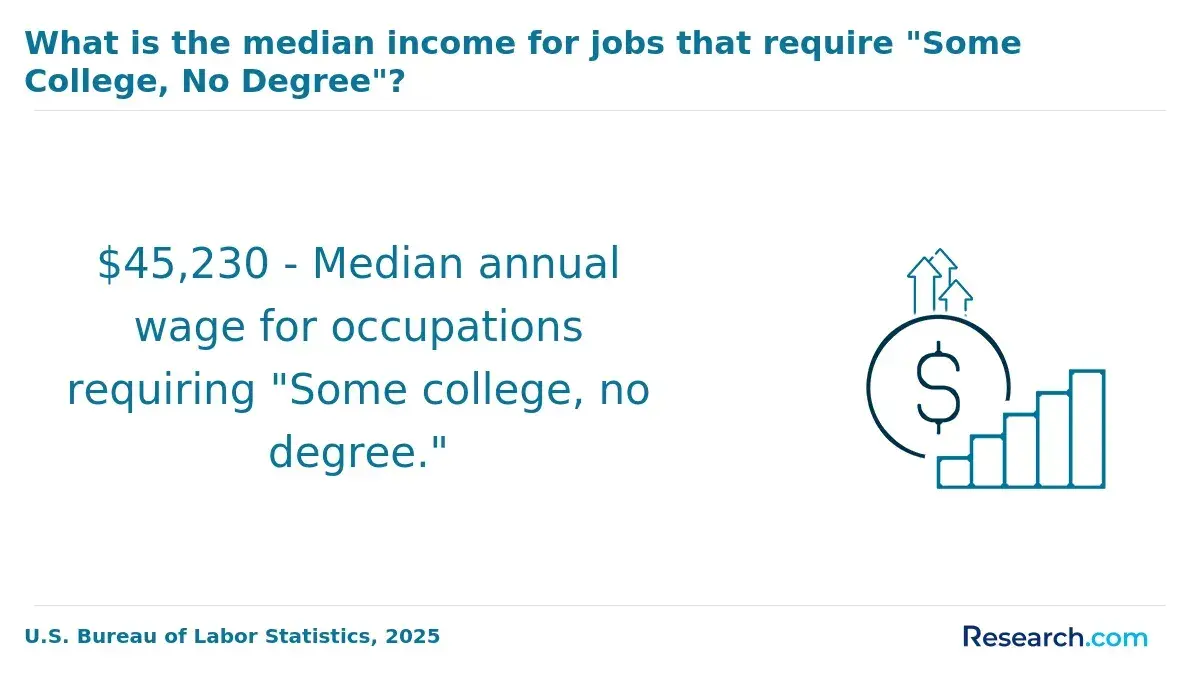
- Median Starting Salary: Entry-level teachers with an online special education degree generally earn between $38,000 and $45,000 annually according to data from the Bureau of Labor Statistics, PayScale, and LinkedIn Salary Insights.
- Mid-Career Earnings: After five to ten years, salaries often rise to the $50,000-$65,000 range due to enhanced specialization, certifications, and leadership opportunities.
- Institutional Impact: Graduates from highly regarded universities may earn approximately 7% more than peers from lesser-known schools, as reflected in IPEDS reports.
- Geographic Variance: Salaries vary considerably by state and district funding, with urban and suburban areas usually offering better pay than rural districts.
- Income Projection: Most graduates can expect steady salary increases throughout their first decade, tied to classroom experience, additional certifications, and ongoing education.
A professional who completed an online special education bachelor's degree shared how the experience shaped his career earnings. He described balancing coursework with family responsibilities as challenging but rewarding. "At first, I was worried employers might view an online degree as less credible," he explained, "but as I gained experience and earned certifications, my salary progressed just like my peers who attended traditional programs." His story highlights how consistent effort, combined with strategic use of transfer credits and professional development, can lead to competitive income even when starting with an online degree.
Graduates with an online special education bachelor's degree have multiple career opportunities, primarily supporting students with unique learning needs. Some positions require only a bachelor's degree, while others demand further licensure or graduate credentials.
- Special Education Teacher: This role typically requires a state teaching license and involves educating students with disabilities, modifying curriculum, and collaborating with families and staff. The U.S. Bureau of Labor Statistics projects an 8% job growth for special education teachers from 2022 to 2032, which is faster than average.
- Educational Assistants or Paraprofessionals: Usually requiring a high school diploma or associate degree, these roles benefit from a bachelor's for advancement. Assistants support teachers by working with students who need extra help, either individually or in small groups.
- Behavioral Disorder Specialist: Often needing additional certification or graduate study, these specialists develop intervention plans and manage behavioral challenges. Demand is especially high in districts serving high-need populations.
- Transition Specialist or Vocational Counselor: These professionals guide students with disabilities transitioning from school to work or further education. Certification may be required, but a bachelor's degree provides a strong base. Growth in this field reflects increasing focus on inclusive post-school opportunities.
- Early Intervention Specialist: Working with young children experiencing developmental delays, licensure varies by state. Bachelor's degree holders can access entry-level roles in public agencies or health settings.
Choosing a concentration within an online special education program-such as autism spectrum disorders or behavioral interventions-can refine career opportunities and improve employability. Aligning these specializations with state licensure requirements supports tailored career paths amid competitive job markets. For those exploring advanced degrees, considering EDD programs online may offer further career advancement options. Overall, career opportunities for online special education bachelor's degree graduates vary widely, making it essential to evaluate job prospects with an online special education bachelor's degree in relation to personal goals and local demands.
- Academic Advising: Expert advisors guide students through the special education curriculum, ensuring course selections meet certification criteria and align with individual career aspirations. They also assist with credit transfers and accommodate prior military training and experience.
- Tutoring Centers: Virtual tutoring services offer personalized support in core subjects and special education strategies. These sessions help deepen understanding and enhance academic success through individualized or group help.
- Writing Labs: Online writing resources support students in crafting research assignments, lesson plans, and reflective projects, often providing detailed feedback to improve organization, clarity, and professional quality.
- Mental Health Counseling: Telehealth counseling addresses common challenges faced by online learners, including stress, time management, and motivation. Licensed counselors provide support tailored to working adults, parents, and other unique student populations.
- Career Services: Highly regarded programs typically deliver comprehensive career support encompassing internship placements within local educational agencies, job search assistance, and networking opportunities. Alumni mentorship connects students with experienced graduates to promote professional growth. Employer partnership initiatives facilitate direct connections between students and potential special education employers.
Data from the National Survey of Student Engagement and program-level retention statistics demonstrate that institutions investing in strong student support structures tend to achieve higher on-time graduation rates. These resources remain among the most dependable indicators of student persistence and success in fully online bachelor's programs.
After completing her online special education bachelor's degree, a professional shared how the integrated support services were invaluable. "Balancing full-time work and family was daunting," she recalled. "The advisors helped me create a manageable plan, and tutoring clarified complex topics I struggled with. When stress got overwhelming, the telehealth counseling sessions were a lifeline." She noted that connecting with alumni mentors provided practical career insights and motivation during uncertain times. Reflecting on her journey, she emphasized how these resources transformed challenges into achievable milestones.
Recent surveys by the Society for Human Resource Management (SHRM) reveal that over 70% of employers regard online special education degrees as equally credible compared to traditional on-campus qualifications, particularly when the program is accredited by recognized agencies. This acceptance is especially strong in education, where consistent certification standards and regulated curricula create uniformity regardless of how the degree is earned.
When earned through regionally accredited institutions, online special education degrees generally hold full parity with campus-based credentials for licensure and employment in most school districts. While some highly competitive school districts or niche positions may favor applicants from established traditional universities, many rural or underserved areas prioritize graduates from online programs for their accessibility and flexibility.
Significant employers-including public school systems, advocacy groups, and government agencies-have reported positive hiring outcomes for those with online special education degrees. Universities often provide data showing that graduates of reputable online programs secure jobs at comparable rates to their on-campus peers, underscoring that employer attitudes have evolved beyond anecdotal impressions.
Prospective students should consider employer perceptions specific to their geographic region and intended career path. For instance, candidates targeting research-focused roles or advanced studies might face more scrutiny than those pursuing classroom teaching positions, where online degrees generally receive equivalent recognition.
- Accreditation: The value of an online special education degree largely depends on regional and program accreditation, which guarantees program quality and qualifies graduates for certification.
- Employer Acceptance: Most educational employers recognize online degrees as comparable to traditional credentials, especially when licensure requirements are fulfilled.
- Field-Specific Preferences: Some specialized or research-intensive positions may still prefer traditional degrees, although typical teaching roles accept online credentials equally.
- Recruitment Trends: Public school districts and education organizations increasingly recruit from online program graduates, reflecting growing confidence in these pathways.
- Career Alignment: Candidates should match their educational route with local demand and long-term goals to maximize degree value in their target market.
Accreditation status significantly impacts the value and recognition of an online special education bachelor's degree. Regional accreditation is generally more prestigious and offers greater benefits than national accreditation. It ensures higher transferability of credits between institutions, stronger employer acceptance, and enhanced eligibility for graduate school admission-critical factors in the special education field. National accrediting bodies typically focus on vocational or career-specific programs and may lack widespread recognition.
- Regional Accrediting Bodies: The U.S. Department of Education recognizes six regional accreditors for most traditional colleges:
- HLC: Higher Learning Commission
- SACSCOC: Southern Association of Colleges and Schools Commission on Colleges
- NECHE: New England Commission of Higher Education
- MSCHE: Middle States Commission on Higher Education
- NWCCU: Northwest Commission on Colleges and Universities
- WSCUC: WASC Senior College and University Commission
- Verification Tools: Students should confirm a program's accreditation status through the Council for Higher Education Accreditation (CHEA) or U.S. Department of Education (ED) databases to ensure it is current and legitimate.
- Programmatic Accreditation: Although less common, endorsements from organizations like the Council for Exceptional Children can highlight rigorous training and specialization advantages in special education programs.
- Risks of Unaccredited Programs: Enrolling in an unaccredited or lapsed-accreditation program may lead to loss of federal financial aid, rejection of transfer credits, and degrees not recognized by employers or graduate schools.
- Recent Data: According to the National Center for Education Statistics, over 90% of employers prefer candidates with degrees from regionally accredited institutions, underscoring the importance of accreditation for career advancement.
Completing an online special education bachelor's degree generally requires about 120 credit hours, which traditionally takes four years of full-time study. This timeline assumes two semesters annually, each lasting roughly 15 weeks. However, the actual time to complete an online special education bachelor's degree varies due to factors like program design and student pacing.
Accelerated eight-week course formats enable students to take more classes annually, often reducing graduation time to two or three years. Competency-Based Education (CBE) pathways allow learners to progress by demonstrating mastery rather than seat time, benefiting those with prior experience and shortening degree duration. Year-round enrollment options, including summer and winter terms, support continuous learning and steady advancement. Schools like Western Governors University report an average completion time close to 2.5 years, while Liberty University's accelerated schedule helps students graduate in about three years.
Such flexible options are especially valuable for individuals balancing work, family, or military commitments. Faster completion not only reduces direct tuition costs but also minimizes opportunity costs by allowing earlier entry into full-time special education careers. Prospective students should consider transfer credits and financial aid strategies carefully to optimize their timelines and total investment. For those comparing options, researching affordable programs is important-resources like the online MBA no GMAT low cost list can provide insights into cost-effective degree paths across disciplines.
- Credit Requirements: Online special education bachelor's degrees typically demand 120 credits, aligning with a standard four-year full-time timeline.
- Accelerated Formats: Eight-week courses increase the number of achievable classes annually, enabling completion within two to three years.
- Competency-Based Education: CBE programs focus on demonstrated knowledge and skills, allowing students-especially veterans or those with experience-to shorten their time to graduation.
- Year-Round Enrollment: Continuous terms, including summer and winter sessions, eliminate lengthy breaks and promote steady academic progress.
- Cost Implications: Completing faster lowers tuition and opportunity costs by moving students into the workforce sooner, enhancing long-term return on investment.
Students pursuing an online special education bachelor's degree have access to various financial aid options, helping to reduce tuition expenses. Key categories include:
- Federal Pell Grants: These need-based grants require no repayment and provide significant aid to eligible undergraduates, with eligibility determined through the Free Application for Federal Student Aid (FAFSA).
- Direct Subsidized and Unsubsidized Loans: Federal loans available to eligible students, subsidized loans accrue no interest while enrolled at least half-time, whereas unsubsidized loans accrue interest immediately. Both loans require FAFSA submission and offer flexible repayment options.
- Institution-Specific Scholarships: Many colleges offer scholarships aimed at special education students, often based on academic performance, community involvement, or financial need. Award amounts and eligibility criteria vary widely.
- State Grant Programs: Various states provide grants or scholarships for residents pursuing teacher certification or degrees in special education. They may require maintaining a minimum GPA or committing to work in the state for a specified period.
Notable scholarships targeted at special education students include the Teacher Education Assistance for College and Higher Education (TEACH) Grant, which awards up to $4,000 annually for students committed to teaching in high-need schools; the Council for Exceptional Children (CEC) Scholarships, offering grants from $500 to $3,000 for members pursuing special education degrees; and the National Center for Learning Disabilities Scholarship, supporting students with disabilities studying special education with awards typically around $1,000.
Filing FAFSA early in the award cycle is crucial, as many funds are limited and distributed on a first-come, first-served basis. FAFSA gathers detailed financial information annually to determine eligibility, and early submission improves chances of securing federal and state aid. Students can also minimize expenses by combining multiple sources-grants, scholarships, employer tuition reimbursement, and federal work-study programs-to build comprehensive financial support.
Those exploring financial aid for online special education bachelor's programs should consider all options carefully and meet deadlines promptly to maximize funding. Additionally, prospective students might research related educational pathways, such as through an online architecture school, for comparison on program flexibility and aid opportunities.
Admissions criteria differ widely between competitive and open-access online special education bachelor's programs, reflecting diverse institutional goals and applicant pools. Programs with selective admissions often set cumulative high school GPA requirements between 2.5 and 3.0 or above. In contrast, open-enrollment schools typically impose fewer or no minimum GPA restrictions, focusing on broader accessibility.
- Minimum GPA: Competitive programs generally expect a solid academic record, while open-access schools accommodate a wider range of GPA profiles.
- High School Diploma or GED: Verification of a high school diploma or equivalent credential, such as a GED, is mandatory across all programs; some selective institutions request official transcripts.
- Standardized Tests: SAT or ACT scores are often optional in many programs, though more selective schools may still encourage or require them to assess applicants' readiness.
- Prerequisite Coursework: Foundational high school or college coursework in English, math, and science is typically needed by selective programs but may be more flexible at open-enrollment institutions.
- Admission Policies: Many online special education programs use rolling or continuous admissions, allowing candidates-especially adult learners and career changers-to apply and enroll year-round without strict deadlines.
- Strengthening Your Application: Applicants who don't meet minimum criteria can bolster their candidacy through community college classes that show academic progress, relevant professional certifications, and compelling recommendation letters from educators or employers familiar with their skills.
- Accreditation: Confirm the program holds recognized regional and program-specific accreditation, ensuring it meets professional standards and qualifies graduates for teacher certification. Accreditation also affects transfer credit acceptance and eligibility for federal financial aid.
- Cost and ROI: Evaluate the full cost of attendance beyond tuition-consider technology fees, proctored exam costs, textbooks, and any onsite residency requirements. Weigh these expenses against expected salary outcomes and job placement rates to assess long-term financial benefits.
- Program Format and Flexibility: Look for programs offering varied delivery methods and flexible pacing, including part-time options-especially important for working adults, parents, and veterans balancing multiple responsibilities.
- Career Outcomes Data: Investigate graduation rates and employment statistics in special education roles, plus opportunities for advanced study. Reliable information can often be sourced from the U.S. Department of Education's College Scorecard and institutional disclosures.
- Student Support Services: Ensure availability of academic advising, tutoring, career counseling, and accommodations for disabilities. Strong support systems contribute significantly to academic success in an online environment.
- Transfer Credit Policies: Understand how prior learning-including military service and CLEP credits-is accepted to shorten time to degree completion and reduce costs.
Use authoritative tools like the College Scorecard, IPEDS Data Center, and individual net price calculators to develop side-by-side comparisons of candidate programs.
What Graduates Say About the Value of Their Online Special Education Bachelor's Degree
- Nathanael: "Choosing the online special education bachelor's degree program was a deliberate decision for me because of its flexible schedule-I could balance work and study without sacrificing either. The cost was surprisingly reasonable compared to traditional programs, making the investment feel worthwhile. Since graduating, I've seen real growth in my career, gaining the confidence and skills to support diverse learners effectively."
- Russell: "Reflecting on my journey, the online special education program offered a unique blend of accessibility and comprehensive curriculum that fit my hectic lifestyle perfectly. Financially, it was a smart choice because the tuition costs were manageable and the return on investment became clear as new job opportunities opened up. Professionally, this degree has enhanced my credibility and provided me with practical tools to make a meaningful difference in the classroom."
- Jose: "I was drawn to the online special education bachelor's degree because it allowed me to pursue my passion without relocating or pausing my career. The affordability of the program meant I didn't accumulate overwhelming debt, which made the value even greater. Overall, earning this degree has been transformative-improving my teaching methods and expanding my career prospects in ways I hadn't imagined."
Other Things You Should Know About Special Education Degrees
Online special education bachelor's programs typically use a mix of video lectures, interactive assignments, and discussion boards to deliver coursework. Students often complete readings, submit projects, and engage with instructors and peers asynchronously, allowing for flexible scheduling. Many programs include live sessions via video conferencing and require local practicum or field experience placements to develop hands-on skills.
Yes. Most online special education bachelor’s programs require 12 to 16 weeks of supervised student teaching, and schools usually place candidates in approved local classrooms. The placement must meet state licensure rules, and many states require background checks and a cooperating teacher with current certification.
An accredited online special education bachelor's degree generally holds the same weight as traditional degrees for graduate school admissions. Graduates meeting GPA and prerequisite course requirements can pursue master's or doctoral programs in special education or related fields. However, some competitive graduate programs may prefer candidates with significant in-person teaching experience, so online students should seek fieldwork opportunities to strengthen their applications.
- Scholarships, Grants and Financial Resources for Students with Disabilities | Project10 http://project10.info/Dpage.php
- Special Education Scholarships (2026) | Verified, Easy Apply - ScholarshipsandGrants.us https://scholarshipsandgrants.us/major/special-education/
- Financial aid and scholarships for students who learn and think differently https://www.understood.org/en/articles/financial-aid-and-scholarships-for-students-with-learning-and-thinking-differences
- Does College Pay Off? A Comprehensive Return On Investment Analysis - FREOPP https://freopp.org/whitepapers/does-college-pay-off-a-comprehensive-return-on-investment-analysis/
- How Long Does It Take to Get an Online Degree? https://www.collegevaluesonline.com/resources/online-learning/how-long-to-get-online-degree/
- Scholarships & Grants to Reduce Your Degree Cost https://www.umassglobal.edu/tuition-and-aid/financing-your-education/scholarship-and-grants
- Return on Investment For an Online Psychology Degree https://www.onlinepsychologydegrees.com/articles/return-on-investment-for-an-online-psychology-degree/
- Is College Worth it? | Return on Investment Analysis of College Degree https://educationdata.org/college-degree-roi
- Top 54 Scholarships for Students with Disabilities | Up to $35k in 2025 https://bold.org/scholarships/by-demographics/disabilities/