2027 Can A Property Management Certificate Strengthen a BS in Business Administration Plan? Credit and Career Questions
Audited and Verified:
Our Editorial and Data Verification Process
Research.com uses government datasets, official education statistics and primary institutional information to support its career and degree guides. Our review process checks factual accuracy, occupational definitions, source dates and the requirements associated with the credentials discussed.
How This Article Was Fact-Checked
Our editorial team verifies salary estimates, employment projections, education requirements and program information against original data providers and official organizations. Salary figures are checked against the relevant occupational definitions and reporting periods. Information about licensure, accreditation and required in-person training is reviewed separately.
Fact-checked and verified on:

Co-Founder and Chief Data Scientist
A property management certificate can make a business administration degree more relevant to real estate work - but it can also add courses that do not move you closer to graduation. If you are planning or completing a BS in Business Administration, the useful question is whether a particular certificate builds skills you need, earns applicable degree credit, and fits the jobs you want. This guide explains those trade-offs, including licensing, program costs, and career expectations, so you can check the right details before enrolling.
Key Things You Should Know
- A certificate is most valuable when its courses address property-specific work - such as leasing, maintenance coordination, and owner reporting - that a general business degree may not cover.
- College credit is not the same as degree progress: the BS program must decide whether certificate courses satisfy business requirements, electives, or no degree requirements at all.
- Neither credential substitutes for a state-required real estate license or relevant experience; confirm the rules for your location and intended duties before paying for training.
What Is a Property Management Certificate, and How Does It Complement a Business Degree?
A property management certificate is a focused course of study in operating rental properties, commercial buildings, or community associations. The term can describe a college-awarded academic certificate, a noncredit continuing-education program, or training associated with a professional organization. Those credentials do not have identical admission rules, academic credit, or employer recognition.
A BS in Business Administration generally provides broader preparation in accounting, management, marketing, operations, and decision-making. Property management training applies some of those concepts to rent collection, vendor coordination, resident communication, budgets, and regulatory responsibilities. The combination makes the most sense if you want to work in property operations and the certificate adds content or supervised practice that your BS courses lack.
If you are still choosing the degree, compare nationally ranked online business programs by their actual real estate electives, transfer policies, and applied-learning options - not by the degree title alone. A property-focused elective cluster may meet your goal without a separately awarded certificate.
Can Property Management Certificate Credits Transfer to a BS in Business Administration?
Sometimes, but the receiving university makes the decision. A credit-bearing college certificate gives you a stronger basis for review than a noncredit training course; neither guarantees that its courses will satisfy BS requirements. Even credits the university accepts may count only as free electives while accounting, statistics, and other business-core courses remain unfinished.
The distinction below helps you interpret a transfer estimate before treating it as a graduation plan.
| Possible evaluation | Effect on the BS plan |
| Business-core or approved concentration equivalency | May replace a named requirement if the appropriate department approves it. |
| General or free elective credit | May add earned credits without replacing required business courses. |
| No transferable academic credit | May still provide job skills, but does not reduce degree requirements. |
Before enrolling, send the BS program's transfer office the certificate's course numbers, syllabi, credit values, and the issuing institution's details. Ask an academic adviser for an updated degree audit showing where each course applies, whether upper-division or residency rules limit its use, and whether prerequisites affect sequencing. If you have not yet entered the BS program, review what to check before applying for a business administration degree; admission and course applicability are separate decisions.
Does a Property Management Certificate Improve Business Administration Career Prospects?
It can strengthen your case for an interview when it supplies skills a property employer needs and you can show how you have used them. For an early-career applicant, a leasing assignment, maintenance-workflow project, internship, or relevant customer-service experience may provide better evidence than the certificate name by itself. For a current property employee, focused study may help document readiness for broader budgeting or vendor responsibilities.
Match the credential to the work you actually want. Property operations involve tenants, buildings, owners, and service providers; recruiting and employee relations are different functions. If staffing work is your main interest and you already hold an associate degree, online human resources programs for associate degree holders may be a more direct comparison than adding a property certificate to a general BS.
A certificate cannot promise a management position or a wage increase. Employers may weigh local market knowledge, software familiarity, customer judgment, a required license, and a record of handling operational problems more heavily.
Curricula vary by institution and by the kind of property the program emphasizes. Common subjects include leasing and tenant relations, property accounting and budgets, maintenance coordination, real estate law, risk management, fair housing, and owner or association reporting. Some programs also teach property-management software or use a case project.
Compare course outcomes rather than counting course titles. A leasing course that practices documentation and communication builds different evidence from a survey course that only introduces terminology. Check whether legal content addresses the state where you intend to work, and whether assignments use realistic records without requiring access to confidential tenant information.
Staff scheduling may appear in a property curriculum, but it is not the same as specialized HR preparation. If that distinction matters for your target role, compare the syllabus with HR degree coursework and entry requirements before using property electives for all your available BS credits.
There is no single US rule requiring every property manager to hold a particular degree or certificate. Employers set education and experience expectations, while states determine when property activities require a real estate broker's or salesperson's license, another authorization, or supervision by a licensee. Duties involving leasing, negotiating terms, or handling rent for others deserve particular scrutiny; rules and exemptions vary by state and role.
Before choosing a program, describe your intended duties to the relevant state real estate regulator and check its published requirements. Ask the employer who will supervise licensed activities, if applicable. A college certificate and a BS are educational credentials, not licenses; a course marketed as license preparation should be checked against the state's approved-education rules.
If your real goal is coordinating building upgrades rather than managing leases or residents, compare the skills and costs of a project-focused degree pathway instead. An online project management undergraduate funding guide can help frame that alternative, but project training does not confer real estate licensing authority either.
Choose the format that lets you complete both the certificate's assignments and any necessary field exposure. Online study can reduce travel and may suit an employee with rotating hours, but it may still include live meetings, fixed deadlines, group work, or supervised site activities. Campus instruction can make local employer contact and building visits easier, but travel and class times may conflict with work.
Request the actual schedule for required courses, not just the program's advertised format. Confirm how you will practice inspections, resident communication, budgeting, and software use; whether an internship is required; and whether certificate courses fit the BS timetable. If calendar speed is your priority, online colleges offering accelerated bachelor's provide another comparison, though faster terms do not make the combined workload smaller.
There is no dependable universal timeline or price: a short noncredit course and a multi-course college certificate are different purchases. Completion time depends on required courses, term schedules, prerequisites, and whether you study alongside the BS. Ask each provider for a written estimate based on your intended enrollment pace.
For a usable cost comparison, obtain these charges and conditions from each program rather than comparing an advertised tuition figure alone:
- Tuition: the charge per course, credit, term, or complete certificate, and whether your residency status changes it.
- Required extras: application or technology fees, materials, software, exams, travel, and any fieldwork costs.
- Funding and timing: whether the certificate is eligible for financial aid, whether an employer will reimburse it, and when payment is due.
Then compare the certificate's total cost with the BS courses it would replace, if any. A certificate that adds credits without satisfying degree requirements can extend both tuition spending and time to graduation. For the underlying degree budget, use financial aid planning for low-cost business administration degrees as a separate comparison; aid eligibility for the BS does not establish eligibility for a separate certificate.
Relevant entry routes include leasing assistant, property administrator, resident-services coordinator, and assistant property manager. These jobs may involve inquiries, records, work orders, vendor follow-up, and routine reporting. A community association or commercial-property role may require different knowledge of governance, leases, or building operations than an apartment role.
A property manager typically carries broader responsibility for operations, budgets, compliance, staff or contractors, and communication with owners or boards. Training can prepare you to contribute to those tasks, but employers normally look for evidence that you have handled responsibility - not simply completed courses. Compare job postings in your market for license requirements and the software and property type named.
If your long-term aim is supervising teams across an organization rather than staying in real estate, leadership bachelor's degrees with accelerated pacing offer a different academic comparison. Neither pathway substitutes for the experience a particular management job requires.
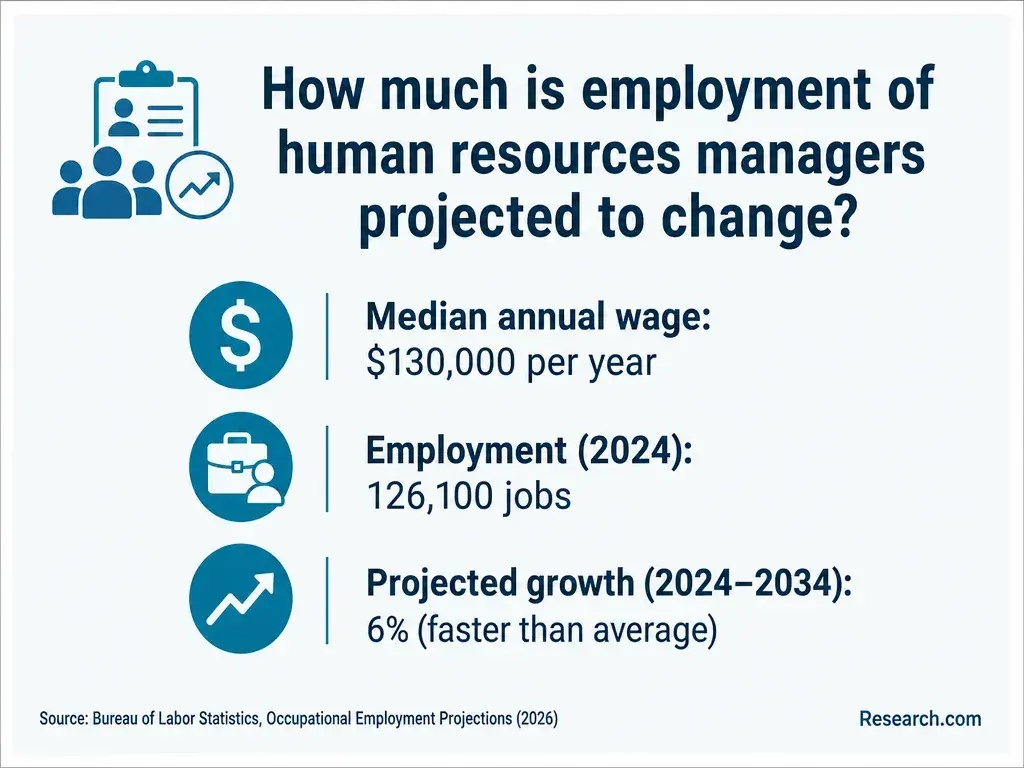
Pay varies substantially with property type, location, employer, scope of responsibility, and experience. The US Bureau of Labor Statistics groups property, real estate, and community association managers in an occupation-wide category; its median should not be read as the starting salary for someone who has just earned a BS or certificate. Nor does an occupation-wide figure establish that adding a certificate produces a pay premium.
For a useful personal estimate, compare local postings for the exact entry role you can qualify for now with postings for the role you hope to reach later. Check whether compensation includes bonuses, commissions, housing, or on-call obligations, and compare the added certificate expense with its likely use in those roles. If obtaining the certificate would delay the BS, examine fastest online business bachelor's programs in the US only as a scheduling comparison - not evidence that graduating faster will raise your salary.
How Can You Choose an Accredited Property Management Certificate Program?
First identify who awards the credential. For a college certificate, verify the institution's recognized institutional accreditation and ask whether the certificate appears on an official transcript and awards academic credit. If a business school cites AACSB, ACBSP, or IACBE, confirm the accreditor's actual scope; that claim does not automatically cover every certificate. Professional-organization training follows different recognition rules and may be valuable without being transferable college credit.
Next compare the syllabus with your target property type, confirm any state-approved licensing education directly with the regulator, and obtain a written BS credit evaluation before relying on transfer. Ask for the full schedule, costs, and the name of the office that handles credit appeals. If application charges affect your shortlist, explore fee-free online university applications for the degree search, while checking certificate admission charges separately.
The strongest choice is not necessarily the certificate with the most courses. It is the one that fills a demonstrable skill gap, fits your degree audit and budget, and prepares you for duties you can legally and realistically pursue.
Other Things You Should Know About Business Administration
Not necessarily. A university may award transfer credit without including outside grades in its institutional GPA. Ask the registrar how the courses appear on your record.
Possibly. Check whether your employer covers that provider and credential, requires advance approval or a minimum grade, and pays upfront or reimburses you later.
Only if the BS program approves the role, learning objectives, supervision, and assessment. Current employment alone does not award internship credit.
You can identify relevant coursework as in progress if the description is accurate. Do not present the certificate as awarded until you have completed its requirements.
- Requirements to Apply for a Real Estate Salesperson License | ca.gov https://www.dre.ca.gov/examinees/requirementssales.html
- Accreditation in the U.S. | ed.gov http://www.ed.gov/laws-and-policy/higher-education-laws-and-policy/college-accreditation/accreditation-in-the-us
- Real Estate Property Management Certificate | Columbus State Community College https://explore.cscc.edu/programs/REAL.PM.ICRT/real-estate-property-management-certificate
- College of Business Administration - Academic Catalog https://catalog.uic.edu/ucat/colleges-depts/business-administration/
- General Business Studies with Concentration in Real Estate | UCLA Extension https://www.uclaextension.edu/real-estate/real-estate/certificate/general-business-studies-concentration-real-estate
- Property Management - Orlando | Valencia College https://catalog.valenciacollege.edu/degrees/associateinscience/rpm/
- Transfer Credit | Catawba College Catalog https://undergrad.catalog.catawba.edu/policies/transfercredit
- Real Estate and Property Management | Cleveland State University https://online.csuohio.edu/online-programs-and-courses-online-undergraduate-programs/real-estate-and-property-management
- Frequently Asked Questions about the Certificate Program | GSI Teaching & Resource Center https://gsi.berkeley.edu/programs-services/certificate-program/certificate-faq/
- How Do Transfer Credits Work When You Go Back to School? | Whitworth Online https://online.whitworth.edu/news-articles/how-do-transfer-credits-work-when-you-go-back-to-school/