2027 State Licensing Differences for Computer Science Degree Graduates

Co-Founder and Chief Data Scientist
Most computer science graduates can start working without a state-issued professional license, but that does not mean credentials are irrelevant. The real question is whether your target role, employer, state, or industry expects a license, a vendor certification, a security credential, supervised experience, or no formal credential at all.
This distinction matters for software engineers working on safety-critical systems, cybersecurity professionals seeking government or regulated-industry roles, graduates planning to move across state lines, and students choosing programs with licensure or certification in mind. In computer science, the rules are less uniform than in fields such as nursing, teaching, or civil engineering, so relying on general advice can lead to wasted time, missed deadlines, or credentials that do not match your career goal.
This guide explains how computer science licensure and certification differ, when a professional license may be legally required, how state requirements can vary, what education and experience boards may review, and what costs, renewal rules, and mobility issues graduates should expect.
Key Points About State Licensing Differences for Computer Science Graduates
- States vary in licensing requirements for computer science graduates, with some mandating additional practical experience beyond academic credentials.
- Licensing difficulty differs widely; certain states require rigorous exams and comprehensive background checks, making certification more challenging.
- Renewal processes are unique in some states, including mandatory continuing education or periodic competency assessments to maintain licensure.
What licenses or certifications are available to Computer Science graduates?
Computer science graduates usually have two credential paths: state-regulated professional licensure for a narrow set of roles and voluntary industry certifications for specific technical skills. The right option depends on whether you are trying to meet a legal requirement, qualify for a specialized job, or signal expertise to employers.
The Professional Engineer (PE) license is the most recognized state license relevant to some computer science graduates, particularly when software engineering work is treated as part of regulated engineering practice. PE licenses are granted by state licensing boards. The National Society of Professional Engineers (NSPE) is an important professional organization in the engineering field, but state boards control licensure decisions.
A PE license may matter most when software affects public safety, infrastructure, transportation, medical systems, utilities, or other high-risk environments. It reflects advanced competence, ethical responsibility, and accountability under state engineering laws. The credential remains selective: about 8% of computer science-related engineering professionals currently hold it.
For most computer science careers, however, employers place more weight on practical skills, work history, portfolios, security clearance eligibility, and targeted certifications than on a state license. Common certification options include:
- CISSP (Certified Information Systems Security Professional): Issued by (ISC)², this credential is designed for experienced cybersecurity and risk management professionals. It is most useful for security architecture, governance, compliance, and senior security roles.
- CCNA (Cisco Certified Network Associate): Granted by Cisco, this certification validates networking fundamentals and infrastructure knowledge. It can help graduates pursue network administration, network engineering, and IT operations roles.
- Certified Software Development Professional (CSDP): Administered by the IEEE Computer Society, this credential focuses on software engineering principles and disciplined development practices. It is generally more relevant for professionals who already have software development experience.
- Microsoft Certified: Azure Solutions Architect: Offered by Microsoft, this certification validates cloud architecture skills, including designing and implementing cloud-based solutions. It is relevant for graduates pursuing cloud engineering, solutions architecture, and enterprise technology roles.
- CompTIA Security+: Provided by CompTIA, this certification covers foundational cybersecurity concepts. It is often used as an entry point for security-focused IT roles and as preparation for more advanced credentials.
A practical way to choose is to start with your target job descriptions. If postings mention a PE license, state board approval, or regulated engineering work, investigate licensure early. If postings list CISSP, CCNA, Security+, Azure, or similar credentials, a certification may produce a faster and more relevant career return.
Graduate study can also strengthen a candidate’s profile, especially in artificial intelligence, data science, cybersecurity, and software engineering. Students comparing advanced study options can review AI degree programs as part of a broader credential plan.
Is a professional license legally required or voluntary for Computer Science graduates?
For most computer science graduates, a professional license is voluntary rather than legally required. Software developer, data analyst, systems administrator, cloud engineer, database administrator, machine learning engineer, and many cybersecurity roles generally do not require a state-issued license before a graduate can work.
The main exception is when the work falls under a state’s engineering practice rules or involves regulated, safety-critical systems. In those cases, a PE license or work under a licensed engineer may be required. Some government, defense, financial services, healthcare, or critical infrastructure positions may also require background checks, security clearances, or specified certifications, but those requirements usually come from the employer, contract, or agency rather than a general state computer science license.
The distinction is important:
- Licensure is normally controlled by a state board and may create a legal right to use a protected title or perform regulated work.
- Certification is usually issued by a professional, vendor, or industry organization and demonstrates competency, but it does not typically grant legal authority to practice.
- Clearance is an employer or government authorization process tied to sensitive systems, data, or national security work.
Practicing without a voluntary certification usually does not create legal penalties. It may, however, limit access to roles where employers use certifications as screening tools. A CISSP, Security+, CCNA, or cloud certification can help demonstrate readiness, but it should be chosen because it aligns with a role—not because every computer science graduate needs one.
One computer science professional who earned an online bachelor's degree described the decision this way: “I wasn't pressured to get a license to work, but deciding whether to invest time and money in certifications was challenging. It's about weighing the potential career benefits against the effort involved.” His experience reflects the reality of the field: credentials are often strategic career investments, not universal legal barriers.
How do licensure requirements for Computer Science careers differ by state?
State differences matter most for computer science graduates pursuing PE licensure, regulated software engineering work, or roles tied to state-specific credential rules. Requirements can vary in how states evaluate degrees, experience, exams, documents, and applicants with nontraditional or out-of-state backgrounds.
Common areas of variation include:
- Degree recognition: Some states accept accredited online degrees from regionally recognized programs, while others may request additional verification or coursework for distance-learning credentials. For instance, California often demands more proof for online credentials compared to Texas.
- Professional experience: Many boards mandate a four-year period of supervised work under a licensed Professional Engineer. States like New York may require detailed project portfolios in addition to employer references to verify the candidate's experience.
- Examination requirements: Passing the Fundamentals of Engineering (FE) exam and the Professional Engineering (PE) exam are almost always required for PE licensure. States may differ in administration details; some conduct in-person exams only, while others permit remote proctoring.
- Additional assessments: A few states, such as Illinois, require personal or video interviews to evaluate competency, especially if applicants hold out-of-state credentials or nontraditional educational backgrounds.
- Documentation submission: Paperwork can range from official transcripts and references to affidavits, employer attestations, project summaries, or expanded education evaluations.
The biggest mistake applicants make is assuming that one state’s rules apply everywhere. Before choosing exams, paying fees, or changing jobs, confirm the requirements with the board or authority that governs the state where you intend to practice. If you plan to move, compare the destination state’s rules before assuming your current credentials will transfer smoothly.
What are the educational prerequisites for Computer Science licensure?
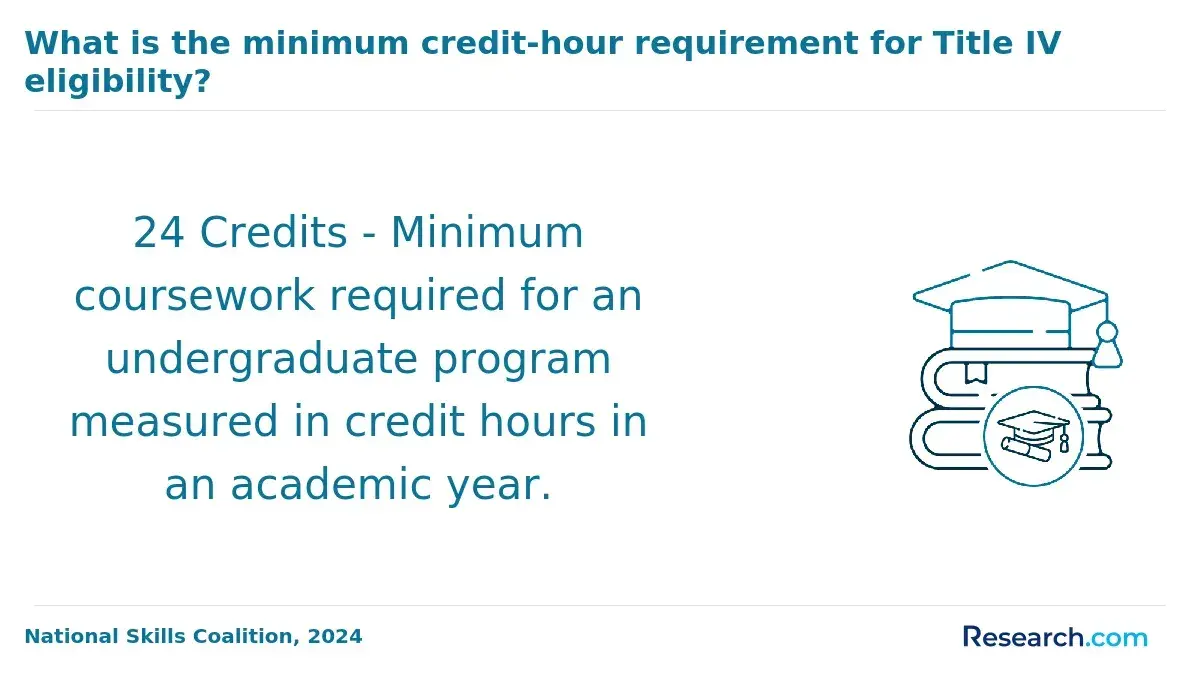
Educational prerequisites depend on the type of credential. For voluntary industry certifications, a degree may be helpful but not always mandatory. For PE-style licensure or state board review, applicants are usually evaluated more formally on degree type, credit hours, accreditation, transcripts, and alignment with approved technical coursework.
Licensing boards commonly review the following:
- Degree requirement: Most states mandate a bachelor's degree in computer science or a closely related field such as information technology or software engineering. For example, while California accepts degrees in mathematics to satisfy licensure criteria, Texas requires specifically computer science-focused degrees.
- Credit hours: Candidates often need to complete a minimum total of 120 semester credit hours, but the amount of computer science-specific coursework can vary. New York, for instance, requires a broader range of approved computer science credits than Florida, emphasizing more rigorous academic preparation.
- Accreditation and program approval: Licensing boards in states like Illinois evaluate whether degrees come from accredited institutions and may require completion of approved curricula or designated professional development courses. Accreditation helps boards judge whether the program met recognized academic quality standards.
- Transcript verification: Many states require official academic transcripts and detailed documentation to verify degree authenticity and relevance. States with stringent evaluation processes, such as Washington, may demand additional coursework for degrees earned from foreign or non-accredited colleges.
- Academic evaluation: Some boards conduct an in-depth review of the applicant's academic record to determine whether the coursework aligns with state standards.
Students who may pursue licensure later should prioritize accredited programs, keep syllabi and course descriptions, and avoid assuming that “computer science-related” coursework will automatically count. If affordability is a major factor, comparing options for the cheapest cs degree can help students control costs while still checking accreditation and curriculum fit.
Working adults should also evaluate flexibility, transfer credit, and online delivery carefully. Resources on the most affordable online colleges for working adults can help identify programs that may fit academic and professional constraints.
Are there differences in policies for Computer Science licensure exams across states?
Yes. Even when computer science-related licensure relies on standardized national exams, state boards may set different rules for eligibility, registration, retakes, waivers, documentation, and supplemental review. That makes exam planning a state-specific task, not just a national testing decision.
According to a 2025 industry survey, only 38% of states had defined licensure procedures specifically for computer science professionals, underscoring the lack of a single national model.
Key policy differences include:
- Exam types: Some states require competency-based assessments focused on practical skills, while others use traditional knowledge exams based on theory. For example, California emphasizes hands-on portfolio reviews, whereas Texas relies mainly on written tests.
- Attempt limits: Retake policies differ widely. New York allows multiple retakes within a year, while Florida caps attempts and enforces waiting periods before applicants may reapply.
- Exam waivers: Some states may grant waivers for candidates with extensive experience or recognized certifications, but waiver criteria are usually strict and not accepted uniformly nationwide.
- Theoretical versus practical emphasis: Some jurisdictions prioritize demonstrations of applied skill over written exams, reflecting the challenge of assessing fast-changing technical competencies.
- Application timing: States may require board approval before an applicant can sit for an exam, while others allow testing earlier and review the full application later.
Applicants should not register for an exam until they understand whether their state requires preapproval, whether experience must be completed first, and how long scores remain valid. If your career path overlaps with regulated infrastructure, construction technology, or project delivery, studying related regulated fields through a fast track construction management degree may also clarify how licensing systems operate outside traditional software roles.
How do minimum clinical or field experience hours vary by state for Computer Science graduates?
Computer science does not typically use “clinical hours” in the way healthcare professions do, but some licensure or certification pathways may require supervised field experience, documented professional practice, internships, or employer-verified work. These requirements are intended to show that the applicant can apply computing knowledge in real systems, teams, and risk environments.
The minimum number of hours ranges from about 500 in some states to as many as 1,200 in others. Depending on the jurisdiction, qualifying experience may include software development, IT project management, system design, cybersecurity, or database administration.
States may also differ in what counts:
- Internships: Some states allow internships to count if the work was supervised and clearly documented.
- Paid employment: Professional employment is often easier to verify because supervisors can confirm duties, dates, and technical scope.
- Remote work: Some boards may accept remote experience, while others expect stricter supervision or on-site verification.
- Self-employment: Independent consulting, freelance development, or startup work can be harder to document and may be excluded in stricter states.
- Research work: Academic or lab-based research may count only if it maps clearly to the board’s required competencies.
Some states, such as California and New York, provide more flexible options by allowing a combination of internships and professional employment to satisfy experience prerequisites. States like Texas and Florida require strictly supervised, on-site work and generally exclude hours accrued through self-employment or research activities.
Because security and data privacy are now central to many technology roles, most states now emphasize skills in security and data privacy within these experience requirements. Applicants should track hours, supervisors, project responsibilities, and technologies used from the start rather than trying to reconstruct records years later.
Are there states that require specific coursework requirements for Computer Science careers?
Yes. Some state boards require applicants to complete specific coursework rather than accepting any computer science degree at face value. According to data from the National Computing Board, 67% of states with computer science licensure or certification programs require explicit coursework.
Common required topics include:
- Programming fundamentals: States may require formal coursework in programming syntax, control structures, debugging, and basic development practices. States like California require formal coursework to demonstrate proficiency in these basics.
- Data structures and algorithms: These courses show that graduates understand efficient problem-solving, data organization, and computational trade-offs.
- Computer systems and architecture: Boards may review coursework covering hardware, operating systems, memory, processors, and low-level system behavior.
- Software engineering principles: Software design, testing, requirements, maintenance, and project management are often relevant because they connect academic knowledge to real-world development work. Texas tends to focus more on experience but still recognizes accredited coursework in this domain.
- Cybersecurity basics: Some states include cybersecurity fundamentals to ensure applicants understand common risks, controls, and mitigation strategies.
Most states prefer coursework completed through accredited universities and may look favorably on degrees recognized by organizations like ABET. Some states, however, allow board-approved certificates or continuing education to substitute for missing coursework, particularly for professionals renewing or updating credentials.
Before enrolling in extra courses, applicants should request written guidance or review the board’s approved course criteria. A course title alone may not be enough; boards may examine descriptions, credit hours, learning outcomes, and whether the course was upper-division or graduate-level. For comparison, ABA-approved online paralegal programs illustrate how professional education pathways can depend heavily on recognized curriculum standards.
What is the cost of licensure application for Computer Science across states?
Licensure application costs vary by state and by what the fee includes. Some states charge only for application review, while others bundle exam processing, background checks, license issuance, or administrative verification into the initial cost.
Examples of computer science license application fees across states include:
- California: The state charges around $250 for an initial application fee, which covers both application review and examination processing required for licensure.
- Texas: Applicants pay approximately $230, a fee that typically includes background checks along with exam administration costs.
- Florida: The fee is generally lower at about $150, mostly covering application processing without extensive additional costs.
- New York: With more comprehensive verification steps, New York's application fee can reach $300, reflecting the higher administrative demands.
- Ohio: Costs are around $200 here, usually covering both the initial licensure application and the license issuance itself.
Application fees are only part of the total cost. Applicants may also need to budget for exam fees, official transcripts, education evaluations, background checks, study materials, continuing education, renewal fees, and late penalties. Some states also impose continuing education or renewal fees, generally ranging from $50 to $150 per cycle.
Industry data indicates only 18% of computer science professionals pursue licensure, largely in states with stricter regulations or critical infrastructure roles. That means graduates should avoid paying for a licensure pathway unless it clearly supports their target occupation or state requirement. For professionals who need an advanced credential quickly, the quickest cheapest master's degree may be worth comparing with certification or licensure costs.
Is there a license reciprocity or compact agreement for Computer Science careers?
No broad interstate compact currently provides automatic license recognition for computer science careers. Unlike nursing or some other licensed fields, computer science is mostly unregulated at the state level, and formal state licensure is uncommon.
When licensure is required, usually for specialized software engineering or information security-related work, some states may offer licensure by endorsement. This means the applicant asks a new state to recognize an existing license from another state. Endorsement is not automatic. The receiving state can still review education, exams, work experience, references, disciplinary history, and whether the original license was substantially equivalent.
Computer science professionals relocating across state lines should prepare for three possibilities:
- No license required: Most jobs may continue to rely on degrees, experience, portfolios, and employer-selected certifications.
- License by endorsement available: The state may allow a shortened review process if prior credentials meet its standards.
- Full application required: The state may require additional documentation, exams, coursework, or supervised experience before granting recognition.
The absence of a reciprocity compact means professionals should keep detailed records: official transcripts, exam results, certification records, supervisor letters, project descriptions, continuing education certificates, and prior license history. These documents can reduce delays if a state board later asks for proof.
Approximately 85% of computer science professionals work in states without mandatory licensure, reflecting a decentralized system that can make mobility easier for many technology workers but more complicated for those in regulated engineering or critical infrastructure roles.
How does Computer Science licensure renewal vary across states?
Renewal rules vary by state, but most renewal systems focus on three questions: whether the licensee pays the renewal fee on time, completes required continuing education, and remains in good professional standing.
Renewals typically occur every one to three years, with a two-year cycle being most frequent. Fees generally fall between $50 and $150, although late renewals or reinstatements can cost more. For example, California requires a $100 fee plus a 50% surcharge if renewed late, while Texas imposes a $75 fee alongside a fixed $50 late penalty.
Continuing education requirements also differ. Many states require 20 to 30 hours of professional development per cycle. Some states, such as Florida and New York, demand up to 40 hours, whereas Oregon has scaled back requirements to 15 hours following recent legislation.
States may define acceptable continuing education differently. Some accept only accredited formal courses. Others may allow workshops, self-directed study, conference sessions, scholarly publications, or employer-provided training. Certain jurisdictions like Illinois include mandatory ethics training as part of their renewal criteria.
To avoid renewal problems, licensees should track continuing education throughout the cycle rather than waiting until the deadline. Keep certificates, agendas, provider names, completion dates, and course descriptions. If you hold credentials in more than one state, create a separate checklist for each jurisdiction because deadlines, ethics requirements, and accepted activities may not match.
One computer science professional who completed an online bachelor's program described the renewal process as more complex than expected: “Navigating these different requirements was more confusing than I expected. In one state, I had to submit proof of a specific ethics course, which I hadn't initially planned for.” He added that inconsistent deadlines and evolving continuing education demands “felt like juggling multiple hats while working full-time.” His experience shows why renewal planning is not just administrative—it protects the credential you already earned.
What Graduates Say About the Licensing Process in the Computer Science Industry
- : "“Going through the licensure process as a computer science graduate was both challenging and rewarding. I quickly realized that requirements can vary significantly from state to state, so researching local regulations was crucial. Having my certification not only enhanced my credibility but also opened doors to advanced career opportunities I hadn't anticipated.” — Polly"
- : "“Reflecting on my certification journey, I found that attention to detail and perseverance were key, especially since each state has its own evaluation criteria. The process deepened my understanding of professional standards and ethical considerations in computer science. Holding a license now gives me a solid foundation to confidently tackle complex projects and collaborate across industries.” — Aldo"
- : "“As a professional in computer science, earning my certification was a game-changer. I was pleasantly surprised by how the licensure process emphasized not just technical skills but also continuous learning and development. This experience highlighted the importance of staying current with evolving standards, which has made a significant impact on my career progression and professional network.” — Micah"
Other Things You Should Know About Computer Science Degrees
For 2027, additional certifications beyond a computer science degree vary by state. Some states may require specific certifications or examinations, such as the Certified Software Development Professional (CSDP), to fulfill licensure eligibility, aiming to ensure competency and skills relevant to industry standards.
In several states, licensed computer science professionals must complete continuing education units (CEUs) periodically to maintain their license. These requirements help ensure practitioners stay current with technological advances and industry standards. The frequency and type of continuing education vary by jurisdiction.
Some states require licensed computer science professionals, especially those involved in consulting or software development, to maintain professional liability insurance. This requirement helps protect both clients and practitioners from potential legal claims. The specifics regarding coverage amounts and proof submission differ across states.
Certain states include an ethics examination or mandate completion of an ethics-related course as part of the computer science licensure process. This ensures applicants understand professional responsibilities and legal considerations. While not universal, ethics components are considered a critical part of licensure in various jurisdictions.
References
- 9 reasons why getting into IT and pursuing IT certifications can be a great career choice - Access Computer Training https://accesscomputertraining.com/9-reasons-why-getting-into-it-and-pursuing-it-certifications-can-be-a-great-career-choice/
- Teacher Certification Requirements by State https://teach.com/careers/become-a-teacher/teaching-credential/state-requirements/
- 20 Necessary IT Certifications + Salaries I Skillsoft - Skillsoft https://www.skillsoft.com/blog/top-paying-it-certifications
- Professional Licensure for Computer Engineers and Software Engineers https://insight.ieeeusa.org/articles/professional-licensure-for-computer-engineers-and-software-engineers/
- Best Computer Certifications for Tech Professionals https://www.computerscience.org/degrees/certifications/
- Code.org Advocacy Coalition https://advocacy.code.org/additional-resources/
- Professional Engineer Licensing https://www.harborcompliance.com/engineer-license-requirements-registration
- Top 12 Computer Science Certifications - MentorCruise https://mentorcruise.com/certifications/computerscience/
- Criteria for Accrediting Computing Programs, 2025 - 2026 - ABET https://www.abet.org/accreditation/accreditation-criteria/criteria-for-accrediting-computing-programs-2025-2026/
- Computer Science and Technology Related Fields https://www.wes.org/evaluations-and-fees/professional-license-certification/computer-science-related/