2027 Computer Science Degree Completion Programs for Working Adults

Co-Founder and Chief Data Scientist
Finishing a computer science degree as a working adult is usually less about starting over and more about choosing a program that will count what you have already earned, fit around your schedule, and lead to a credential employers recognize. The wrong program can add unnecessary semesters, duplicate courses, or leave you with credits that do not transfer. The right one can turn prior college coursework, military training, certifications, and professional experience into a shorter path to a bachelor's degree.
This guide explains how computer science degree completion programs work, who they are built for, how online and hybrid formats compare, what accreditation matters, how to estimate true cost, and what career outcomes working adults can reasonably expect. It is designed for students with some college credit, veterans, career changers, and mid-career technology professionals who need a completed bachelor's degree for advancement, graduate school, or credential-gated roles.
According to recent studies, computer science graduates see a median salary increase of 40% within two years of degree completion. That potential return makes program selection especially important: credit transfer, tuition structure, academic support, and employer recognition can all affect whether the degree is practical, affordable, and worth the time commitment.
Key Things to Know About Computer Science Degree Completion Programs for Working Adults
- Maximizing credit for prior learning-such as military training or professional certifications-can reduce time to degree by up to 40%, supporting faster reentry into the tech workforce.
- Choosing programs recognized by employers and licensure bodies ensures degrees meet industry standards, enhancing job placement and eligibility for specialized roles.
- Working adults should explore tailored financial aid options-like employer tuition assistance and veteran education benefits-to alleviate costs without pausing their careers.
What Are Computer Science Degree Completion Programs, and Who Are They Designed For?
Computer science degree completion programs are bachelor's pathways for students who have already earned college credits but have not yet finished a degree. Instead of repeating a full four-year sequence, students typically complete the remaining general education, major, residency, and capstone requirements needed for a Bachelor of Science or Bachelor of Arts in computer science.
These programs are not the same as graduate programs. A master's degree generally requires a completed bachelor's degree for admission, while a completion program is designed to help students finish that undergraduate credential. They also differ from traditional first-year college pathways because they assume that the student may already bring transferable coursework, military learning, certifications, or substantial workplace experience.
Common features of computer science degree completion programs
- Upper-division focus: Many programs concentrate on advanced computer science courses after lower-division requirements have been satisfied through transfer credit.
- Accelerated pacing: Shorter terms or intensive modules can help adult learners make steady progress without waiting for a traditional semester cycle.
- Credit for prior learning: Schools may evaluate military training, professional certifications, prior college credits, or workplace learning to reduce the number of remaining credits.
- Flexible delivery: Evening, weekend, hybrid, and online formats make the degree more realistic for students who cannot attend weekday daytime classes.
- Adult-focused advising: Strong programs help students map exactly which credits count, which requirements remain, and how long the degree is likely to take.
Who these programs usually serve
- Adults with some college credits but no completed bachelor's degree.
- Military veterans who want ACE-reviewed training and prior coursework evaluated.
- Mid-career professionals who need a bachelor's credential for promotion, management tracks, or employer requirements.
- Career changers moving into software development, systems, cybersecurity, data, or related technology roles.
- Students who stopped out because of work, family, finances, or scheduling barriers and now need a more flexible route back.
Research from the National Student Clearinghouse, the American Association of State Colleges and Universities, and the Lumina Foundation shows that degree completion programs effectively increase graduation rates among adult learners, especially in STEM fields such as computer science. For students comparing cost, transfer flexibility, and federal aid eligibility, resources on online colleges that accept FAFSA can help frame affordability questions before enrollment.
How Do Computer Science Degree Completion Programs Differ From Traditional On-Campus Degree Programs?
The main difference is that degree completion programs are built around students who already have credits and adult responsibilities, while traditional on-campus programs are usually designed for first-time, full-time undergraduates. Both can lead to a recognized bachelor's degree in computer science, but the student experience, pacing, transfer rules, and scheduling expectations are often very different.
Key differences to compare
- Schedule: Completion programs often use online, hybrid, evening, weekend, or asynchronous coursework. Traditional programs more often rely on daytime weekday classes and in-person labs.
- Pace: Completion students may choose part-time, accelerated, or cohort-based pacing. Traditional students usually follow a semester sequence with fewer options to speed up or slow down.
- Credit use: Completion programs are typically more intentional about applying transfer credits, ACE-reviewed military learning, professional certifications, and prior learning assessments. Traditional programs may have stricter major residency and course-sequencing rules.
- Start dates: Many completion programs offer rolling or multiple start dates. Traditional programs usually begin in standard academic terms.
- Advising model: Adult-serving programs often provide degree audits, transfer planning, and work-friendly course maps. Traditional advising may be less specialized for students returning after a long break.
- Campus requirements: Completion programs may reduce or eliminate residency requirements, while traditional programs often expect regular campus attendance.
According to NCES and IPEDS data, enrollment in these completion programs has steadily increased over the last decade, reflecting rising demand among working adults. Traditional undergraduate enrollment remains sizable but grows more slowly.
The trade-off is that flexibility can require more self-management. An asynchronous course may fit a rotating work schedule, but it also demands discipline. An accelerated course can shorten the timeline, but it can make programming assignments, math-heavy topics, and group projects more intense. Before choosing a format, ask whether core computer science courses are offered frequently enough to avoid delays and whether required labs, exams, or capstones have set meeting times.
Students comparing technical fields may also review affordability and scheduling patterns in online engineering degree programs, since engineering and computer science programs often raise similar questions about accreditation, lab access, course sequencing, and transfer limits.
What Prior Credits and Experiences Count Toward a Computer Science Degree Completion Program?
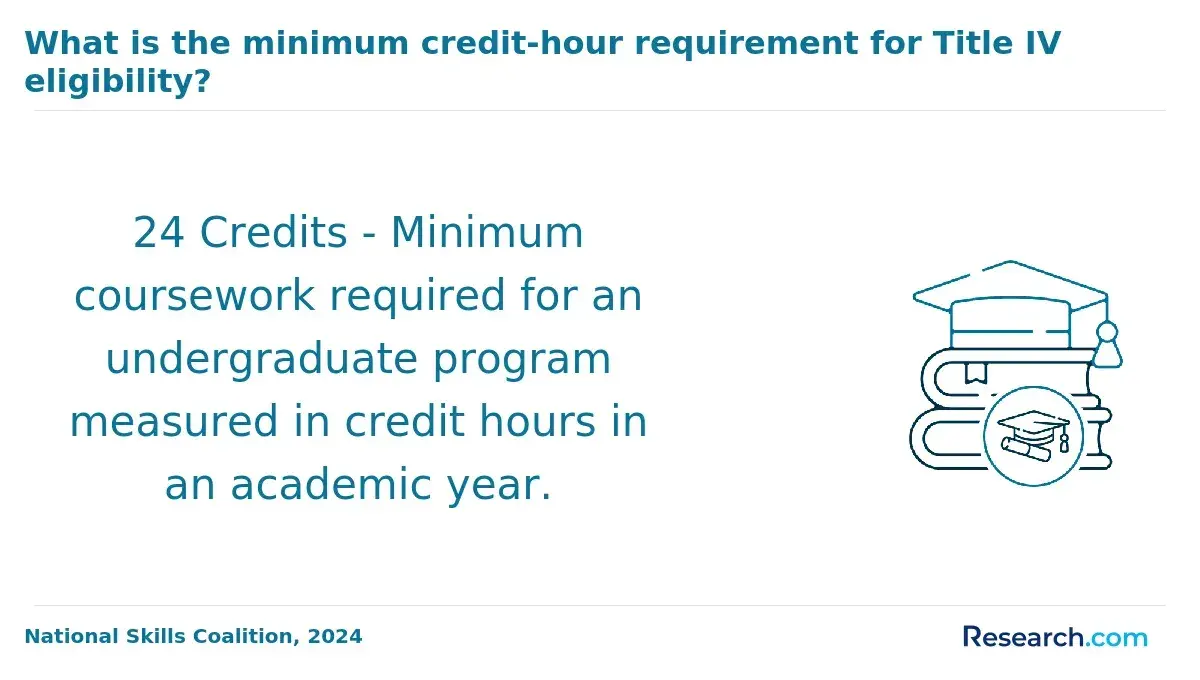
The credits that count depend on the receiving school, the age and level of the coursework, the grade earned, accreditation of the prior institution, and whether the course matches the new program's requirements. A generous transfer policy is valuable only if the accepted credits apply to your degree plan rather than sitting as unused electives.
Types of credit that may apply
- Prior college credits: Courses from regionally accredited colleges are commonly reviewed for transfer. General education classes, math, science, programming, and lower-division computing courses may satisfy degree requirements if they align with the curriculum.
- Military training credits: Many schools consider American Council on Education (ACE) credit recommendations for military technical training, leadership training, and occupational learning. Policies vary, so veterans should request a written evaluation before committing.
- Professional certifications: Credentials from providers such as Cisco, CompTIA, or Microsoft may sometimes translate into academic credit when they match course outcomes and institutional assessment standards.
- Prior Learning Assessment: PLA may award credit for documented workplace learning through portfolios, interviews, projects, or faculty review. This can be useful for experienced programmers, systems administrators, analysts, or cybersecurity professionals.
- Credit-by-examination: CLEP and DSST exams may help students complete foundational or general education requirements, but acceptance and score thresholds differ by school.
Questions to ask before enrolling
- What is the maximum number of transfer credits allowed?
- How many credits must be completed at the degree-granting institution?
- Do transferred programming, math, or systems courses expire after a certain period?
- Will accepted credits meet major requirements, general education requirements, or only electives?
- Is the credit evaluation official and binding, or only an estimate?
- Are certification, ACE, PLA, CLEP, or DSST credits eligible for financial aid calculations or residency requirements?
Credit policies vary broadly because both the original school and the receiving institution influence the outcome. The American Association of Collegiate Registrars and Admissions Officers (AACRAO) offers guidelines promoting fairness in evaluating transfer credits. According to research from the Council for Adult and Experiential Learning (CAEL), adults who leverage prior learning can cut degree completion time by up to half, often saving substantial costs and advancing careers more quickly.
A common mistake is applying before obtaining a detailed credit audit. Request official transcripts early, ask for a course-by-course evaluation, and compare the remaining requirements across multiple programs. A program with a lower tuition rate may cost more overall if it accepts fewer credits or requires duplicated coursework.
One recent computer science degree completer described the process this way: "Navigating transfer evaluations was stressful at first because understanding what military credits and certifications could count wasn't straightforward. It helped to engage early with advisors and request multiple assessments. Once my PLA portfolio was accepted, it felt like all the experience I'd gained finally mattered academically. The accelerated timeline wasn't just convenient; it was essential for balancing work, family, and finishing my degree."
Many computer science degree completion programs set a minimum cumulative GPA requirement, typically between 2.0 and 2.5 on a 4.0 scale. The requirement helps schools assess whether students are prepared for upper-division computer science coursework, which may include algorithms, operating systems, software engineering, databases, systems architecture, cybersecurity, or theory-heavy courses.
A GPA below the stated minimum does not always end the process. Some programs use conditional admission, probationary enrollment, placement testing, bridge coursework, or academic support plans. Others evaluate adult learners holistically by considering employment history, professional certifications, letters of recommendation, personal statements, and evidence of recent academic readiness.
Admissions options for returning adults
- Standard admission: Applicants meet the minimum GPA and credit requirements and enter directly into the program.
- Conditional admission: Students below the usual GPA threshold may enroll after agreeing to complete specific courses, maintain a required GPA, or use academic support services.
- Academic forgiveness or fresh-start policies: Some schools allow returning students to exclude older low grades from certain GPA calculations after a period away from college.
- Open or flexible admissions: Some adult-serving institutions place more emphasis on readiness, prior experience, or completion potential than on older academic records alone.
Many adult-serving programs balance GPA standards with flexibility, consistent with accreditation expectations from bodies such as the Higher Learning Commission (HLC). Still, students should not assume that every low grade can be ignored. Computer science major courses, math prerequisites, and recent technical coursework may receive closer review than unrelated electives.
Before applying, ask whether the program calculates GPA from all prior institutions, only transferable credits, only the last completed credits, or only courses that apply to the major. Students comparing adult-friendly admissions policies in other fields can see similar planning issues in a bachelor's degree in criminal justice program, where transfer credit, GPA history, and career goals also affect fit.
Computer science degree completion programs for working adults are usually structured to make steady part-time progress possible while students keep a full-time job. Many students work 40+ hours weekly, so strong programs avoid assuming that learners can attend daytime classes, commute several days per week, or complete unpredictable course schedules.
Common work-friendly formats
- Evening cohorts: Students attend scheduled classes after standard work hours, often with the same peer group each term.
- Weekend intensives: Courses meet in longer weekend blocks, which may work well for students who can reserve predictable days away from work.
- Asynchronous online courses: Students watch lectures, complete assignments, and participate in discussions on their own schedule within weekly deadlines.
- Hybrid formats: Coursework is mostly online, with occasional in-person sessions for labs, presentations, exams, or team projects.
- Accelerated terms: Shorter sessions can help students complete requirements faster, but they compress readings, coding assignments, and exams into fewer weeks.
Students typically take 6 to 9 credits per term. That course load can be manageable for many working adults while still supporting consistent progress. Taking more credits may shorten the timeline, but it can be risky in programming-heavy terms where assignments require debugging, project work, and sustained concentration.
Numerous programs use a cohort learning model, where students progress as a fixed group. This can create accountability, peer support, and a more predictable schedule. According to research from the National Student Clearinghouse Research Center, students enrolled in cohort-based completion programs show higher persistence and graduation rates compared to traditional enrollment methods.
What to verify before choosing a schedule
- Course cancellation policies: Ask how often required courses are canceled and whether cancellations delay graduation.
- Make-up options: Confirm what happens if work travel, overtime, illness, or family obligations conflict with a required session.
- Advisor availability: Working adults need access to advising outside standard business hours or through reliable virtual appointments.
- Assignment timing: Ask whether major deadlines cluster around weekends, business hours, or fixed exam windows.
- Capstone expectations: Project-based courses may require team meetings, presentations, or sponsor communication that affects scheduling.
One graduate described the cohort model as a source of structure during a demanding work period: "Balancing a full-time job with studies was daunting, but knowing I progressed alongside the same peers added motivation and a sense of solidarity." She said make-up options and advisor support helped her stay on track when unexpected overtime threatened to interrupt coursework.
Yes. Online and hybrid delivery are common in computer science degree completion programs because they are often designed for adults who cannot relocate or attend campus full time. Recent NCES data show about 65% of adult learners in these programs enrolled fully online and 25% choosing hybrid options. The pandemic expedited schools' adoption of robust online platforms, broadening access and enhancing program quality across disciplines.
The right format depends on how you learn, how predictable your work schedule is, and whether the program's technical requirements can be completed remotely. Students comparing flexible computing pathways may also look at online computer science degrees to understand how cost, delivery mode, and credit transfer policies differ across institutions.
Online and hybrid format options
- Synchronous online classes: Real-time video sessions allow live discussion and immediate instructor feedback. They can be valuable for complex topics but may conflict with shift work, caregiving, or time zone differences.
- Asynchronous online classes: Recorded lectures and flexible weekly deadlines give students more control over study time. This format requires strong self-management and comfort seeking help early.
- Hybrid programs: Hybrid delivery combines online coursework with occasional in-person requirements. It can support networking, labs, and presentations, but it may not be practical for students who live far from campus.
How to judge online program quality
- Faculty credentials: Confirm that instructors have appropriate academic preparation and relevant expertise in computer science.
- Student-to-faculty ratios: Smaller classes can improve access to feedback, especially in programming and project-based courses.
- Technical support: Ask whether support is available outside business hours for learning platforms, coding environments, virtual labs, and exam systems.
- Academic support services: Look for tutoring, advising, library access, career services, and writing support that are fully available to online students.
- Accreditation status: Verify that online students earn the same institutionally accredited degree as campus students.
- Assessment rules: Ask about proctored exams, required software, group projects, and any campus visits before enrolling.
Notably, hybrid computer science completion enrollment has grown by 20% since 2022, reflecting rising demand for programs that combine online convenience with some in-person engagement. For working adults, the strongest choice is usually the format that can be sustained for the full program, not merely the one that looks easiest in the first term.
The completion timeline depends mainly on how many credits transfer, how those credits apply to the computer science major, and whether the student enrolls part time or full time. Students entering with about 60 transfer credits, roughly two years of college coursework, usually take 2 to 3 years if enrolled part-time. Students with 90 credits, equivalent to three years, often finish in 1 to 2 years. Veterans and professionals with formal prior learning assessments may accelerate completion further, sometimes finishing in less than a year if enrolled full-time and their credits cover core requirements.
Factors that can shorten or lengthen the timeline
- Transfer credit fit: The number of accepted credits matters, but the fit matters more. Credits that satisfy major, math, science, or general education requirements shorten the path more than credits that count only as electives.
- Residency requirements: Many schools require students to complete a minimum number of credits through the degree-granting institution, even if they transfer in substantial coursework.
- Course sequencing: Computer science courses often build on prerequisites. A missing data structures, discrete mathematics, or programming requirement can delay access to upper-division courses.
- Enrollment intensity: Part-time enrollment can extend the timeline, while accelerated schedules can shorten it but require more weekly study time.
- Capstone, internship, or project requirements: These components often follow fixed schedules and may not be available every term.
- Course availability: If required upper-division courses are offered only once per year, one missed course can delay graduation.
- Financial aid pacing: Some aid packages require minimum enrollment levels, which can affect how many credits a student takes each term.
Students should ask each program for a documented plan based on their actual transcript, not a generic advertised timeline. A marketed minimum may assume that the student enters with nearly all lower-division and elective requirements already complete. For working adults, a realistic plan should include expected weekly workload, course availability, prerequisite gaps, and the effect of taking 6 to 9 credits per term.
Accreditation is one of the most important quality checks for a computer science degree completion program. It affects federal financial aid eligibility, transfer credit, graduate school admission, employer recognition, and the long-term value of the credential. Students should verify accreditation independently before applying or paying deposits.
Institutional accreditation
Regional accreditation: Regional accreditation is the most widely accepted form of institutional credentialing for computer science degree completion programs. Agencies include the Higher Learning Commission (HLC), Middle States Commission on Higher Education, and the Southern Association of Colleges and Schools Commission on Colleges (SACSCOC). Degrees from regionally accredited institutions are generally recognized by employers, graduate schools, and the federal student aid system.
National accreditation: Institutions accredited by bodies such as the Distance Education Accrediting Commission (DEAC) often focus on vocational or career-oriented education. National accreditation can be legitimate, but it may carry more transfer limitations than regional accreditation. Students who may later pursue graduate school, transfer again, or work for employers with strict degree requirements should examine this carefully.
Programmatic accreditation
Programmatic accreditation evaluates a specific academic program rather than the whole institution. For computer science and related technical programs, the Accreditation Board for Engineering and Technology (ABET) is the leading specialized accreditor for engineering and technology curricula. ABET accreditation may matter for certain employers, graduate programs, certifications, or roles that place special weight on program-level standards.
Other accreditors, such as ACBSP or AACSB for business programs and CSWE for social work, are not central to computer science degree evaluation. They may be relevant to other academic fields, but they do not substitute for appropriate computer science or institutional accreditation.
How to verify accreditation
- Use the U.S. Department of Education's Database of Accredited Postsecondary Institutions and Programs (DAPIP) to confirm institutional and program accreditation.
- Check whether the online or completion version of the program is covered by the same accreditation as the campus program.
- Ask whether the diploma or transcript differs for online, hybrid, or completion students.
- Confirm accreditation status directly with the accreditor if the school's claims are unclear.
- Avoid programs that cite accreditors not recognized by the U.S. Department of Education.
Unrecognized accreditation can create serious problems. Employers, graduate schools, licensing bodies, and federal aid systems may reject credentials from institutions with questionable or unrecognized accreditation. Working adults should be especially cautious because a low-friction admissions process is not worth the risk of earning a degree that does not meet employer or academic expectations.
For students considering digital career paths adjacent to computer science, a UX design online degree may provide a useful comparison point for evaluating accreditation, marketability, and program fit in technology-related fields.
The cost of a computer science degree completion program depends on tuition per credit, the number of credits remaining, fees, transfer credit, residency requirements, and whether the student qualifies for grants, employer support, military benefits, scholarships, or tax credits. The most important number is not the advertised tuition rate; it is the net cost to finish the remaining degree requirements.
Public regional universities generally charge between $300 and $500 per credit hour for in-state students, while private nonprofit schools average above $700. For-profit institutions may advertise competitive tuition rates but often include higher fees. Mandatory fees covering technology access, course materials, and residency intensives add approximately $1,000 to $2,500 annually, depending on program format and delivery style.
Financial aid and cost-reduction options
- FAFSA-based aid: Eligible students may qualify for federal grants, loans, or work-study. Pell Grants can provide partial support for eligible part-time students.
- Employer tuition reimbursement: Many employers cover part or all of tuition when coursework is related to the employee's role. Policies may require minimum grades, manager approval, or continued employment after reimbursement.
- Military education benefits: Military-affiliated learners may use GI Bill and MyCAA education benefits, which can significantly reduce out-of-pocket costs.
- Scholarships for adult learners: Some institutions offer awards for non-traditional students, returning adults, veterans, transfer students, or students in STEM fields.
- Credit for prior learning: Transfer credit, PLA, ACE-reviewed military credit, certifications, CLEP, and DSST exams may reduce the number of credits that must be paid for.
- Tax benefits: The Lifetime Learning Credit allows up to $2,000 annually to offset qualified educational expenses. Employer-provided educational assistance under IRS Section 127 permits tax-free tuition reimbursement up to $5,250 per year. Eligibility depends on income, filing status, and other tax rules, so students should consult a tax professional.
How to estimate the true cost
- Request an official transfer evaluation from each program.
- Confirm the exact number of remaining credits, including major, general education, elective, residency, and capstone requirements.
- Multiply remaining credits by tuition per credit.
- Add annual fees, technology fees, course materials, residency costs, and exam or proctoring fees.
- Subtract grants, scholarships, employer reimbursement, military benefits, and realistic tax benefits.
- Compare total net cost, not tuition rate alone.
For working adults, the cheapest program on paper is not always the least expensive path to graduation. A higher-tuition program that accepts more credits and offers predictable course availability may cost less than a lower-tuition program that requires extra semesters. Students researching other flexible adult pathways can review online SLP programs as another example of how structure, prerequisites, and aid affect the real cost of returning to school.
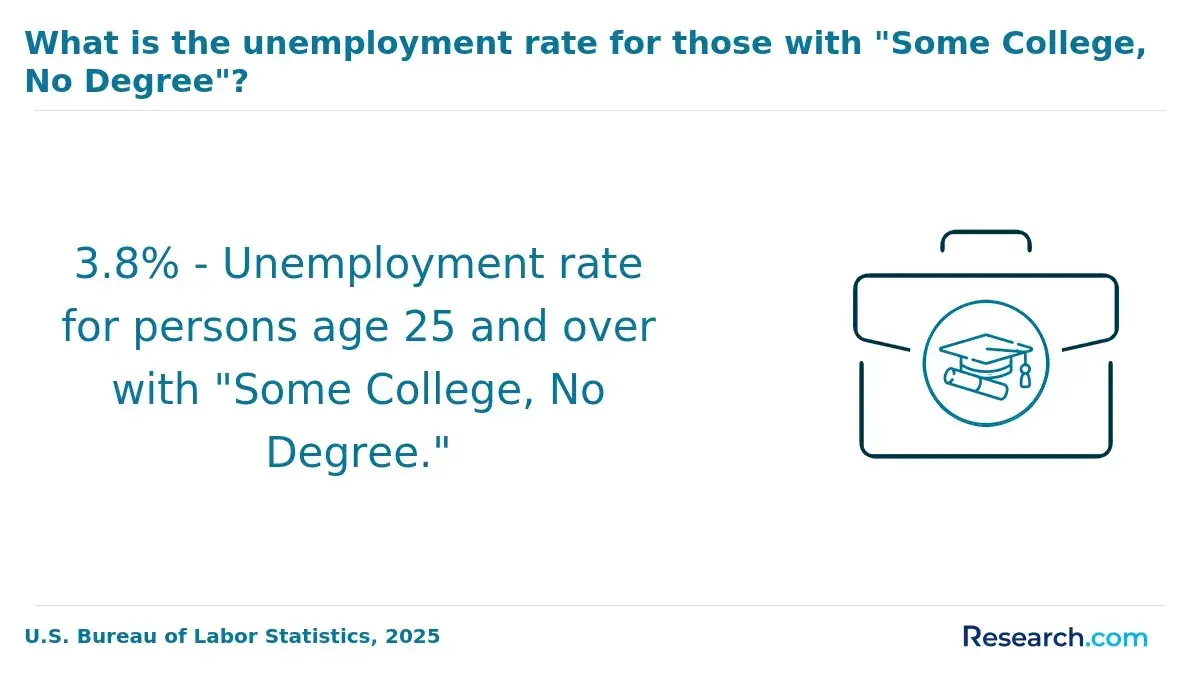
Completing a bachelor's degree in computer science can improve access to roles, promotions, salary growth, and graduate study options, especially for adults who already have professional experience. College Scorecard median earnings and BLS data show that the credential can carry labor-market value. Individuals finishing such programs often experience substantial salary increases, frequently exceeding 20%, compared to peers with some college but no degree.
Career outcomes vary by prior experience, location, portfolio strength, internships or projects, technical specialization, employer demand, and the reputation and accreditation of the institution. A degree alone does not guarantee a specific job title or salary, but it can remove barriers that prevent otherwise qualified workers from advancing.
Possible outcomes after completion
- Promotion eligibility: Some employers require a bachelor's degree for senior technical roles, team lead positions, management tracks, or internal salary bands.
- Access to credential-gated roles: Titles such as software architect, systems analyst, or cybersecurity expert may require or strongly prefer a completed computer science degree.
- Stronger career mobility: A completed bachelor's degree can make it easier to change employers, qualify for federal or corporate roles, or meet screening requirements in applicant tracking systems.
- Graduate school preparation: Students interested in master's programs may need a completed bachelor's degree from an accredited institution, along with prerequisite technical coursework.
- Better leverage of existing experience: Working adults may be able to combine professional history with the new credential, helping them avoid purely entry-level positioning.
- Salary premium: Consistent with Georgetown University Center research, bachelor's degree holders in computer science command higher median wages than those with partial postsecondary credits.
Students should connect their program choice to a target career outcome. For example, a software engineering goal may require strong project-based coursework and portfolio development. A cybersecurity path may require security electives, labs, and certification alignment. A future graduate student should prioritize accreditation, prerequisite rigor, and faculty support for recommendations.
Employers generally care more about the institution, accreditation, degree title, skills, experience, and interview performance than whether the student followed a traditional or completion pathway. Surveys from the Society for Human Resource Management (SHRM) and the National Association of Colleges and Employers (NACE) indicate that whether a degree includes credits earned through prior learning assessments or accelerated formats rarely affects hiring decisions.
In most cases, the diploma from an accredited institution does not state that the degree was earned through a completion program. The transcript may show transfer credits, course formats, or institutions attended, but that is common for many transfer students and returning adults.
How to present the degree to employers
- List the degree plainly: Use the official degree name, institution, and graduation date or expected graduation date.
- Do not overexplain the pathway: A completion program is a legitimate route to a bachelor's degree. Focus on the credential and relevant skills.
- Highlight adult-learner strengths: In interviews, the ability to complete a rigorous technical degree while working can demonstrate persistence, organization, and time management.
- Show evidence of skill: Projects, code samples, internships, work achievements, certifications, and measurable technical accomplishments often matter more than delivery format.
- Verify special requirements: Federal agencies following Office of Personnel Management (OPM) guidelines, regulated industries, state licensing boards, or graduate programs may scrutinize accreditation and degree requirements more closely.
Private-sector technology and business employers typically prioritize experience, technical ability, problem-solving, communication, and references. For returning adults, veterans with ACE credits, and career changers, a recognized computer science completion degree can strengthen credibility while allowing prior experience to remain central to the job search.
What Graduates Say About Computer Science Degree Completion Programs for Working Adults
- : "Choosing a program with strong accreditation standards gave me peace of mind that my degree would be respected by employers and peers alike. The flexible scheduling formats allowed me to balance my full-time job with coursework, and the clear credit transfer policies meant I did not have to retake classes I had already completed elsewhere. That saved me both time and money. —Apollo"
- : "The program worked for me because it was structured, not just flexible. Cohort groups and project-based learning helped me build skills I could use at work, while transparent cost information helped me avoid unexpected fees. The career support after graduation opened doors I had not expected, which made the effort worthwhile. —Aldo"
- : "My work hours were irregular, so I needed a program that let me progress steadily without forcing me into a traditional campus schedule. Accreditation mattered when I later discussed promotion opportunities, and understanding the credit transfer policy upfront helped me map the fastest realistic path to completion. —Micah"
Other Things You Should Know About Computer Science Degrees
Many computer science degree completion programs provide tailored support services to accommodate working adults. These include academic advising, career counseling, tutoring, and tech support for online learning platforms. Some programs also offer flexible scheduling and access to mentorship opportunities to help students balance work, study, and personal responsibilities effectively.
Credits earned in computer science degree completion programs often transfer toward graduate-level study, especially if the undergraduate program is accredited by a recognized agency. However, transfer policies vary by institution and graduate program, making it essential to verify credit acceptance with potential graduate schools before enrolling. Proper planning can save time and tuition costs for students pursuing advanced degrees.
Many completion programs require a final capstone or practicum instead of a full internship. Students usually complete a project in software development, cybersecurity, or data systems during the last term, often after earning 60 or more transferable credits and meeting upper-division major requirements.
- Criteria for Accrediting Computing Programs, 2025 - 2026 - ABET https://www.abet.org/accreditation/accreditation-criteria/criteria-for-accrediting-computing-programs-2025-2026/
- Computer Science Programs: Cost, Types, What to Expect https://www.computerscience.org/degrees/
- How I stayed organized whilst studying a Computer Science degree and working a job - DEV Community https://dev.to/yusufcodes/how-i-stayed-organized-whilst-studying-a-computer-science-degree-and-working-a-job-2b4p
- Preparing graduates for the tech industry https://www.bcs.org/deliver-and-teach-qualifications/academic-accreditation/
- 7 Things to Know Before Starting a Computer Science Degree https://www.griffith.ie/blog/7-things-know-starting-computer-science-degree
- How to Study Computer Science with a full-time job https://www.stonebridge.uk.com/blog/access-to-higher-education-diplomas/computer-science/how-to-study-computer-science-with-a-full-time-job/
- What Careers Can You Get With a Computer Science Degree? | CourseCompare.ca https://www.coursecompare.ca/computer-science-occupations-careers-jobs/
- Major differences between online and traditional college programs - Peterson's https://www.petersons.com/blog/major-differences-between-online-and-traditional-college-programs/
- What Can You Do With a Computer Science Degree? | Built In https://builtin.com/software-engineering-perspectives/computer-science-degree
- CS Degree While Working Full-Time https://hakia.com/resources/cs-degree-while-working/