2027 Cheapest Accelerated Computer Science Degree Programs Online

Co-Founder and Chief Data Scientist
An accelerated online computer science degree can be a smart path if you need a recognized credential quickly, but the cheapest option is not always the best value. The real decision is whether a program can help you finish faster without creating problems with accreditation, transfer credits, financial aid, employer recognition, or an unmanageable workload.
This guide is for working adults, transfer students, military-affiliated learners, career changers, and other nontraditional students comparing affordable online computer science programs. Over 77% of computer science graduates secure employment in high-paying tech roles within six months, so time to completion can affect both opportunity cost and return on investment.
Below, you will learn how low-cost accelerated programs are structured, what they may cost, how to verify legitimacy, which formats are fastest, how transfer credit and prior learning can reduce tuition, and what to check before enrolling.
Key Things to Know About the Cheapest Accelerated Computer Science Degree Programs Online
- Accelerated online computer science programs cut time and tuition through flexible scheduling, transfer credits, and fast-track formats-helping students finish degrees up to 50% faster than traditional paths.
- Comparing accreditation, total costs, financial aid availability, and hidden fees is crucial-affordable sticker prices often mask expensive technology and material charges.
- Verify transfer policies, pacing, residency requirements, and career or licensure outcomes before enrolling-low-cost programs vary widely in quality and professional value.
What Are the Cheapest Accelerated Computer Science Degree Programs Online?
The cheapest accelerated online computer science degree programs are usually found at public universities, competency-based institutions, community college transfer pathways, and adult-focused online schools with generous credit policies. The best options combine low tuition with fast pacing, clear transfer rules, and recognized accreditation.
Accelerated formats can reduce degree completion by up to 50%, but the savings depend on how many credits you bring in, how many courses you can handle per term, and whether the school charges by credit or by term. A program that looks inexpensive per credit may cost more if it rejects transfer credits or requires extra residency courses.
- Public State Universities: Public institutions often offer the lowest tuition for in-state students and may run year-round online terms. They are especially strong choices for students who already have community college credits or general education coursework that can transfer into a bachelor’s program.
- Competency-Based Programs: Competency-based programs let students move forward by proving mastery rather than waiting for a traditional semester to end. Schools such as Western Governors University use flat-rate tuition per term, which can lower costs for disciplined students who can complete more coursework in less time.
- Community College Transfer Pathways: Starting at a community college and transferring into an online bachelor’s program can reduce the total price of the degree. This route works best when the community college and university have an articulation agreement that clearly shows which courses count toward the computer science major.
- Online-Focused Private Universities: Some private institutions serve adult learners with condensed terms, frequent start dates, and streamlined online support. They may charge more than public universities, but flexible scheduling can reduce indirect costs, such as time away from work.
- Workforce-Aligned Education: Some regional and workforce-focused programs are designed for adults who need rapid upskilling. These programs may include credit for prior learning, industry-relevant coursework, and advising that helps students avoid unnecessary classes.
Students comparing computer science with other practical online majors may also review the easiest online degrees that pay well, especially if speed, affordability, and career mobility are priorities.
How Much Does an Accelerated Online Computer Science Degree Cost?
The cost of an accelerated online computer science degree depends on tuition model, residency status, transfer credits, fees, and how quickly you complete the program. Some institutions charge as little as $200 to $400 per credit hour for in-state students, but per-credit tuition is only one part of the total cost.
Students should calculate the full price before enrolling: tuition, technology fees, course materials, proctoring fees, graduation fees, repeated courses, and any credits that do not transfer. Accelerated programs can save money, but only when the shorter timeline does not require taking on an unrealistic course load.
- Per-Credit Pricing: In this model, students pay for each credit they take. Public universities often offer lower rates for in-state residents, and transfer credits can directly reduce the number of credits billed.
- Flat-Rate Tuition Models: Some competency-based schools charge one price per term. This can be cost-effective for students who can complete several courses in a term, but less efficient for students who need a slower pace.
- Transfer Credit Savings: Transfer credits can lower both tuition and time to graduation. Before applying, ask for a preliminary transfer review and confirm how many credits will count toward the major, not just electives.
- Public vs. Private Costs: Public universities are often cheaper for in-state students because of state funding. Private online schools may cost more but can be worth considering if they accept more transfer credits or offer scheduling that fits full-time work.
- Online Program Efficiency: Online programs can reduce commuting and relocation costs. However, students should still budget for software, hardware, internet access, and any required virtual lab tools.
If affordability is your main filter, compare the total degree cost rather than only the advertised tuition rate, and review options for the cheapest computer science degree online alongside accelerated formats to see which path offers the better overall value.
Students considering affordable online options in related fields may also find that a library degree offers cost-conscious pathways with flexible online study.
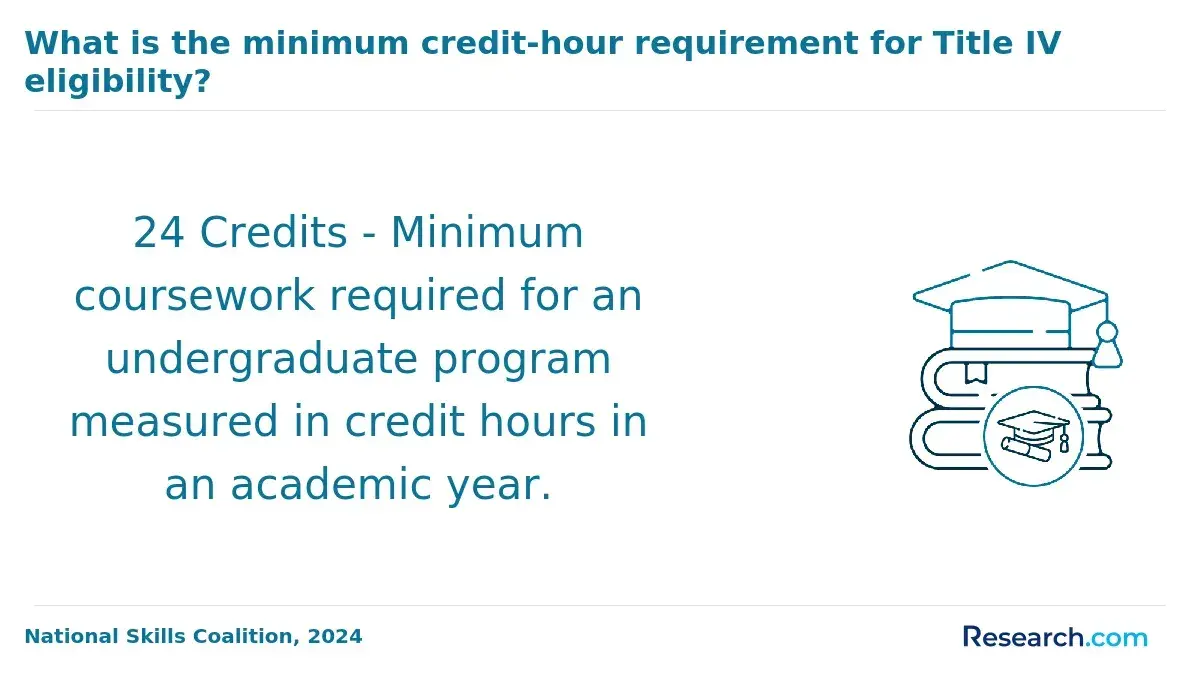
Are Cheap Accelerated Computer Science Degree Programs Accredited and Legitimate?
Yes, cheap accelerated online computer science programs can be legitimate, but students must verify accreditation before enrolling. A low tuition price is not a warning sign by itself. The warning signs are unclear accreditation, poor transfer policies, vague outcomes, pressure-based admissions, and limited disclosure of total costs.
Online higher education enrollment has grown by over 20% in recent years, making it more important for students to distinguish recognized degree programs from weak or risky options. Accreditation affects federal financial aid eligibility, credit transfer, graduate school admission, and employer confidence.
- Institutional Accreditation: Look for accreditation from an agency recognized by the U.S. Department of Education and CHEA. This is the baseline indicator that the institution meets academic and administrative standards.
- State Authorization and Oversight: Reputable online programs comply with state authorization rules and consumer protection requirements. This matters when students enroll across state lines.
- Program-Specific Accreditation: ABET accreditation can provide additional assurance that a computer science curriculum meets technical and professional standards. Not every legitimate computer science program has ABET accreditation, but it can be valuable for some technical roles and graduate pathways.
- Federal Aid Eligibility: Eligibility for federal financial aid generally reflects that the institution meets required standards. Students should still compare debt, graduation requirements, and program outcomes before borrowing.
- Employer Recognition: Employers typically focus on the institution’s legitimacy, the student’s skills, projects, internships, and experience. A low-cost online degree can be respected when it comes from an accredited school and is supported by strong technical work.
- : "Balancing work and study required a lot of discipline, and I was initially skeptical about the value of a cheaper accelerated program. But knowing my school had regional accreditation gave me confidence, especially when employers asked about my degree's legitimacy. Completing it on my own terms proved you can find affordable education that's both respected and rigorous."
What Are the Fastest Online Computer Science Degree Programs?
The fastest online computer science degree programs are usually competency-based, transfer-friendly, or built around short terms and year-round enrollment. The fastest path is not the same for every student. A student with prior college credits, certifications, or technical work experience may finish much sooner than a first-time college student starting from zero credits.
With online learning enrollment growing annually by over 10%, more schools now offer formats designed for working adults who need a shorter route to graduation. The most common fast-track models include the following.
- Competency-Based Education: Students progress by demonstrating mastery of required skills and concepts. This model is best for self-directed learners who already know some programming, databases, systems, or mathematics. Competency-based degrees can often be finished in one to two years by students who enter with substantial prior learning.
- Transfer-Friendly Programs: These programs accept a large number of previous credits and apply them efficiently toward degree requirements. They are often the fastest option for adults who completed general education or lower-division courses years earlier.
- Year-Round Enrollment and Short Terms: Programs with multiple start dates and accelerated 8-week courses reduce waiting time between terms. This can help students maintain momentum, although the workload can be intense.
- Prior Learning Assessment: Some schools award credit for professional experience, military training, certifications, or portfolio-based evidence. This can reduce the number of required courses and shorten the timeline.
When comparing fast programs, look beyond the advertised completion time. Ask how many credits are required after transfer evaluation, whether major courses are offered every term, and whether prerequisites can delay progress. Students interested in how accelerated online formats work in other fields may compare similar structures in programs such as the PsyD.
Which Online Computer Science Degree Programs Are Best for Working Adults?
The best online computer science degree programs for working adults offer flexible scheduling, predictable workloads, strong advising, and policies that recognize prior credits or experience. Affordability matters, but so does whether the program can realistically fit around a job, family responsibilities, and changing weekly demands.
With online programs growing nearly 10% annually, many schools now design accelerated options specifically for adult learners. The strongest programs usually include the following features.
- Asynchronous Learning: Asynchronous courses let students watch lectures, complete assignments, and participate in discussions without fixed meeting times. This is often the best option for students with variable shifts, caregiving duties, or travel-heavy jobs.
- Competency-Based Programs: Students who already have technical skills may benefit from competency-based formats because they can move quickly through familiar material. This model requires discipline and consistent progress without the structure of weekly class meetings.
- Transfer-Friendly Schools: Working adults often have previous credits from community colleges, unfinished bachelor’s programs, military training, or certifications. A transfer-friendly school can prevent students from paying to repeat coursework.
- Flexible Part-Time Options: Not every adult learner should choose the fastest pace. Part-time enrollment can improve persistence for students balancing demanding work schedules or family responsibilities.
- Career-Relevant Support: Strong programs help adults translate coursework into employable skills through projects, career advising, portfolio development, and access to technical support.
- : "I could tailor my study sessions around my busiest days. The asynchronous format mattered most when family emergencies and work projects collided, and the transfer-friendly credit evaluation saved months of coursework."
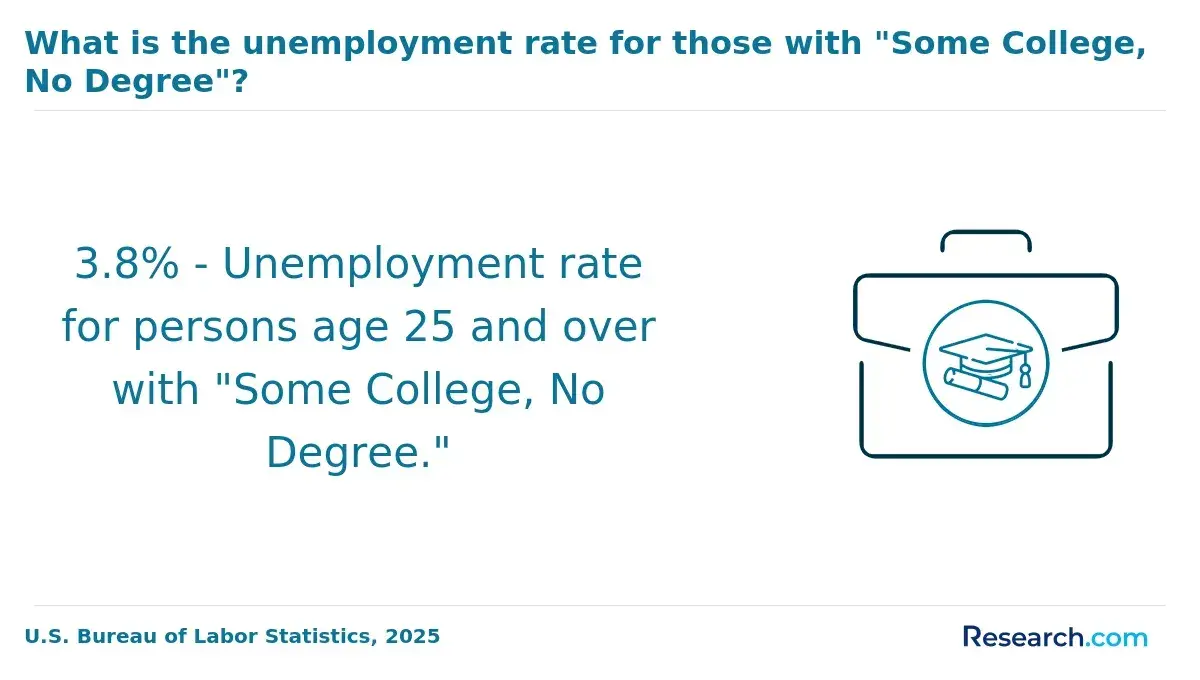
What Flexible Scheduling Options Are Available in Accelerated Computer Science Programs?
Accelerated computer science programs use several scheduling models to help students move faster while balancing work and personal responsibilities. Nearly 40% of adult students cite time management as a key factor in enrollment decisions, so the right format can determine whether a student persists or stops out.
The main scheduling options differ in structure, flexibility, and workload intensity.
- Asynchronous Coursework: Students complete lectures, readings, assignments, and discussions on their own schedule within weekly or module-based deadlines. This provides the most flexibility but requires strong self-management.
- Synchronous Evening or Weekend Classes: Live online meetings outside standard work hours provide real-time interaction with instructors and classmates. This is useful for students who want structure but cannot attend daytime classes.
- Competency-Based Progression: Students advance after showing mastery of required competencies. This format can accelerate completion for students with prior knowledge, but progress depends heavily on motivation and available study time.
- Rolling Start Dates and Short Terms: Multiple start dates and condensed terms, often lasting 8 weeks, reduce downtime between courses. The trade-off is that assignments, projects, and exams come quickly.
- Part-Time Enrollment Pathways: Part-time plans extend the calendar but may be more sustainable for students working full time. A slower pace can also reduce the risk of failing or withdrawing from expensive courses.
Before choosing a schedule, ask how many hours per week each course typically requires, whether programming labs have fixed deadlines, and what happens if work or family obligations force you to reduce your course load.
Which Accelerated Computer Science Degree Programs Accept the Most Transfer Credits?
The accelerated programs that accept the most transfer credits are usually adult degree-completion programs, public university transfer pathways, military-friendly institutions, and competency-based schools with formal prior learning policies. Transfer students make up nearly 40% of all undergraduate enrollments nationwide, so many institutions now compete on how efficiently they evaluate previous learning.
A generous transfer policy can reduce tuition and shorten completion by months or even years. However, students should pay attention to where credits apply. Credits that count only as electives may not reduce major requirements or graduation time.
- Community College Articulation: Many universities partner with accredited community colleges through formal agreements that guarantee transfer of up to 75% of general education and lower-division credits. This is one of the clearest ways to avoid lost credits.
- Military-Friendly Policies: Military-focused institutions may evaluate Joint Services Transcripts, ACE recommendations, DSST exams, and related training. These policies can help service members and veterans convert documented learning into degree progress.
- Competency-Based and PLA Models: Some programs recognize workforce certifications such as CompTIA or Cisco credentials and may offer prior learning assessment through portfolios or exams. This can be valuable for IT professionals moving into computer science.
- Adult Degree-Completion Tracks: Adult-focused online programs often reduce residency requirements, sometimes to just 25% of credits. This means students may be able to transfer a large portion of the degree while completing the remaining upper-division or major coursework online.
Before enrolling, request a written transfer evaluation. Confirm the maximum number of transferable credits, the minimum credits that must be completed at the institution, whether old STEM courses expire, and whether transferred credits satisfy computer science prerequisites.
Can Prior Learning or Work Experience Reduce the Time and Cost of a Computer Science Degree?
Yes. Prior learning, work experience, military training, certifications, and previous college coursework can reduce the time and cost of a computer science degree when the school has clear policies for evaluating them. Approximately 70% of adult learners transfer credits or apply prior learning assessments to accelerate degree completion.
This is especially useful for working adults, transfer students, military-affiliated learners, and career changers who already have technical or academic experience. The main options include the following.
- Transfer Credits: Students can apply previous college credits toward general education, electives, prerequisites, or sometimes major requirements. The biggest savings occur when credits apply directly to required courses rather than only free electives.
- Competency-Based Education: Competency-based programs allow students to demonstrate what they already know through assessments. This can reduce time spent in courses that repeat familiar material.
- Examination Credit: CLEP, DSST, and similar exams may allow students to test out of certain foundational requirements. These exams are most commonly useful for general education courses, but policies vary by school.
- Military Training and Certifications: Military transcripts, professional certifications, and workforce training may be evaluated for credit. Computer science programs may be more selective about applying these credits to technical major requirements.
Students should verify residency requirements, accreditation, credit limits, portfolio fees, and whether prior learning credits affect financial aid status. Combining transfer credits, exams, and prior learning assessment can make an accelerated program substantially more affordable, but only if the credits fit the degree plan. Students comparing practical credentials in other fields may also review a certified bookkeeper program as another example of career-focused, cost-conscious education.
What Financial Aid Options Are Available for Online Computer Science Students?
Online computer science students may qualify for federal grants, federal loans, institutional scholarships, employer tuition assistance, military benefits, and savings from transfer credits. About 60% of online students rely on federal grants or loans to finance their education, so aid eligibility should be part of the program comparison process.
The most useful financial aid options include the following.
- Federal Grants and Loans: Federal Pell Grants and Direct Loans may be available to eligible students based on financial need, enrollment level, and institutional eligibility. Pell Grants do not require repayment, while loans do.
- Institutional Scholarships: Accredited schools may offer scholarships for online, transfer, adult, or accelerated students. Ask whether scholarships are renewable and whether they apply to summer or accelerated terms.
- Employer Tuition Assistance: Many working adults use employer reimbursement or tuition assistance. Students should confirm grade requirements, annual limits, repayment obligations, and whether the employer requires continued employment after reimbursement.
- Military Education Benefits: Veterans, active-duty service members, and eligible family members may use GI Bill®, Tuition Assistance, and related military benefits for approved online programs.
- Transfer Credit Optimization: Transfer credits are not financial aid, but they can reduce the number of courses students must pay for. This can be one of the most effective ways to lower total degree cost.
Students with complicated academic histories should compare admissions and aid policies carefully. Resources on online schools that accept low GPA may help applicants identify institutions with flexible pathways while still checking accreditation and aid eligibility.
What Should Students Look for When Choosing an Affordable Accelerated Computer Science Program?
Students should look for an affordable accelerated computer science program that is accredited, transparent about total cost, generous but clear about transfer credits, realistic in workload, and strong in student support. Nearly 60% of adult learners use transfer credits to shorten completion times, making credit evaluation one of the most important steps before enrollment.
Use the following criteria to compare programs before applying or committing to tuition payments.
- Accreditation and Legitimacy: Confirm institutional accreditation through a recognized accreditor. If ABET accreditation matters for your career goals, check whether the specific computer science program has it.
- Total Cost Transparency: Compare tuition, required fees, technology costs, course materials, exam fees, and graduation fees. Ask whether accelerated terms affect financial aid disbursement or billing.
- Transfer Credit Policies: Request a written transfer evaluation. Check the maximum transfer allowance, minimum residency requirement, age limits on STEM credits, and whether certifications or exams can reduce requirements.
- Scheduling Fit: Match the format to your life. Asynchronous courses are flexible, synchronous courses provide structure, competency-based programs reward self-direction, and part-time plans may be safer for students with heavy work obligations.
- Academic and Technical Support: Online computer science students need access to tutoring, coding support, faculty help, library resources, advising, and reliable technical assistance.
- Career Preparation: Look for project-based coursework, portfolio support, internship guidance, employer connections, and career advising aligned with software development, data, cybersecurity, systems, or other target roles.
- Graduation Requirements: Review prerequisites, math requirements, capstones, required labs, and course sequencing. A program advertised as accelerated may still take longer if key courses are offered infrequently.
The best affordable program is the one that minimizes unnecessary cost while preserving degree value. Do not choose based on speed alone; choose the program you can complete successfully and explain confidently to employers.
What Do Students Say About Cheap Accelerated Online Computer Science Degree Programs?
- : "Balancing a full-time job made me hesitant to pursue a degree, but the flexible schedules offered by accelerated computer science programs completely changed the game for me. Being able to study at my own pace, especially during evenings and weekends, allowed me to stay on track without sacrificing my work commitments. Plus, several affordable options meant I didn't have to stress over mounting tuition costs while advancing my career. —Apollo"
- : "As someone switching careers later in life, I found financial aid opportunities crucial in making an accelerated computer science degree online accessible. Many programs offered scholarships and grants tailored specifically for online students, which eased the financial burden significantly. My advice is to thoroughly explore these options to find the right combination of affordability and quality education. —Aldo"
- : "Choosing an affordable accelerated computer science program was essential since I'm a nontraditional student managing family responsibilities. What stood out to me was how programs prioritize cost-effectiveness without compromising curriculum rigor, allowing me to finish faster and save money overall. The option to enroll in competitively priced online courses helped me focus on learning rather than debt. —Micah"
Other Things You Should Know About Computer Science Degrees
Many accelerated computer science degree programs online incorporate virtual labs and simulation tools to provide hands-on learning experiences. These platforms allow students to practice coding, software development, and networking exercises remotely, mirroring what traditional labs offer. Some programs may also require short on-campus residencies or partnerships with local facilities for lab work.
Yes, most reputable accelerated computer science programs include internships or capstone projects to help students gain real-world experience. Affordable online programs often collaborate with businesses or use virtual project platforms to facilitate these opportunities. This practical exposure supports skill development and enhances employability after graduation.
Affordable accelerated programs typically provide academic support through online tutoring, writing centers, and technology help desks. Some schools offer peer mentoring or virtual study groups to aid with challenging computer science concepts. Despite the faster pace, the availability of these resources helps students stay on track and succeed.
References
- Best Online Computer Science Degrees 2026 | UoPeople https://www.uopeople.edu/blog/best-online-computer-science-degrees/
- Top 5 Accelerated Computer Science Degree Online for 2026 https://www.computerdegreesonline.org/accelerated-computer-science-degree-online/
- Most Affordable Computer Science Degree Programs Online https://careerkarma.com/blog/cheapest-online-computer-science-degree/
- Federal Student Aid Options for Your IT Career https://www.mycomputercareer.edu/admissions/financial-aid/federal-student-aid-options/
- How Prior Learning Can Help Students Accelerate Into the Future of Work https://www.cael.org/resouces/pathways-blog/how-prior-learning-can-help-students-accelerate-into-the-future-of-work
- 15 Fastest Online Master's in Computer Science - Computer Science Degree Hub https://www.computersciencedegreehub.com/best/fastest-online-masters-in-computer-science/
- How to choose a bachelor's in computer science | edX https://www.edx.org/resources/how-to-choose-a-bachelors-in-computer-science
- IT Scholarships: Your Chance for a Funded Tech Degree https://code.berlin/en/blog/it-stipendien/
- How to Get a Computer Science Degree Fast and Cheaply https://victoramartinez.com/posts/how-to-get-a-bscs-efficiently/