2027 Instructional Design Transfer Credit Trends: How Schools Are Adapting for Adult Learners

Co-Founder and Chief Data Scientist
Maria, a military veteran returning to civilian life, learns that 40% of her previously earned credits won't transfer to her chosen instructional design program, forcing her to reconsider her graduation timeline and budget. This reflects a 2024 study by the National Student Clearinghouse, which found that transfer credit acceptance rates vary widely-particularly for adult learners with diverse academic histories. Institutions increasingly tailor credit policies to balance rigor with flexible pathways, yet inconsistencies create obstacles for students like Maria. Understanding these shifting trends matters for anyone seeking to leverage prior learning efficiently while navigating the real costs and tradeoffs involved.
This article examines how schools adapt transfer credit practices in instructional design, helping readers assess current trends and make strategic decisions to complete their programs faster and more affordably.
Key Things to Know About Instructional Design Transfer Credit Trends for Adult Learners
- Expanded acceptance of military and workforce credits reflects a shift toward valuing practical experience, but inconsistent evaluation standards may limit credit awarded, affecting completion timelines for adult learners.
- Technology-enabled transcript reviews expedite credit evaluations, reducing administrative delays but requiring institutions to balance automation with nuanced judgment about course relevance, influencing transfer student success.
- Increased recognition of alternative credits, such as prior learning assessments, lowers financial barriers and accelerates degree pathways, yet some employers remain cautious about these credits' equivalency in skills validation.
- Key Things to Know About Instructional Design Transfer Credit Trends for Adult Learners Key Things to Know About Instructional Design Transfer Credit Trends for Adult Learners
- How Are Instructional Design Programs Changing Transfer Credit Policies for Adult Learners? Evolving Adult Transfer Policies
- Why Are More Instructional Design Schools Accepting Credit for Prior Learning and Work Experience? Prior Learning Credit Benefits
- How Do Instructional Design Colleges Evaluate and Award Transfer Credits Today? Transfer Credit Evaluation Process
- Which Alternative Credits Are Most Commonly Accepted by Instructional Design Programs? Accepted Alternative Credits
- How Are Instructional Design Schools Improving Transfer Pathways for Community College Students? Improved Community College Pathways
- How Can Transfer Credits Help Instructional Design Students Graduate Faster? Accelerating Degree Completion
- How Much Money Can Students Save Through Instructional Design Transfer Credit Opportunities? Cost Saving Through Transfers
- How Are Instructional Design Programs Supporting Military Students and Workforce Learners Through Transfer Credits? How Are Instructional Design Programs Supporting Military Students and Workforce Learners Through Transfer Credits?
- What Transfer Credit Innovations Are Shaping the Future of Instructional Design Education? What Transfer Credit Innovations Are Shaping the Future of Instructional Design Education?
- How Can Adult Learners Maximize Transfer Credits in a Instructional Design Program? Maximizing Your Transfer Credits
How Are Instructional Design Programs Changing Transfer Credit Policies for Adult Learners?
Instructional design programs are recalibrating transfer credit policies to better accommodate adult learners by recognizing a wider range of prior learning experiences, including military service, workforce training, and competency-based assessments. This shift reflects an operational emphasis on reducing redundancies in coursework, which can shorten time-to-degree and lower costs for students balancing education with professional or personal obligations.
However, tradeoffs persist as programs must balance rigor and accreditation standards, often leading to inconsistent credit acceptance, especially when distinguishing between foundational theory and technical skills. For example, a military-affiliated student might receive credit for leadership or training courses but still face delays if their technical instructional design skills are deemed insufficiently aligned with program expectations.
These adaptations are particularly relevant for transfer students navigating articulation agreements that increasingly facilitate credit mobility between two- and four-year institutions. Instructional design programs now commonly integrate alternative credit pathways and more adaptive transcript evaluation processes, streamlining degree completion for those who transfer from community colleges or hold prior qualifications.
A 2024 National Center for Education Statistics report highlights that about 62% of adult learners transfer credits from various sources, underscoring the need for flexible policies that do not simply mirror traditional transfer models. Despite improvements, eligibility requirements and institutional differences still require students to carefully assess how specific programs honor their credits to optimize course sequencing and affordability. For those seeking efficient pathways, especially working professionals, exploring available options such as medical assistant programs near me can provide insight into how accelerated, credit-conscious models are evolving in broader fields.
Why Are More Instructional Design Schools Accepting Credit for Prior Learning and Work Experience?
The increasing acceptance of prior learning and work experience by instructional design programs reflects strategic shifts in higher education that go beyond merely loosening transfer policies. Institutions are responding to the practical realities adult learners face, particularly balancing education with ongoing careers and family obligations, by integrating alternative credentials such as military training, industry certifications, and documented competencies into curriculum pathways. This approach serves both enrollment and completion metrics by reducing redundant coursework and accelerating degree timelines, although it requires nuanced assessment standards to maintain academic quality and relevance.
According to the Lumina Foundation, 72% of institutions award credit for prior learning, but fewer than half have specialized frameworks tailored to instructional design, revealing ongoing challenges in aligning experiential learning with institutional degree requirements and employer expectations.
Instructional design programs evaluate nontraditional credits through competency-based assessments, portfolio reviews, and mapping professional experience to curricular outcomes, a process that can be complex and resource-intensive for schools. The tradeoff for students lies in navigating inconsistent policies and ensuring sufficient documentation to meet institutional standards, which may delay credit recognition despite reducing overall time to degree.
Employers increasingly emphasize demonstrated skills over formal credentials alone, pressuring programs to balance rigor with flexibility while supporting student persistence. For many working professionals and military-affiliated learners, leveraging prior learning credits can substantially lower the financial and temporal barriers to completion, but it demands careful planning amid varied institutional interpretations of equivalency and transferability.
One learner who transitioned from a military training background into an instructional design bachelor's program described a cautious optimism around credit transfer. The student initially faced uncertainty over which military courses and certifications the institution would accept and how portfolio evidence of applied instructional skills might factor into their evaluation.
The administrative process required gathering detailed syllabi and validation letters, causing frustration but also relief when several credits were eventually awarded, enabling a more direct path to degree completion. This experience highlights the nonuniform nature of credit acceptance and the importance of proactive documentation and communication for adult learners seeking to capitalize on prior learning within instructional design programs.
How Do Instructional Design Colleges Evaluate and Award Transfer Credits Today?
Evaluating transfer credits in instructional design programs has shifted from a routine administrative task into a strategic function that directly impacts enrollment and student success. Colleges now scrutinize prior coursework by comparing course content, learning outcomes, and accreditation status, often placing greater weight on credits from regionally accredited institutions.
For example, a working professional transferring from a community college may find foundational general education credits accepted readily, yet specialized instructional design courses frequently require alignment with specific program outcomes and may only transfer as elective credit. This nuanced approach reflects a balance between maintaining academic rigor and recognizing diverse educational and experiential backgrounds.
Incorporating credit-for-prior-learning policies has become instrumental, particularly for military-affiliated students and adult learners with relevant certifications or professional experience. These policies allow institutions to convert nontraditional learning—such as military training approved by the American Council on Education—into academic credit, potentially limiting redundant coursework and accelerating degree completion.
Yet, transfer articulation agreements remain critical for clarifying credit pathways, especially between community colleges and four-year institutions, streamlining student mobility and academic planning. Data from a 2024 National Center for Education Statistics report indicates that 68% of colleges employ technology-assisted evaluation tools, improving consistency but also emphasizing the importance of detailed course documentation and early planning to maximize credit applicability.
Which Alternative Credits Are Most Commonly Accepted by Instructional Design Programs?
Alternative credit acceptance has become a strategic approach to enhancing accessibility and expediting degree completion for adult learners in instructional design programs, rather than merely a transfer policy adjustment. Commonly accepted credits include credit for prior learning (CPL), military training evaluated through standardized frameworks, and standardized exams like CLEP and DSST, but real-world transfer often hinges on nuanced institutional policies such as residency requirements, course equivalency, and limits on upper-division credit acceptance. For instance, a working professional with military training and industry certifications may find their credits partially recognized, yet must still navigate program-specific restrictions that impact how quickly they progress toward graduation.
According to a 2024 report by the Council for Adult and Experiential Learning, over 70% of colleges with instructional design offerings accept some form of CPL, underscoring widespread institutional acknowledgment of experiential learning's value. Acceptance of alternative credits, including competency-based assessments and workforce certifications, is subject to accreditation standards and rigorous review to maintain academic integrity. This evolving landscape affects transfer credit policies for adult learners in instructional design by influencing affordability and degree completion timing, requiring careful transfer planning to align with both academic goals and employer expectations.
Students should analyze how alternative credits apply to degree requirements, balancing flexibility and rigor, particularly when employer preferences may tilt toward traditional coursework over credentials like a certified coding specialist certification or similar recognitions. Ultimately, understanding these tradeoffs is critical for making informed decisions that translate learning outside the classroom into tangible academic progress without unexpected delays or credit loss.
How Are Instructional Design Schools Improving Transfer Pathways for Community College Students?
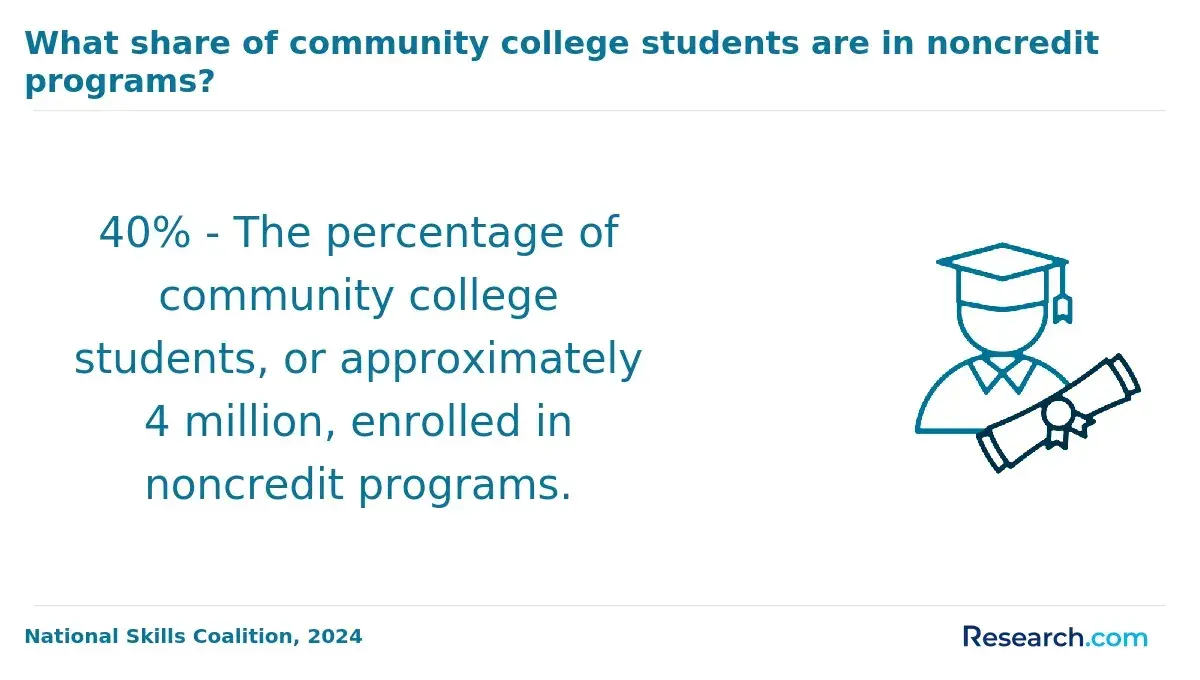
Improving transfer pathways has become essential for instructional design programs aiming to reduce the significant credit loss and extended time to degree observed among many community college transfer students. According to the National Student Clearinghouse Research Center, nearly 40% of transfer students forfeit credits, which elongates degree completion and increases costs.
In response, schools have developed articulation agreements and transfer-friendly degree maps that clarify course equivalencies and standardize credit evaluation. These strategies, complemented by dual-admission partnerships and prior learning assessments, help maintain academic momentum and make degree paths more accessible, but students must still navigate institutional variability and plan carefully to avoid unexpected credit denials or course repetition.
Advising support tailored to transfer students plays a critical role in guiding course selection and application processes, thus reducing transfer shock caused by misaligned credits. Digital transcript evaluation tools have accelerated credit review timelines, yet discrepancies remain in credit applicability, underscoring the need for students to assess specific program policies closely. While these adaptations can shorten degree timelines and offer more flexible pathways, they do not guarantee seamless credit transfer, requiring students to weigh potential tradeoffs between speed, cost, and credential relevance within the instructional design field.
One community college student pursuing instructional design experienced uncertainty throughout the transfer process despite having completed relevant coursework in educational technology and curriculum theory. Initial contradictory information about credit acceptance prompted the student to seek extensive advising and carefully compare degree plans.
After submitting transcripts for digital evaluation and confirming articulation agreement coverage, the student cautiously anticipated credit recognition that would avoid retaking foundational courses, ultimately alleviating concerns about prolonging degree completion. This scenario highlights the nuanced planning and institutional negotiation often required to optimize transfer outcomes in instructional design programs.
How Can Transfer Credits Help Instructional Design Students Graduate Faster?
Transfer credit benefits for instructional design students depend heavily on how well institutions align prior coursework with specialized degree requirements. While many adult learners bring credits from community colleges or other universities, the value of these credits fluctuates based on articulation agreements, residency mandates, and whether courses meet upper-division or program-specific competencies.
For instance, a working professional transferring credits earned years ago may still face additional coursework if foundational instructional design content or newer technologies are not covered in prior classes, extending rather than shortening their timeline. This dynamic underscores the critical need for proactive credit evaluation and strategic enrollment planning, especially for those balancing employment and education.
Faster degree completion through transfer credits in instructional design is also influenced by recognition of non-traditional learning avenues, such as Prior Learning Assessment (PLA) and applicable certifications. Military-affiliated students or adult learners who leverage documented professional experience may reduce time to degree by supplementing formal credits with validated real-world skills. However, institutional limitations remain: some credits may be denied or accepted only partially if they lack rigorous academic equivalency or recent relevance, requiring supplemental courses and slowing progress.
Navigating these tradeoffs is essential for affordability and timely degree completion, making it prudent to choose transfer-friendly programs that clearly articulate credit policies and support flexible course sequencing. For those comparing diverse credential options, including workforce training or medical assistant classes online, understanding how transfer pathways vary by field is vital.
How Much Money Can Students Save Through Instructional Design Transfer Credit Opportunities?
Transfer credit acceptance in instructional design programs can significantly impact the total cost and duration of degree completion, but the financial benefits depend heavily on institutional policies. Many programs cap transfer credits at 50% to 75% of required credits and enforce strict equivalency standards that limit the acceptance of unrelated coursework or lower grades.
For example, a working professional leveraging credits from military training or prior career experience might save between $5,000 and $10,000, reflecting not only waived tuition but also reduced time away from employment. Yet, residency rules often require completing a minimum number of credits on-site, restricting the extent to which transferred credits expedite graduation.
While transfer and prior learning credits can reduce course repetition and shorten enrollment periods, these savings are frequently offset by lost credits due to mismatches between prior coursework and program demands. A 2024 study by the American Council on Education found that about 15% of submitted transfer credits are routinely rejected, forcing some students into unexpected additional semesters.
This reality underscores the importance of thorough academic advising to navigate program-specific credit policies effectively. For adult learners and military-affiliated students, strategically evaluating credit acceptance is essential to align educational investment with realistic timelines and professional commitments within instructional design pathways.
How Are Instructional Design Programs Supporting Military Students and Workforce Learners Through Transfer Credits?
Instructional design programs have adapted transfer credit policies to better serve military students and workforce learners by rigorously evaluating prior nontraditional learning. Military training credits are frequently assessed using frameworks like the American Council on Education's (ACE) Military Guide, enabling students to translate specialized occupational experiences into academic credit. This approach can significantly decrease redundant coursework and shorten degree-completion timelines, yet the extent of credit applicability varies widely across institutions, often complicating academic planning for transfer students aiming to maximize credit articulation.
Workforce learners benefit from the inclusion of prior learning assessments (PLAs) that convert professional certifications, apprenticeships, and workplace training into credits applicable to instructional design curricula. According to the National Center for Education Statistics (NCES), students who utilize PLA pathways see approximately a 30% reduction in time to degree, underscoring the practical value of these evaluations for adult learners balancing professional commitments. However, inconsistencies in how institutions recognize these credentials can fragment transfer efficiency, placing the onus on students to navigate complex credit acceptance policies that influence remaining coursework and eligibility for degree completion.
Many universities also expand articulation agreements with community colleges and workforce development agencies, creating clearer pathways for learners transitioning into four-year instructional design programs. While flexible, competency-based degree options align with workforce schedules and offer alternatives for degree completion, they require careful quality assurance to maintain employer confidence in instructional design competencies. Military-affiliated and workforce students must weigh the tradeoffs between credit acceptance variability and the potential acceleration of their educational goals when selecting programs, recognizing that policy nuances directly impact overall educational accessibility and long-term career outcomes.
What Transfer Credit Innovations Are Shaping the Future of Instructional Design Education?
Emerging transfer credit policies are reshaping access and degree mobility for adult learners in instructional design education by leveraging technology-driven credit assessment methods for adult learners, particularly through AI-assisted transcript evaluation. This innovation has cut credit review times by up to 40%, allowing transfer students and working professionals to navigate program requirements more efficiently. However, institutions must balance the efficiency gains with maintaining academic quality and accreditation standards, as rapid AI evaluations can obscure nuanced credit equivalencies, creating uncertainties that affect long-term completion strategies.
Competency-based education and expanded credit for prior learning pathways offer practical alternatives for adult learners whose skills and experiences may not align with traditional course credit. While this approach can significantly shorten time-to-degree, variability in credit acceptance and inconsistent integration of digital credentialing across institutions complicate transfer planning. Military-affiliated students also face uneven credit recognition despite expanded efforts, which continues to fragment pathways and impacts workforce readiness.
For students evaluating degree options, understanding these complex transfer pathways alongside articulated agreements between colleges is critical—particularly when considering programs related to how to become a pharmacist or other regulated fields requiring clear credential verification.
How Can Adult Learners Maximize Transfer Credits in a Instructional Design Program?
Adult learners seeking to maximize transfer credits in an instructional design program must navigate institutional policies that often impose credit caps and variable course equivalency standards, affecting time-to-degree and academic flexibility. For instance, a student transferring credits from a community college and a military training background may find that while foundational education courses easily transfer, specialized instructional design content often does not, necessitating new coursework that aligns with employer expectations for current skills.
Data from the National Student Clearinghouse shows nearly 60% of adult transfer students successfully leverage prior credits when programs feature clear evaluation procedures and articulation agreements, emphasizing the need to select schools with formal credit partnerships and dedicated transfer advisors to optimize credit recognition and reduce redundancy.
Credit for Prior Learning (CPL) is a critical strategy, enabling conversion of military training, workforce certifications, and experiential learning into academic credit, though learners must anticipate that these credits usually cover no more than 25% to 30% of degree requirements, requiring strategic blending with transfer credits. Effective use of degree-mapping tools is essential for aligning transferred credits with specific instructional design concentrations, as misalignment can extend time to completion and increase costs.
Adult learners balancing transfer credit limits and course relevancy should prioritize upfront transcript evaluations to weigh tradeoffs between transferred coursework and new program demands, reflecting practical realities of programs adapting to maximize accessibility without compromising rigor. Understanding these dynamics is crucial for making informed decisions, especially for those weighing options asking questions like "What degree do you need to be an athletic director?" in parallel professional pathways.
References
- How To Design Training That Works Using Adult Learning Principles https://www.neovation.com/learn/adult-learning-principles
- Teaching and Learning Within a Guided Pathways Framework https://cccse.org/ESAL/framework
- 4 Ways Transfer Students Can Maximize College Credits for Prior Experience https://www.umassglobal.edu/blog-news/4-ways-transfer-students-can-maximize-college-credits-prior-experience
- Instructional Design Strategies for Adult Learning https://www.aptaracorp.com/learning-and-instructional-design-strategies-for-adult-learners/
- College Credit Transfer to Stretch Savings Further https://www.collegesavings.org/college-credit-transfer-to-stretch-savings-further
- The Importance of Understanding Transfer Credit Policies https://www.sophia.org/blog/higher-education/understanding-transfer-credit-policies/
- How Prior Learning Can Help Students Accelerate Into the Future of Work https://www.cael.org/resouces/pathways-blog/how-prior-learning-can-help-students-accelerate-into-the-future-of-work
- Advanced Instruction Design Reshaping the Future of Adult Learning https://www.liberateglobal.com/blogs/advanced-instruction-design-reshaping-the-future-of-adult-learning
- Credit Resources https://www.ccsdetroit.edu/admissions/transfer-admissions/credit-resources/
- Want Affordable College Credit? Here’s How to Maximize Savings Without Sacrificing Quality https://www.straighterline.com/blog/affordable-college-credit-maximize-savings
Other Things You Should Know About Instructional Design
While accepting transfer credits can accelerate degree completion, it risks fragmenting the instructional design curriculum if prior coursework varies widely in focus or depth. Programs that accept broad transfer credit without rigorous alignment may lead to gaps in essential competencies, weakening graduates' preparedness. Students should prioritize programs that critically assess course equivalency and maintain core instructional design principles to ensure a coherent and comprehensive learning experience that meets employer expectations.
Many transfer credits come from older or less specialized courses that may lack current instructional design theory and technology applications. Relying heavily on transfer credits might limit exposure to emerging digital tools, user experience strategies, and agile methodologies critical for today's workplace. Prospective students should weigh faster progression against potential missed learning in cutting-edge methods, especially if career advancement depends on familiarity with the latest instructional design trends.
Transfer credits can reduce the total coursework, but adult learners often face a paradox: fewer required classes may increase intensity in remaining courses, as programs focus more deeply on advanced, project-based learning. This can mean concentrated time demands despite fewer credits, challenging working professionals to balance study, job, and personal commitments. Careful inquiry into course structure and workload expectations is vital for realistic planning and sustained success.
Employers prioritize demonstrable skills and relevant experience over the quantity of transferred courses, but excessive reliance on transfer credits without completion of core program components can raise concerns about practical readiness. Degrees that integrate transfer credits while preserving rigorous, hands-on learning are viewed more favorably, especially when supplemented by portfolios or internships. Students should target programs that combine credit transfer with applied opportunities ensuring alignment with evolving industry standards.