2027 How Employers Are Changing Hiring Criteria for Instructional Design Graduates in the AI Era

Co-Founder and Chief Data Scientist
Imagine a recent instructional design graduate preparing to enter a job market where a diploma no longer guarantees distinction. Employers increasingly demand skills that surpass traditional credentials, including adaptability and AI literacy. According to a 2024 report from the U. S. Bureau of Labor Statistics, over 40% of hiring managers now prioritize candidates' abilities to work alongside AI tools, reflecting a swift shift in workforce expectations. This data underscores that mastering new technology and demonstrating practical problem-solving have become crucial for standing out in instructional design roles.
As AI reshapes industries, hiring criteria for instructional design graduates are evolving beyond academic achievements to emphasize transferable skills and digital fluency. This article examines these shifting demands, the growing importance of AI literacy, and effective strategies students and early-career professionals can adopt to stay competitive in the AI era. Understanding these trends is vital for those aiming to build sustainable careers in an increasingly automated workplace.
Key Things to Know About the Changing Hiring Criteria for Instructional Design Graduates in the AI Era
- AI integration demands advanced data analysis within instructional design, shifting employer focus from content creation to strategy, meaning graduates must prioritize skills in AI-driven learner analytics for job viability.
- With 68% of L&D employers in 2024 seeking AI literacy, candidates lacking fluency in AI tools face narrower opportunities, underscoring the strategic advantage of technical adaptability alongside pedagogy.
- Employers increasingly value hybrid skills combining creative design and AI competence; graduates demonstrating this duality outperform peers, reflecting market preference for candidates who bridge technology and learner experience.
- Key Things to Know About the Changing Hiring Criteria for Instructional Design Graduates in the AI Era Key Things to Know About the Changing Hiring Criteria for Instructional Design Graduates in the AI Era
- How Is AI Changing What Employers Look for in Instructional Design Graduates? How Is AI Changing What Employers Look for in Instructional Design Graduates?
- Which AI Skills Are Employers Expecting Instructional Design Graduates to Have? AI Skills
- Which Human Skills Are Employers Looking for in Instructional Design Graduates? Human Skills
- How Are AI Tools Changing Daily Work in Instructional Design Careers? AI Workplace Tools
- How Are Employers Evaluating Instructional Design Candidates Beyond Academic Credentials? Hiring Criteria
- How Are Instructional Design Degree Programs Adapting to AI? AI Curriculum
- Which Industries Are Changing Hiring Expectations Most for Instructional Design Graduates? AI and Industry Expectations
- How Is AI Changing Career Growth for Instructional Design Professionals? AI and Career Growth
- How Should Instructional Design Students Prepare for AI-Driven Hiring? Career Preparation
- How Should Students Choose a Instructional Design Program for the AI Era? How Should Students Choose a Instructional Design Program for the AI Era?
How Is AI Changing What Employers Look for in Instructional Design Graduates?
The integration of artificial intelligence into workplace learning has fundamentally shifted the criteria employers use when hiring instructional design graduates. Rather than valuing only traditional technical skills, such as curriculum development and learner assessment, organizations now prioritize proficiency in AI-driven skills employers seek in instructional design graduates, including the ability to leverage adaptive learning platforms and automate content creation. For instance, a corporate L&D team might prefer a candidate capable of using AI tools to analyze real-time learner data and dynamically tailor training modules, enhancing engagement and effectiveness beyond static course design.
Instructional design hiring trends influenced by artificial intelligence reveal a growing demand for candidates who can collaborate with AI technologies to augment creative problem-solving and support ethical data handling, rather than simply replace routine tasks. The U.S. Bureau of Labor Statistics highlights that expertise in AI literacy, data analytics applied to education, and an understanding of AI ethics are becoming baseline expectations. Employers now seek instructional designers with a mindset attuned to continual tech adoption combined with foundational design principles, as human insight remains indispensable for interpreting AI outputs and maintaining empathetic, learner-centered strategies.
Which AI Skills Are Employers Expecting Instructional Design Graduates to Have?
Artificial intelligence is reshaping workplace expectations, especially for instructional design graduates. Employers increasingly prioritize practical AI competencies alongside traditional instructional design expertise because AI enables faster content development, improved learner engagement, and more precise data-driven decision-making. Instructional designers who grasp AI tools can collaborate effectively on complex projects like intelligent tutoring systems or adaptive learning platforms, positioning themselves as strategic partners rather than just content creators.
Graduates who fail to demonstrate applied AI proficiency risk being overshadowed in a job market that rewards technological fluency. Below are five AI skills employers now expect instructional design graduates to develop and apply:
- Machine Learning Data Analysis: Employers want graduates who can interpret learner data using machine learning algorithms to identify patterns and optimize course design. This skill helps reduce trial-and-error approaches and enhances personalization. Students can build this competency by practicing with real datasets and exploring platforms that integrate machine learning for educational analytics.
- AI-Driven Authoring Tools: Familiarity with cutting-edge content creation software powered by AI significantly shortens development timelines and improves interactivity. Employers expect designers to not only use these tools efficiently but also to evaluate their effectiveness in meeting learning objectives. Hands-on experience through specialized workshops or internships is crucial for gaining proficiency.
- Natural Language Processing (NLP): Understanding NLP enables instructional designers to create adaptive, conversational learning environments, such as chatbots or virtual tutors, that respond meaningfully to learner inputs. This competency is vital for enhancing user engagement and accessibility. Students should familiarize themselves with basic NLP techniques and tools to incorporate dynamic content strategies into their projects.
- Collaboration with AI Specialists: Instructional designers are increasingly collaborating with AI professionals to co-develop learning management systems enriched with AI capabilities. Employers value graduates who can translate pedagogical goals into technical requirements and communicate effectively across disciplines. Building interpersonal and project management skills alongside technical knowledge is essential for success in these roles.
- Predictive Analytics and Sentiment Analysis: The ability to apply predictive models and sentiment analysis helps organizations anticipate learner needs and adjust instructional strategies proactively. This skill leads to more nuanced learner support and retention. Engaging with case studies and simulation tools related to predictive analytics will strengthen this competency.
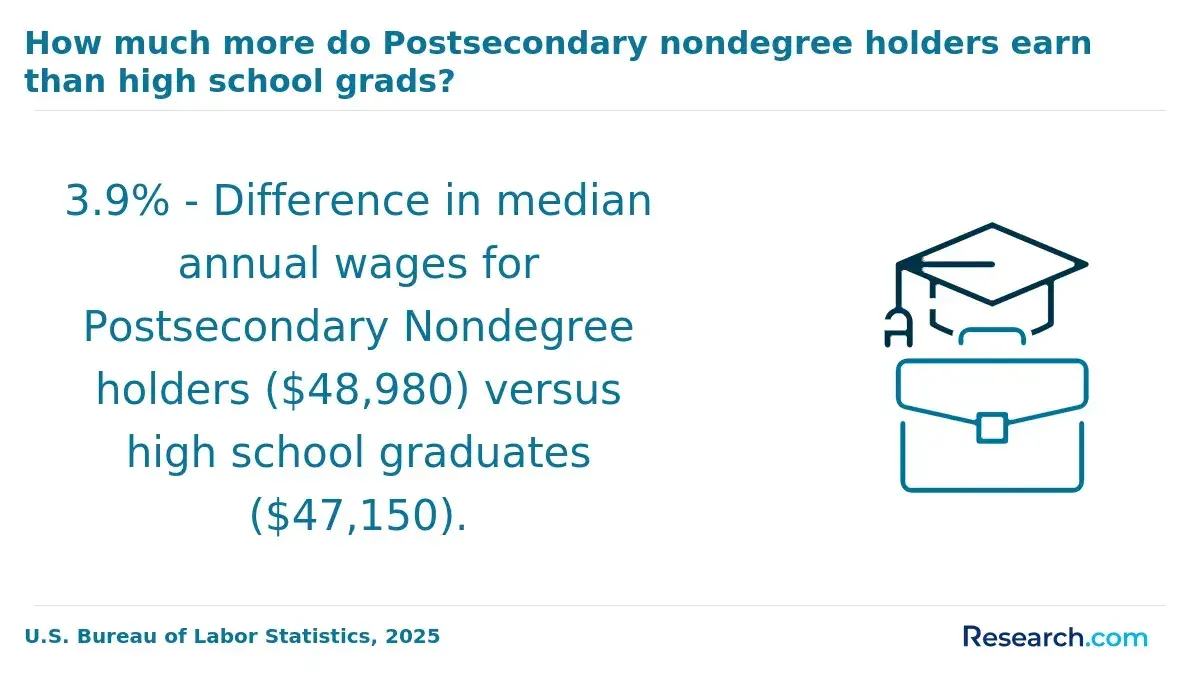
Recent labor market reports from the U.S. Bureau of Labor Statistics show that instructional design roles with advanced AI integration skills tend to command a slight wage premium despite overall modest wage growth in the field. For students considering further education, pursuing an online PhD in nursing or related fields can offer opportunities to deepen AI and analytics expertise in a cross-disciplinary context, which is increasingly valued in instructional design careers that intersect with healthcare education and training.
Which Human Skills Are Employers Looking for in Instructional Design Graduates?
Artificial intelligence is rapidly automating routine instructional design tasks such as content generation and course assembly, which shifts employer focus toward skills that rely on human judgment and creativity. As AI handles more predictable functions, uniquely human abilities that integrate technological fluency with emotional intelligence and ethical awareness have gained prominence.
For instructional design graduates, developing these complementary skills is key to remaining relevant and effective in dynamic, AI-enhanced workplaces. The following five human skills increasingly define the competitive edge in instructional design careers:
- Critical Thinking and Problem Solving: Employers value the ability to interpret complex learning needs and design adaptive solutions that AI cannot generate independently. Graduates should practice real-world scenario analysis and reflective problem decomposition to sharpen this skill, vital for tailoring personalized learning experiences.
- Interpersonal Communication: Collaboration with subject matter experts, stakeholders, and learners requires emotional intelligence and clarity. This skill bridges the gap between technical tools and human understanding, so students benefit from engaging in multidisciplinary projects and active listening exercises.
- Adaptability and Continuous Learning: The fast pace of AI and educational technology innovation demands flexibility and a proactive mindset. Instructional designers enhance employability by embracing ongoing professional development and staying current with emerging tools and methodologies.
- Ethical Judgment and Cultural Sensitivity: Creating inclusive content that mitigates AI biases is essential to uphold fairness and social responsibility. Graduates should cultivate awareness of diverse learner backgrounds and engage in ethics-focused training to meet these expectations.
- Creative Content Integration: While AI can generate foundational materials, assembling engaging multimedia and interactive elements requires a creative touch. Developing skills in storytelling, visual design, and learner engagement strategies allows graduates to complement AI capabilities effectively.
One instructional design graduate recalled feeling uncertain when assigned to a project replacing traditional training manuals with AI-assisted modules. The challenge lay not in using the technology but in interpreting varied learner feedback that did not align with AI-generated assessments. Initially overwhelmed, the graduate prioritized refining communication with both learners and technical teams, ultimately creating adaptive content that responded to nuanced needs. This experience reinforced the vital role of human insight and empathy as irreplaceable anchors amid AI-driven processes.
How Are AI Tools Changing Daily Work in Instructional Design Careers?
Recent data from the U.S. Bureau of Labor Statistics and the National Center for Education Statistics in 2024 reveal that over 70% of instructional designers now rely on AI-powered tools for tasks such as content creation, learner analytics, and tailoring course experiences. These technologies automate repetitive processes like quiz generation and adapt learning paths dynamically, freeing professionals from routine duties to concentrate on higher-order challenges. For example, an instructional designer might use AI to draft initial learning modules rapidly, then apply their expertise to refine and customize these materials, ensuring they meet pedagogical goals and learner needs effectively.
This shift redefines the instructional design role, with employers placing growing emphasis on candidates who can integrate AI-driven insights alongside traditional skills. As AI accelerates data analysis and informs decision-making, professionals are expected to critically evaluate and ethically oversee AI-generated outputs, balancing automation benefits with human judgment. Mastery of AI tools now complements creative problem-solving, strategic course planning, and collaborative development, marking a move from pure execution toward a blend of technological fluency and instructional expertise.
Workplace trends underscore that instructional designers adept at AI-enhanced platforms not only boost productivity but are also better positioned to innovate in learner engagement and knowledge retention. The National Education Technology Plan 2024 highlights that embracing AI literacy contributes to continuous skill evolution, a crucial factor as the field adapts to rapid technological change. Ultimately, success in this landscape demands both agility in technology use and a deep understanding of educational principles to harness AI without sacrificing quality or ethical responsibility.
How Are Employers Evaluating Instructional Design Candidates Beyond Academic Credentials?
Employers are increasingly evaluating instructional design candidates beyond traditional academic credentials by focusing on concrete evidence of applied skills and adaptability. A 2024 report from the Society for Human Resource Management highlights that over 65% of hiring managers prioritize practical abilities, AI literacy, and adaptability over formal degrees alone. Candidates who present comprehensive portfolios showcasing projects that integrate AI-powered authoring tools or adaptive learning platforms often stand out. For example, an instructional designer whose portfolio includes a data-driven course built with Articulate 360 not only demonstrates technical proficiency but also an understanding of personalized learning, which is more persuasive to employers than transcripts alone.
Practical experience such as internships, project-based assessments, and certifications related to AI and data analysis plays a critical role in hiring decisions. This shift reflects employer expectations for instructional design candidates in the AI era who can navigate complex technologies while collaborating effectively across teams. Soft skills like problem-solving, creativity, and communication are now evaluated through situational interviews and real-world tasks rather than resumes. Continuous learning is also valued; LinkedIn Learning's analysis found that candidates with AI-related certifications post-graduation are about 40% more likely to secure interviews, underscoring the premium placed on evolving skill sets.
Data literacy and the ability to interpret learner analytics have become indispensable in instructional design roles, signaling why employers adopt such holistic hiring approaches. Candidates who combine pedagogical expertise with a strong command of technology improve learning outcomes by using data to refine courses and engagement strategies. In this context, emerging instructional designers might explore avenues like online registered dietitian programs that emphasize cross-disciplinary skills and digital fluency as part of professional development. Ultimately, demonstrating real-world capabilities aligned with industry standards is essential for flourishing in a job market transformed by AI-driven learning technologies.
How Are Instructional Design Degree Programs Adapting to AI?
Instructional design degree programs are evolving rapidly to meet the demands of an AI-infused workplace, integrating competencies that extend beyond traditional design principles. A 2024 EDUCAUSE Horizon Project report found that 68% of higher education institutions have revised their instructional technology curricula to include AI literacy, signaling a critical shift toward preparing graduates for roles requiring fluency with AI tools, data analytics, and adaptive learning platforms. For instance, students may now engage in projects where they apply machine learning algorithms to personalize learning paths or use AI-powered chatbots to facilitate learner support, blending technical skills with instructional expertise to enhance educational outcomes.
These curricular adjustments reflect nuanced tradeoffs; while AI automates routine tasks such as assessment grading or content sequencing, it raises expectations for designers to exercise complex judgment, ethical deliberation, and strategic decision-making about when to deploy AI innovations. Institutions address this by incorporating interdisciplinary coursework, often partnering with computer science and ethics departments, to cultivate a holistic understanding of AI's impact on pedagogy and learner equity. Students equipped with these hybrid skills stand to meet employers' growing preference for professionals who can skillfully navigate AI-enhanced learning ecosystems while maintaining a human-centered approach.
Beyond coursework, many programs emphasize experiential learning opportunities and industry collaborations that expose students to real-world AI applications in education and training. This prepares graduates to adapt continuously in fast-evolving digital environments, where the ability to critically assess emerging technologies and advocate for ethical AI use is paramount. The resulting graduates are not only proficient in AI tools but also prepared to exercise the critical thinking and ethical acumen that sustain instructional design's relevance in an era of rapid technological change.
Which Industries Are Changing Hiring Expectations Most for Instructional Design Graduates?
The rate at which industries incorporate artificial intelligence varies widely, influencing the hiring expectations for instructional design graduates in distinct ways. Sectors with rapid AI integration tend to demand technical fluency alongside traditional design skills, while others advance more gradually, prioritizing foundational expertise.
For example, a recent graduate comparing job prospects across fields might find technology firms emphasizing data analytics and adaptive learning tools, whereas manufacturing roles stress hands-on AI-supported training for operational efficiency. This creates a landscape where instructional design professionals must tailor their competencies to sector-specific demands.
Below are five industries transforming their criteria most significantly in response to AI and related innovations:
- Technology: This sector leads in adopting AI-driven learning analytics and personalized education platforms. Employers are increasingly seeking instructional designers who can blend content creation with interpreting complex data to optimize training effectiveness. Mastery of machine learning tools and predictive analytics is becoming essential as firms aim to deliver continuously adaptive learning experiences.
- Healthcare: AI-powered clinical training, including virtual reality simulation and compliance modules, is reshaping educational methods. Graduates must demonstrate familiarity with these immersive technologies to meet employer needs for improving medical staff preparedness. The U.S. Department of Labor highlights a marked increase in AI integration for healthcare training, demanding both technical and subject-matter expertise.
- Financial Services: Firms in this arena utilize AI tools such as natural language processing to develop interactive chatbots and tailored risk training programs. Instructional designers who can collaborate with AI developers and understand automation are preferred, reflecting a shift toward highly specialized, technology-enabled learning solutions.
- Manufacturing: With Industry 4.0 driving the sector, instructional roles focus on upskilling workers through AI-supported programs that enhance safety and productivity. Candidates versed in smart factory environments and real-time performance support systems align best with employers' needs for agile training development.
- Education Technology: Though not always front and center, this growing field demands designers adept at integrating AI into scalable digital learning platforms. Skills in creating dynamic content responsive to learner data are prized as edtech companies innovate to meet evolving user expectations.
A graduate of instructional design recently navigated offers from both healthcare and technology sectors. Initially drawn to the creativity promised by tech roles, they hesitated due to a lack of deep experience with AI analytics. Meanwhile, the healthcare opportunity required proficiency in VR simulations, a niche they had less exposure to but found more accessible through targeted online courses. After weighing these factors, they accepted the healthcare position, appreciating the clear path to skill development and immediate impact on staff training outcomes. This choice highlighted an important reality: understanding the nuanced demands of each industry can guide graduates to opportunities that best fit their current qualifications and growth goals.
How Is AI Changing Career Growth for Instructional Design Professionals?
The pace of AI adoption and technological innovation varies significantly across industries, influencing how employer expectations evolve for instructional design graduates. Industries with rapid technological integration tend to demand more advanced skills in AI-driven instructional design, personalized learning systems, and data analytics. Conversely, sectors with slower digital transformation maintain more traditional requirements but still signal a growing need for adaptability.
Understanding these nuances is crucial for instructional design graduates to align their skill sets with market demands effectively. Below are five industries where hiring expectations are changing most notably in response to AI and related advancements:
- Healthcare: The healthcare industry's accelerated shift toward digital patient education and compliance training requires instructional designers adept in AI-enhanced content personalization and immersive simulation technologies. Recent workforce data highlight the rise of AI-powered training tools, increasing demand for instructional design graduates who can integrate clinical knowledge with emerging health tech competencies.
- Financial Services: Financial institutions are investing heavily in AI-driven compliance training and fraud detection education, expecting instructional designers to create adaptive learning environments that address regulatory complexity and cybersecurity awareness. Graduates who understand AI-powered analytics and dynamic content delivery have a competitive edge.
- Technology Sector: Tech companies lead in adopting machine learning platforms for upskilling internal teams, pushing instructional designers to master AI literacy and leverage automation for scalable learning solutions. This sector prioritizes agility and technical fluency, shaping future job skills for instructional designers.
- Manufacturing: AI integration in manufacturing focuses on operational training and safety protocols using augmented reality and real-time performance data. Instructional design graduates must blend hands-on instructional strategies with AI tools that optimize workforce efficiency and error reduction.
- Education: Educational institutions increasingly deploy AI-powered learning analytics and personalized curriculum development, requiring instructional designers to excel in data-driven decision-making and content automation. For example, those pursuing roles aligned with an acute care certification for FNP can expect a growing emphasis on customized digital resources tailored to specialized training needs.
These shifts emphasize that AI-driven instructional design career growth depends on sector-specific adaptations, making it imperative for graduates to develop both technical and pedagogical competencies attuned to their industry of choice.
How Should Instructional Design Students Prepare for AI-Driven Hiring?
Preparing for AI-driven hiring in instructional design requires more than just earning a traditional degree. Employers increasingly expect candidates to combine technical proficiency, AI literacy, and strong human-centered capabilities to manage dynamic learning environments where AI tools play a central role. For example, a recent World Economic Forum report shows that over 50% of learning and development roles now demand familiarity with AI-powered analytics and authoring platforms.
Meeting these new hiring expectations involves strategic skill development that balances data fluency with creativity and collaboration. Here are five practical ways instructional design students can prepare for the evolving job market shaped by artificial intelligence:
- Develop AI Technical Skills: Gaining hands-on experience with AI-powered authoring and analytics tools is crucial. Students should explore tutorials on popular platforms and learn basic programming concepts, such as Python, to better understand how AI personalizes learning experiences and automates tasks.
- Build Data Literacy: Employers prioritize candidates who can interpret learner data to improve course effectiveness. Learning how to analyze and visualize data empowers students to contribute insights that align learning goals with measurable outcomes.
- Enhance Soft Skills: Adaptability, critical thinking, and collaboration remain indispensable as AI integration requires managing complex workflows. Students can strengthen these through group projects, internships, and reflective practice, preparing for hybrid roles.
- Engage in Practical AI Applications: Seeking internships, workshops, and certifications focused on AI tools gives real-world context. For instance, using AI to automate content creation during an internship demonstrates both technical knowledge and efficiency improvement to employers.
- Stay Informed on Industry Trends: Tracking developments through professional networks and research publications helps students anticipate shifts in hiring criteria. Resources like those detailing the easiest LPN programs to get into serve as examples of how focused research aids career decisions in evolving fields.
The U.S. Bureau of Labor Statistics highlights that hybrid skills combining creativity with AI management significantly enhance employability. Thus, instructional design students preparing for AI-driven hiring must consider a balanced approach that integrates both technology and human skills to stay competitive in 2024 and beyond.
How Should Students Choose an Instructional Design Program for the AI Era?
Choosing an instructional design program today requires evaluation beyond traditional metrics like reputation or cost. The rapid integration of AI in education, with over 70% of institutions adopting AI-driven tools according to the 2024 EDUCAUSE Center for Analysis and Research report, means students must assess how well programs prepare them for evolving workplace demands. Traditional pedagogy alone no longer suffices; programs must equip graduates with AI fluency, ethical frameworks, and hands-on experience in AI-enhanced learning technologies.
For example, a recent graduate working at a corporate training firm leveraged adaptive learning systems learned in their program to personalize employee onboarding more efficiently, a skill highly valued by employers.
The following factors are essential to consider when selecting a program:
- Blended Curriculum Integration: Programs should combine foundational instructional design principles with applied AI technologies like natural language processing and data analytics, ensuring graduates can design scalable, personalized learning experiences.
- AI Practical Experience: Access to real-world projects or internships involving AI-based platforms develops critical hands-on skills employers seek, bridging theory and practice effectively.
- Ethical and Critical Thinking Focus: With responsible AI use prioritized by employers, curricula must address ethical concerns and promote analytical thinking about AI's societal impacts.
- Industry Collaboration: Partnerships with educational technology companies or industry experts provide exposure to current AI tools and trends, enhancing job-market alignment.
- Continuous Learning Opportunities: Given AI's fast evolution, programs offering workshops, certifications, or modular updates help maintain graduates' relevancy over time.
References
- Generative AI for Instructional Design: Changes, Chances, Challenges - AACE https://aace.org/review/generative-ai-for-instructional-design-changes-chances-challenges/
- How AI Will Affect Instructional Design: My Thoughts Right Now - Experiencing Elearning https://christytuckerlearning.com/how-ai-will-affect-instructional-design-my-thoughts-right-now/
- AI-Powered Instructional Design: A Practical Guide To Staying Ahead https://elearningindustry.com/ai-powered-instructional-design-a-practical-guide-to-staying-ahead
- AI and Instructional Design | Enhanced Learning Experiences https://www.digitallearninginstitute.com/blog/ai-and-instructional-design
- Jobs by eLearning Industry | Most In-Demand Jobs In eLearning & EdTech For 2026 https://jobs.elearningindustry.com/blog/most-in-demand-jobs-in-elearning-edtech
- AI-Integrated Instructional Design in Higher Education: A Systematic Exploration of Tools, Roles, and Challenges https://citejournal.org/volume-25/issue-4-25/general/ai-integrated-instructional-design-in-higher-education-a-systematic-exploration-of-tools-roles-and-challenges
- Will AI Change the Work of Instructional Designers? Maybe It Already Has - Learning Guild https://www.learningguild.com/articles/will-ai-change-the-work-of-instructional-designers-maybe-it-already-has
- Generative AI's Impact on Instructional Design and L&D Role https://www.i4cp.com/productivity-blog/how-generative-ai-will-forever-change-the-role-of-instructional-designers
- AI Instructional Design is Here: Are Humans Being Replaced in L&D? - Code Of Talent https://codeoftalent.com/blog/ai-instructional-design-is-here-are-humans-being-replaced-in-ld/
- So, you want to become an instructional designer? — Dr. Luke Hobson https://drlukehobson.com/blog1/so-you-want-to-become-an-instructional-designer
Other Things You Should Know About Instructional Design
Employers increasingly expect candidates to demonstrate AI fluency alongside core instructional design capabilities, but overemphasizing AI tools at the expense of foundational design principles can backfire. Graduates should prioritize projects that showcase sound learning theory, needs analysis, and assessment design while integrating AI to enhance-not replace-these elements. This balance signals that candidates are adaptive and grounded, meeting employers' evolving yet rigorous standards for instructional quality.
Focusing too narrowly on AI certifications may limit exposure to real-world instructional challenges like learner engagement or accessibility, which remain crucial despite technological advances. Employers often value versatile candidates who combine AI knowledge with hands-on experience designing diverse learning solutions. Graduates should prioritize gaining varied practical experience that leverages AI strategically rather than relying solely on credential stacking, which might not translate directly to workplace impact.
Employers increasingly expect instructional designers to extend beyond content creation by influencing learning strategies aligned with organizational goals. New graduates face a tradeoff between honing technical design skills and developing strategic communication and data interpretation abilities. Prioritizing opportunities that foster cross-functional collaboration and measurable outcome analysis improves prospects, as these skills differentiate candidates ready to play a consultative role in AI-augmented environments.
Introducing AI tools can increase speed and output demands, often pressuring early-career designers to manage complex projects with less guidance. This raises concerns about burnout and quality tradeoffs, as employers may expect rapid adaptation and multitasking between technology management and pedagogical rigor. Graduates should seek roles or mentors emphasizing sustainable pacing and realistic deliverables to build competence without compromising instructional effectiveness.