2027 Best Value Online Computer Science Degree Programs: Affordable Accredited Options with the Strongest ROI

Co-Founder and Chief Data Scientist
Choosing an online computer science degree is no longer just a question of finding the lowest tuition. For many adult learners, the real decision is whether a program is accredited, affordable after fees and aid, flexible enough to finish, and respected enough to support a stronger career path. The stakes are high: tuition, transfer credits, graduation timelines, and employer recognition can all change the true return on investment.
This guide is for working adults, transfer students, military-affiliated learners, and budget-conscious students comparing online computer science programs. It explains how to evaluate cost, accreditation, financial aid, employer perception, career outcomes, and salary potential without relying on marketing claims alone. With 82% of computer science graduates securing employment in high-growth tech sectors within six months, a well-chosen program can be a practical route into software development, cybersecurity, data science, systems analysis, and other technology roles.
Key Things to Know About the Best Value Online Computer Science Degree Programs
- The best-value online computer science programs balance competitive tuition, financial aid, transfer credits, and flexible formats to minimize total costs for diverse learners.
- Comparing accreditation, graduation rates, student support, pacing, and career outcomes clarifies a program's true educational and economic value.
- Investigate hidden fees, residency rules, credit transfers, salary prospects, and employer recognition to ensure long-term ROI and career advancement.
What Are the Best Value Online Computer Science Degree Programs?
The best value online computer science degree programs combine recognized accreditation, manageable total cost, flexible scheduling, strong transfer-credit policies, and career-relevant coursework. A low advertised tuition rate is useful, but it does not tell the full story. Students should compare the total price to complete the degree, the likelihood of graduating on time, and whether employers recognize the institution.
With average student debt exceeding $30,000, value-focused students should prioritize programs that reduce unnecessary credits, support working adults, and connect coursework to real technology roles.
- Public state universities with low tuition: Regionally accredited public institutions often provide the strongest mix of affordability and credibility, especially for in-state students. They may also offer established advising, libraries, tutoring, and career services that online learners can access remotely.
- Competency-based education programs: Competency-based models let students progress by demonstrating mastery instead of waiting through a fixed semester schedule. These programs can be cost-effective for learners who already have programming, IT, military, or professional experience.
- Transfer-friendly institutions: Schools with clear transfer-credit policies can help students avoid retaking courses they have already completed. This is especially valuable for adult learners with community college credits, prior university coursework, or military training.
- Workforce-aligned pathways: Programs that update coursework around software engineering, databases, cloud computing, cybersecurity, artificial intelligence, and data systems may provide stronger career value than programs built around outdated technical requirements.
- Programs with transparent outcomes: The strongest options publish meaningful information about graduation rates, retention, career services, and employment outcomes so students can judge value before enrolling.
Students comparing low-cost technology degrees can also review an online degree computer science guide to identify programs that balance affordability, flexibility, and academic credibility. For those interested in related business pathways, affordable online MBA programs show how similar value principles apply across online degrees: compare total cost, accreditation, flexibility, and career payoff rather than tuition alone.
How Do You Choose an Affordable Accredited Online Computer Science Degree?
To choose an affordable accredited online computer science degree, start by verifying accreditation, then calculate the full cost to graduate, not just the cost per credit. A program is only affordable if you can complete it without excessive debt, unnecessary course repetition, or schedule barriers that delay graduation.
About 70% of employers now recognize accredited online degrees as equivalent to traditional credentials, but that recognition depends heavily on the school’s legitimacy, academic standards, and reputation. Use the following factors to separate strong programs from risky ones.
- Confirm regional accreditation: Regional accreditation is a baseline requirement for most students because it supports academic credibility, credit transfer, and eligibility for federal financial aid. Check recognized sources such as CHEA or the Department of Education rather than relying only on a school’s marketing language.
- Review program-level quality signals: Look for a curriculum that includes core computer science foundations such as programming, algorithms, data structures, operating systems, databases, software engineering, discrete mathematics, and computer systems.
- Calculate total tuition and mandatory fees: Compare per-credit tuition, technology fees, online course fees, graduation fees, software costs, textbooks, and residency requirements. A program with lower tuition can become more expensive if fees are high or transfer credits are limited.
- Ask for a transfer-credit evaluation early: Transfer policy can determine whether a degree takes two years or four. Before enrolling, request a written estimate showing which prior credits apply to major, general education, and elective requirements.
- Match the format to your schedule: Asynchronous courses are usually better for working adults with unpredictable schedules. Synchronous courses may work well for students who benefit from live instruction but can be difficult for those balancing full-time work or caregiving.
- Evaluate student support: Strong online programs provide academic advising, technical support, tutoring, library access, career counseling, internship guidance, and help with job-search materials. These services affect persistence and timely completion.
- Check employer relevance: Review whether assignments involve projects, code repositories, team collaboration, systems design, databases, cybersecurity, cloud tools, or other skills that can be shown in a portfolio.
A useful decision rule is simple: choose the least expensive accredited program that you can realistically complete and that teaches skills aligned with your target job. For students comparing long-term earnings across majors, most profitable degrees can provide additional context on how computer science compares with other fields.
Which Online Computer Science Degree Programs Offer the Highest ROI?
The online computer science programs with the highest ROI are typically those that keep total costs low while improving the student’s probability of graduating and entering a technology role. ROI is not determined by tuition alone. It depends on net price after aid, accepted transfer credits, time to completion, program credibility, career outcomes, and the market value of the skills learned.
This matters because average student debt in the U.S. nears $40,000, while employer demand for technology professionals remains strong. A high-ROI program should make the path from enrollment to employment as efficient and credible as possible.
- Institutional credibility: Regionally accredited public universities and established nonprofit institutions often provide better employer recognition, stronger academic oversight, and more reliable transfer pathways than unaccredited or poorly documented options.
- Cost transparency: Programs with clear tuition policies, low annual fees under $10,000, and flexible credit transfer options help students estimate the real cost of completion before committing.
- Labor market alignment: High-ROI programs regularly update courses to reflect employer needs in programming, systems, cybersecurity, data, cloud computing, and software development practices.
- Completion support: Advising, tutoring, degree planning, and accessible faculty can prevent costly delays. A cheaper program may have lower ROI if students struggle to finish.
- Portfolio and project value: Programs that require applied projects can help students demonstrate ability in interviews, especially when they lack prior professional technology experience.
A professional who completed an online computer science degree described the ROI issue this way: “Balancing work and study was tough, especially with shifting schedules and deadlines. What really helped was the program's flexibility and its focus on skills that employers actually want. I felt supported throughout, which made the investment worthwhile because I got a job offer faster than expected.”
That experience reflects a key point for adult learners: the best ROI usually comes from a program that is affordable, credible, flexible, and practical enough to help the student finish with marketable skills.
What Is the Average Cost of an Online Computer Science Degree Program?
The average tuition for online computer science degree programs ranges widely from $10,000 to $40,000. The final amount a student pays can be lower or higher depending on tuition model, transfer credits, residency status, fees, financial aid, and pace of completion.
Students should build a full cost estimate before enrolling. A per-credit price is only one part of the calculation.
- Public vs. private pricing: Public universities often charge lower rates for in-state students, with many online options between $200 and $500 per credit hour. Private institutions may use higher flat rates or uniform online tuition. Out-of-state pricing can significantly change the total cost at public universities.
- Flat-rate tuition: Some programs charge by term rather than by credit. This can save money for students who can take heavier course loads, but it can be risky for working adults who may need a slower pace.
- Transfer credit policies: Transfer credits can reduce both cost and time to degree. Students with prior college coursework should ask how many credits will apply directly to degree requirements, not just how many will be accepted as general electives.
- Technology and online fees: Online programs may charge for digital learning platforms, remote proctoring, student services, software, course materials, or graduation processing. These fees can add several hundred or even thousands of dollars to the total cost.
- Accelerated degree completion: Year-round courses, multiple start dates, and accelerated terms can shorten the timeline. Faster completion may reduce fees and opportunity costs, but students should avoid overloading themselves if it threatens grades or persistence.
- Indirect costs: Even online students may need a reliable computer, internet access, software, exam tools, and time away from paid work. These costs should be included in the affordability decision.
A practical approach is to request a degree plan, transfer-credit estimate, and full tuition-and-fee breakdown before submitting a deposit. Students comparing accelerated technical education models may also find useful context in the best 2 year construction management degree online resource, particularly when evaluating how compressed timelines affect cost.
Are Affordable Online Computer Science Degrees Respected by Employers?
Yes, affordable online computer science degrees can be respected by employers when they come from accredited, credible institutions and include rigorous technical coursework. Affordability by itself does not hurt a degree’s reputation. The concern is whether the program has recognized accreditation, meaningful academic standards, and graduates who can demonstrate job-ready skills.
Nearly 70% of hiring managers report increased acceptance of online credentials, especially from accredited institutions. Still, employer perception varies by school, role, industry, and the graduate’s portfolio or experience.
- Regional accreditation: Employers are more likely to trust degrees from regionally accredited schools because accreditation signals institutional review and academic quality. Unaccredited programs can create problems for employment, graduate study, and credit transfer.
- Institutional reputation: A degree from an established public university or nonprofit institution may be easier for employers to evaluate than a degree from an unfamiliar provider.
- Graduate outcomes transparency: Published information about job placement, graduation success, and student support can indicate whether a program delivers results rather than simply enrolling students.
- Employer collaboration: Advisory boards, internship pathways, cooperative education, capstone projects, and industry-informed curricula can strengthen career readiness.
- Demonstrable skills: In technical hiring, employers often look beyond the credential to coding ability, systems knowledge, projects, internships, certifications, and problem-solving performance in interviews.
One graduate described initial concern about how an affordable online degree would be viewed: “Navigating job applications felt daunting at first-I worried the online degree might be undervalued.” Her confidence grew after interviewers responded positively to the program’s curriculum, institutional backing, and faculty reputation. Her experience shows the main lesson: an affordable degree can be respected when the school is credible and the graduate can clearly demonstrate technical competence.
What Accreditation Should You Look for in an Online Computer Science Program?
Students should first look for institutional accreditation from a recognized accreditor, especially regional accreditation. Accreditation affects financial aid eligibility, credit transfer, graduate school options, employer confidence, and the long-term value of the degree. Over 90% of employers value degrees from accredited institutions, making verification a critical step before enrollment.
- Regional accreditation: Regional accreditation applies to the institution as a whole and is recognized by the U.S. Department of Education. It supports academic legitimacy, transferability, and access to federal financial aid. For most students, this is the minimum accreditation standard to require.
- Programmatic accreditation: ABET accreditation reviews specific computing programs and can add credibility, especially for students considering graduate school, technical roles, or employers that value formal program review. Not every legitimate computer science program has ABET accreditation, but students should understand whether the programs they are comparing have it and whether it matters for their goals.
- Institutional transparency: Accredited institutions are expected to provide public information about student outcomes, academic policies, and consumer disclosures. Students should use this information to assess graduation likelihood, cost, and program quality.
- Transfer credit reliability: Credits from regionally accredited institutions are generally easier to transfer than credits from unaccredited or less widely recognized schools. This matters if a student may change programs, pursue graduate study, or need flexibility later.
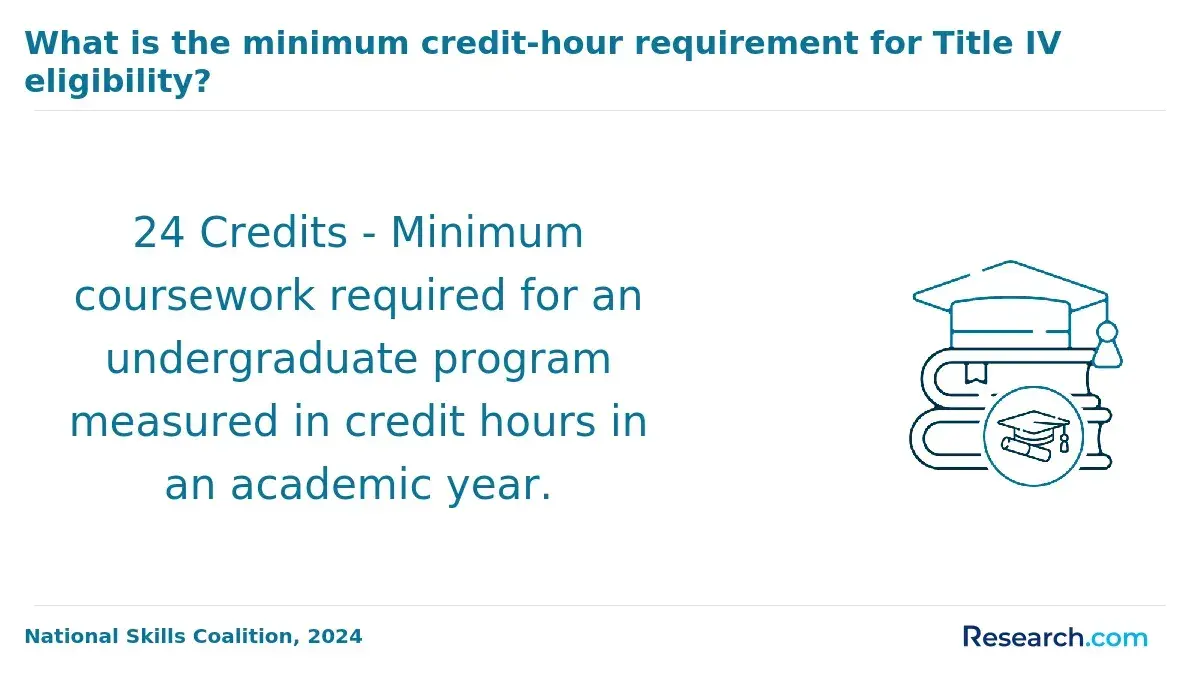
- Federal aid eligibility: Accreditation is tied to Title IV federal financial aid participation. Students planning to use grants or federal loans should confirm that the institution participates before enrolling.
Before applying, verify accreditation directly through official accreditor or federal databases. Do not rely only on phrases such as “licensed,” “approved,” or “authorized,” because those terms are not the same as recognized accreditation.
Which Online Computer Science Programs Are Best for Working Adults?
The best online computer science programs for working adults are flexible, transfer-friendly, well supported, and clear about workload expectations. Adult learners often need programs that fit around employment, caregiving, military service, or irregular schedules. A program that looks affordable on paper may become difficult to complete if its courses require frequent live attendance or offer limited advising.
This flexibility matters as adult enrollment in online education has seen a 35% surge over recent years. Working students should look for program features that reduce friction without weakening academic quality.
- Asynchronous learning: Courses that allow students to watch lectures, complete assignments, and participate in discussions on their own schedule are often the best fit for full-time workers.
- Predictable deadlines: Flexibility does not mean no structure. Strong programs provide clear weekly expectations so students can plan around work and family obligations.
- Competency-based pathways: Competency-based programs may benefit students with prior IT, coding, or professional experience because they can move faster through material they already know.
- Transfer-friendly policies: Adult learners often bring credits from community colleges, previous universities, military training, or professional education. Programs that apply these credits efficiently can shorten the path to graduation.
- Part-time options: A manageable part-time path can be more realistic than an accelerated full-time schedule. Students should compare maximum completion timelines, course availability, and whether every required course is offered online often enough.
- Adult learner support: Look for evening advising availability, online tutoring, technical support, career coaching, and faculty responsiveness. These services can determine whether a busy student persists.
- Employer-aligned curricula: Courses should support practical career goals such as software development, cybersecurity, data analysis, cloud systems, databases, and systems administration.
Working adults should ask admissions staff direct questions before enrolling: How many hours per week does each course require? Are exams proctored live? Can students pause or reduce course loads? How often are required courses offered? The answers will reveal whether the program is truly designed for adult learners.
What Financial Aid Options Are Available for Online Computer Science Students?
Online computer science students may qualify for many of the same financial aid options as on-campus students, provided the institution is accredited and participates in eligible aid programs. Because average student loan debt surpasses $30,000, students should exhaust grants, scholarships, employer benefits, and transfer-credit strategies before relying heavily on loans.
- Federal grants and loans: Eligible students may use Pell Grants and Direct Loans at participating Title IV institutions. Before enrolling, confirm that the program is eligible for federal financial aid and complete the FAFSA if applicable.
- Employer tuition assistance: Many working adults can reduce out-of-pocket costs through tuition reimbursement or direct employer payment. Students should check annual limits, grade requirements, approved major lists, and any requirement to remain with the employer after receiving benefits.
- Institutional scholarships: Accredited universities may offer merit-based, need-based, transfer, adult learner, military, or online student scholarships. Ask whether scholarships are renewable and whether part-time students qualify.
- Transfer-credit optimization: Every accepted credit that applies to the degree can reduce tuition and shorten completion time. Community college credits, prior university coursework, military training, and standardized credit pathways may all help lower total cost.
- Military and veteran benefits: GI Bill and related programs can provide significant tuition and living expense support for eligible military-affiliated students. Students should coordinate with a school certifying official before enrolling.
- State-based aid: Some students may qualify for state grants or tuition programs, especially when attending an in-state public institution. Eligibility rules vary, so students should confirm whether online enrollment affects access.
- Payment plans: Monthly payment plans can reduce the need for private borrowing, but students should check enrollment fees and deadlines.
Affordability also improves when students choose transparent tuition models and avoid taking credits that do not apply to the degree. Some learners use 6 week certification programs online as a supplemental way to build targeted skills, but certificates should be evaluated separately from degree requirements and employer expectations.
The best financial aid strategy is to compare net cost, not sticker price. Ask each school for a written aid estimate, transfer evaluation, and total program cost projection before making a final decision.
What Careers Can You Pursue With an Online Computer Science Degree?
An online computer science degree can prepare graduates for software, data, cybersecurity, systems, and IT roles, depending on the curriculum, projects, internships, and prior experience. The Bureau of Labor Statistics projects a 15% growth in computer and information technology occupations through 2031-well above the average for all fields. That demand makes program quality and career alignment especially important.
- Software development roles: Graduates may pursue software developer, web developer, application developer, or quality assurance roles. These positions usually require programming ability, debugging skills, version control experience, and a portfolio of completed projects.
- IT and systems roles: Entry-level paths may include IT support specialist, systems analyst, network support specialist, or database-related positions. These jobs can be practical starting points for graduates building professional experience.
- Cybersecurity careers: Students who focus on security coursework may pursue security analyst, vulnerability management, compliance, or security operations roles. Certifications and hands-on labs can strengthen competitiveness.
- Data and analytics roles: Coursework in databases, statistics, programming, and machine learning may support entry into data analyst, business intelligence, or junior data science roles.
- Artificial intelligence and emerging technology roles: Graduates with strong math, algorithms, data, and programming preparation may pursue advanced or specialized pathways in artificial intelligence after building the necessary technical foundation.
- Management and leadership pathways: With experience and additional credentials, graduates may move into project manager, IT director, or chief technology officer positions.
- Remote-friendly positions: Many computer science-related careers offer remote or hybrid options, although entry-level remote roles can be competitive and may require a strong portfolio or prior experience.
Students interested in interdisciplinary careers can also explore complementary fields such as online clinical psychology programs, particularly where technology intersects with human behavior, health data, digital tools, or research. For most computer science students, the strongest career outcomes come from pairing the degree with projects, internships, certifications where relevant, and consistent technical practice.
What Is the Salary Potential for Graduates of Online Computer Science Programs?
Graduates of online computer science programs can pursue roles with strong earning potential, but salary depends on job title, location, experience, technical depth, portfolio quality, and industry. Median starting salaries in related tech fields typically fall between $60,000 and $80,000 annually, reflecting demand for software, systems, data, and security skills.
- Industry specialization: Cybersecurity, data science, cloud computing, and other specialized areas can command higher pay when graduates have relevant skills, projects, certifications, or experience.
- Geographic flexibility: Remote and hybrid work can expand access to employers beyond a student’s local market, though competition for remote roles may be strong.
- Experience and skills growth: Salaries often rise as graduates gain experience with programming languages, frameworks, databases, cloud platforms, secure systems, and collaborative development workflows.
- Accreditation and employer recognition: Degrees from regionally accredited programs with workforce-aligned curricula may support stronger job-market credibility, especially when paired with demonstrable technical work.
- Career advancement: Moving into IT management or leadership roles can lead to substantial pay increases-often 20 to 40 percent higher than entry-level technical positions.
Students should treat salary projections as planning tools, not guarantees. The strongest earning outcomes usually come from combining an accredited degree with internships, portfolio projects, interview preparation, networking, and continuous skill development.
What Graduates Say About Best Value Online Computer Science Degree Programs
- : "Finding an affordable, accredited online computer science degree that didn't break the bank was crucial for me. I appreciated programs that balanced cost with quality, offering courses that employers actually value. The ROI was clear when I landed a role in software development shortly after graduation, proving that budget-friendly can also mean high impact. Apollo"
- : "Working full-time while studying meant I had to be smart about which online computer science degree to pursue. I chose a program known for its strong ROI, with flexible schedules and industry connections that helped me advance my career efficiently. Planning around my job, I found this blend of affordability and practical outcomes to be an ideal choice. Aldo"
- : "As a career-focused adult learner, I looked deeply into which online computer science programs offered the best value and fastest job placement. Programs ranked highly for accreditation and alumni success gave me confidence. Exploring careers in data science and cybersecurity after graduation reminded me how valuable a well-chosen degree can be for long-term growth. Micah"
Other Things You Should Know About Computer Science Degrees
Yes, many affordable online computer science degree programs incorporate practical components such as virtual labs, coding projects, and simulations. These features allow students to apply theoretical knowledge in real-world scenarios despite studying remotely. Additionally, some programs offer optional in-person experiences or partnerships with local companies for internships, enhancing hands-on learning.
Transfer policies vary by institution but many accredited online computer science programs accept prior college credits or industry certifications to reduce time and cost of completion. It is important to confirm transfer credit acceptance before enrolling to maximize savings. Credits earned from accredited institutions with comparable curriculum are more likely to transfer successfully.
Online computer science degrees typically require a similar time commitment to on-campus programs-often around 12 to 15 credit hours per semester for full-time students. Part-time options allow working professionals to balance study with other responsibilities but extend total program length. Students should prepare for regular assignments, coding exercises, and exams with consistent weekly effort.
References
- Best Online Computer Science Degrees 2026 | UoPeople https://www.uopeople.edu/blog/best-online-computer-science-degrees/
- Affordable Online Computer Science Degrees | ComputerScience.org https://www.computerscience.org/degrees/affordable-online-bachelors-computer-science/
- Can I get financial aid for an online degree? | edX https://www.edx.org/resources/can-i-get-financial-aid-for-an-online-degree
- Earn an Online Computer Science Degree | OEDb.org https://www.oedb.org/rankings/online-computer-science-programs/
- Best Online Computer Science programs Of 2025 https://www.pwioi.com/technology/blogs/best-online-computer-science-programs
- CS Scholarships and Funding for Students | Code.org https://code.org/pl/students/scholarships
- Best Value CS Programs: Highest ROI 2026 https://hakia.com/degrees/computer-science/best-value-programs/
- What Tech Degrees Offer the Highest ROI? - Computer Science Degree Hub https://www.computersciencedegreehub.com/faq/what-tech-degrees-offer-the-highest-roi/
- IT Scholarships: Your Chance for a Funded Tech Degree https://code.berlin/en/blog/it-stipendien/
- Should I Get My Bachelor's Degree in Computer Science Online? | CSU Global https://csuglobal.edu/blog/should-i-get-my-bachelors-degree-computer-science-online