2027 African and African American Studies Job Market Report: Open Roles, Salary Bands, and Hiring Momentum

Co-Founder and Chief Data Scientist
The landscape of African and African American studies employment reflects shifting academic and institutional priorities influenced by budgetary constraints, evolving curricular demands, and the growing emphasis on interdisciplinary expertise. Open roles and salary bands in the field often mirror these broader labor market dynamics rather than isolated recruitment goals. Hiring momentum reveals how institutions balance the need for specialized scholarship with expectations for broader cultural competency and digital humanities integration. Geographic clustering and workforce demographics further shape accessibility and role distribution. The predominance of younger students in these programs suggests potential shifts toward diversified career pathways and reflects evolving demands for inclusivity and adaptability within educational and professional settings.
Key Things to Know About African and African American Studies Job Market
- Open roles in African and African American Studies are concentrated in academia and nonprofits, limiting direct career paths; this tradeoff requires balancing passion with job market constraints for realistic planning.
- Salary bands reflect modest growth compared to STEM fields, signaling employer valuation patterns and pushing candidates to develop interdisciplinary skills for broader market competitiveness.
- Hiring momentum shows cyclical academic investment tied to social justice trends, meaning timing affects access to roles; prospective candidates must weigh opportunity cost versus delayed entry into the workforce.
- Key Things to Know About African and African American Studies Job Market Key Things to Know About African and African American Studies Job Market
- How Strong Is Demand for African and African American Studies Graduates in Today's Job Market? Demand for Graduates
- Which African and African American Studies Careers Have the Most Open Job Opportunities? In-Demand Careers
- What Salary Bands Are Employers Offering Across African and African American Studies Careers? Offered Salary Bands
- Which Industries Are Hiring the Most African and African American Studies Graduates? Top-Hiring Industries
- How Does Hiring Demand Vary by State, Region, and City? Hiring Demand by Location
- What Skills Are Employers Prioritizing in African and African American Studies Job Postings? In-Demand Skills
- Which Certifications Increase Employability and Salary Potential? High-Value Certifications
- How Do Remote and Hybrid Opportunities Affect the African and African American Studies Job Market? How Do Remote and Hybrid Opportunities Affect the African and African American Studies Job Market?
- Which African and African American Studies Careers Show the Strongest Long-Term Hiring Momentum? Strongest Careers
- How Can Students Use Job Market Data to Make Better Career Decisions? How Can Students Use Job Market Data to Make Better Career Decisions?
How Strong Is Demand for African and African American Studies Graduates in Today's Job Market?
Recent labor market data from the U.S. Bureau of Labor Statistics and LinkedIn Workforce Reports suggest that demand for African and African American Studies graduates is moderate and varies considerably by industry segment. While certain sectors like academia, public policy, and nonprofit organizations maintain interest in candidates with specialized cultural expertise, overall job availability is constrained by limited openings and competitive hiring. Employment tends to concentrate in roles connected to curriculum development, diversity programs, social justice advocacy, and community engagement, reflecting a niche but steady demand. This dynamic indicates that the African and African American Studies graduate job market demand in the United States is not broadly expanding but remains important within targeted settings where cultural insight shapes organizational priorities.
The key drivers influencing hiring in this field include growing institutional emphasis on diversity, equity, and inclusion initiatives alongside the need for interdisciplinary skillsets that blend cultural knowledge with practical competencies such as project management and data analysis. Technological shifts and policy reforms have created incremental opportunities, particularly in urban centers where larger nonprofit and government organizations operate. However, automation and budget limitations in traditional academic roles intensify competition, making complementary skills critical. Geographic disparities also affect salary trends and employment options, resulting in a segmented labor market where demand is unevenly distributed and sensitive to regional economic factors.
Given these realities, prospective students should approach African and African American Studies with strategic career planning, incorporating quantitative, digital, or policy-oriented skills to enhance employability. Long-term job stability often depends less on the degree alone and more on the ability to adapt to evolving employer expectations and sector-specific trends. For those weighing the practical benefits of this major, consulting data on degrees that make the most money can provide valuable context on how to align academic preparation with labor market demands.
Which African and African American Studies Careers Have the Most Open Job Opportunities?
Job opportunity distribution within African and African American Studies careers is increasingly shaped by expanding institutional commitments, skills gaps, and shifting employer expectations. Rather than isolated openings, current hiring trends reflect broader labor market adjustments, including calls for expertise in cultural competence, equity-driven program management, and public scholarship—credentials that professionals often pursue through accelerated pathways such as a 6 month masters degree online. These shifts align with organizational demands for interdisciplinary approaches, community engagement, and strategic communication, impacting where and how positions emerge across academia, nonprofits, and cultural sectors.
- Postsecondary Teachers: Universities and colleges are steadily growing their African and African American Studies programs, driven by student demand and institutional diversity goals. Postsecondary teachers with research skills and the ability to design interdisciplinary curricula are especially sought after. The National Center for Education Statistics reports a 5% increase in job openings, indicating stable but competitive opportunities in this traditional academic pathway.
- Museum Curators and Education Specialists: Cultural institutions are expanding their efforts to present inclusive narratives, leading to increased hiring of curators specializing in African and African American art and history. These roles require proficiency in curation, public programming, and grant writing, responding to both public interest and organizational mandates highlighted by a 2024 American Alliance of Museums survey showing 12% of institutions actively seeking such expertise.
- Community Outreach Coordinators: Nonprofits and social justice organizations value coordinators who can bridge academic knowledge with grassroots engagement. Skills in program management, stakeholder collaboration, and culturally informed communication are paramount. Growth in this area reflects broader sector emphasis on racial and ethnic equity, as documented by a 7% rise in hiring noted in recent Urban Institute research.
- Policy Analysts Focusing on Racial Equity: Increasing reliance on data-driven policy advocacy fuels demand for analysts with African and African American Studies backgrounds, especially within government, think tanks, and civil rights organizations. These roles emphasize expertise in social research, legislative monitoring, and equity-focused evaluations, underscoring expanding organizational priorities toward systemic change.
- Publishing and Media Specialists: As content diversity gains importance, publishers and media outlets seek specialists knowledgeable in African and African American Studies to inform culturally responsible storytelling and editorial decisions. This emerging segment values skills in research, narrative construction, and digital media, reflecting a trend toward applied humanities careers beyond traditional settings.
- Program Directors in Cultural and Educational Nonprofits: Leadership roles managing African and African American Studies-related initiatives grow in response to increasing philanthropic and public funding. Competencies in strategic planning, fundraising, and multi-stakeholder coordination are critical, highlighting the interdisciplinary demands of these positions within expanding nonprofit ecosystems.
What Salary Bands Are Employers Offering Across African and African American Studies Careers?
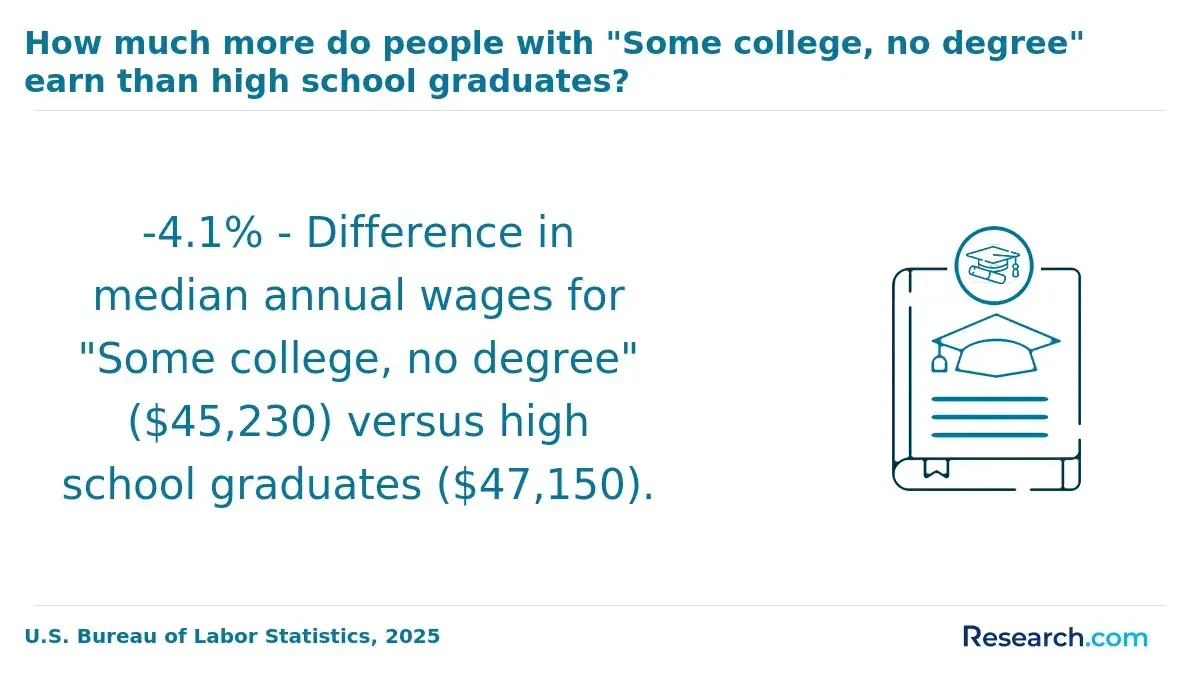
Compensation in african and African American Studies careers shows distinct stratification aligned with experience and role specificity. Entry-level positions such as research assistants and program coordinators generally earn between $40,000 and $55,000 annually, reflecting foundational responsibilities and limited specialization, according to 2024 data from the U.S. Bureau of Labor Statistics and LinkedIn Salary Insights. Mid-level roles-including university lecturers and diversity officers-see salaries from roughly $60,000 to $85,000, correlating with increased expertise, programmatic influence, and administrative duties. Senior professionals, such as tenured scholars and directors in diversity programming, command wages in the $90,000 to $130,000 range or above, a premium driven by significant leadership demands, scholarly contributions, and institutional stature.
Variations in salary bands within african and African American Studies are shaped by several key factors: specialization intensity, sector demand, and geographic context all play pivotal roles. Positions at research-intensive universities or larger nonprofits typically offer higher pay, underscoring how organizational resources and prestige influence compensation. Geographic disparities arise from regional funding differences and cost-of-living adjustments, while scarcity of advanced skills in policy advocacy or interdisciplinary application elevates wages in niche roles. Additionally, private sector jobs, though less common, may outpace academic salaries but generally require supplementary skill sets, creating a complex tradeoff between vocation-driven employment and broader market competitiveness within the field.
One african and African American Studies graduate recalled navigating a rolling admissions cycle filled with uncertainty. After submitting materials early, they faced weeks of delayed responses, complicating decisions about concurrent job offers and secondary program applications. Balancing the urgency to secure a position against the hope for an ideal academic fit, they ultimately prioritized timely communication and institutional transparency. This experience highlighted the strategic patience needed in admissions processes and how timing profoundly impacts career pathway choices in this specialized discipline.
Which Industries Are Hiring the Most African and African American Studies Graduates?
Demand for African and African American Studies graduates is concentrated in sectors undergoing significant structural changes, such as digital innovation, expanding social programs, or addressing historic skill gaps. These industries often seek specialized cultural knowledge combined with research and communication skills to support diversity initiatives and community engagement. As a result, hiring reflects broader economic and social trends rather than isolated recruitment spikes.
- Education: This sector remains the strongest employer, driven by sustained expansion of diversity, equity, and inclusion initiatives across K-12 and higher education institutions. Employers prioritize graduates who can develop culturally relevant curricula, conduct impactful research, and foster inclusive learning environments that meet contemporary academic and social challenges.
- Nonprofit Organizations: Nonprofits focused on social justice, civil rights, and community empowerment actively recruit graduates for policy advocacy, program development, and outreach roles. These organizations value expertise in historical and cultural contexts that underpin effective community engagement and strategic communication efforts.
- Government Agencies: Local and federal agencies increasingly seek candidates capable of informing equitable public policy and managing cultural programming. African and African American Studies graduates often fill positions in public administration that require nuanced understanding of minority communities, helping to shape culturally responsive services.
- Museum and Cultural Institutions: Growth in public interest and funding toward cultural preservation fuels demand for skilled curators, educators, and public engagement professionals. Employers emphasize research proficiency and the ability to interpret African and African American histories in accessible, impactful ways for diverse audiences.
- Media and Publishing: This industry requires content developers and journalists with expertise to authentically represent African and African American experiences, especially as digital media platforms diversify. Skills in storytelling, critical analysis, and cultural literacy are essential to meet increasing consumer demand for nuanced and credible narratives.
Data from the American Historical Association's 2024 survey indicates 38% of recent graduates enter education roles, while 25% engage in nonprofit or government sectors. Entry salaries typically range from $45,000 to $75,000, reflecting both competitive academic positions and leadership opportunities in mission-driven organizations. These patterns underscore the interplay between sector-specific workforce needs and the specialized competencies African and African American Studies graduates bring.
How Does Hiring Demand Vary by State, Region, and City?
Hiring demand for African and African American Studies graduates varies notably across states and regions, influenced by factors such as institutional density, economic priorities, and workforce structures. Coastal states like California, New York, and Massachusetts display more robust demand, driven by large public university systems, cultural institutions, and ongoing diversity initiatives, aligning with patterns noted in recent labor market data from the U.S. Bureau of Labor Statistics and workforce analytics. Conversely, the Midwest and Southern states show fewer openings but sometimes offer comparatively higher salaries for roles tied to public policy and government agencies adjusting to evolving social landscapes. These regional disparities in hiring reflect how employer concentration, funding availability, and social dynamics shape opportunities, making understanding how African and African American Studies job demand differs by state essential for candidates evaluating location-based employment prospects.
At the city level, hiring demand intensifies in metropolitan areas that serve as cultural, academic, and political hubs, such as Atlanta, Washington D.C., and Chicago. These urban centers support varied employer ecosystems, including historically Black colleges and universities, progressive municipal programs, and nonprofit organizations, which generate diverse opportunities beyond academia in program management and consulting. Infrastructure for talent development, paired with cost-of-living considerations, influences the salary bands and turnover rates candidates can expect, reflecting a competitive yet specialized labor market. Such geographic hiring distinctions underscore the importance of aligning career goals with local workforce dynamics and economic realities, especially when weighing opportunities in smaller markets versus high-visibility urban centers. Those exploring how regional hiring trends for African and African American Studies careers differ would also benefit from examining relevant educational pathways like the best degrees for single moms that consider flexible, career-aligned options within these market variations.
What Skills Are Employers Prioritizing in African and African American Studies Job Postings?
Employer expectations for candidates in African and African American Studies roles are shifting in response to technological advances, evolving industry demands, and a heightened emphasis on interdisciplinary approaches. These changes have driven a dynamic landscape where traditional skills intersect with digital competency and cross-disciplinary fluency. Rather than static requirements, the needed capabilities reflect broader trends in data utilization, public engagement, and policy-relevant scholarship, all shaping who succeeds in this competitive field.
- Advanced Qualitative Research Methods: Employers prioritize expertise in ethnographic research, oral history, and archival analysis because these methods enable nuanced understanding of cultural and historical contexts. Mastery of these approaches supports deeper insights and critical scholarship, which are central to roles that demand rigorous investigation and interpretation of complex social phenomena.
- Effective Communication Skills: The ability to articulate ideas clearly in both written and oral formats is increasingly emphasized, with a focus on public humanities and community engagement. This reflects a growing expectation that scholars not only contribute academically but also translate their work for broader audiences, enhancing impact beyond traditional academic settings.
- Digital Literacy and Humanities Tools: Familiarity with digital archives, data visualization platforms, and tools like GIS mapping or Omeka is becoming essential. As many institutions and organizations integrate digital methods, candidates with these proficiencies demonstrate adaptability and innovation, markedly improving their employability and relevance in contemporary research environments.
- Interdisciplinary Analytical Capacity: Employers seek individuals capable of integrating insights from sociology, political science, and cultural studies, recognizing that complex societal issues require multifaceted perspectives. This skill signals a readiness to address systemic challenges through collaborative, cross-domain frameworks that extend a candidate's influence across academic and applied sectors.
- Critical Thinking and Adaptability: The evolving roles within academia, nonprofits, and government agencies demand professionals who can respond flexibly to shifting priorities and new social justice paradigms. Candidates exhibiting these traits are better positioned to navigate institutional changes and contribute constructively in diverse, dynamic work settings.
According to a 2024 report by the Modern Language Association, over two-thirds of job postings prioritize advanced qualitative research skills, underscoring their sustained importance amid shifting methodological trends. Parallel data from the National Career Development Association highlights continued emphasis on communication expertise, found in nearly three-quarters of listings, illuminating the field's expansion into public and applied pursuits. Together, these demand patterns signal a workforce increasingly defined by interdisciplinary agility and technological engagement rather than singular specialization.
Which Certifications Increase Employability and Salary Potential?
Certifications within African and African American Studies function as key indicators of specialized expertise, technical ability, and readiness to contribute in applied settings. These credentials extend beyond academic degrees by validating skills that many employers currently find scarce, such as grant writing, policy analysis, and community engagement strategies. Strategically obtaining certifications can improve job market competitiveness by addressing concrete employer needs and demonstrating adaptability to interdisciplinary roles. Evidence from a 2024 National Center for Education Statistics report confirms salary premiums of 10-15% for professionals holding relevant certifications linked to research methods or public policy competencies.
- Project Management Professional (PMP) Certification: This credential signals proficiency in leading complex projects, a capability increasingly demanded for managing community programs and outreach initiatives within African and African American Studies contexts. PMP holders often gain an edge in hiring decisions where coordination and fiscal oversight are critical, translating to stronger leverage for salary negotiation and advancement.
- Diversity, Equity, and Inclusion (DEI) Certificates: Organizations placing heightened emphasis on fostering inclusive environments prioritize candidates with DEI credentials. These certifications address current gaps in cultural competency and policy development, enabling holders to guide institutional change effectively, which often corresponds with expanded career opportunities and improved compensation.
- Grant Writing Certification: Securing external funding remains a persistent challenge for research and advocacy roles. Grant writing certificates demonstrate a practitioner's ability to navigate funding landscapes and craft competitive proposals, thereby directly impacting organizational resources and personal employability in sectors reliant on sponsored projects.
- Data Analysis and Visualization Certifications: With increasing reliance on data-driven decision-making in policy formulation and educational outreach, certifications in data skills equip candidates to meet technological and analytical demands. Mastery in these areas addresses industry shortages in quantitative competencies, bolstering candidacy for higher-paying positions.
A graduate recalled navigating the process of acquiring relevant certifications amid rolling admissions for a public policy program connected to African and African American Studies. Faced with delays in receiving application decisions, they hesitated before committing to an expensive grant writing course that promised to enhance practical skills and funding prospects. Ultimately, the timing of certification completion proved crucial: having credentials ready prior to applying significantly strengthened their position with potential employers and scholarship committees. This experience highlighted how calculated certification choices-not only the credentials themselves-shape labor market outcomes in this interdisciplinary field.
How Do Remote and Hybrid Opportunities Affect the African and African American Studies Job Market?
Remote and hybrid work arrangements have significantly altered hiring trends within African and African American Studies, expanding the geographic scope from which institutions source candidates. Recent labor market analyses, including 2024 industry hiring reports, indicate that these roles now attract talent beyond traditional academic centers, increasing applicant diversity but also intensifying competition. Employers increasingly prioritize skills related to digital communication and self-directed productivity, reshaping candidate evaluation criteria. This dynamic is especially pronounced in African and African American studies remote work trends in the United States, where the blending of virtual and on-site expectations demands multifaceted adaptability from applicants.
These evolving work models affect salary structures by encouraging some regional cost-of-living adjustments while many institutions strive for pay equity, resulting in a complex balance between location-based differences and standardized salaries. Geographic mobility for professionals expands, but so does the challenge of maintaining effective mentorship and networking remotely. Employer expectations shift toward candidates capable of hybrid engagement, combining discipline expertise with proficiency in virtual collaboration. Understanding such nuances can be crucial for those pursuing hybrid job opportunities for African and African American studies graduates, who must also consider emerging degrees that emphasize remote-ready competencies, such as online degrees for remote jobs. These labor market trends reflect a long-term structural adjustment rather than a temporary shift, signaling sustained changes to accessibility, competition, and the skillset required within African and African American Studies careers.
Which African and African American Studies Careers Show the Strongest Long-Term Hiring Momentum?
Long-term hiring momentum in African and African American Studies careers is less about short-term fluctuations and more a reflection of deep structural shifts across multiple sectors. Sustained demand is driven by enduring economic, regulatory, and social dynamics that elevate these roles in an evolving workforce landscape. This momentum reflects how industries adapt to diversity imperatives, cultural accountability, and educational expansion, all reinforced by advancing technology and institutional reforms. Understanding these forces is critical for those pursuing African and African American Studies, especially as labor market trends increasingly prioritize cross-disciplinary, impact-oriented skillsets over traditional academic silos.
- Higher Education Faculty and Researchers: Steady institutional commitments to inclusive curricula and expanding programs sustain demand for faculty specializing in African and African American Studies. Universities seek experts to bridge interdisciplinary scholarship and increasingly diverse student bodies, a trend supported by the 2024 data showing consistent university-level hiring growth in this field.
- Diversity, Equity, and Inclusion (DEI) Specialists: DEI roles are experiencing rapid growth, propelled by ongoing corporate and public-sector investments aimed at embedding cultural competence and equity across organizational practices. The 15% increase in hiring of DEI specialists with expertise in African and African American cultural contexts underscores this structural need, positioning these roles as durable and often higher paying.
- Public Historians and Museum Educators: Societal emphasis on representational history and cultural heritage preservation drives employment in museums and public history sectors. This is supported by a 10% rise in related positions reported in 2024, reflecting broad institutional trends toward restitution, community engagement, and technologically enhanced public programming.
- Community-Based Program Coordinators and Nonprofit Leaders: Roles focused on African American social issues remain vital, especially as nonprofits respond to systemic inequalities through targeted outreach and culturally informed programming. Long-term sustainability here depends on funding trends and increasing recognition of grassroots impact models.
Long-term job growth trends for African and African American Studies professionals in the United States point to these sectors as areas with sustained hiring demand due to their entrenched institutional and societal relevance. While salaries vary by sector, DEI roles often lead in median earnings because private industry drives investment in this talent pool. Job seekers should carefully evaluate practical skills and networking opportunities aligned with these sustained demands.
For those considering educational pathways, understanding how transfer credits factor into degree completion can influence job readiness timelines. For example, can you transfer MBA credits is a practical query relevant to interdisciplinary professionals exploring complementary qualifications that enhance their employability in African and African American Studies-related fields.
How Can Students Use Job Market Data to Make Better Career Decisions?
Students pursuing African and African American Studies careers can leverage 2024 labor reports, hiring platforms, and salary databases to identify areas of growing demand and compensation trends. These sources reveal increased roles in diversity initiatives, public history, and research, though openings often remain limited and geographically uneven. Salary data highlights that entry-level positions in academia or nonprofits tend to be modestly paid compared to higher-paying specialist roles in corporate diversity or consulting. Using this data, students can evaluate where hiring momentum aligns with their skills and where potential growth prospects exist in both public and private sectors.
Interpreting this information requires balancing short-term labor market fluctuations with long-term career objectives. Geographic flexibility and acquiring complementary skills like data analysis or program management can significantly enhance employability. However, overreliance on transient trends risks misalignment with personal interests and professional stability, especially given the interdisciplinary nature of this field. Students benefit most by integrating labor market insights with their academic strengths and career ambitions, recognizing that sustained credentials and practical experience often dictate progression more than initial hiring spikes.
References
- Africana Studies, Possibilities, and Employability - Universal Write Publications https://uwpbooks.com/black-voices/africana-studies-possibilities-and-employability/
- Remote and Hybrid Working during Crisis: Challenges and Implications for Employee Development in Africa | IntechOpen https://www.intechopen.com/chapters/83660
- Monterey Peninsula College – Ethnic Studies Faculty (Full-time, Tenure-track) - African Studies Association Portal - ASA https://africanstudies.org/jobs/
- AF AM Job Openings https://www.aaihs.org/resources/af-am-job-openings/
- African Americans Face Systematic Obstacles to Getting Good Jobs - Center for American Progress https://www.americanprogress.org/article/african-americans-face-systematic-obstacles-getting-good-jobs/
- Position Announcements https://ncbsonline.org/membership/position-announcements/
- Indicator: Hybrid Work https://www.gallup.com/401384/indicator-hybrid-work.aspx
- Full vs. Hybrid: Examining the Consequences of How Americans Work Remotely https://eig.org/full-vs-hybrid-remote-work/
Other Things You Should Know About African and African American Studies
Candidates must recognize that academic roles often prioritize publication records, teaching load, and departmental service, which can limit time for broader applied projects. Non-academic positions, such as in cultural institutions or policy organizations, typically value practical experience with community engagement and program management. Prioritizing academic jobs may offer prestige and tenure-track security but often comes with lower starting salaries and higher pressure to produce scholarship quickly. Conversely, non-academic roles may provide more hands-on impact and potentially higher initial compensation but usually lack the long-term job security and institutional support found in academia.
Salary bands vary widely depending on the type of employer, geographic location, and funding structure, often complicating direct comparisons. Public universities may offer lower salaries but better benefits and clearer promotion trajectories, while private institutions and community organizations might pay more but with fewer advancement guarantees. Early-career professionals should factor in the total compensation package, including teaching expectations, administrative duties, and access to research resources, not just base pay. Prioritizing roles that balance fair compensation with manageable workloads and professional development opportunities will generally yield better long-term outcomes than focusing solely on initial salary figures.
Hiring momentum in this field can be uneven, with spikes related to institutional commitments to diversity or social justice initiatives, followed by periods of contraction when budgets tighten. Graduates should adopt flexible strategies, including diversifying skill sets beyond traditional curricula to include digital humanities or community-based research methods, which increase adaptability. Timing job searches to coincide with known funding cycles or new program launches can also improve success rates. Rigid specialization without these strategic adaptations may narrow job prospects in a market prone to fluctuation.
Interdisciplinary programs often enhance employability by nurturing versatile skills and cross-sector knowledge, which appeal to employers in education, public history, and nonprofit sectors. However, these programs may sacrifice depth in core African and African American studies scholarship, potentially disadvantaging candidates for specialized academic roles that prioritize focused expertise. Specialized tracks build strong subject-matter credibility but risk narrowing career options if the job market tightens in that niche. Candidates should align their educational focus with targeted career goals, choosing interdisciplinary paths for broader opportunities and specialization when pursuing academic or research-intensive positions.