2027 African and African American Studies Degree Completion Time Report: How Long Students Actually Take to Graduate

Co-Founder and Chief Data Scientist
Students pursuing an African and African American Studies degree encounter a range of practical challenges that affect how long they take to graduate. Factors such as part-time enrollment driven by work commitments, transfer credits from other institutions, and the availability of interdisciplinary courses create variability in completion timelines. Data from the National Center for Education Statistics (NCES) in 2024 highlights that only 40% of bachelor's students finish within four years, with social sciences and cultural studies often reflecting extended durations. Navigating these academic and life complexities shapes progression patterns distinct to African and African American Studies programs.
This article offers a grounded analysis of actual completion times, common influences on graduation rates, and key patterns current and prospective students should consider when planning their education.
Key Things To Know About African and African American Studies Degree Completion Time
- More realistic salary and career-path planning: African and African American Studies completion time can vary based on research thesis work, study abroad/exchange programs, or pairing the degree with a minor/double major (education, sociology, political science, law) — knowing the realistic timeline helps students project when they'll actually enter the workforce or grad school, since career direction and salary often depend heavily on which specialization or practical experience students pursue.
- Smarter scheduling around research, community engagement, and interdisciplinary coursework: Because this field often draws on interdisciplinary coursework across history, literature, sociology, and policy, along with community-based research or fieldwork, completion time data helps students and advisors plan course loads that account for cross-departmental scheduling and avoid unnecessary prerequisite bottlenecks.
- Clearer career outcome tradeoffs: Comparing completion time against job placement rates and starting salaries across common paths (education, nonprofit leadership, public policy, journalism, law, grad school) can reveal whether students who take extra time for research, internships, or a complementary double major land stronger outcomes — helping future students weigh a faster degree against building the specialized knowledge and credentials many careers in this field value.
- What Is the Average Graduation Time for African and African American Studies Students? Average Graduation Timeline
- What Factors Have the Biggest Impact on Graduation Speed? Graduation Timeline Factors
- How Does Full-Time Versus Part-Time Enrollment Affect Graduation Timelines? Full-Time vs. Part-Time Graduation Timeline
- Do Online African and African American Studies Students Graduate Faster Than Campus-Based Students? Online vs. On-Campus Graduation Time
- How Many Months or Years Can Transfer Credits Save? Transfer Credits
- Do Accelerated African and African American Studies Programs Significantly Reduce Completion Time? Accelerated Program Timeline
- Which African and African American Studies Program Requirements Most Often Extend Graduation Timelines? Factors Extending Graduation Timeline
- Does Taking Longer to Graduate Increase the Cost of a African and African American Studies Degree? Impact on Program Cost
- Does Graduating Faster Improve Career Prospects? Impact on Career Prospects
- Which Scheduling Mistakes Commonly Delay Graduation? Mistakes to Avoid
What Is the Average Graduation Time for African and African American Studies Students?
Completion timelines for African and African American Studies degrees generally fall within a four- to six-year window, aligning with typical humanities and social sciences patterns nationwide. Full-time students most often graduate in four years, provided they maintain continuous enrollment and a full course load, while those balancing work, family, or part-time study frequently extend their timeline by one to two years.
These variations reflect the diverse student populations and enrollment statuses typical in African and African American Studies programs, where transfer students and nontraditional learners represent a substantial share. Recent data from the National Center for Education Statistics supports that most students nationally complete these degrees within this range, though individual experiences vary widely.
The structure of African and African American Studies curricula contributes significantly to time-to-degree differences. Many programs emphasize interdisciplinary approaches, encouraging double majors or minors that extend beyond core requirements and thus lengthen completion time. Students who transfer credits from community colleges or engage in part-time enrollment often face additional hurdles like credit evaluation delays or reduced semester loads. Institutional offerings such as cohort models or focused paths can mitigate these delays but are not universally available.
Furthermore, experiential learning components and unpaid internships may extend coursework while adding valuable skills, a factor important to employer expectations. Online learners sometimes experience distinct pacing challenges or benefits, affecting graduation speed relative to traditional campus formats. This variability underscores the complexity behind typical degree completion timelines for students nationwide.
Graduation timing in African and African American Studies influences more than academic planning; it affects financial investment and workforce entry. Prolonged degree paths can result in higher tuition costs and delayed professional advancement, particularly for first-generation and economically disadvantaged students who often must work during school. Yet extended graduation periods might correspond with meaningful real-world experience that employers value, reflecting a tradeoff between immediate entry and practical engagement.
Prospective students should realistically assess commitments and seek programs with strong advising to optimize their progression without sacrificing quality or balance. For those considering accelerated options, resources that highlight 2 year online degrees that pay well may provide context for alternative pathways aligned with workforce demands.
What Factors Have the Biggest Impact on Graduation Speed?
Graduation speed in African and African American studies programs is shaped by an interplay of academic planning, institutional structures, and personal circumstances rather than a single determinant. Navigating this complexity requires understanding how enrollment choices, program design, and outside obligations either facilitate or hinder steady progress. Such insights can help students and education planners optimize course load and format decisions to better manage time-to-degree. This approach is especially relevant given the observed variation even within similar programs.
- Enrollment Status and Course Load: Full-time enrollment is strongly correlated with faster graduation due to a heavier, more consistent academic workload each term. According to the National Center for Education Statistics (NCES) 2024 report, approximately 43% of full-time undergraduates earn their bachelor's degree within four years, compared to less than 15% among part-time students. Part-time status often reflects competing work or family commitments, which naturally extend the time required to fulfill degree requirements.
- Transfer Status and Credit Articulation: Students transferring from community colleges or other universities frequently encounter delays stemming from nonuniform credit transfer policies and differences in program requirements. This disjunction may add 1 to 2 years on average, as highlighted by data from the American Council on Education. Variability in how African and African American studies curricula are structured across institutions increases the complexity of transfer pathways.
- Program Design and Curricular Flexibility: The degree structures vary widely; some programs encourage interdisciplinary study through minors or double majors, which may lengthen completion time due to additional coursework. Conversely, programs with streamlined pathways and dedicated academic advising can help students navigate degree requirements more efficiently. Institutional policies emphasizing academic support increase the likelihood of graduating within four to six years.
- Socioeconomic Factors and Financial Aid: Economic challenges can disrupt continuous enrollment, prompting students to reduce course loads or temporarily pause their studies. A Lumina Foundation 2024 analysis underscores how financial insecurity correlates with extended time-to-degree, a pattern evident within African and African American studies cohorts drawn disproportionately from underrepresented and economically disadvantaged groups. Access to targeted aid and flexible scheduling is thus critical.
- External Responsibilities and Work Commitments: Many African and African American studies students, particularly working adults, must balance employment and family caregiving alongside their academics. These obligations typically require part-time enrollment and flexible course formats, which slow degree progression but are essential to maintaining life balance. Programs offering online or evening courses respond to this demand, influencing observed differences in graduation timelines.
Students evaluating African and African American studies degree options should weigh these factors carefully, as institutional policies and personal circumstances combine to produce widely varying graduation speeds. For those considering alternatives such as graduate study, exploring affordability and delivery format can also be critical, exemplified by options like masters in psychology online cheap, which illustrate broader trends in flexible program models across disciplines.
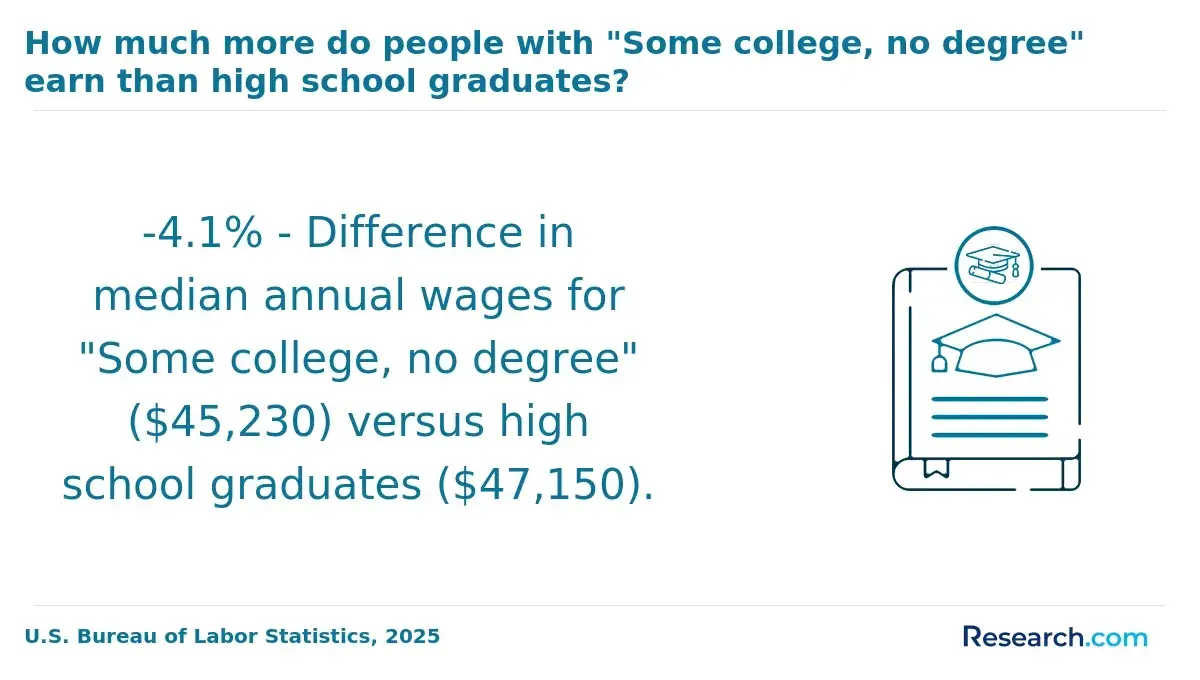
How Does Full-Time Versus Part-Time Enrollment Affect Graduation Timelines?
Students enrolled full-time in African and African American Studies programs generally complete their degrees within four to five years, reflecting the standard academic timeline for bachelor's degrees. Those attending part-time often extend their studies significantly, sometimes taking six to eight years or longer. The pace difference arises not merely from the number of courses taken simultaneously but from how enrollment status intersects with program demands and institutional scheduling. Recent data from national higher education reports in 2024 indicate that full-time students have a notably higher six-year graduation rate compared to part-time peers, highlighting the impact of sustained academic momentum on timely degree completion.
The divergence in timelines stems from several intertwined factors. Full-time students maintain heavier credit loads, which facilitate consistent progression through required course sequences that frequently have limited offerings each semester. In contrast, part-time students face challenges such as fewer available courses at convenient times, often due to restrictive scheduling and program structures not optimized for flexible pacing. External obligations like employment and family responsibilities commonly pressure part-time enrollees to limit course loads, which can slow accumulation of necessary credits and disrupt academic continuity. These structural and personal constraints effectively create parallel pathways with distinctly different speeds and demands.
Enrollment choice also carries significant implications beyond graduation dates. Full-time status typically necessitates more intense academic engagement but enables earlier workforce entry and reduced overall expense by shortening time-to-degree. Meanwhile, part-time enrollment often offers vital financial and scheduling flexibility, though it may increase total costs if delayed completion leads to extended tuition payments and deferred earnings growth. For students balancing complex life situations, understanding how enrollment patterns shape these tradeoffs is essential for informed planning and realistic expectations regarding both academic progress and post-graduation opportunities.
Do Online African and African American Studies Students Graduate Faster Than Campus-Based Students?
There is a common assumption that online students in African and African American Studies programs might graduate more quickly than their on-campus peers due to greater scheduling flexibility. However, evidence from the National Center for Education Statistics (NCES) 2024 report suggests otherwise, showing that online learners often take slightly longer, averaging about 4.8 years to graduate compared to 4.5 years for full-time campus students. This indicates that the perceived speed advantage of online formats does not automatically materialize, as completion rates are strongly influenced by individual student circumstances and institutional structures rather than delivery mode alone.
Key factors shaping graduation timelines include enrollment intensity, course availability, and the balancing of external responsibilities. Online programs frequently attract part-time students who juggle work or family commitments, extending the duration to degree completion. Additionally, while asynchronous courses and rolling enrollment in online programs offer greater flexibility, they require self-discipline and effective time management, which not all students maintain consistently. On-campus students may benefit from more structured class schedules and defined cohort progressions, but they face limitations like fixed semester schedules and less frequent course offerings that can delay completion. Transfer credit acceptance policies and full-time enrollment status often serve as critical levers for accelerating graduation in either format.
The modality choice also impacts long-term career entry timing, as students taking longer to graduate may delay workforce integration or advanced study. For disciplines such as African and African American Studies, where practical engagement and internships sometimes influence academic pacing, the interplay between program design and student workload is especially consequential. Online learners who adapt academic pacing to personal obligations can harness modality flexibility but face a heightened risk that postponements and lighter course loads cumulatively lengthen their path to degree completion.
A recent graduate recounted her admissions experience in an African and African American Studies program with rolling enrollment. Initially hesitant to commit without clarity on part-time scheduling and credit transfer options, she delayed application submission until the final admission deadline approached. This waiting period created uncertainty and compressed the timeline for course planning, ultimately influencing her decision to enroll part-time and extend her study duration. Her experience underscores how timing and information accessibility in online admissions can shape strategic choices that affect graduation speed beyond the curriculum itself.
How Many Months or Years Can Transfer Credits Save?
Transfer credits can reduce the time required to complete an African and African American Studies degree by varying amounts, typically ranging from a few months to over a year. Students who transfer a substantial volume of applicable credits often accelerate their progress by reducing core or general education requirements, potentially shortening the usual four-year timeline.
However, the actual time saved depends heavily on how well previous coursework aligns with the specific curriculum of the African and African American Studies program, influencing whether transfer credits count toward major, minor, or elective requirements. National data from 2024 suggests that average months saved with transfer credits in African and African American Studies programs often fall between 6 and 24 months, but this range reflects significant variability among individual academic pathways and institutional frameworks.
The extent to which transfer credits translates into real-time savings is shaped by multiple factors beyond the simple number of credits transferred. Accreditation compatibility between institutions plays a key role, as courses from non-regionally accredited colleges may not transfer at all. Course equivalency evaluations are rigorous; credits are only applied when content and learning outcomes closely match program requirements, especially for specialized courses in African and African American Studies.
Many universities enforce residency requirements mandating that a certain percentage of credits be earned directly from the institution, limiting the upper bound of transferable credits. Policies capping maximum transferable credits or restricting transfers from community colleges versus four-year institutions further constrain acceleration. These academic policies interact with degree auditing systems, which track progress and affect student progression timelines.
Strategic academic planning becomes critical in maximizing the advantage of transfer credits, as students must balance accelerated degree timelines against the sequencing of remaining courses and associated financial costs. Over-reliance on transfer credits without aligning remaining coursework can complicate scheduling or limit access to advanced electives and research opportunities fundamental to African and African American Studies.
For some transfer students, the ability to shorten time-to-degree expedites entry into relevant professions, but thoughtful integration of transferred coursework into degree pathways remains essential. Those interested in comparing interdisciplinary options might also consider programs like an online masters in data science, where transfer credit policies may differ substantially.
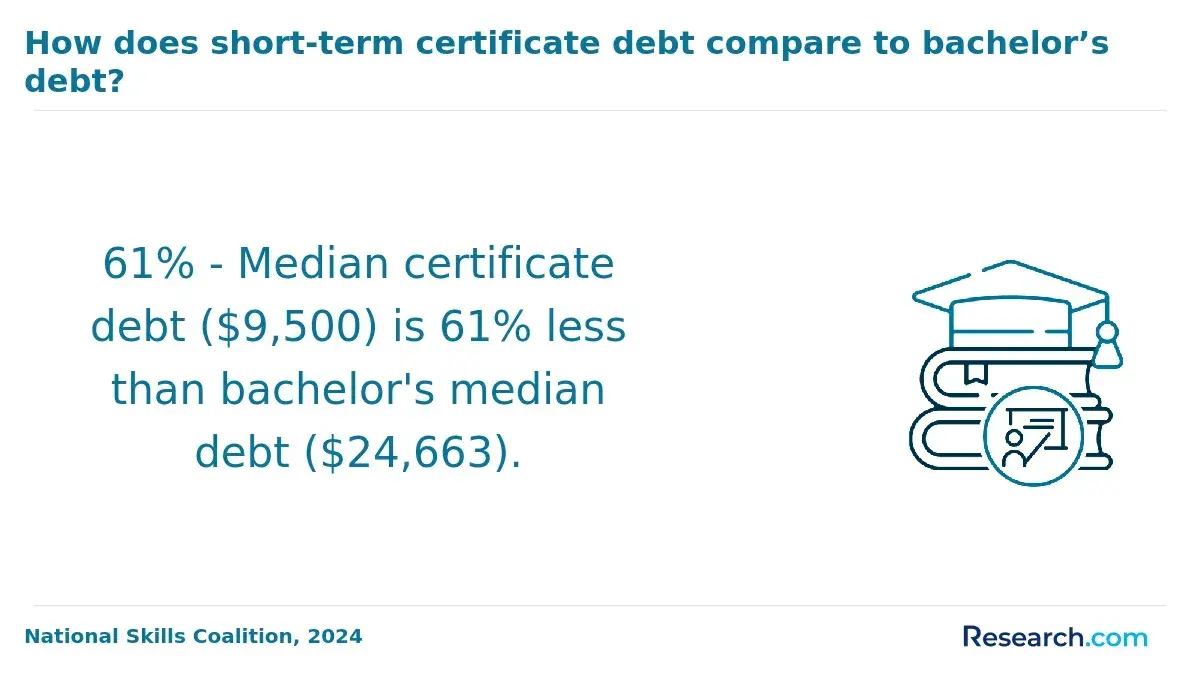
Do Accelerated African and African American Studies Programs Significantly Reduce Completion Time?
Accelerated African and African American Studies programs aim to condense the traditional degree timeline by increasing course loads, leveraging transfer credits, or compressing curriculum into fewer semesters. These programs are structured to allow students to complete core requirements more quickly, often by overlapping semesters, requiring summer classes, or offering more intensive pacing. However, the mere existence of an accelerated track does not guarantee uniform or substantial time savings, as program design and institutional policies heavily influence actual completion speed.
The extent to which accelerated formats reduce completion time depends on several key factors. High course intensity is necessary, but prerequisite sequences and credit requirements may remain fixed, limiting how much students can realistically advance each term. Required internships, capstone projects, or language proficiency standards often stay intact, adding constraints to acceleration efforts. Moreover, student capacity to manage heavier credit loads without compromising academic performance can vary significantly, affecting progression speed and ultimately mitigating expected time reductions.
Trade-offs inherent to accelerated African and African American Studies degree paths include heightened workload pressure and less scheduling flexibility, which may reduce opportunities for extracurricular or research activities that enrich educational depth. For many students, this intensity can impact the quality of learning and limit engagement with experiential components critical to career preparation. Thus, while accelerated formats can expedite graduation for some, they also introduce practical challenges that must be balanced against educational and personal goals.
One graduate recalled navigating the rolling admissions process with some uncertainty, initially hesitant to submit applications without clear timelines for accelerated program decisions. The pressure to finalize plans before the next academic term spurred urgent inquiries to admissions, revealing that quicker entry did not always align with rolling acceptance dates. This experience underscored how administrative timing and preparation can influence how effectively students capitalize on acceleration options, beyond the program's academic structure itself.
Which African and African American Studies Program Requirements Most Often Extend Graduation Timelines?
Graduation timelines in African and African American Studies programs frequently extend beyond the traditional four-year span due to structured curricular components rather than sheer credit volume. These requirements often represent deliberate efforts to enhance academic rigor and professional readiness but simultaneously impose constraints on scheduling flexibility and course sequencing. Understanding how these elements interact with institutional policies and student circumstances is crucial for realistic planning and expectations.
- Interdisciplinary Coursework Demands: The integration of history, politics, sociology, literature, and cultural studies necessitates a broad course load that pushes students beyond core major classes. This interdisciplinarity often requires enrollment in diverse departments, complicating scheduling and increasing the total credits needed, which can extend degree completion time due to course availability and prerequisite sequencing.
- Community Engagement and Experiential Learning: Mandatory internships, service-learning projects, or fieldwork components are designed to equip students with practical experience valued by employers. However, these off-campus commitments often involve external coordination and flexible timing that do not align neatly with semester schedules, resulting in additional semesters or delayed graduation.
- Senior Thesis or Capstone Research Projects: These intensive independent research requirements typically extend beyond classroom hours and standard coursework timelines. They demand significant proposal development, data collection, and revisions, which can create bottlenecks when faculty advisors or research resources are limited.
- Foreign Language Proficiency Requirements: Where language mandates exist, students beginning language study later in their program face multiple additional semesters to meet proficiency standards. This requirement stems from the discipline's emphasis on primary source engagement but often reduces scheduling flexibility and prolongs academic timelines.
- Course Sequencing and Prerequisite Chains: Many African and African American Studies programs enforce strict ordering of foundational and advanced seminars. Limited course offerings per term or highly specific prerequisites means students may need to pause progression while waiting to enroll, thereby extending the degree timeline unintentionally.
- Transfer Credit Recognition and Policy Limitations: Transfer students can encounter institutional restrictions on accepting credits from other colleges, particularly for specialized or interdisciplinary courses. This gap forces repetition or additional coursework, contributing further to longer completion periods.
Recent analysis by Lightcast in 2024 highlights that social science-related degrees, encompassing African and African American Studies, often exceed four years by up to 30% due to these layered academic and experiential requirements. Stakeholders must factor these structural and administrative dynamics into academic advising and personal planning to balance depth of study with timely graduation.
Does Taking Longer to Graduate Increase the Cost of a African and African American Studies Degree?
Taking longer to graduate from an African and African American Studies degree program typically raises total tuition and related expenses due to the structure of educational pricing and financial aid systems. Most institutions charge tuition per term or per credit hour, so extended timelines increase the number of billable semesters, especially when students enroll part-time or repeat courses. Additionally, prolonged enrollment can reduce eligibility for certain financial aid packages and scholarships that assume completion within a traditional timeframe.
This dynamic means that delays often translate into accumulating extra fees for housing, transportation, and university charges, amplifying the overall cost impact. Such financial implications are critical for students weighing extended completion against the potential benefits of deeper coursework or life circumstance adjustments, particularly given how African and African American studies degree cost implications intersect with these cost drivers.
However, the financial consequences of longer completion times can vary significantly based on institutional pricing models and student enrollment choices. Some programs offer flat-rate tuition for full-time students regardless of course load, which may mitigate extra charges even if graduation extends beyond four years. Employer tuition assistance programs also influence how cost escalates over time by offsetting additional semesters or credits.
Furthermore, program policies permitting flexible pacing without penalty, combined with strategic enrollment decisions, can help manage tuition expenses. Still, shifting to part-time enrollment often prolongs completion and increases indirect costs, underscoring the importance of planning. For those researching degree affordability, comparing cost structures to options like a library science degree may provide useful benchmarks in understanding extended graduation time impact on African and African American studies expenses.
Does Graduating Faster Improve Career Prospects?
Graduating faster from an African and African American Studies program can enable earlier entry into the job market, potentially reducing educational expenses and accelerating income generation. However, employers rarely assess candidates solely on the speed of degree completion. Instead, they consider a spectrum of qualifications, and so the impact of faster graduation on African American careers involves how well candidates demonstrate relevant skills and experience during hiring evaluations.
Key factors shaping the career benefits of timely degree completion in African and African American studies include internship participation, portfolio development, mastery of critical analytical skills, and the depth of professional networks established before graduation. Without meaningful experiential learning or demonstrated competencies, finishing early may convey insufficient practical readiness to employers in education, social services, and cultural sectors. Students who graduate quickly but miss opportunities for applied learning risk underdeveloped profiles compared to peers with richer engagement during their studies.
Trade-offs between accelerated graduation and experiential depth can influence long-term employability more than initial timing alone. Balancing time-to-degree with sustained involvement in research, internships, and community activities often results in stronger career trajectories. For those considering specialized or interdisciplinary paths, such as combining African and African American Studies with a related credential like a master in data analytics, a deliberate pace may enhance both skill breadth and labor market alignment.
Which Scheduling Mistakes Commonly Delay Graduation?
Graduation delays in African and African American Studies programs often stem less from academic difficulty and more from avoidable scheduling and enrollment planning errors. These challenges affect students across undergraduate and graduate levels, as well as those in traditional and flexible program formats. Awareness of these common pitfalls is critical to navigating program prerequisites, credit loads, and institutional scheduling constraints, thereby sustaining timely academic progression.
- Misaligned Course Sequencing: Failing to enroll in prerequisite courses in the correct order creates bottlenecks, especially when core classes are only offered annually or during specific semesters. This disrupts degree pathways and requires students to wait an additional term or year before continuing.
- Underestimating Credit Load Needs: Opting for minimal credits per semester to manage work or personal commitments can extend completion time considerably. Recent data from the National Student Clearinghouse Research Center (2024) shows that part-time enrollment often delays graduation by about 25% compared to full-time peers.
- Credit Transfer Misalignment: Transfer students frequently face misalignment between previously earned credits and program requirements, necessitating extra semesters to cover missing core content. This issue arises due to varying curricular structures across institutions and often requires proactive advising to navigate.
- Scheduling Conflicts with External Responsibilities: Work, family, and other commitments can conflict with required course schedules, forcing repeated semesters or delays. Such conflicts highlight institutional inflexibility and the need for strategic course planning around external demands.
- Prioritizing Electives Over Core Requirements: While electives enrich learning, prioritizing them at the expense of mandatory courses extends degree timelines when not carefully balanced against sequencing rules and graduation criteria.
References:
- A Descriptive Summary of Bachelor's Degree Recipients 1 Year Later, With an Analysis of Time to Degree https://nces.ed.gov/pubs2003/2003165.pdf
- African and African American Studies, Certificate | University of Michigan-Dearborn https://umdearborn.edu/academics/program/african-and-african-american-studies-certificate
- Bachelor of Arts in African & African American Studies (BA) https://nextmile.staging.instride.com/programs/AS-BA-AFRC-bachelor-of-arts-in-african-and-african-american-studies-ba
- Bachelor's Degree (BA) in African American and Africana Studies https://academics.uky.edu/programs/bachelors/african-american-and-africana-studies
- Factors That Impact 2020-2021 First-year African American Student Retention in Online Education at a Public Msi and a Private Hbcu in the Southeastern United States - Digital Library of Georgia https://dlg.usg.edu/record/auu_cau-td_2022-mann-devon
- Time to Degree: A National View of the Time Enrolled and Elapsed for Associate and Bachelor's Degree Earners https://eric.ed.gov/?id=ED580231
- Ultimate Stakes and Realities: Program Building and the Future of Black Studies - AAIHS https://www.aaihs.org/ultimate-stakes-and-realities-program-building-and-the-future-of-black-studies/
Other Things You Should Know About African and African American Studies
In 2027, the typical degree completion time for students in African and African American Studies is around four to five years. This aligns with standard timelines for bachelor's degrees, accounting for course variety and individual pacing.
Experiential components such as internships, study abroad, or community engagement are strongly encouraged in african and african american studies but may add semesters or summer terms to a degree plan. While these experiences boost practical skills and employability, students must weigh their value against potential graduation delays. Prioritizing internships that integrate credits or align closely with degree requirements can offer the best balance of real-world experience and timely completion.
Employers often value depth of cultural competency, research, and critical thinking over rapid degree completion in african and african american studies. Taking additional time to engage in research projects or senior theses can improve job readiness and differentiate candidates, especially for academic or advocacy roles. However, professionals aiming for faster entry into certain public sector or nonprofit jobs should prioritize on-time graduation to capitalize on early workforce experience.
Transfer students face unique challenges as not all credits fully apply to african and african american studies core and elective requirements. A strategic focus on schools with articulated transfer agreements or advising that targets maximum credit applicability is crucial. Early and frequent communication with registrars and department advisors is recommended to avoid surprises and unnecessary extra semesters caused by credit mismatches.