2027 African and African American Studies Career Outcomes by Degree Level Report: Pay, Employment, and Advancement Patterns

Co-Founder and Chief Data Scientist
Adult learners pursuing African and African American Studies often face opaque career trajectories that complicate decisions about whether to invest in associate, bachelor's, or graduate degrees. For example, a 2024 Georgetown University report found that bachelor's degree holders in this field have a notably higher employment rate within social sciences and related sectors compared to associate degree holders, highlighting significant differences in job access and career mobility by degree level. Understanding these distinctions is crucial when weighing time, cost, and long-term advancement potential.
This article analyzes pay, employment, and advancement patterns across degree levels to inform more strategic education and career choices in African and African American Studies.
Key Things to Know About African and African American Studies Career Outcomes by Degree Level
- Associate degrees in African and African American Studies often lead to entry-level roles with limited advancement, reflecting employers' preference for higher credentials in specialized cultural competency positions.
- Bachelor's and master's degree holders experience broader access to nonprofit and educational sectors, where a 2024 labor report links master's degrees to 20% higher promotion rates, highlighting employer valuation of advanced critical analysis skills.
- Doctoral credentials often delay workforce entry and increase debt, posing tradeoffs between long-term academic or policy influence and immediate employment opportunities; timing impacts cost-benefit decisions for career-focused students.
- Key Things to Know About African and African American Studies Career Outcomes by Degree Level Key Things to Know About African and African American Studies Career Outcomes by Degree Level
- What Career Outcomes Can Students Expect From Each African and African American Studies Degree Level? Career Outcomes by Degree
- How Much Do African and African American Studies Graduates Earn by Degree Level? Salary by Degree Level
- Which African and African American Studies Degree Level Offers the Strongest Employment Prospects? Best Degrees for Employment
- What Entry-Level Jobs Can You Get With a African and African American Studies Degree? Entry-Level Career Opportunities
- How Do African and African American Studies Degree Levels Affect Career Advancement and Promotion Opportunities? Career Growth by Degree
- Is a African and African American Studies Degree Worth It Based on Salary, Employment, and ROI? Salary, ROI, and Value
- How Do Associate, Bachelor's, Master's, and Doctoral African and African American Studies Degrees Compare? Comparing Degree Levels
- Which Industries and Employers Hire African and African American Studies Graduates by Degree Level? Which Industries and Employers Hire African and African American Studies Graduates by Degree Level?
- What Skills, Credentials, and Experience Improve African and African American Studies Career Outcomes? What Skills, Credentials, and Experience Improve African and African American Studies Career Outcomes?
- Which African and African American Studies Degree Level Is Best for Your Career Goals? Choosing the Right Degree
What Career Outcomes Can Students Expect From Each African and African American Studies Degree Level?
Career outcomes for students earning african and african american studies credentials diverge significantly based on the degree level, with clear tradeoffs between immediate employment access and long-term advancement potential. Associate degrees and certificates often lead to entry-level roles in community outreach, educational support, or cultural programming but typically offer limited pathways to leadership due to less emphasis on research and theoretical rigor. For example, a working adult pursuing a certificate may quickly enter nonprofit program coordination but might find advancement stalled without further degree progression. This initial credential serves well for gaining practical skills yet often necessitates transfer credit planning for those aiming to upgrade their qualifications later.
Bachelor's degree holders in african and african american studies benefit from broader access to roles in social services, public policy, and nonprofit management, supported by experiential internships that employers highly value. The U.S. Bureau of Labor Statistics (2024) notes that bachelor's graduates generally face lower unemployment and better job stability compared to associate degree holders, which underscores the importance of this credential for those targeting mid-level professional positions. For transfer students and military-affiliated learners balancing part-time study, this level remains a critical inflection point between foundational knowledge and readiness for advanced specialization or graduate study. Students often weigh these outcomes when considering time investment and credit transfer options against market expectations for advancement in african and african american studies fields.
Graduate-level degrees, particularly master's and doctoral programs, position african and african american studies students for specialized roles in research, advocacy leadership, and academic careers, emphasizing interdisciplinary expertise and policy analysis. The National Center for Education Statistics (2024) highlights that master's degree holders leverage methodological training to access mid-management opportunities and curriculum development roles, while doctoral graduates typically secure faculty positions or executive roles in cultural institutions with greater job stability and influence as reflected in College Scorecard (2024) data. Adult learners pursuing advanced credentials must consider this credential's longer timeline and impact on career mobility versus entering the workforce sooner. For those interested in accelerated credentials or flexible formats, options like degrees in AI online represent an emerging parallel track emphasizing interdisciplinary skill development relevant to contemporary labor markets.
How Much Do African and African American Studies Graduates Earn by Degree Level?
Earnings for graduates in African and African American Studies vary considerably based on degree level, geographic location, and sector, making credential decisions complex for many learners. While associate degree holders generally see median incomes near $40,000 in entry-level roles, advancing to a bachelor's degree typically expands access to positions with median early-career pay ranging from $50,000 to $55,000, particularly in education, nonprofits, and policy settings. However, the incremental cost and time required to complete a bachelor's degree can delay income gains, and not all regions equally reward this advancement. Graduate degrees offer further salary premiums-often 30-40% above bachelor's level-with median salaries approaching or exceeding $70,000 in roles demanding specialized expertise, such as cultural leadership or academic research; yet, the opportunity costs and extended timelines involved may not align with every adult learner's priorities or employer expectations in applied settings.
Employment stability tends to improve with higher academic attainment, reflecting industry preferences for candidates with advanced analytical, research, and communication skills developed through graduate study. Nonetheless, the wage premium for master's or doctoral credentials can fluctuate based on sector-specific demand and geographic job markets, requiring careful evaluation of transfer credits, licensure requirements, and local labor dynamics before committing to additional education. For working professionals balancing career progression with practical constraints, weighing the tradeoffs between quicker credential completion and the potential for greater long-term rewards is critical. Such decisions often hinge on individual circumstances, including employer recognition of interdisciplinary skills and regional availability of roles aligned with African and African American Studies expertise.
One former African and African American Studies student recalled struggling to reconcile reported salary data with nearby job listings while considering a master's program. After conversations with local nonprofit employers, she realized that some roles favored varied professional experience over advanced degrees and that the cost of graduate school might not translate into immediate financial returns in her area. This led her to prioritize specialized certificate programs and targeted professional development that better fit her timeline and budget, reflecting a cautious but strategic approach to navigating degree-level pay differences amid real-world employment conditions.
Which African and African American Studies Degree Level Offers the Strongest Employment Prospects?
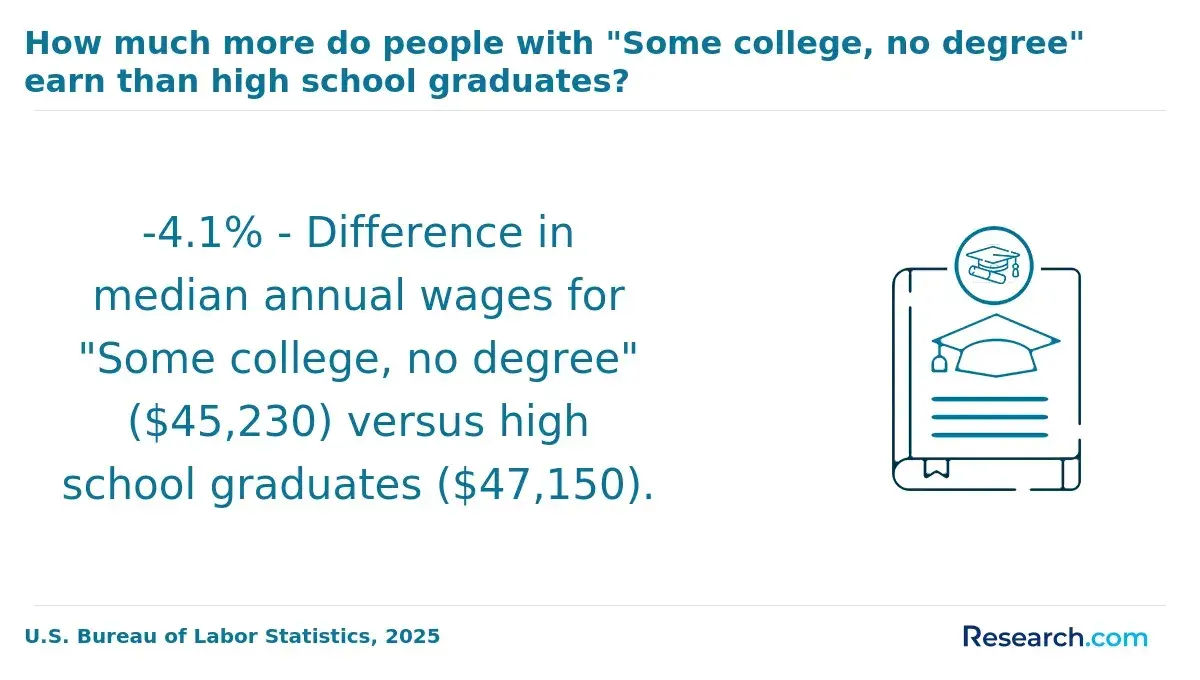
Degree level significantly shapes employment opportunities in African and African American Studies, with a bachelor's degree offering the broadest and most immediate access to entry-level positions in education, social services, and cultural organizations. According to 2024 data from the U.S. Bureau of Labor Statistics, unemployment for bachelor's holders in relevant humanities and social sciences stands at 3.2%, below the national average, demonstrating steady employer demand for this qualification tier. However, while associate degrees and certificates may facilitate quicker workforce entry, they frequently limit candidates to support roles with less stability and slower career progression, reflecting the preference of many employers for at least a bachelor's credential in competitive labor markets.
Graduate degrees markedly expand both specialization and earning potential, especially in leadership, policy analysis, advocacy, and higher education administration. Master's degree holders often experience median earnings 20-30% higher than those with only a bachelor's, highlighting the tangible value of advanced study despite longer time and financial investment. Doctoral credentials funnel professionals toward academia and research-intensive roles, which, though narrow, offer distinct career trajectories. For students weighing immediate employment against long-term advancement, integrating internships or practical experience during bachelor's or master's programs enhances hiring prospects significantly, as many employers prioritize demonstrated skills alongside formal qualifications.
Choosing a degree path in African and African American Studies entails balancing faster entry afforded by lower-level credentials against the expanded occupational scope and stability associated with higher degrees. For those working while studying or considering credit transfers, the decision often depends on whether their sector values specialized knowledge or practical experience more. Understanding these trade-offs is crucial, as advancing beyond a bachelor's typically opens doors to specialized and leadership roles that remain largely inaccessible with certificates or associate credentials alone.
What Entry-Level Jobs Can You Get With a African and African American Studies Degree?
Entry-level jobs for African and African American Studies graduates vary significantly based on degree attainment and practical experience, with employers often prioritizing relevant internships or fieldwork alongside academic credentials. Bachelor's degree holders frequently secure roles such as program coordinators or diversity specialists in nonprofit or community organizations, but these positions tend to serve as introduction points rather than long-term career destinations without further education or certification. For example, individuals aiming to work in policy analysis or advanced research typically need graduate-level degrees, while those interested in clinical counseling must pursue specialized licensure, a critical consideration when comparing educational investments against career trajectories. According to the National Center for Education Statistics (2024), graduates with practical service-learning experience report higher employment rates within six months, underscoring experience as a deciding factor in job competitiveness.
Geographic and sectoral factors further complicate job accessibility for students seeking African and African American Studies entry-level career options in the United States, with urban centers offering diverse roles in cultural institutions and public policy offices, whereas rural areas may provide fewer openings, requiring strategic location choices. Remote work remains limited in many direct service roles, influencing the feasibility of certain career paths for those balancing work and life demands.
When evaluating pathways, students should also consider how certifications and graduate degrees may unlock higher advancement ceilings compared to associate or bachelor-level credentials, making longer-term planning essential. Those exploring alternatives might look to fields with clearer credentialing routes, such as online construction management, to assess the value of specialized skills relative to African and African American Studies' broader, less technical scope.
How Do African and African American Studies Degree Levels Affect Career Advancement and Promotion Opportunities?
Advancement prospects in African and African American Studies careers are closely tied to degree level, as employers often use credentials to determine eligibility for supervisory and specialized roles. Bachelor's degrees typically open doors to entry-level positions in education, public policy, and cultural organizations, but mid-career promotions increasingly favor candidates with master's degrees due to their emphasis on research, management, and strategic planning skills. Data from the U.S. Department of Education's Integrated Postsecondary Education Data System shows master's graduates in this field experience promotion rates up to 25% faster in nonprofit and academic sectors, suggesting that advanced study equips professionals with competencies that meet employer expectations for leadership and program development. For those balancing work and study, flexible graduate programs or transfer-credit options can accelerate attainment of these credentials, influencing the timing of career mobility and readiness for higher responsibility.
In practice, professionals with only bachelor's degrees often rely more heavily on accumulated experience and demonstrated impact to overcome advancement barriers, while graduate-level education tends to ease transitions into roles requiring supervisory authority or grant-writing capabilities. The growing demand for continuing education and specialization in areas like diversity, equity, and inclusion also makes higher degrees or certificates not just advantageous but sometimes mandatory for leadership positions. Adult learners and prior college credit holders must weigh whether the time and financial investment in a master's or certificate significantly improves their competitiveness and professional credibility in a labor market increasingly emphasizing these qualifications.
One African and African American Studies graduate reflected on the decision to pursue a master's after years in nonprofit work. Initially hesitant, they questioned if the degree would truly unlock shoulder-tapping for leadership roles or if their experience alone sufficed. After researching employer postings and discussing with mentors, they recognized that while experience granted entry, the advanced credential was viewed as critical for program director positions that required grant management and strategic oversight. This realization shaped their decision to enroll in a flexible program, balancing work and study, with cautious optimism that the added credential would enhance, rather than merely validate, their leadership prospects.
Is a African and African American Studies Degree Worth It Based on Salary, Employment, and ROI?
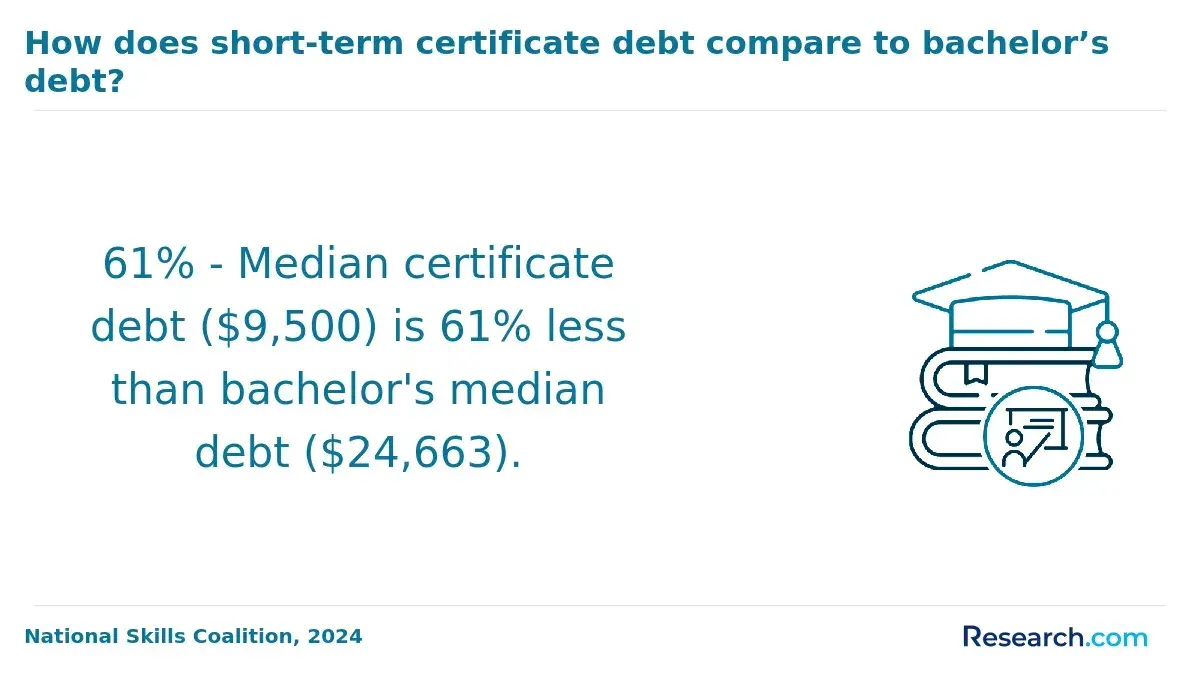
Graduates with a degree in African and African American Studies face varied outcomes depending largely on degree level and career focus, with salary and job stability often reflecting broader trends in humanities and social sciences. Bachelor's degree holders commonly find employment in education, nonprofit, or public sectors where median wages and unemployment align with liberal arts averages, but growth tends to be gradual and less likely to offset opportunity costs quickly. For working adults or transfer students weighing further education, the decision to pursue advanced degrees must balance extended time-to-completion and increased debt against improved salary potential and job security in specialized research, policy, or academic roles.
Those comparing African and African American Studies career salary comparisons by degree level should note that master's and doctoral graduates typically command higher earnings and advancement opportunities, although these often require additional credentials or licensure, particularly in education or social services. Urban labor markets with strong cultural institutions and government agencies show greater demand, but prospects remain uneven and linked to geographic location and local employer expectations. Adult learners should consider program flexibility and financial aid carefully, as these factors strongly influence overall return on investment alongside longer-term career mobility and wage progression.
Prospective students exploring career outcomes and return on investment will find that degree ROI hinges heavily on personal career goals, debt tolerance, and the ability to leverage credentials in relevant sectors. Those seeking more technical or high-demand fields might explore alternative paths such as a UI UX design degree for potentially faster economic returns, while African and African American Studies graduates often pursue meaningful but slower-building roles in advocacy, education, or public service requiring ongoing professional development.
How Do Associate, Bachelor's, Master's, and Doctoral African and African American Studies Degrees Compare?
Employment outcomes in african and african american studies vary markedly by credential level, with bachelor's degrees offering markedly broader access to relevant roles than associate degrees. Recent 2024 data from the National Center for Education Statistics shows roughly 78% employment within six months for bachelor's graduates versus 62% for those holding only an associate degree, reflecting employer preference for more comprehensive analytical and interdisciplinary skills developed in four-year programs. For many students, stopping at an associate degree may limit entry to lower-tier positions that often require additional certifications for advancement, while bachelor's credential holders encounter more opportunities for stable employment and career mobility in sectors such as education, community advocacy, and social services.
Master's degree holders in african and african american studies tend to occupy specialized roles that blend research, policy analysis, and program administration, frequently requiring supplementary licensure or nonprofit management credentials to maintain competitive advantage. Pursuing graduate study can deepen professional expertise but also entails significant debt increase, heightening the importance of evaluating whether the specialization aligns with clear career outcomes or leadership goals. Doctoral graduates typically move into academia, research leadership, or consulting positions that influence institutional diversity or social justice strategies; however, these paths demand considerable time investment and often offer less immediate financial return compared to practice-oriented degrees.
Transferability of credits presents practical limits-while credits often transfer effectively from associate to bachelor's programs, progression into graduate-level African and African American studies frequently requires relevant work experience or prerequisite courses, reducing ease of stackable credential attainment and increasing time-to-completion risks.
Which Industries and Employers Hire African and African American Studies Graduates by Degree Level?
Employment outcomes for African and African American Studies graduates vary sharply with credential level, reflecting employer expectations and role complexities across sectors. Associate degree holders often find entry-level roles in nonprofit and social assistance organizations, but upward mobility is limited without further credentials or experience. For example, graduates with bachelor's degrees frequently secure positions in public agencies, museums, and educational institutions where communication and program coordination are critical, yet these employers increasingly prefer candidates who can demonstrate interdisciplinary analytical skills and leadership potential. According to data from the U.S. Bureau of Labor Statistics, nonprofits and social services remain major hiring sectors but emphasize experience alongside degrees.
At the master's level, the workforce focus shifts toward specialized policy analysis, advocacy leadership, and higher education administration, with employers like think tanks and universities prioritizing advanced degrees for supervisory roles and research-intensive projects. Doctoral graduates, by contrast, are predominantly recruited by academia and federal research institutions, where expectations include a strong portfolio of scholarly publications and grant acquisition, making this track suitable primarily for those targeting tenured or high-level research careers. Certificate programs often serve a supplementary function, enhancing skills in diversity training and community organizing within human resources or consulting but rarely substituting for degree qualifications, illustrating the tradeoff between focused skill-building and traditional credentialing.
The level of credential attained directly influences access to leadership and policy-related roles, with employers in public and nonprofit sectors showing distinct preferences for higher degrees in strategic positions. Regional labor variations and the transferability of critical thinking and communication skills factor into hiring decisions, compelling prospective students to weigh the cost and time investment against realistic career trajectories. For instance, data from the College Scorecard (2024) reveal that advanced degrees correlate strongly with supervisory responsibilities and higher pay brackets, underscoring the importance of credential level in shaping meaningful career advancement within African and African American Studies fields.
What Skills, Credentials, and Experience Improve African and African American Studies Career Outcomes?
Success in African and African American Studies career advancement skills and credentials hinges on combining academic preparation with strategically chosen applied experiences. Data consistently show that graduates who engage in internships or field placements markedly increase their employability in competitive job markets, where employers prioritize critical analysis, research proficiency, cultural competency, and effective communication. For example, a graduate supplementing a bachelor's degree with an internship and project management certification often gains access to nonprofit roles that reward both academic knowledge and demonstrated practical skills, reflecting employer expectations for candidates prepared for immediate contribution and leadership potential.
Credential stacking enhances promotion readiness and opens broader career pathways, especially when aligned with industry-recognized certifications such as Certified Diversity Professional or grant-writing credentials. Licensure becomes essential primarily in specialized sectors like social work or counseling, where state certification dictates eligibility; for many students, this requires deliberate planning to match degree selection with licensure goals. Soft skills, evidenced through leadership in student organizations or community projects, distinguish candidates by highlighting teamwork and managerial experience, which portfolio development can further amplify by showcasing tangible outcomes. This multi-dimensional preparation is critical for adult learners, military-affiliated students, and transfer students who must integrate prior experience with new credentials to maintain upward mobility.
Working professionals weighing degree pathways should also consider options like pursuing a doctorate without dissertation to expedite terminal qualifications while balancing professional obligations. This flexibility can prove crucial for extended career growth within academia or research-intensive roles, offering an alternative to more traditional, time-intensive routes. Overall, the practical value of moving between credential levels depends on clear alignment with role-specific technical skills and employer preferences, improving employment access and long-term advancement in African and African American Studies fields.
Which African and African American Studies Degree Level Is Best for Your Career Goals?
Selecting the best degree level for African and African American Studies careers hinges on balancing immediate employment access with long-term advancement goals. Bachelor's degrees commonly facilitate entry into education, social services, or nonprofit roles where practical experience can outweigh formal credentials; roughly 78% of graduates secure employment within a year, reflecting broad but relatively limited upward mobility. Conversely, master's degrees cater to those seeking specialization and mid-level leadership, though data suggests only 45% of graduates achieve promotion within five years, underscoring a need for accrued experience or supplementary qualifications to reach higher ranks.
Doctoral degrees, while demanding extensive time and financial investment with completion rates below 40% over eight years, open pathways to tenure-track academia or high-level consulting, providing notable credential gains and interdisciplinary flexibility. For working adults and transfer students, considerations such as accelerated programs, cost, and credit transfer viability often tip decisions toward bachelor's or master's tracks, since practical internships and community engagement critically influence employability across levels. Those weighing extended education may also explore alternatives like a project management bachelor degree, which can supplement African and African American Studies expertise and expand workforce options.
Understanding these degree-level tradeoffs in African and African American Studies degree career outcomes allows students and professionals to align their educational investments with realistic workforce expectations. Few employers expect doctoral credentials outside academia, so degree planning should include an honest assessment of opportunity costs, employer preferences, and the role of field experience for sustained career mobility.
References
- Does College Pay Off? A Comprehensive Return On Investment Analysis - FREOPP https://freopp.org/whitepapers/does-college-pay-off-a-comprehensive-return-on-investment-analysis/
- Africana Studies, Possibilities, and Employability - Universal Write Publications https://uwpbooks.com/black-voices/africana-studies-possibilities-and-employability/
- Why Black Studies? https://www.aaihs.org/why-black-studies/
Other Things You Should Know About African and African American Studies
The structure of african and African American studies programs varies by degree level, affecting career flexibility significantly. Undergraduate programs often emphasize broad interdisciplinary coursework, which may limit immediate specialization but enhance adaptability across sectors. In contrast, graduate-level programs typically require research-intensive work and niche expertise, which can narrow career paths but strengthen qualifications for academic or specialized roles. Prospective students should weigh the tradeoff between broad skill sets and specialized knowledge based on whether they seek versatile employment or targeted career advancement.
Employers often associate advanced degrees in african and African American studies with higher analytical and research skills, which correlate with expectations for managing complex projects and greater independence. This translates into increased workload and responsibility at the graduate level, especially in roles related to policy, education, or cultural organizations. Candidates with bachelor's degrees may encounter less demanding workloads initially but might face slower career progression. Understanding this dynamic can help students prepare for the intensity of work environments tied to their qualification level.
While higher degree levels generally open doors to advanced positions, the reputation and network of the program can sometimes outweigh degree level alone, especially in academic and nonprofit sectors. A well-regarded program with strong employer connections can facilitate internships and placement in competitive roles more effectively than a higher degree from a less recognized institution. For those balancing time and financial investment, focusing on reputable programs with robust career support may provide better practical outcomes than solely pursuing advanced degrees.
Working adults need to balance degree completion with current employment demands and potential advancement benefits. Part-time or online african and African American studies programs at the bachelor's or master's level often offer practical pathways without disrupting careers. However, delayed completion or lower degree levels might limit advancement in fields requiring specialized knowledge or credentials. Prioritizing degree completion strategies that align with immediate employer expectations and workload capacity can yield the most efficient return on investment.