2027 African and African American Studies ROI by Institution Type: Public vs Private vs Nonprofit Online Programs

Co-Founder and Chief Data Scientist
Choosing between online african and african american studies programs at public, private, or nonprofit institutions often involves more than comparing course catalogs. A prospective student may face starkly different tuition rates and debt outcomes that drastically affect financial stability. For example, a 2024 study from the National Student Clearinghouse Research Center found that students from private programs carry 35% higher average debt but do not always graduate at greater rates than those in public or nonprofit options.
This gap signals complex tradeoffs in institutional support and career preparation that influence long-term ROI. This article dissects these differences to clarify how institution type impacts debt, graduation success, and career relevance in african and african american studies online programs.
Key Things to Know About African and African American Studies ROI by Institution Type
- Public institutions often have lower tuition but higher average student debt, reflecting disparities in available financial aid; this tradeoff affects ROI by increasing repayment burdens despite affordable sticker prices.
- Private online programs typically show stronger employer recognition linked to reputational capital, often translating into better career advancement for graduates despite elevated upfront costs.
- Nonprofit online African and African American Studies programs emphasize learner support and flexible pacing, crucial for working adults but may extend time-to-completion, impacting the timing of workforce reentry and ROI.
- Key Things to Know About African and African American Studies ROI by Institution Type Key Things to Know About African and African American Studies ROI by Institution Type
- What Does ROI Mean for a African and African American Studies Program and How Is It Measured? Understanding African and African American Studies Program ROI
- How Do Public, Private, and Nonprofit Online African and African American Studies Programs Differ in Overall Value? Value by Institution Type
- How Do Tuition Costs Affect the ROI of a African and African American Studies Program Across Institution Types? Tuition Costs and ROI
- How Do Graduation Rates Influence African and African American Studies Program ROI? Graduation Rates Impact ROI
- What Role Do Career Outcomes Play in the ROI of a African and African American Studies Degree? Career Outcomes and ROI
- How Does Student Debt Impact the Long-Term ROI of a African and African American Studies Program? Debt vs. Long-Term ROI
- How Do Flexibility and Adult Learner Support Affect African and African American Studies Program Value? Flexibility and Program Value
- How Do Accreditation and Institutional Reputation Influence African and African American Studies ROI? How Do Accreditation and Institutional Reputation Influence African and African American Studies ROI?
- How Does Time-to-Degree Affect the ROI of Public, Private, and Nonprofit African and African American Studies Programs? How Does Time-to-Degree Affect the ROI of Public, Private, and Nonprofit African and African American Studies Programs?
- How Can You Choose the Best African and African American Studies Program Based on Your ROI Goals? Choosing Programs by ROI
What Does ROI Mean for a African and African American Studies Program and How Is It Measured?
Return on investment in African and African American Studies programs in online education requires careful differentiation beyond simple tuition costs, especially when comparing public, private, and nonprofit institutions. A prospective student must balance the immediate financial outlay against factors such as program completion rates, time-to-degree, and institutional reputation, all of which influence long-term career outcomes and debt management.
For example, a lower-cost public program with high in-state rates might seem financially attractive, but if its graduation rate lags behind that of a nonprofit option-which recent data suggests can have a 10-15% higher six-year completion rate-students may incur greater opportunity costs and extended debt repayment periods. These tradeoffs highlight the importance of assessing the operational realities behind the numbers rather than relying solely on sticker price.
Measuring return on investment for African and African American Studies degrees involves integrating multidimensional metrics like student debt levels, flexible scheduling suitable for working adults, and broader career trajectories that emphasize intellectual and community engagement rather than just salary benchmarks. Many working professionals or career changers enrolling in online programs prioritize programs that accommodate extended time-to-degree to reduce dropout risk, with the acknowledgment that these decisions affect overall ROI differently than traditional full-time pathways.
Additionally, career outcomes in this field often include roles where cultural competency and civic engagement hold weight alongside earnings, reinforcing that institutional support and program quality can profoundly impact the value of the credential beyond immediate financial returns. Adults making enrollment decisions should therefore consider how varying personal goals shape these ROI calculations.
Prospective students evaluating online African and African American Studies program ROI metrics should also factor in emerging educational resources, such as certificates online that complement degree studies and enhance employability in related fields. While these programs may carry higher tuition fees, their investment can be justified by enhanced learner support or smaller class sizes that improve completion probabilities and satisfaction.
Ultimately, understanding the distinctive nuances of program affordability, educational quality, and career relevance enables prospective learners to make decisions aligned with their financial means and long-term objectives, especially in a field where non-monetary gains increasingly influence employer expectations and societal impact.
How Do Public, Private, and Nonprofit Online African and African American Studies Programs Differ in Overall Value?
Choosing between public, private, and nonprofit online african and african american studies programs requires weighing distinct tradeoffs in cost, graduation likelihood, and career outcomes. Public institutions tend to be more affordable due to state subsidies and often boast higher median graduation rates-around 45%, according to the National Center for Education Statistics (2024)-which can reduce time-to-degree and overall educational expense.
However, larger class sizes and potentially less individualized support may challenge some students, whereas private nonprofit programs offer more personalized mentorship and smaller cohorts but usually come with significantly higher tuition and a roughly 20% greater average debt load, as noted by the Institute for College Access & Success (2024). This debt disparity impacts long-term financial wellbeing and may outweigh the perceived prestige or networking benefits for many learners.
Nonprofit programs-including specialized consortia and faith-based schools-often emphasize culturally grounded curricula and community engagement, which can be valuable for careers in education or social services, though employer recognition varies widely by accreditation and reputation. Flexibility is another critical factor: public universities frequently provide more asynchronous courses and generous transfer credit policies, facilitating degree completion for working adults.
Ultimately, the financial and academic structures of each sector affect affordability, completion rates, and career preparation differently, making it vital for prospective students to align their choice with both fiscal realities and professional objectives rather than defaulting to assumptions about institutional prestige.
One student considering online african and african american studies weighed a public university's lower tuition and higher graduation rate against a private nonprofit's smaller classes and mentorship opportunities. Concerned about accumulating debt exceeding peers by 20%, the student also scrutinized the nonprofit's limited accreditation status and mixed employer recognition.
After comparing financial aid offerings and assessing their need for flexible scheduling while working full-time, they ultimately chose the public program, valuing the reduced debt risk and stronger completion metrics despite less personal attention. The decision reflected a careful balance of ROI priorities rather than a simple preference for name recognition or program type.
How Do Tuition Costs Affect the ROI of a African and African American Studies Program Across Institution Types?
Tuition cost differences across public, private, and nonprofit online African and African American Studies programs shape return on investment in complex ways that extend beyond sticker price. Public institutions often present lower tuition-typically between $7,000 and $10,000 annually for in-state students-reducing debt exposure and easing financial strain.
According to the National Center for Education Statistics in 2024, students in public online programs carry around 20% less debt than those at private schools, a factor that can substantially improve long-term financial outcomes when completion and post-graduate employment align. However, lower tuition does not guarantee superior ROI if factors like timely graduation and career support lag behind.
Private programs generally charge two to three times more, reflecting investments in smaller classes, personalized support, and networking that can enhance academic persistence and employability within relevant fields. Yet, the marginally higher completion rates reported by the Education Data Initiative in 2024 highlight that success depends heavily on the student's ability to leverage these benefits. Meanwhile, nonprofit online programs often balance moderate pricing with mission-driven aid and repayment rates comparable to public institutions, presenting viable alternatives for cost-conscious learners who value financial aid without sacrificing outcomes.
Adult learners and career changers should weigh these tuition variances alongside institutional capacity to support timely degree completion, debt repayment, and job market alignment. For example, a working professional might find that investing in a higher-cost private program's tailored resources pays off if it leads to faster graduation and stronger connections in humanities-related careers, whereas another student's priority on minimizing debt may favor public or nonprofit pathways with adequate support. Ultimately, ROI hinges on how tuition interacts with financial aid, learner persistence, and employability within this specialized academic field rather than tuition alone.
How Do Graduation Rates Influence African and African American Studies Program ROI?
Graduation rates significantly shape the return on investment in African and African American Studies programs by reflecting key institutional factors such as student support, advising quality, and academic flexibility. Public online institutions tend to average around a 45% completion rate, compared to approximately 55% at private nonprofit online schools, highlighting differences in resources and retention strategies. These completion figures impact not only direct costs but also time-to-degree, which affects overall debt and workforce entry timing-a crucial consideration for cost-conscious adult learners balancing many responsibilities.
However, graduation rates alone do not fully capture program ROI for African and African American Studies students, as many enroll part-time or transfer credits, altering traditional completion benchmarks. Employers increasingly prioritize relevant skills and experience alongside degree completion, meaning graduates with applicable competencies may achieve strong outcomes regardless of institutional graduation statistics.
Decision-makers should weigh graduation outcomes alongside financial aid, scheduling flexibility, and credit transfer policies, recognizing that higher completion rates often indicate institutional effectiveness yet must be considered within broader educational and career contexts.
For prospective students comparing options, a focus on these nuanced tradeoffs can guide better choices-particularly when factoring in long-term value versus upfront cost. Those exploring related fields might also consider programs like the master of library science, which shares similar considerations around affordability and career alignment. Evaluating graduation rates as part of a comprehensive assessment of outcomes and institutional support can clarify the actual economic and professional benefits of African and African American Studies online degrees.
What Role Do Career Outcomes Play in the ROI of a African and African American Studies Degree?
Career outcomes critically shape the return on investment for African and African American Studies degrees from public, private, and nonprofit online programs, especially when weighed against tuition and debt load. For example, public institutions often channel graduates into stable roles within government and nonprofit sectors aligned with social justice missions but offer modest salary growth, which can temper ROI despite lower costs.
Private programs provide expanded networking and direct pipelines into diversity and inclusion positions with higher starting pay, yet their substantial tuition may extend payback periods, creating financial tension for cost-sensitive students. Nonprofit programs emphasize interdisciplinary skills and research readiness, appealing to those considering graduate school, but the delayed entry into the workforce can challenge immediate financial returns, demanding a longer horizon to assess overall value.
Employer recognition varies notably across these segments, influencing career mobility and salary progression. According to a 2024 Education Policy Institute survey, 62% of diversity hiring managers regard degrees from nonprofit online programs as effective preparation, surpassing public and private counterparts, underscoring the premium placed on critical thinking and cultural literacy in specialized roles.
This nuance is essential for prospective students balancing program cost, credential reputation, and labor market alignment. Ultimately, program choice intersects with practical career trajectories, including sector-specific placement trends, expected time to degree, and personal financial tolerance for upfront investment versus long-term professional growth.
A graduate from a nonprofit African and African American Studies online program described initially weighing whether the slower career entry and research orientation justified the higher tuition cost. Over several years, the expanded skillset and employer respect for the degree gradually translated into internal promotions and leadership opportunities in policy and advocacy organizations, validating the investment beyond initial salary benchmarks. Their experience reflects the complex calculus of evaluating ROI through both tangible job market outcomes and subtler gains in professional credibility and career flexibility.
How Does Student Debt Impact the Long-Term ROI of a African and African American Studies Program?
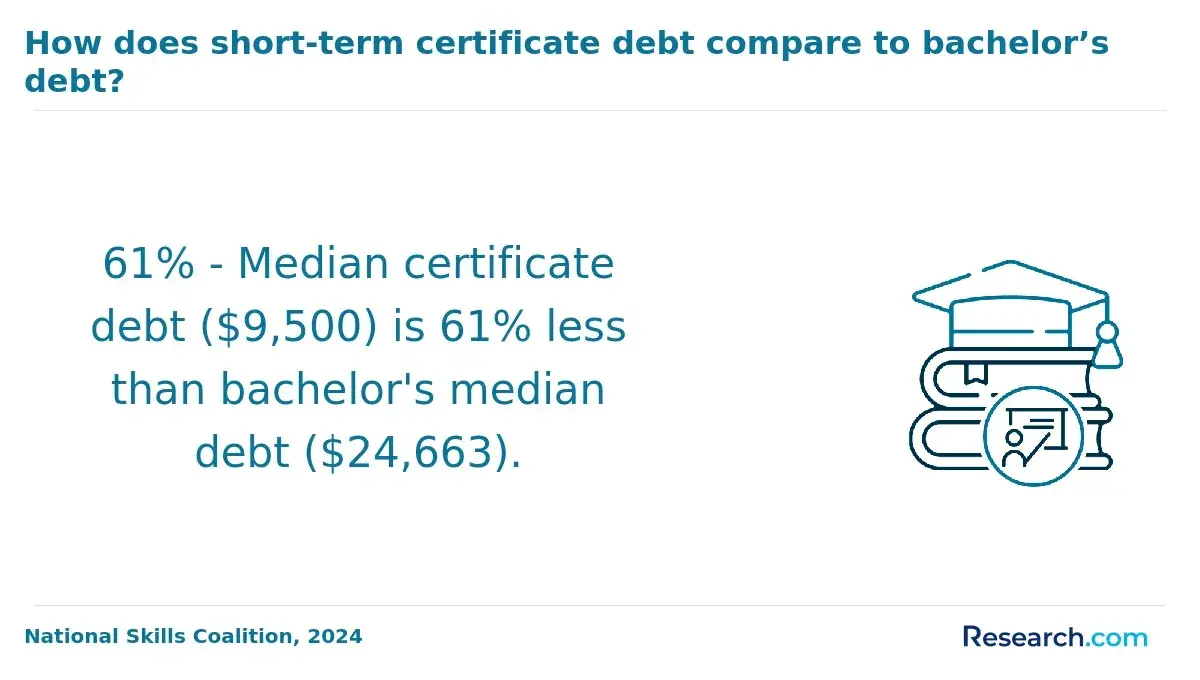
Borrowing strategies and debt levels critically shape the long-term financial outcomes for African and African American Studies graduates, particularly when comparing public, private, and nonprofit online programs. Graduates from private institutions often carry average debts near $38,000, significantly higher than the $20,000-$26,000 typical for public and nonprofit schools, which can constrain career options and delay milestones like homeownership or savings.
For instance, a graduate with elevated debt from a private program might face greater risks of delinquency or default, as reported by the Federal Reserve, undermining the anticipated return on investment despite such programs' perceived prestige or specialized resources. These tradeoffs are especially relevant for students pursuing professions in education, social services, or advocacy, where salary growth may not offset high debt burdens.
Evaluating the impact of student loan repayment on ROI for online African and African American Studies programs requires considering graduation rates, tuition costs, and institutional aid availability alongside debt burdens. Public and nonprofit online programs frequently offer more affordable tuition and access to financial support, reducing reliance on borrowing and enhancing net lifetime educational value.
However, institutional reputation and employer recognition also influence ROI, as programs with lower completion rates or limited acknowledgment in the workforce may diminish career advancement opportunities regardless of debt size. Cost-conscious learners should weigh these factors thoughtfully, recognizing that selecting a program solely on price or prestige without examining these operational realities may yield suboptimal long-term financial outcomes. Many prospective students also explore pathways linked to an art therapy degree as an alternative, reflecting the importance of aligning educational choices with realistic career trajectories and debt considerations.
How Do Flexibility and Adult Learner Support Affect African and African American Studies Program Value?
Programs offering flexibility through asynchronous coursework and part-time enrollment directly impact the ability of adult learners-often balancing employment and family commitments-to persist and complete degrees on time. Public institutions frequently provide broader scheduling options and lower tuition, appealing to cost-sensitive students, but may lack the targeted academic advising, transfer-friendly policies, and career services that private and nonprofit programs emphasize. These supports can improve retention by significant margins, as evidenced in recent Adult Learner Success Initiative findings, which is a critical factor when considering opportunity costs tied to extended time-to-degree or dropout risks.
Faculty accessibility and personalized mentoring further distinguish program value, with smaller private and nonprofit institutions typically providing more direct student-faculty interaction. While this enhances engagement and completion rates, it often comes with higher price tags, underscoring a tradeoff between affordability and academic support.
Additionally, investment in technology platforms and accommodations-especially for working adults, parents, and military-affiliated students-is more pronounced in private and nonprofit settings, contributing to smoother learning experiences that can reduce barriers and improve educational outcomes. These differences shape not only the short-term costs but also long-term employability and satisfaction metrics linked to African and African American Studies online degrees.
Ultimately, adults evaluating African and African American Studies programs must assess how institutional flexibility and comprehensive learner support interact with their financial constraints and career objectives. For some, a public university's affordability offsets its lesser personalized supports; for others, the network and specialized services of a private or nonprofit program justify higher tuition and potentially faster progression. A 2024 report by the National Center for Education Statistics highlights nearly 60% of adult students prioritize asynchronous, part-time options-reflecting that balancing real-world commitments remains paramount in maximizing return on investment.
How Do Accreditation and Institutional Reputation Influence African and African American Studies ROI?
Accreditation and institutional reputation critically shape the return on investment for students pursuing African and African American Studies by directly influencing credential credibility and career prospects. Regional accreditation remains essential for ensuring program quality, facilitating credit transfer, and maintaining eligibility for federal financial aid-all factors that reduce financial risk and support long-term educational mobility.
For example, a student transferring from a nonprofit online program with regional accreditation is more likely to have credits recognized by graduate schools, whereas a degree from an unaccredited provider can limit such options and undermine employability prospects.
Employer preferences often reflect nuanced distinctions between public, private, and nonprofit institutions beyond accreditation status alone. A 2024 Council for Higher Education Accreditation report found that over 90% of employers value degrees from regionally accredited schools, yet 65% of humanities and social sciences employers also weigh institutional reputation as a proxy for rigorous curriculum and critical thinking skills.
However, for many entry-level roles in African and African American Studies fields, tangible skills and experiential learning-such as mentorship and internships common in some nonprofit programs-can offset lesser prestige. Balancing tuition costs and graduation outcomes alongside these factors is vital, as public universities may offer lower debt burdens but less specialized support, influencing overall ROI and career readiness in subtle but impactful ways.
How Does Time-to-Degree Affect the ROI of Public, Private, and Nonprofit African and African American Studies Programs?
Time-to-degree directly affects the return on investment (ROI) for African and African American Studies programs by influencing tuition exposure, opportunity costs, and debt burdens. Public institutions, while generally more affordable, often contend with longer completion timelines due to higher rates of part-time enrollment and complexities in transferring credits, which can delay workforce reentry and reduce early career earnings. In contrast, private and nonprofit online programs typically offer accelerated pathways and greater scheduling flexibility that support faster degree completion, but students face higher tuition costs, requiring careful evaluation of whether the quicker credential attainment justifies the increased financial outlay. This tradeoff is critical for working adults and career changers balancing multiple commitments.
Completion rates and institutional policies on transfer credits also shape how quickly students finish their degrees and realize ROI. For example, a part-time student at a public university may extend their program significantly, increasing tuition and delaying job advancement, while a comparable student in a nonprofit online program with credit transfer support might graduate sooner despite paying higher tuition. However, accelerated programs may risk student burnout or attrition if demands overwhelm work and family responsibilities. These dynamics highlight why cost-conscious students should emphasize completion likelihood and academic support alongside program speed.
Cost-conscious learners comparing public, private, and nonprofit African and African American Studies online options must weigh time-to-degree implications against financial aid availability and personal circumstances. Employer demand for degree completion and relevant experience means that a slightly longer timeline with full credential attainment can sometimes outperform the nominal advantage of the fastest graduation date. Prospective students can also explore related pathways such as masters in child psychology online, which may offer alternative progression models tailored to adult learners' needs.
How Can You Choose the Best African and African American Studies Program Based on Your ROI Goals?
Determining the best African and African American Studies program for return on investment depends heavily on individual priorities rather than just institution type. Public online programs generally offer lower tuition and reduced student debt burdens, often up to 60% less in-state cost compared to private institutions; however, this affordability may accompany longer time-to-degree or lower graduation rates, which can delay entry into the workforce. Private and nonprofit online programs tend to provide stronger accreditation, learner support, and reputation advantages that benefit those targeting specialized careers or academic roles but often result in higher debt loads and upfront costs.
Students balancing work and family might prioritize program flexibility and support services, which vary significantly among institution types and directly influence ROI by affecting time and stress to completion. Career outcomes also depend on employer perception of the school's reputation and alumni network strength, factors sometimes emphasized more by nonprofit programs. Assessing African and African American Studies program ROI by institution type requires weighing these practical tradeoffs alongside personal circumstances such as employment status and long-term career goals.
Since no single approach fits all learners, cost-conscious adult students and career changers should consider these dimensions carefully. For those seeking an informed comparison of affordability and quality among diverse online options, reviewing metrics highlighted in the best online instructional design master's programs report is advisable. Such resources can illuminate how African and African American Studies online degree value comparison intersects with factors like debt, graduation rates, and career placement, allowing for a well-rounded investment decision.
References
- Does College Pay Off? A Comprehensive Return On Investment Analysis - FREOPP https://freopp.org/whitepapers/does-college-pay-off-a-comprehensive-return-on-investment-analysis/
- Measuring the Return on Investment (ROI) through an integrated framework: A case of academic staff training and development interventions in South Africa https://ssbfnet.com/ojs/index.php/ijrbs/article/view/4621
- View of Evaluating University Degree Programs Regarding the Effective Use of Public and Private Funding https://www.econjournals.com/index.php/irmm/article/view/3307/pdf
- Why you should major in African American Studies https://www.kaplanpathways.com/blog/why-you-should-major-in-african-american-studies/
- Explaining the High Cost of Higher Education to Black Americans A Focus on Black American Women https://www.scirp.org/journal/paperinformation
- African Studies (M.A.) https://gs.howard.edu/african-studies-ma
- The Long-Term Effects of Student Loans | ACE Blog https://ace.edu/blog/the-long-term-effects-of-student-loans/
- The Economics of Accreditation: Costs, Benefits, ROI - Course Accreditation https://course-accreditation.com/blog/the-economics-of-accreditation-costs-benefits-roi/
- Africana Studies, Possibilities, and Employability - Universal Write Publications https://uwpbooks.com/black-voices/africana-studies-possibilities-and-employability/
- How African High School Students Can Join U.S. Research Programs https://riseglobaleducation.com/blogs/how-african-high-school-students-can-join-u-s-research-programs
Other Things You Should Know About African and African American Studies
Private institutions often promote smaller class sizes and enhanced faculty access, which can benefit mentorship and networking in African and African American studies. However, many public and nonprofit online programs leverage extensive alumni networks and partnerships that equal or exceed these opportunities. Students should assess program-specific resources rather than assuming private status ensures superior connections, as practical engagement often depends more on how the program integrates students into active academic and professional communities.
Public and nonprofit online programs tend to offer more flexible pacing and lighter workloads suitable for career changers or working adults, while some private programs may demand more rigorous schedules that can strain time resources. Since additional time commitments can increase opportunity costs and stress, cost-conscious learners should prioritize programs fitting their lifestyle to avoid burnout and potential delays that erode ROI. Balancing academic demands with work-life realities is crucial for maintaining steady progress without sacrificing income or well-being.
Employer recognition typically focuses on individual skills and demonstrated competence rather than institutional type, but nonprofit institutions sometimes offer degree programs with explicitly community-oriented or applied emphases aligning with social justice roles. For students targeting nonprofit sector careers or specific cultural institutions, these alignments can enhance practical value. Thus, choosing a program with clear relevance to the intended career path outweighs institutional category alone when judging prospective employer perceptions.
Affordability in public programs generally allows students to minimize debt and allocate resources toward career development, often resulting in a stronger net ROI. Prestige from private programs can matter in niche academic or research careers but rarely translates into higher starting salaries or job security in most professional paths linked to African and African American studies. For cost-conscious learners outside elite academia, public institutions usually provide a more practical investment, while private options warrant consideration only if they offer distinct curricular advantages or targeted career services.