2027 African and African American Studies Student Debt Report: Borrowing, Monthly Payments, and Repayment Risk

Co-Founder and Chief Data Scientist
Programs in African and African American Studies often attract a diverse student body navigating unique academic and career trajectories that influence borrowing behavior. The field's interdisciplinary nature, fewer licensure requirements, and varied employment outcomes contribute to distinct debt patterns compared to traditionally professional or STEM disciplines.
Recent data from the National Center for Education Statistics (2024) indicate that many students in this field enroll part-time or return as nontraditional students, affecting loan amounts and repayment timelines. These enrollment and career entry trends shape monthly payment expectations and inform risk assessments of debt sustainability within the discipline's evolving workforce landscape.
Key Things to Know About African and African American Studies Student Debt
- Students in African and African American Studies often incur moderate debt, but median monthly payments can strain early-career budgets, reflecting slower income growth in related fields and necessitating careful budget planning.
- Employers in education and advocacy sectors value interdisciplinary knowledge, yet limited direct pathways to high-paying roles increase repayment risk, urging students to weigh practical career alignment before borrowing extensively.
- Extended degree completion times correlated with higher total borrowing highlight a timing tradeoff: prolonged enrollment increases debt load, intensifying long-term financial exposure beyond initial tuition expectations.
- Key Things to Know About African and African American Studies Student Debt Key Things to Know About African and African American Studies Student Debt
- How Much Student Loan Debt Do African and African American Studies Graduates Typically Have at Graduation? Average Studen Loan Debt
- What Factors Have the Biggest Impact on African and African American Studies Student Loan Debt? Student Debt Key Factors
- What Is the Average Monthly Student Loan Payment for African and African American Studies Graduates? Average Monthly Payment
- How Do Repayment Rates Compare Between Public and Private Institutions? Public vs. Private Institution Repayment Rates
- Do Online African and African American Studies Graduates Have Different Repayment Outcomes Than Campus-Based Students? Online vs. On-Campus Student Loan Repayment
- Which Industries Provide the Best Financial Return Relative to Borrowing Costs? Which Industries Provide the Best Financial Return Relative to Borrowing Costs?
- Does Student Debt Affect Which Jobs African and African American Studies Graduates Accept? Does Student Debt Affect Which Jobs African and African American Studies Graduates Accept?
- What Factors Increase Student Loan Repayment Risk for African and African American Studies Graduates? Loan Repayment Risk Factors
- How Can African and African American Studies Students Reduce Student Loan Debt While Earning Their Degree? Tips to Reduce Student Debt
- How Should Prospective Students Evaluate Borrowing Risk Before Enrolling? Evaluating Student Debt Risk
How Much Student Loan Debt Do African and African American Studies Graduates Typically Have at Graduation?
Graduates with degrees in African and African American Studies often carry student loan debt within a median range of approximately $28,000 to $35,000 as of 2024, according to data from the U.S. Department of Education and the College Scorecard. This average student loan debt for African and African American Studies graduates reflects typical borrowing patterns observed across both public and private nonprofit institutions.
Variations exist due to differences in institutional types and geographic locations, with private schools generally resulting in higher debt levels. These figures also embody the cumulative impact of tuition, living expenses, and extended time in school when students balance course loads with work or internships.
Several factors drive the divergence in borrowing amounts among students in African and African American Studies majors in the US. Public institutions, especially for in-state residents, tend to offer lower tuition that reduces total debt, while out-of-state students or those attending private colleges frequently face steeper financial demands. The availability of scholarships and need-based grants plays a crucial role, often mitigating the student's reliance on loans.
Additionally, part-time enrollment or extended program duration, which some students choose to accommodate employment or personal circumstances, can increase overall borrowing by prolonging expenses. These dynamics underscore disparities in borrowing behavior and highlight the complexity inherent in financing humanities-related degrees.
The consequences of this debt burden extend beyond graduation, influencing repayment stress and financial resilience. Given that degrees in African and African American Studies do not typically lead directly to high-earning professions with licensure, students must often navigate repayment plans carefully, sometimes utilizing income-driven repayment options to manage their monthly obligations.
This financial strain can shape career decisions and long-term stability after college. Prospective students might also explore alternative educational pathways that balance cultural education with financial feasibility, such as accelerated programs like 1 year MSW programs online no BSW, which may provide more affordable or career-focused outcomes.
What Factors Have the Biggest Impact on African and African American Studies Student Loan Debt?
Student loan debt among African and African American Studies students is shaped by a complex interplay of factors rooted in institutional pricing structures and individual financial circumstances. Rather than stemming from a single cause, borrowing levels reflect how tuition rates, financial aid access, enrollment choices, and debt management behaviors converge. This multifaceted dynamic explains why debt burdens vary widely across students within these programs.
- Institution Type and Tuition Pricing: Private nonprofit universities typically charge higher tuition and fees than public institutions, resulting in greater borrowing needs for African and African American Studies students attending these schools. These pricing policies interact with limited scholarship availability within humanities-focused programs, amplifying student reliance on loans rather than grants or awards.
- Program Length and Enrollment Patterns: Many students combine African and African American Studies with double majors or interdisciplinary tracks, lengthening time to degree completion. Students who extend their studies beyond four years often incur about 25% more debt, as extended enrollment increases total tuition and living expenses, compounded by fewer opportunities to offset costs through financial aid renewal.
- Socioeconomic Status and Financial Aid Access: Students from low- to moderate-income backgrounds disproportionately depend on federally subsidized loans due to limited personal or family resources. This reliance not only raises borrowing volume but also heightens repayment risk, as these students face greater challenges managing long-term debt alongside lower earning power tied to their degree's typical career paths.
- Career Outcomes and Earnings Potential: Graduates in African and African American Studies often enter sectors like public service or education with median starting salaries 15-20% below the national average for bachelor's holders. This earnings disparity constrains monthly repayment ability and extends debt tenure, reinforcing a cycle where borrowing decisions must account for anticipated long-term income trajectories rather than immediate educational costs alone.
- Availability of Institutional and External Scholarships: Compared to STEM fields, African and African American Studies students generally face fewer scholarship opportunities, increasing dependence on student loans. The scarcity of targeted aid creates a financing gap that these students must bridge through borrowing, especially at institutions with less robust endowments or financial aid budgets.
These factors collectively illustrate how borrowing levels reflect a systemic nexus of institutional policies and student circumstances. For those weighing program choices, exploring strategies to minimize debt by understanding how enrollment decisions, institutional type, and financial aid availability intersect is critical. For example, researching related options such as a cheap online psychology degree may offer alternative pathways with different cost and loan profiles while addressing related interests.
What Is the Average Monthly Student Loan Payment for African and African American Studies Graduates?
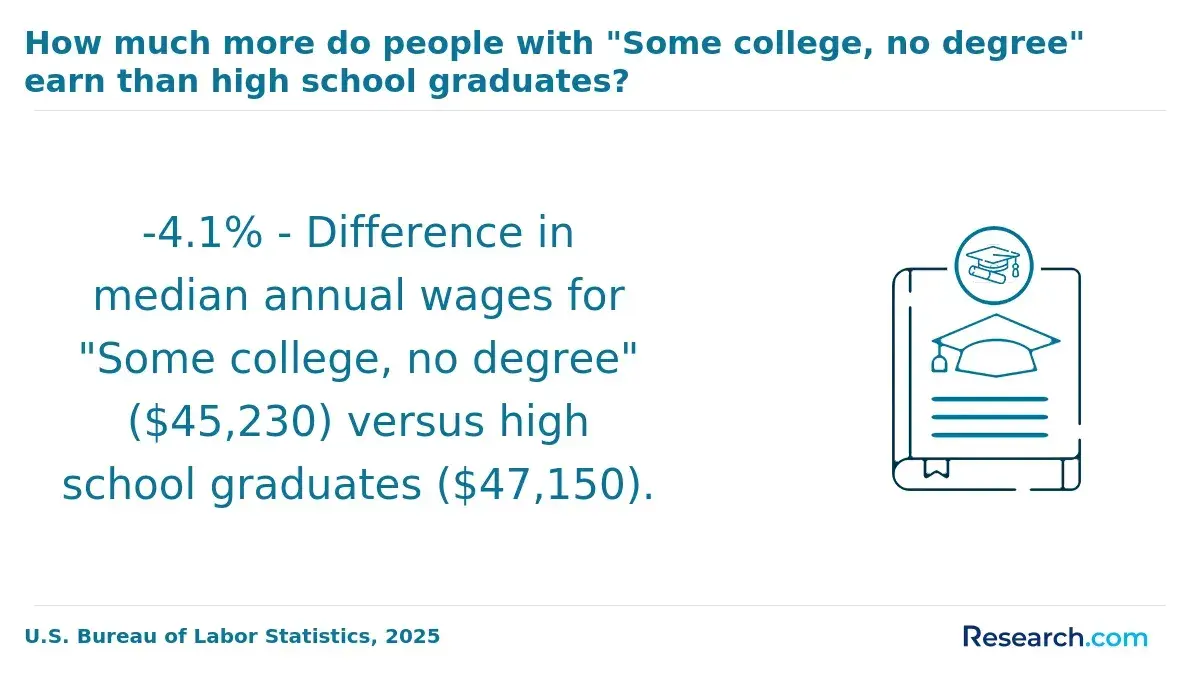
Recent data from the U.S. Department of Education and the Federal Reserve indicate that graduates with degrees in African and African American Studies generally experience average monthly student loan payments ranging between $250 and $400. These figures reflect typical borrowing patterns and repayment terms seen in humanities and social science disciplines, which tend to involve moderate initial debt compared to STEM fields, accompanied by lower starting salaries. The monthly payment amount is influenced by factors such as the loan principal at graduation, interest rates, and standard amortization periods spanning 10 to 20 years, resulting in payments that align with manageable but steady financial obligations over time.
Variations in monthly payments among these graduates primarily stem from differences in total debt levels and chosen repayment plans. Many graduates carry balances below the national average but face slower income growth due to employment in education, public service, or nonprofit sectors, which frequently offer income-driven repayment options that tailor monthly dues to earnings rather than fixed amounts. This flexibility in repayment plans helps control default risk but also extends debt timelines and affects overall interest accumulation. Consequently, the blend of smaller loan amounts, lower salaries, and widespread use of income-adjusted repayment creates a payment landscape marked by diverse financial pressures reflecting each borrower's unique employment and income trajectory.
One graduate recalled navigating a rolling admissions cycle that added unexpected complexity to their enrollment timeline. Initially hesitant to apply without full certainty on financial aid, they delayed submission despite early encouragement, concerned about locking in loan amounts before confirming job prospects. This cautious approach underscored the tension between strategic financial planning and urgency in higher education decisions, highlighting how uncertainties during admissions can ripple into later debt management and repayment experiences.
How Do Repayment Rates Compare Between Public and Private Institutions?
Recent data reveals that African and African American Studies graduates from public universities demonstrate higher loan repayment rates within three years of entering repayment compared to those from private institutions. Specifically, approximately 55% of public institution graduates sustain active federal loan repayments, whereas this rate drops to around 48% for private institution alumni. This gap aligns with broader trends reported in the 2024 Federal Student Aid Annual Report, reflecting divergent financial behaviors influenced by borrowing levels and repayment challenges that affect long-term loan management.
The disparity in repayment outcomes is closely tied to institutional cost structures and resulting debt burdens. Public university students in these programs typically accumulate lower average debt-around $26,000-versus about $38,000 for their private institution counterparts, as outlined by the 2024 College Scorecard. This difference in borrowing translates into more manageable monthly repayments, often between $200 and $250 for public graduates, compared to frequently exceeding $300 among private school borrowers. Income-driven repayment plan enrollment is also higher among private institution graduates, signaling greater repayment strain possibly linked to comparatively modest post-graduation earnings relative to their higher debt loads.
These patterns highlight significant repayment risk and financial stress concentrated among African and African American Studies graduates from private universities, which can hinder long-term economic mobility and shape perceptions of program value. Understanding how tuition pricing, debt levels, and post-degree employment prospects intertwine offers critical insight for students weighing their educational investments. Furthermore, repayment performance serves as a practical metric of institutional accountability and can inform policy discussions on targeted financial aid and support mechanisms tailored to reduce disproportionate debt impacts within this field.
Do Online African and African American Studies Graduates Have Different Repayment Outcomes Than Campus-Based Students?
Graduates of African and African American Studies programs from private institutions generally demonstrate higher loan repayment rates compared to their public university counterparts. Recent data from 2024 highlights an average three-year student loan repayment rate near 58% for private institution graduates, while public institution graduates show rates closer to 48%. This disparity reflects differences not just in repayment behavior but in the broader financial profiles and post-graduate earnings of students. When analyzing online vs campus-based African and African American Studies loan repayment, these institutional distinctions become increasingly relevant, given that online learners often face unique challenges influencing their repayment trajectories.
The underlying factors driving these differences hinge significantly on institutional pricing, average debt burdens, and graduate income levels. Private colleges, despite typically higher tuition, often provide more substantial financial aid packages and maintain stronger alumni networks, which can facilitate improved employment outcomes and income that supports more consistent loan repayment. Conversely, public institution graduates may borrow less on average but frequently contend with lower initial salaries and fewer targeted career supports, both of which can extend repayment timelines and stress monthly loan obligations. Understanding average monthly payments for African and African American Studies online graduates requires attention to such debt-to-income dynamics, as these variables shape the practical feasibility of loan servicing across institutional contexts.
These repayment rate differentials also influence perceptions of program value and institutional accountability within African and African American Studies fields. Graduates experiencing prolonged repayment stress risk diminished long-term financial mobility, which underscores the need for prospective students to evaluate both educational flexibility and debt management strategies critically. For those seeking specialized options, referencing resources like masters urban planning online can provide comparative insight into how program design impacts financial outcomes. Ultimately, repayment performance is a key metric informing how effectively institutions prepare students for the economic realities of higher education financing and workforce integration.
Which Industries Provide the Best Financial Return Relative to Borrowing Costs?
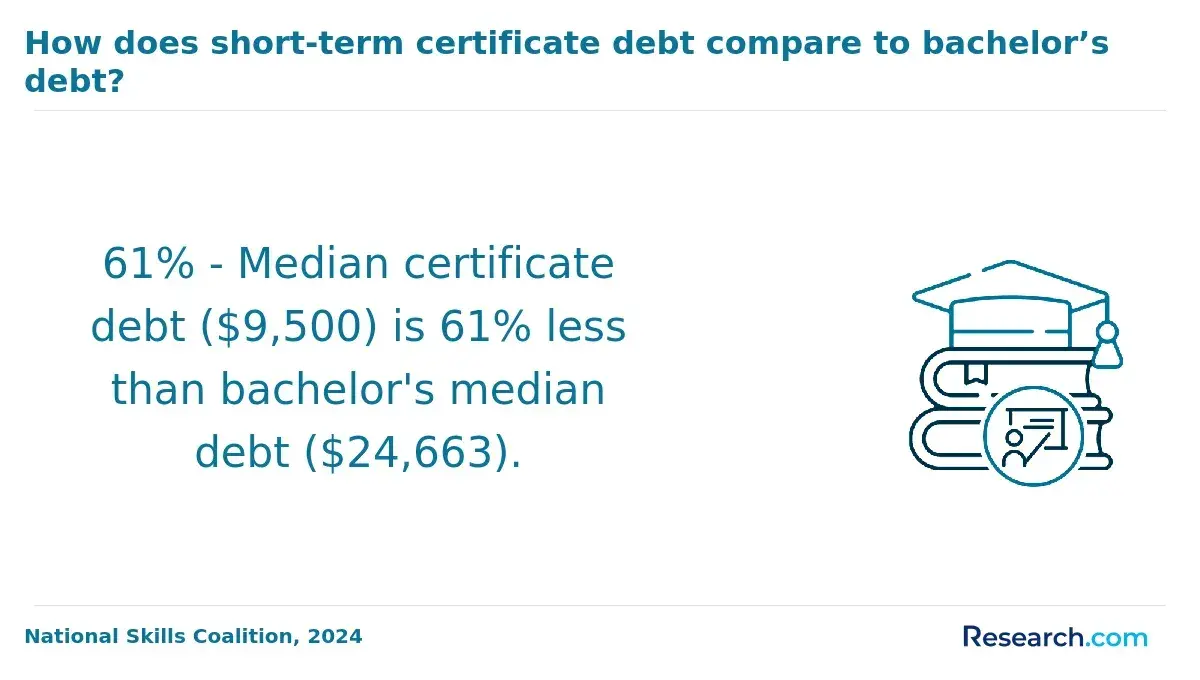
Financial return on an African and African American Studies degree varies widely across industries, shaped not just by salary levels but also by borrowing patterns and repayment conditions. A strong return integrates steady income growth potential, manageable debt-to-earnings ratios, and the speed at which graduates can progress professionally. Analyzing these factors helps clarify which sectors can effectively balance student loan burdens with sustainable career earnings.
- Public Administration: This sector typically offers consistent entry-level salaries alongside clear, incremental promotion tracks, which support gradual income increases. Federal and state roles frequently align with income-driven repayment options and loan forgiveness programs, reducing repayment strain despite moderate initial pay. Data from the National Center for Education Statistics (NCES) highlights starting salaries ranging from $45,000 to $54,000, paired with relatively stable hiring demand.
- Social Services: Careers in social work and community organizations often provide more predictable employment and access to subsidized loan repayment plans. While salaries may be modest, the structured nature of nonprofit and government social service jobs usually corresponds with manageable debt loads, improving long-term financial outcomes for graduates.
- Education Administration: Positions in this realm benefit from steady salary scales and established loan forgiveness pathways for public educators. The sector's moderate but consistent earnings can offset typical student debt levels due to its reliable funding streams and demand stability, especially for graduates navigating federal student aid frameworks.
- Marketing and Media: These industries present higher variability in income and career stability, with many roles relying on freelance or contract work. Such income uncertainty complicates loan repayment, especially given that median salaries often hover near $40,000 for arts-related fields according to Georgetown University's 2024 data. This volatility can exacerbate debt-to-income challenges for graduates entering creative private sectors.
- Nonprofit Management: Combining elements of public service and administrative roles, nonprofit management can yield moderate salaries with growth potential and loan repayment assistance opportunities. However, competitive hiring and uneven funding may slow career progression, demanding careful evaluation of borrowing against expected income trajectories.
Does Student Debt Affect Which Jobs African and African American Studies Graduates Accept?
Graduate decision-making among African and African American Studies majors often reflects the pressing financial realities imposed by student loan repayment responsibilities. With monthly obligations ranging frequently from $300 to $500, many graduates prioritize positions offering greater immediate salary stability, even if those roles diverge from their academic or community-oriented goals.
A 2024 report by the Institute for College Access & Success reveals that approximately 62% of these graduates with debt factor salary heavily when considering employment options, leading to a notable shift toward higher-paying sectors at the expense of traditional humanities or nonprofit roles. This dynamic illustrates how repayment obligations do not merely exert surface-level pressure but actively reorient job acceptance toward financial sustainability rather than idealistic alignment.
Behavioral and structural disparities further complicate this landscape. Graduates carrying heavier debt loads are disproportionately represented in government or business sectors, often foregoing entry-level humanities positions that, while valuable for professional growth, fail to address immediate income needs. Geographic mobility is another determinant; debt limits the ability to accept jobs in lower-cost or more mission-driven regions if those positions cannot cover loan payments effectively.
Over the long term, this can constrain career trajectories, embedding graduates in roles aimed at debt management rather than strategic advancement. Data from the National Center for Education Statistics in 2024 highlights that roughly 45% of higher-debt graduates pivot toward these sectors, demonstrating a clear pattern of labor market behavior shaped by financial constraints more than vocational preference.
One African and African American Studies graduate recalled navigating a rolling admissions process while weighing debt concerns that delayed critical decisions. Initially hesitant to commit without clarity on financing options, the candidate remained in limbo as program notifications staggered over several weeks.
The uncertainty intensified pressure to secure a higher-paying job swiftly, resulting in acceptance of a government role outside the intended field. Reflecting afterward, the graduate noted how the timing of admissions communication combined with outstanding loan balances created a strategic dilemma-balancing preparatory readiness with the urgency to stabilize finances during a vulnerable transition period.
What Factors Increase Student Loan Repayment Risk for African and African American Studies Graduates?
Student loan repayment risk for African and African American Studies graduates results from multiple interconnected financial, academic, and labor market factors rather than any single cause. This risk reflects a combination of debt accumulation levels and the relative stability of post-graduation earnings, shaped by program outcomes and sector-specific dynamics. Analyzing these interrelated influences clarifies why repayment challenges may be disproportionately high within this graduate population, informing better strategies for borrowing and support.
- Higher Borrowing Levels: Data from the U.S. Department of Education's 2024 student loan report shows that graduates in African and African American Studies carry an average debt burden about 15% above the national average for humanities majors. Elevated principal balances increase the total repayment obligation, especially when combined with moderate income growth that limits monthly payment capacity and lengthens repayment periods.
- Income and Employment Volatility: Many graduates enter gig, contract, or entry-level roles common in nonprofit and social service sectors lacking stable benefits or predictable incomes. Such inconsistency undermines steady loan repayment and exacerbates delinquency risks as fluctuating cash flow limits financial planning and contributes to accrued interest growth.
- Labor Market Wage Disparities: Career outcomes in African and African American Studies often align with sectors offering lower salaries compared to STEM or business fields. This wage gap constrains borrowers' ability to allocate sufficient funds toward loan payments, especially when coupled with underemployment in roles that do not fully utilize their skills or provide commensurate income.
- Limited Employer Repayment Assistance: Unlike some STEM or healthcare sectors, employers in fields related to African and African American Studies typically offer fewer student loan repayment assistance programs. The absence of institutional support intensifies financial strain on graduates and limits opportunities to reduce principal faster or refinance under favorable terms.
- Geographic and Systemic Economic Factors: Economic disparities influencing career location choices and wage levels add another layer of repayment risk. Graduates from this field may face constraints relocating to higher-paying markets due to family, community ties, or systemic barriers, perpetuating exposure to economic environments with fewer repayment-friendly opportunities.
These factors collectively outline the repayment difficulties experienced by many in African and African American Studies programs. Understanding this risk landscape is essential for borrowers seeking tailored financial counseling and for policymakers focused on mitigating long-term debt challenges within this population. Prospective students evaluating their options might also consider comparative outcomes in fields with stronger labor market alignment, including programs such as architecture programs online, which may offer more stable repayment prospects.
How Can African and African American Studies Students Reduce Student Loan Debt While Earning Their Degree?
Reducing student loan debt while pursuing a degree in African and African American Studies requires proactive financial planning and deliberate academic choices. This combination of financial awareness, academic efficiency, and strategic use of institutional resources enables students to minimize borrowing and optimize affordability. Implementing well-focused strategies can serve as effective ways to lower borrowing costs during African and African American Studies programs while maintaining degree progress.
- Maximize Targeted Scholarships and Grants: Securing scholarships specifically for African and African American students or humanities majors directly cuts loan dependency. According to the National Center for Education Statistics 2024 report, students awarded such aid borrow on average 25% less, illustrating the significant impact of targeted financial aid in alleviating debt burdens.
- Leverage Part-Time Enrollment and Summer Courses: Although extending graduation timelines, part-time attendance or summer classes reduce per-semester loan amounts, allowing students to balance manageable debt with part-time employment. Incorporating federal work-study tied to African and African American Studies can supplement income, further reducing loan reliance while gaining relevant departmental experience.
- Prioritize Federal Loans Over Private Lending: Federal student loans often include income-driven repayment options and potential forgiveness programs, providing more affordable long-term borrowing conditions. Students looking for an easy bachelor's degree for their budget should carefully weigh the cumulative cost of private versus federal loans to avoid higher interest rates and less flexible repayment terms common with private borrowing.
- Attend In-State Public Institutions: Selecting in-state universities typically lowers tuition and fees, offering a practical means to control overall education costs. Staying local can profoundly reduce financing needs without sacrificing program quality, especially when aligned with targeted financial aid.
- Use Advanced Placement and Dual Enrollment Credits: Earning college credits before college shortens time to degree, cutting total borrowed semesters. This acceleration can be especially useful given the variable direct career pipelines in African and African American Studies majors, helping to avoid prolonged borrowing periods that increase debt.
- Seek Paid Internships Aligned with the Major: Internships offering stipends or tuition assistance not only build professional skills but also contribute financially, offsetting costs that might otherwise require loans. Prioritizing opportunities tied to African and African American Studies enhances employability while reducing borrowing needs.
- Balance Debt Minimization with Timely Completion: While spreading coursework can lower semester borrowing, extended program lengths may cause total debt to rise. Students must carefully evaluate how academic pacing affects cumulative loan amounts and entry timing into the workforce, a key consideration in crafting strategies to minimize student loan debt for African and African American Studies majors.
Thoughtful application of these strategies requires students to integrate academic planning with financial behavior optimization. Such approaches provide effective ways to lower borrowing costs during African and African American Studies programs by reducing reliance on loans and improving affordability.
How Should Prospective Students Evaluate Borrowing Risk Before Enrolling?
Evaluating borrowing risk before enrolling in an African and African American Studies program is crucial to understanding the long-term financial impact. Prospective students must weigh the total debt they expect to incur against realistic post-graduation earning potential. This balance affects their ability to manage repayment obligations and avoid excessive financial strain over time.
- Average Debt Levels: Reviewing the typical amount borrowed by graduates provides a baseline for anticipated financial commitments. According to the National Center for Education Statistics (NCES, 2024), humanities graduates, including those in African and African American Studies, carry an average debt near $32,000, shaping repayment expectations.
- Post-Graduation Earnings: Understanding median salaries and job placement rates in fields like education, public policy, or social services informs realistic income projections. This helps students assess whether their future earnings can support loan payments without undue hardship.
- Repayment Plan Terms: Evaluating the availability and conditions of income-driven repayment or loan forgiveness programs can mitigate monthly payment burdens. Eligibility for such plans is critical, especially given the 20% higher default risk seen among humanities graduates.
- Institutional Cost Structures: Comparing tuition and fees across programs helps identify more affordable options, reducing the need for excessive borrowing. Institutional aid and scholarship availability should also factor into total cost assessments.
- Career Stability and Growth Potential: Considering the typical career trajectory and employment stability helps gauge long-term financial security. Fields tied to African and African American Studies can vary widely, influencing repayment capacity.
References
- College is still worth it, even with student debt, but we can do better | Brookings https://www.brookings.edu/articles/college-is-still-worth-it-even-with-student-debt-but-we-can-do-better/
- African Americans Are Held Back the Most by Student Loan Debt. Here’s a Solution. | Thurgood Marshall College Fund, Inc. https://tmcf.org/african-americans-are-held-back-the-most-by-student-loan-debt-heres-a-solution/
- How to fix student debt - The Washington Post https://www.washingtonpost.com/local/education/student-debt-is-hitting-african-americans-the-hardest-these-experts-have-a-plan-to-fix-it/2019/09/20/5f786e48-d0fb-11e9-b29b-a528dc82154a_story.html
- The Long-Term Effects of Student Loans | ACE Blog https://ace.edu/blog/the-long-term-effects-of-student-loans/
- African Americans take on more debt for grad school – but the payoff is also bigger https://theconversation.com/african-americans-take-on-more-debt-for-grad-school-but-the-payoff-is-also-bigger-130169
- Board of Governors of the Federal Reserve System https://www.federalreserve.gov/econres/notes/feds-notes/debt-payments-and-spending-evidence-from-the-2023-student-loan-payment-20250905.html
- Communities of Color in Crisis: Examining Racial Disparities in Student Loan Debt and Borrower Outcomes - Protect Borrowers https://protectborrowers.org/communities-of-color-in-crisis-examining-racial-disparities-in-student-loan-debt-and-borrower-outcomes/
- The Continued Student Loan Crisis for Black Borrowers - Center for American Progress https://www.americanprogress.org/article/continued-student-loan-crisis-black-borrowers/
- When Student Debt is Not Only Predatory, But Racist | Blog — Project on Predatory Student Lending https://www.ppsl.org/news/news/blog/update-student-debt-not-predatory-racist
- The Student Loan Default Divide: Racial Inequities Play a Role https://www.pew.org/en/research-and-analysis/reports/2024/12/the-student-loan-default-divide-racial-inequities-play-a-role
Other Things You Should Know About African and African American Studies
The interdisciplinary curriculum often means graduates enter a competitive job market where specific technical skills may be less emphasized than critical thinking and cultural literacy. This can limit immediate high-paying job opportunities, making monthly loan payments more challenging, particularly if students borrow extensively. Prioritizing skill development alongside cultural expertise-such as gaining experience in education, social services, or nonprofit administration-can improve employability and lower repayment risk.
Adding certifications or minors related to African and African American Studies, such as education or public policy, can increase total borrowing but may also broaden career prospects and earning potential. However, if these additions significantly extend time to degree or increase debt without clear employment advantages, students risk higher repayment burdens without proportional financial returns. Careful evaluation of how these extras enhance marketable skills versus cost is essential.
Employers in education, nonprofits, and cultural institutions-the common sectors for graduates-often offer modest salaries and limited advancement speed. This wage structure can prolong repayment periods and elevate default risk if borrowing was high. Graduates should balance passion-driven roles with pragmatic financial planning, possibly seeking part-time or freelance opportunities that supplement income to manage payments more effectively.
Yes, prioritizing affordable programs typically reduces long-term financial strain, as prestige rarely guarantees higher initial earnings in this field. Since career paths linked to this discipline often emphasize community engagement over lucrative salaries, lower borrowing reduces repayment pressure and preserves flexibility in job choice. Selecting a cost-effective program that offers solid skill-building opportunities can be more strategic than pursuing expensive, highly ranked alternatives.