2027 African and African American Studies Skills Gap Analysis: What Employers Want vs What Degree Programs Teach

Co-Founder and Chief Data Scientist
A prospective African and African American Studies student enters the job market only to find a mismatch between the skills emphasized in their degree program and those demanded by employers. Despite strong theoretical knowledge, recent graduates often face challenges demonstrating practical abilities such as data analysis, project management, or digital communication. This gap can hinder immediate employability and long-term career growth, leaving graduates uncertain about how to adapt to workforce expectations.
Employers seek candidates who combine cultural expertise with tangible, transferable skills applicable across sectors. Yet, degree curricula frequently prioritize historical context and critical theory without integrating workforce-ready competencies. This article analyzes the skills gap between what African and African American Studies programs teach and what employers require. It aims to guide students and graduates in bridging this divide to enhance career outcomes and strategic decision-making.
Key Things to Know About African and African American Studies Skills Gap
- Employers often find African and African American Studies curricula overlook applied skills like digital literacy and data interpretation, creating a gap that graduates must address to meet professional standards.
- Graduates are expected to develop advanced cultural competency and strategic communication skills beyond the classroom, necessitating intentional skill-building in real-world contexts to enhance employability.
- Proactive engagement in internships and cross-disciplinary projects demonstrably improves career readiness, as shown by a 2024 study linking experiential learning to a 25% higher job placement rate in related fields.
- Key Things to Know About African and African American Studies Skills Gap Key Things to Know About African and African American Studies Skills Gap
- What Skills Do Employers Expect From African and African American Studies Graduates? Employer Expectations
- What Do African and African American Studies Degree Programs Typically Teach? Program Curriculum
- Where Is the Biggest Skills Gap Between African and African American Studies Programs and Employers? Biggest Skills Gap
- Which Technical Skills Are Most Important for African and African American Studies Careers? Technical Skills
- Which Workplace Skills Matter Beyond Technical Knowledge? Workplace Skills
- How Do Internships and Real-World Experience Improve Career Readiness? Career Experience
- How Can Students Close the African and African American Studies Skills Gap Before Graduating? Closing Skills Gap
- How Is the African and African American Studies Job Market Changing Employer Skill Requirements? How Is the African and African American Studies Job Market Changing Employer Skill Requirements?
- How Do Different African and African American Studies Programs Compare in Career Preparation? How Do Different African and African American Studies Programs Compare in Career Preparation?
- How Should Students Choose a African and African American Studies Program That Builds Career-Ready Skills? Choosing a Program
What Skills Do Employers Expect From African and African American Studies Graduates?
Employers looking to hire African and African American Studies graduates often prioritize a blend of technical expertise, analytical abilities, and cultural insight that aligns with current labor market trends. Data from 2024 by LinkedIn and Lightcast reveal that these graduates are increasingly expected to demonstrate not only strong research competence but also proficiency in data-driven methods that support decision-making in social and policy contexts. This reflects a broader shift toward valuing interdisciplinary skills combined with practical applications, especially in roles focused on advocacy, research, and public engagement. For instance, a nonprofit organization addressing racial justice issues may seek candidates adept at both qualitative cultural analysis and quantitative evaluation of program outcomes, highlighting the need for versatile skill sets. Below are key competencies that employers frequently associate with successful African and African American Studies graduates.
- Research and Data Analysis: Employers demand graduates who can design and execute rigorous research projects, integrating quantitative and qualitative methods. Experience with data collection, interpretation, and contextualization enhances decision-making and policy recommendations in diverse environments.
- Cultural Competency: This skill involves understanding complex social dynamics and historical contexts, enabling graduates to navigate and influence multicultural organizations effectively. It's crucial for building relationships and fostering inclusive initiatives.
- Digital Literacy: Proficiency with tools such as Microsoft Excel, GIS mapping, and data visualization software is increasingly vital. Graduates who master these technologies can translate complex datasets into actionable insights, a critical asset in research and advocacy sectors.
- Critical Thinking: The ability to analyze social issues from multiple perspectives helps graduates evaluate information critically and craft nuanced solutions. This is developed through interdisciplinary coursework and real-world problem-solving experiences.
- Effective Communication: Strong writing and storytelling skills are essential for public engagement, grant writing, and professional correspondence. These competencies support leadership and advocacy roles by clearly conveying complex ideas.
- Adaptability and Emotional Intelligence: Employers value graduates who excel in teamwork and leadership by demonstrating resilience and emotional awareness. These soft skills address the unpredictable nature of social justice work and interdisciplinary collaboration.
These competencies reflect the evolving expectations for African and African American studies graduate employer skills, emphasizing a balance of technical and interpersonal talents. Prospective students aiming to strengthen their workforce readiness should consider combining core degree knowledge with experiential learning and targeted skill development. For insights on earnings potential relative to other fields, reviewing the highest paying bachelor degrees may provide valuable context.
What Do African and African American Studies Degree Programs Typically Teach?
African and African American Studies degree programs aim to build more than historical knowledge-they cultivate critical skills to analyze, communicate, and act within complex social realities. The curricula draw from multiple disciplines to shape a well-rounded, nuanced understanding of African and African American experiences. However, how these core competencies translate into workforce readiness depends on program design and delivery mode, with implications for completion rates and skill acquisition. The following list highlights the key areas these programs typically emphasize to prepare students for both academic and professional roles.
- Multidisciplinary Foundations: Coursework integrates history, sociology, literature, political science, and cultural studies, reflecting the field's interdisciplinary nature. This approach ensures graduates develop broad contextual knowledge essential for diverse career paths in education, advocacy, or policy. According to a 2024 report by the American Historical Association, over 85% of programs adopt this model.
- Research Methodology: Students learn qualitative and quantitative research techniques to interrogate systemic inequalities and cultural narratives rigorously. These skills support analytic clarity and evidence-based reasoning, which are crucial for roles in policy analysis, academic research, and community program evaluation.
- Cultural Competency and Ethical Reasoning: Emphasized across accredited curricula, these areas prepare students to engage respectfully and thoughtfully with diverse populations. The National Association of African American Studies and Affiliates' competency framework lists these as essential for fostering social justice advocacy and ethical leadership in professional contexts.
- Communication Skills: Programs prioritize advanced critical writing and oral presentation abilities to enhance graduates' capacity to articulate complex ideas clearly. These competencies are foundational for graduate study and careers in education, media, and organizational leadership where persuasive communication is vital.
- Workforce-Readiness Gaps: Despite strengths in theory and analysis, less than half of programs currently include practical components like project management or internships. This gap, highlighted in a 2024 EDUCAUSE review, points to a missed opportunity for students to acquire tangible, transferable skills that increase employability in competitive labor markets.
- Digital Literacy and Data Analysis: While this remains variably addressed, gaining proficiency in digital tools and data visualization is increasingly important. Real-world scenarios-for example, community advocacy initiatives requiring stakeholder engagement and impact measurement-illustrate how these skills bolster effectiveness and career viability.
- Interdisciplinary Collaboration: Engagement across departments and sectors fosters adaptability and broad problem-solving abilities. Programs that encourage collaboration better equip students for dynamic professional environments, including nonprofit organizations and corporate diversity roles where cross-functional teamwork is expected.
Prospective students interested in expanding their career versatility could explore complementary fields, such as an online business degree, to build skills in program design and data management alongside their gender and sexuality studies education.
Where Is the Biggest Skills Gap Between African and African American Studies Programs and Employers?
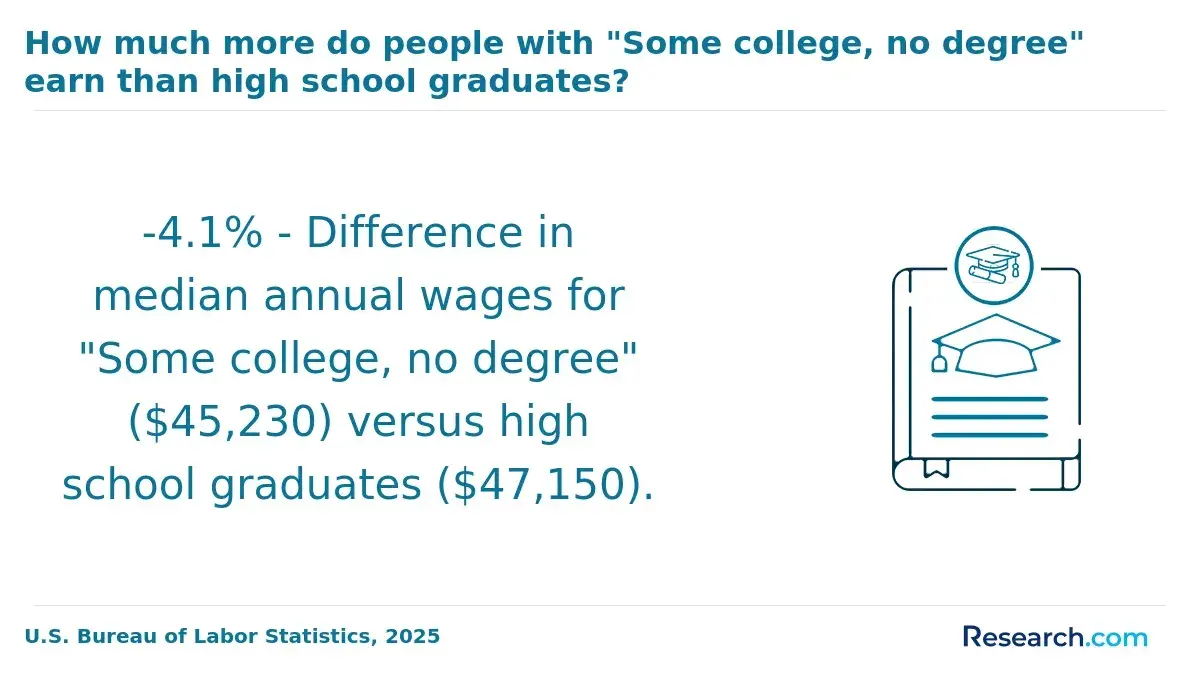
The gap between african and african american studies programs and employer expectations often centers on applied skills that extend beyond a strong foundation in critical theory and cultural analysis. While graduates possess deep knowledge of history and social justice, many employers note a shortfall in practical competencies essential for immediate workplace impact. According to 2024 data from the National Association of Colleges and Employers, nearly 70% of employers reported new graduates fall short in areas like data literacy and project management, which hampers their ability to take on roles in policy, nonprofit leadership, or diversity initiatives effectively. The following points highlight where the disconnect is most evident and how students can proactively address these gaps.
- Quantitative Research Skills: Degree programs often prioritize qualitative analysis and critical reflection, leaving graduates less equipped with statistical methods and data visualization techniques. This limits their capacity to contribute in evidence-based settings such as program evaluation or impact assessment. Students can narrow this gap by seeking coursework in statistics or certification in tools like Excel or Tableau and gaining hands-on experience through research internships.
- Professional Communication: While academic writing is emphasized, practical communication skills for advocacy, grant writing, and policy translation are underdeveloped. Employers need candidates who transform complex cultural knowledge into clear, actionable messages for varied audiences. Participating in public speaking workshops, writing for campus organizations, or completing communications-focused internships helps sharpen this vital skill set.
- Digital Literacy and Technology Use: Many african and african american studies programs lack integration of contemporary digital tools such as customer relationship management software or social media analytics. This technological gap can hinder adaptability in fast-evolving workplaces. Students should pursue certifications or experiential learning opportunities involving relevant platforms to gain fluency and enhance employability.
- Interdisciplinary Collaboration: Employers place high value on teamwork across sectors, but a degree's emphasis on independent scholarship can leave graduates less prepared for collaborative environments. Engaging in group projects, cross-departmental initiatives, or community-based work cultivates these skills and demonstrates practical teamwork abilities.
One graduate recalled entering a policy research role where initial enthusiasm was tempered by a realization that navigating data sets and producing concise policy briefs required skills not covered in their program. They quickly sought additional training in data analysis software and joined a local nonprofit's communication committee. This hands-on experience proved crucial, easing the transition from academic expertise to actionable workforce contributions, and underscored how supplementing coursework with real-world projects can bridge the divide between degree learning and employer expectations.
Which Technical Skills Are Most Important for African and African American Studies Careers?
Applying academic knowledge in african and african american studies requires more than theoretical understanding; technical skills bridge the gap between scholarship and practical impact. As research methods and workplace demands evolve, graduates must adapt by mastering tools that enhance data interpretation, digital engagement, and qualitative analysis. The 2024 National Skills Coalition report reveals over 60% of employers in fields relevant to african and african american studies increasingly prioritize candidates with competencies in data-driven software and digital communication tools. The following core technical skills stand out for their consistent relevance across sectors.
- Data Analysis Software: Expertise in platforms like Excel, R, or Python enables handling complex datasets related to historical and social research. Students build these skills through applied projects and internships, boosting their ability to contribute to evidence-based policy and academic work.
- Geographic Information Systems (GIS): GIS proficiency supports spatial analysis of demographic and cultural trends, critical for many research and nonprofit roles. Coursework integrating GIS tools enriches spatial reasoning and expands career options in urban planning or community development.
- Digital Humanities Tools: Familiarity with software that digitizes and organizes archival materials, such as Omeka or Scalar, facilitates modern scholarly communication. These competencies are increasingly sought after in academic and museum settings to present research innovatively.
- Qualitative Research Software: Proficient use of NVivo or Atlas.ti enhances the systematic coding and evaluation of interviews and ethnographic data. Practical experience with such tools is often gained through research assistantships, strengthening analytical depth valued in policy and nonprofit sectors.
- Social Media and Multimedia Literacy: Managing social media campaigns or producing multimedia content is essential for advocacy and public engagement roles. Students develop these skills via practical assignments and internships, expanding their effectiveness in raising awareness on social justice issues.
- Database Management: Competence in organizing and querying databases ensures efficient handling of large collections of historical documents or survey data. This skill supports roles requiring meticulous data curation in academic, governmental, and cultural institutions.
Which Workplace Skills Matter Beyond Technical Knowledge?
Success in a career tied to african and african american studies requires more than mastery of cultural, historical, and social theories. While technical knowledge forms the foundation, employers emphasize durable skills that enhance adaptability and effective collaboration across diverse professional environments. The 2024 National Association of Colleges and Employers Job Outlook report highlights that over 70% of employers prioritize competencies like communication, critical thinking, and cultural competency when hiring graduates, underscoring a shift toward valuing versatile professional skills alongside disciplinary expertise. This creates a clear imperative for graduates to cultivate these broader capabilities during their studies and beyond. Below are essential workplace skills that complement african and african american studies' technical knowledge.
- Effective Communication: Employers seek graduates who translate complex social and historical concepts into clear messages for varied audiences. Coursework emphasizing writing and oral presentations, combined with experiential learning such as service projects, sharpens this skill essential for policy advocacy or community engagement roles.
- Cultural Competency: Understanding systemic inequities is central to african and african american studies, but applying this knowledge in multicultural workplaces requires emotional intelligence and respect for diverse perspectives. Internships or collaborative research strengthen this ability, facilitating inclusive leadership and conflict negotiation.
- Critical Thinking: The intellectual rigor in african and african american studies develops analytical capabilities, but graduates must also learn to apply this thinking pragmatically in problem-solving under real-world constraints. Case studies and interdisciplinary projects support this transition from theory to practice.
- Project Management: Managing timelines, resources, and team dynamics is increasingly important, especially in nonprofit and governmental roles. Students benefit from hands-on experiences that teach organizational skills and digital tools, bridging their academic background with workplace efficiency.
- Data Literacy: Employers value the ability to interpret and communicate data related to social trends and demographics. Building competency through quantitative methods courses or internships involving data analysis enhances a graduate's marketability beyond traditional academic skills.
- Adaptability: The evolving demands of workplaces require flexibility in roles and responsibilities. African and african american studies graduates who engage in diverse learning environments, including cross-disciplinary programs or workshops, better navigate shifting professional contexts.
- Leadership and Collaboration: Leading inclusive teams and working effectively across differences are prized skills for careers in advocacy, education, and corporate diversity initiatives. Experiences such as student organizations or community partnerships cultivate these capacities.
Aligning educational experiences with the expectations highlighted in the latest workforce analyses equips african and african american studies graduates with the capabilities that employers consistently seek. For students interested in expanding their career options, considering complementary pathways, such as an online construction management bachelor's degree, may provide practical skills valued in broader labor markets.
How Do Internships and Real-World Experience Improve Career Readiness?
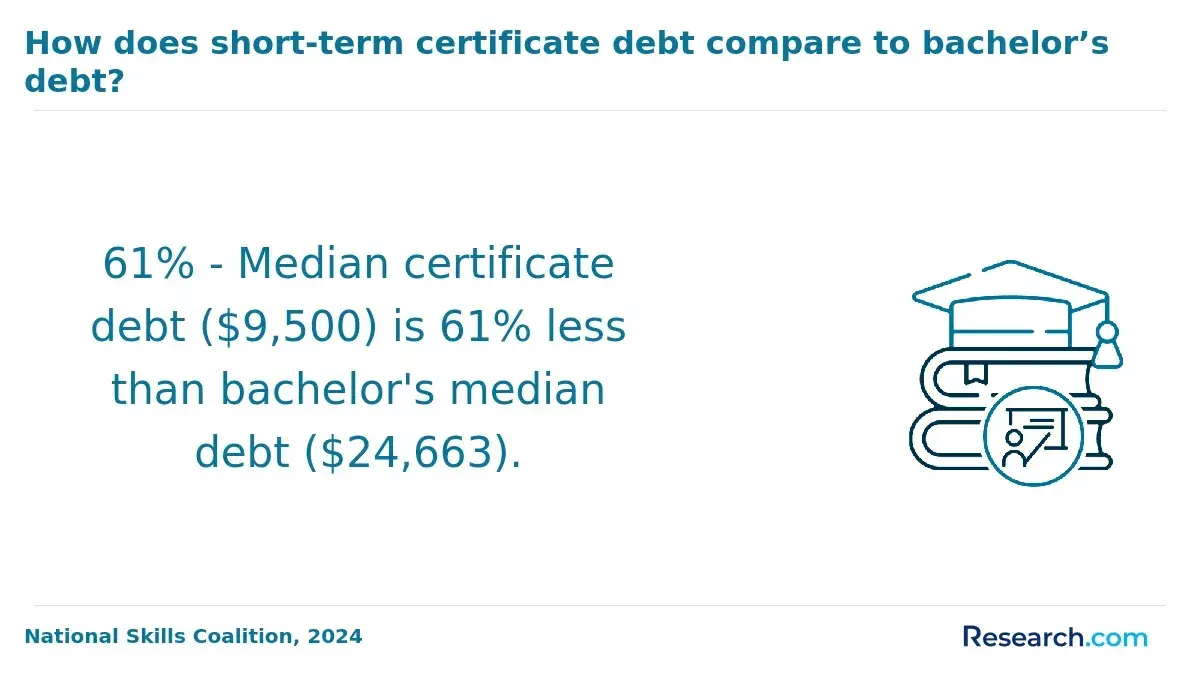
Classroom instruction alone often falls short in preparing african and african american studies students for the complexities of today's workforce. While academic programs provide critical theoretical frameworks, they rarely replicate the nuanced problem-solving, interpersonal dynamics, and decision-making required in professional environments. Experiential learning such as internships or research projects enables students to translate abstract concepts into practical solutions, fostering confidence and judgment that purely academic settings cannot offer. Data from the National Center for Education Statistics in 2024 shows that graduates who participate in internships are 35% more likely to secure employment within six months than those without hands-on experience, underscoring the tangible impact of applied learning.
Internships and related real-world experiences also sharpen essential technical and communication skills while providing insight into workplace culture and expectations. Through these engagements, african and african american studies students learn to navigate professional networks, clarify career interests, and adapt to the demands of project management and policy analysis-skills valued by employers but often less emphasized in coursework. However, access to quality internships can be uneven, and their relevance varies widely across industries and institutions, making program support and aligning placements with career objectives critical. For example, a student involved in a community policy internship gains not only analytical skills but also opportunities for mentorship and professional identity formation, which are vital for future career progress.
To maximize the benefits of experiential learning, prospective students should pursue internships early and actively engage in applied projects that connect academic knowledge with workplace challenges. Reflecting on these experiences and cultivating professional relationships can deepen understanding of career pathways and strengthen long-term planning. While internships significantly enhance employability and skill development, their value increases when combined with strong academic work, ongoing skill-building, and deliberate career management strategies, enabling african and african american studies students to meet employer expectations more effectively.
How Can Students Close the African and African American Studies Skills Gap Before Graduating?
Students pursuing African and African American Studies don't have to wait until graduation to develop the skills employers seek. Combining academic study with targeted experiential learning enhances readiness and often leads to more immediate job opportunities. Building competencies such as communication, cultural literacy, and data analysis alongside theory equips students to meet real workplace demands. Employers consistently value candidates who can demonstrate applied skills supported by solid contextual knowledge. The following strategies offer practical paths to close the skills gap before earning a degree.
- Internship Engagement: Internships provide valuable hands-on experience and direct exposure to work environments where diversity initiatives matter. National Association of Colleges and Employers data from 2024 shows that more than 70% of employers consider internships critical for hiring decisions in social policy and education sectors.
- Undergraduate Research: Participating in faculty-led or independent research sharpens analytical skills and methodological rigor. Students working with historical archives or community data gain insights that translate into cultural competency and critical thinking prized by employers.
- Project-Based Learning: Collaborating on real-world problems with nonprofits or cultural organizations develops teamwork and applies classroom theory to societal challenges. The American Council on Education found in 2024 that such projects bolster student confidence and adaptability in professional settings.
- Specialized Certifications: Pursuing credentials in data analysis, digital humanities, or community engagement bridges theory with technical capability. Certifications serve as tangible proof of skills that differentiate candidates in competitive applicant pools.
- Cross-Disciplinary Skill Building: Integrating courses or workshops in communication, statistics, or public policy helps students acquire versatile tools that employers prize alongside core studies.
- Networking with Alumni and Professionals: Engaging with mentors and African and African American studies graduates reveals industry expectations and uncovers opportunities to apply learning before graduation.
- Reflective Practice and Portfolio Development: Documenting experiences and work samples encourages students to articulate competencies and prepare for interviews effectively.
A graduate recalls facing uncertainty as the end of her program neared, realizing her theoretical knowledge alone wasn't enough for job prospects. After switching gears mid-year to pursue a data analysis certification and securing a community-based research internship, she noticed a shift in employer interest. The hands-on experiences challenged her to communicate complex cultural concepts in applied settings, which she credits with transforming her career outlook. Her journey highlights that proactive skill development-sometimes outside the standard curriculum-can alleviate anxiety and create concrete pathways into the workforce.
How Is the African and African American Studies Job Market Changing Employer Skill Requirements?
Technological innovation and shifting industry priorities are reshaping the skills employers expect from African and African American Studies graduates. Automation and data analytics have become integral even in fields traditionally anchored in humanities, pushing demand for practical competencies like data analysis, project management, and digital communication. The U.S. Bureau of Labor Statistics, alongside LinkedIn Workforce Reports, highlights a notable increase in roles that blend cultural expertise with quantitative skills across sectors such as public policy, nonprofit leadership, and diversity, equity, and inclusion (DEI) initiatives. African and African American studies job market trends now emphasize multidisciplinary fluency that bridges social justice knowledge with technological tools to enhance impact and decision-making.
These evolving expectations mean that technical skills alone are insufficient; social and emotional intelligence, including empathy and cross-cultural communication, have gained equal importance. The World Economic Forum's 2024 Future of Jobs Report identifies these interpersonal abilities as critical for navigating increasingly global and collaborative workplaces. Graduates who pair foundational coursework with applied experiences-such as internships, data literacy certifications, or community engagement projects-are positioned to meet employer demands more effectively. Without ongoing skill development and practical exposure, even strong academic credentials may struggle to translate into long-term career success in this adaptive labor market.
Prospective and current students can enhance their workforce readiness by combining a culturally rich curriculum with hands-on learning and continuous professional growth. Pursuing internships or certificate programs in data analytics and project management, engaging in professional networking, and seeking applied research opportunities help solidify essential skills that employers seek. Additionally, programs offered by a non profit university may provide flexible pathways to update competency portfolios. Intentional skill diversification is key to thriving amid the African and African American studies job market trends that demand both cultural insight and practical expertise.
How Do Different African and African American Studies Programs Compare in Career Preparation?
Career preparation in African and African American Studies depends on more than simply the degree title. Variations in curriculum design, experiential learning, and skills integration significantly shape how well graduates transition into the workforce. A 2024 report from the National Center for Education Statistics shows that programs combining interdisciplinary perspectives with practical skill development correlate with notably higher employer satisfaction and job placement rates. Evaluating these key factors can help students select a program aligned with their career goals.
When comparing African and African American Studies programs for career readiness, consider these essential factors:
- Curricular Integration: Programs embedding interdisciplinary coursework alongside career-relevant skills create a stronger foundation for workforce adaptability. Students should look for balance between cultural scholarship and applied competencies such as data interpretation, communication, and project management.
- Experiential Learning Opportunities: Internships, community projects, and digital literacy components enhance practical experience. These elements not only increase job readiness but also offer pathways to networking and real-world problem solving, critical for public policy, nonprofit, or corporate diversity roles.
- Alignment with Career Goals: No single program fits all career trajectories. Prospective students must assess how programs weigh cultural depth against workforce skills, ensuring that the balance suits their personal professional aims and learning preferences.
- Employer Market Demand: Recent Educational Testing Service research highlights that graduates from programs incorporating critical analysis plus tangible skills adapt better to evolving job markets. Selecting programs aware of these employer priorities can offer a strategic advantage.
For students exploring specialized interdisciplinary options, it can be helpful to compare African and African American Studies programs with those found among colleges with GIS programs, where practical technical skills complement theoretical knowledge. Understanding these real-world tradeoffs empowers better choices for long-term career success.
How Should Students Choose a African and African American Studies Program That Builds Career-Ready Skills?
Choosing the optimal format for an African and African American Studies degree involves weighing significant long-term benefits and drawbacks tied to online, hybrid, and campus options. Each pathway shapes not only academic success but also career readiness and networking potential differently. For example, a working professional pursuing racial equity consulting might prefer hybrid learning to balance flexibility with in-person mentorship. Here are key considerations:
- Networking Opportunities: Campus programs typically offer stronger face-to-face connections and access to alumni, enhancing mentorship and job leads. Hybrid models provide moderate interaction, while online formats may require extra effort to build professional networks digitally.
- Skill Application: Programs with experiential learning, such as internships and community engagement, are often more accessible in campus and hybrid settings, boosting applied skills employers seek according to the National Center for Education Statistics 2024.
- Scheduling Flexibility: Online formats offer maximum flexibility, ideal for those balancing work or family, but may lack real-time collaboration found in campus or hybrid classes.
- Technology Integration: Hybrid and online formats commonly incorporate tools like GIS mapping and qualitative analysis software, key for research roles highlighted by the American Council on Education.
- Graduate Outcomes: Studies from 2024 show that programs blending interdisciplinary theory with practical experience-more common in campus and hybrid options-correlate with higher employment rates in policy and social services sectors.
References
- Bridging the Skills Gap in the Era of Twin Transition: Perspectives from Employers in Sub-Saharan Africa https://uasjournal.fi/in-english/bridging-the-skills-gap-in-the-era-of-twin-transition-perspectives-from-employers-in-sub-saharan-africa/
- Why Black Studies? https://www.aaihs.org/why-black-studies/
- AP® African American Studies Cheat Sheets | Albert Blog & Resources https://www.albert.io/blog/ap-african-american-studies-cheat-sheets/
- How Technical and Vocational Education Can Help Close Skills Gaps in Africa https://acetforafrica.org/research-and-analysis/reports-studies/reports/how-technical-and-vocational-education-can-help-close-skills-gaps-in-africa/
- HCPS Academic & Career Planning Guide https://www.henricoschools.us/o/academicplanningguide/page/ap-african-american-studies-
- Institute for the Development of African American Youth https://idaay.org/internships/
- African Americans Face Systematic Obstacles to Getting Good Jobs - Center for American Progress https://www.americanprogress.org/article/african-americans-face-systematic-obstacles-getting-good-jobs/
- Africana Studies, Possibilities, and Employability - Universal Write Publications https://uwpbooks.com/black-voices/africana-studies-possibilities-and-employability/
- Bridging the Skills Gap: Innovations in Africa and Asia | Results for Development https://r4d.org/resources/bridging-skills-gap-innovations-africa-asia/
- Top 5 Skills Employers Seek in African Candidates Today | CA Global https://www.caglobalint.com/post/top-skills-employers-seek-in-african-candidates/
Other Things You Should Know About African and African American Studies
Employers often stress the need for graduates to apply critical theories to real-world contexts, yet many programs prioritize theoretical frameworks over experiential learning. This imbalance can leave students well-versed in academic discourse but less prepared for practical challenges in workplaces such as nonprofits, education, or policy. Students should seek programs or supplementary experiences that integrate applied projects or community engagement to avoid entering the job market with primarily abstract knowledge and limited actionable skills.
While deep disciplinary expertise is valuable, employer feedback suggests that interdisciplinary skills-such as data analysis, communications, or social sciences-significantly enhance graduates' adaptability and career prospects. Choosing a program offering robust interdisciplinary courses can bridge gaps in quantitative or technological skills often missing in traditional african and african american studies curricula. Prospective students should weigh the benefit of diversified learning against the risk of diluting core focus, aligning choices with specific career goals and market demands.
Many african and african american studies departments do not have consistent or formalized career advising tailored to the unique skill sets and employment landscapes relevant to the discipline. This gap can result in graduates feeling unprepared to articulate their value to employers or navigate niche job markets effectively. Students should proactively seek specialized career resources or mentorship opportunities to supplement their academic experience, recognizing that the absence of built-in support places the onus on them to shape their own career readiness.
Given the often theory-heavy academic load, extracurricular involvement in areas like activism, community organizing, or digital media can provide essential skills and networks that are highly valued by employers. However, students need to balance these activities strategically to avoid burnout and ensure extracurriculars enhance rather than detract from degree completion. Prioritizing engagements that complement academic learning while directly building workplace competencies offers the best return on time invested.