2027 Security Management Degree Careers That Do Not Require Graduate School

Co-Founder and Chief Data Scientist
Many recent security management graduates face a clear distinction in career entry requirements. While roles like security analyst or loss prevention specialist often welcome bachelor's degree holders directly, others-such as risk managers or corporate security directors-regularly expect advanced degrees or extensive certifications.
With the U. S. Bureau of Labor Statistics projecting a 15% growth in security-related occupations over the next decade, understanding which positions allow immediate workforce entry is critical. This article explores security management career paths that do not require graduate school yet offer strong long-term potential and employability.
Key Things to Know About the Security Management Careers That Do Not Require Graduate School
- Security management careers often allow direct workforce entry with a bachelor's degree, as many employers prioritize practical skills and certifications over graduate education.
- Entry-level roles typically require demonstrated abilities and relevant internships, reflecting employer emphasis on hands-on experience rather than advanced degrees.
- Skills, internships, and practical experience strongly influence hiring outcomes, making these careers accessible immediately after graduation while still offering significant long-term growth opportunities.
What Career Paths Can You Pursue with a Security Management Degree Without Graduate School?
About 70% of security management bachelor's degree holders find relevant employment within the first year after graduation, highlighting strong bachelor's-level hiring trends in the field. While many can access entry-level roles without graduate school, opportunities vary depending on the job function and industry demand for specific skill sets. This broad entry-level accessibility allows graduates to pursue diverse career paths that leverage their foundational training.
Some common entry-level security management job paths include:
- Security Analyst: These roles are widely available to bachelor's graduates because they require the ability to assess vulnerabilities and recommend safeguards. The broad applicability of skills in threat detection and protective measures makes this a common entry point without graduate education.
- Loss Prevention Manager: Typically found in retail and manufacturing, these positions focus on asset protection and minimizing theft. They rely heavily on core security principles learned during undergraduate study and often hire candidates directly out of bachelor's programs.
- Corporate Security Officer: These jobs involve enforcing company security protocols and managing crisis response efforts. Entry-level openings are common for graduates due to the practical nature of the work and the demand for personnel able to implement security measures in various business environments.
- Risk Management Assistant: Often accessible immediately after graduation, these roles support organizations in identifying and reducing risks. The bachelor's degree provides sufficient background to understand operational threats and compliance requirements crucial for such positions.
- Facilities Security Coordinator: Overseeing physical site security systems and staff, this role is often filled by candidates with a bachelor's degree. Its focus on managing day-to-day security operations aligns well with undergraduate training and entry-level employment trends.
For those considering further education, understanding what is the easiest masters degree might help inform decisions about advancing beyond these career-starting roles.
What Are the Highest-Paying Jobs for Security Management Degree Graduates Without a Graduate Degree?
Many of the highest-paying careers available to security management graduates can be accessed without pursuing graduate school. Employers often value the practical skills gained at the bachelor's level, especially in roles where workforce demand remains strong. According to the U.S. Bureau of Labor Statistics, median salaries for security-related positions frequently exceed $75,000 annually even without advanced degrees.
Some of these well-compensated roles include the following:
- Security Manager: Commanding high salaries due to their oversight of organizational safety, risk management, and leadership of security teams, security managers play a critical role protecting assets and personnel. Their responsibilities scale with organizational size, which enhances earning potential.
- Information Security Analyst: In high demand because of rising cyber threats, these analysts safeguard computer systems and data. Their technical expertise and contribution to preventing costly breaches drive competitive compensation.
- Loss Prevention Manager: Focused on minimizing theft and fraud, these managers directly impact a company's bottom line. The financial savings they generate justify elevated pay levels in retail and corporate settings.
- Corporate Security Consultant: Providing expert assessments and risk mitigation advice, consultants are valued for their strategic input. Their specialized insights frequently lead to higher salaries without requiring graduate education.
- Emergency Management Coordinator: Responsible for disaster preparedness and crisis response, these coordinators earn well due to the vital nature of their work protecting people and assets in emergencies.
These roles blend strategic oversight with specialized knowledge, creating strong earning opportunities for bachelor's-level graduates ready to enter security management fields.
What Skills Do You Gain from a Security Management Degree That Employers Value?
Security management degree programs build a broad set of transferable skills valued by employers, especially in roles that do not require graduate education. According to a 2023 survey by the National Association of Colleges and Employers, 93% of employers prioritize critical thinking and problem-solving abilities when hiring new graduates. These programs prepare students to navigate challenges in evolving security environments with practical expertise.
Below are key skills developed through security management studies that enhance employability in entry-level positions:
- Risk Assessment and Mitigation: Students learn to identify potential threats and design strategies to reduce their impact. This skill enables graduates to contribute to safer operations by proactively protecting assets without needing advanced degrees.
- Effective Communication: Programs emphasize clear policy explanation, report writing, and teamwork. Graduates gain the ability to articulate security protocols and collaborate efficiently across diverse workplace settings.
- Decision-Making Under Pressure: Training prepares students to make quick, informed choices during urgent situations. Employers value this composure and reliability in roles that require immediate, confident responses.
- Legal and Ethical Awareness: Understanding regulations and ethical considerations is integral. This knowledge assures employers that graduates respect compliance requirements and uphold organizational integrity.
- Technical Proficiency: Familiarity with security technologies and data analysis tools increases operational effectiveness. Graduates are positioned to support monitoring and control systems critical in many entry-level roles.
A security management degree graduate shared how applying risk assessment skills during their first job helped identify gaps in onsite procedures, leading to improved protocols. They noted that adapting theory to real-world scenarios required patience but ultimately earned trust from supervisors who valued their proactive approach.
Approximately 60% of security management graduates secure entry-level roles within six months of completing their bachelor's degree, reflecting strong hiring trends for bachelor's degree holders. Employers commonly develop positions aimed at recent graduates without the need for prior professional experience or graduate school, making early career job options in security management widely accessible.
Here are several common entry-level roles where those new to the field often begin their careers:
- Security Analyst: Positions in this category focus on monitoring and evaluating security systems. They are usually beginner-friendly, providing structured onboarding and mentorship to candidates without prior job experience.
- Loss Prevention Associate: Frequently found in retail and corporate settings, these roles introduce basic security protocols and emphasize practical on-the-job learning for recent graduates.
- Security Officer: Offering hands-on experience in physical security and response, these roles support fast skill development through available certification programs and training.
- Risk Management Assistant: These positions involve assisting with audits and compliance tasks, requiring analytical skills and offering clear growth paths for new graduates starting a career in security management without experience.
For individuals exploring educational options to enter these career pathways, some pursue the cheapest CACREP-accredited programs online as part of their broader academic planning.
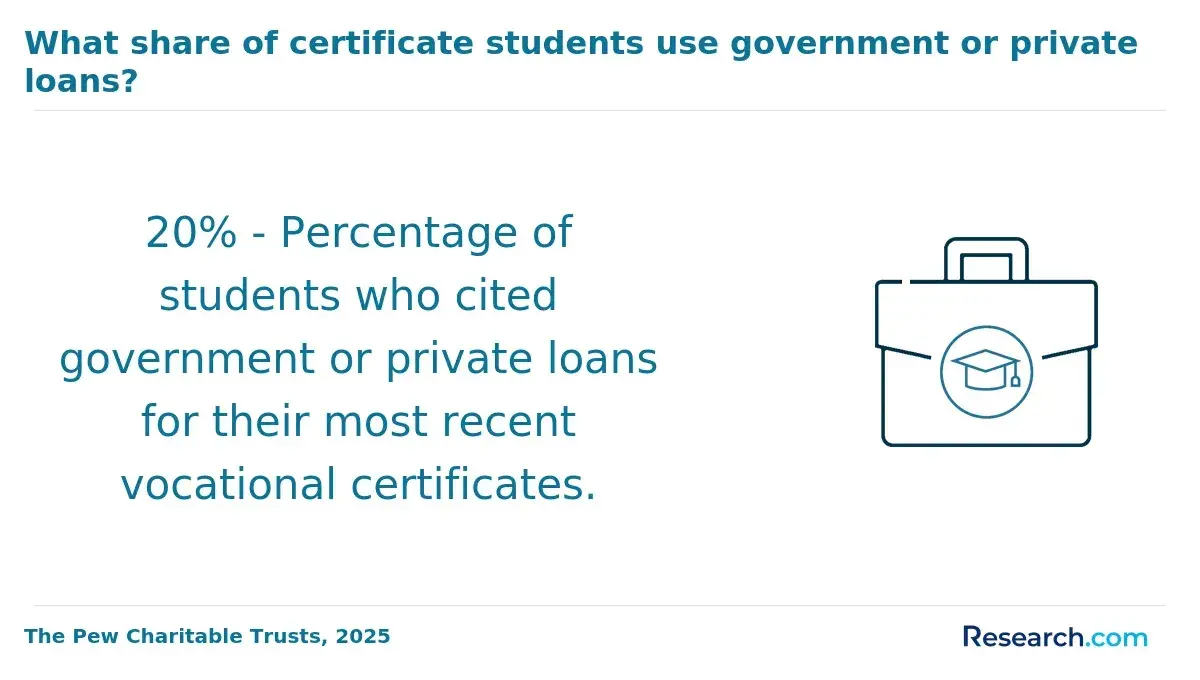
Certifications and short courses provide security management graduates with practical skills and targeted expertise that make them more attractive to employers, without the necessity of graduate school. These credentials emphasize applied knowledge aligned with workplace demands, helping candidates stand out in competitive job markets. In fact, more than 60% of hiring managers in security-related fields prefer applicants with relevant certifications or specialized training.
Several credentials and courses can significantly enhance career prospects for those holding a security management degree:
- Certified Protection Professional (CPP): This certification validates mastery in areas such as risk assessment, crisis handling, and asset safeguarding, demonstrating the ability to lead and manage complex security operations effectively.
- Physical Security Professional (PSP): Focused on physical security systems and site protection, the PSP credential equips professionals to handle assessments and implement security measures crucial for facility and personnel safety.
- Certified Information Security Manager (CISM): For those interested in the intersection of security and IT, CISM offers recognition in managing enterprise information security programs, bridging governance and operational skills.
- Security Risk Management Courses: These intensive programs teach how to identify and mitigate various security risks, essential for roles requiring rapid decision-making under uncertainty.
- Emergency Management and Business Continuity Certifications: These certifications prepare professionals to develop and execute plans that ensure organizational resilience during disruptions.
A security management professional shared how pursuing the Certified Protection Professional (CPP) credential was a turning point in their career. Initially, balancing work and study was challenging, but the hands-on nature of the certification coursework made the effort worthwhile. They found that the CPP program deepened their understanding of comprehensive security strategies, which they could immediately apply on the job. This credential not only boosted their confidence but also opened doors to new leadership opportunities, illustrating how targeted certifications can complement formal degrees and catalyze career advancement without additional graduate education.
Opportunities for security management graduates without graduate degrees vary widely across industries. Some sectors have broad hiring needs that make them more accessible to bachelor's-level candidates, while others prefer advanced qualifications for specialized roles. Data from the Bureau of Labor Statistics shows that about 55% of security management positions are occupied by individuals with a bachelor's degree or equivalent experience.
Several key industries tend to offer entry points for graduates without requiring further education:
- Government and Public Sector: This area consistently hires security management graduates for roles in emergency services, law enforcement, and public safety. The scale and ongoing necessities in risk management create steady demand for bachelor's-level candidates.
- Private Corporate Security: Many businesses maintain security teams to protect assets and personnel. These companies often recruit recent graduates for entry-level roles due to the generalist nature of many corporate security positions.
- Healthcare Industry: Hospitals and healthcare organizations need security professionals to ensure safety and regulatory compliance. The sector's growth fosters opportunities for candidates with bachelor's degrees to fill these important roles.
- Information Technology and Cybersecurity: While some advanced positions require specialized degrees, numerous roles value bachelor's-level graduates who manage both physical and information security amid evolving threats.
- Transportation and Logistics: Airports, shipping, and transit systems rely on security managers to oversee protocols. The regulatory environment and infrastructure scale create consistent openings for bachelor's degree holders.
Non-traditional career structures offer security management graduates expanded access to meaningful roles by reducing dependence on formal workplace pathways. Digital and independent work models facilitate entry into the field without requiring graduate school, enabling graduates to gain experience and build their professional profiles flexibly. Approximately 27% of workers with bachelor's degrees in security-related fields now engage in location-independent or remote roles, reflecting the increasing popularity of these formats.
The following freelance, remote, and non-traditional career pathways illustrate how flexible work models support security management graduates:
- Distributed work systems: Graduates can join virtual teams as security analysts or incident responders, collaborating remotely through cloud platforms. This structure eliminates location constraints and accommodates flexible schedules, ideal for those gaining hands-on experience.
- Digital-first labor markets: Specialized online platforms connect security management graduates with global freelance opportunities, such as vulnerability assessments or network monitoring, allowing work on projects without geographic limits and facilitating portfolio development.
- Project-based independent consulting: Short-term contracts in areas like compliance audits or risk assessments offer graduates the chance to select assignments suited to their skills while working remotely, bypassing traditional employment barriers.
- Remote monitoring and analysis roles: Security operations center (SOC) analyst and threat intelligence positions increasingly allow graduates to work virtually, gaining operational experience through cloud-based tools and flexible shifts.
- Content creation and training delivery: Freelance development of security awareness materials and online training modules provides opportunities for remote contract work, relying on digital communication and broad participation.
Graduates with a security management degree can start building their careers immediately after earning their bachelor's by leveraging early access to entry-level roles in corporate security, law enforcement support, cybersecurity, and other related fields. These roles provide essential exposure to workplace environments where practical skills in risk assessment and organizational security make a difference. Approximately 65% of security management bachelor's degree graduates secure full-time employment within a year without pursuing graduate school, demonstrating how early career momentum often results from workforce entry and on-the-job experience. For those exploring options, comparing programs in other fields like game design degrees can provide perspective on career pathways without advanced degrees.
Long-term career development for security management graduates who forgo graduate education generally depends on progression within organizations through expanded responsibilities and evolving role scopes. Many professionals grow by demonstrating leadership and accumulating experience rather than through additional formal education. This growth pathway varies across positions involving compliance management, security system implementation, and operational oversight. Entry-level jobs in security management for bachelor's degree graduates often serve as foundational steps within diverse industries, enabling career advancement through continued professional engagement and internal promotion.
Skipping graduate school is a common pathway for many pursuing careers in security management, allowing for earlier entry into the workforce. This approach can provide immediate job opportunities, though long-term professional options may vary depending on the career direction chosen. Studies show that approximately 60% of security management professionals start their careers with a bachelor's degree, highlighting the viability of this route for many.
Below are some key pros and cons of not pursuing graduate education in this field.
- Early Workforce Entry: Graduates can begin gaining practical experience and earning a salary sooner, which may lead to faster skill development and reduced student debt.
- Opportunity Costs: Avoiding graduate school eliminates tuition costs and time commitments, allowing graduates to invest in certifications or on-the-job training.
- Long-term Advancement Limits: Certain employers, especially in highly regulated or prestigious sectors, may require graduate degrees for promotion, potentially capping career growth.
- Flexible Career Exploration: Without immediate graduate school commitments, graduates have more freedom to explore various security management entry-level positions and industries.
Many organizations offer entry-level security management jobs without graduate degrees, making the bachelor's degree a practical credential for those focused on gaining early experience. However, for those considering advanced roles, especially with large institutional employers or specialized units, additional qualifications may become necessary.
For students interested in related fields, such as becoming a project manager degree, understanding the nuances between graduate and bachelor's pathways remains essential for informed career planning.
Graduates with a bachelor's degree in security management typically experience steady employment prospects as workforce demand grows across industries focused on safety, cybersecurity, and risk control. Employment trends for bachelor's security management graduates show a varied range of job placement outcomes depending on experience and specialization, with many finding roles in operational or entry-level positions. Median annual salaries often start between $40,000 and $50,000, with potential to rise significantly in managerial or technical careers. This broad labor market participation reflects ongoing concerns about physical and cyber threats driving consistent hiring needs.
Job market outcomes for security management graduates differ widely based on sector and role, influenced by broader economic conditions rather than a uniform career path. Opportunities exist in corporate, government, and tech environments, yet compensation and accessibility can fluctuate according to regional demand and industry growth. Navigating these variations requires understanding how different positions align with market trends and employer priorities. Those interested in related fields may also explore options like architecture programs online for additional career perspectives.
What Graduates Say About Security Management Careers Even Without Pursuing Graduate School
- Tristan: "Graduating with a security management degree gave me the confidence to jump straight into the workforce. The practical skills and real-world scenarios we tackled during my studies really prepared me for the challenges faced on the job. I didn't feel the need to go back for graduate school because the degree alone opened many doors for me early on."
- Jesiah: "Reflecting on my time after earning a security management degree, I can say it was instrumental in shaping my professional journey. The comprehensive curriculum helped me understand the industry's core demands, which made transitioning into a career smoother than I expected. I often found myself wishing I had pursued additional certification, but for now, the degree has provided a solid foundation."
- Christopher: "Coming out of a security management program, I immediately noticed how employers appreciated the applied knowledge I brought to the table. My education emphasized hands-on strategies and leadership skills, which proved essential in my first roles. While some peers opted for graduate studies, I valued gaining workplace experience directly, and it's been rewarding so far."
Other Things You Should Know About Security Management Degrees
Yes, it is possible to advance into management positions with a bachelor's degree in security management combined with relevant work experience. Many employers value demonstrated leadership skills and practical knowledge gained on the job as much as formal education. Certifications and continued professional development can also enhance promotion prospects.
Security management graduates without a graduate degree can specialize in areas like loss prevention, cybersecurity basics, or physical security operations. Practical experience and targeted certifications help professionals develop niche expertise that supports specialized career tracks within the broader security field.
In 2027, entry-level positions such as Security Analyst, Loss Prevention Specialist, and Risk Management Assistant are common for security management degree holders. These roles typically focus on monitoring security systems, analyzing threats, and implementing safety measures, providing a foundational experience in the field.
No, most private-sector security management jobs do not require a graduate degree, but certifications can strengthen hiring prospects. Common credentials include ASIS International’s Certified Protection Professional (CPP) and Physical Security Professional (PSP), which usually require verified experience and an exam rather than graduate study.
- Top 10 Highest-Paid Cybersecurity Jobs (With Salaries) https://destcert.com/resources/highest-paid-cybersecurity-jobs/
- Remote Part Time Security Jobs | Working Nomads https://www.workingnomads.com/remote-part-time-security-jobs
- 5 Skills You’ll Need For a Security Manager Career in 2026 https://www.get-licensed.co.uk/get-daily/security-manager-skills-2025/
- The Best Entry Level Cybersecurity Certifications | Cybrary https://www.cybrary.it/blog/best-entry-level-cybersecurity-certifications
- Cyber Jobs No Degree: Entry Roles with Certificates https://www.quickstart.com/blog/cyber-security/cybersecurity-careers-you-can-get-without-a-degree/
- Top 10 Skills for a Security Manager in 2024 | Visitor … https://vizito.eu/blog/essential-skills-for-security-managers-in-2024/
- Are security management qualifications useful to developing my career in security? https://citysecuritymagazine.com/security-careers/are-security-management-qualifications-useful-to-developing-my-career-in-security/
- Security manager careers: A complete guide | Infosec https://www.infosecinstitute.com/roles/security-manager-careers/
- Artwork of a gum leaf symbolising ‘welcome’ and acknowledging diverse countries, environments, communities, cultures, beliefs, and history. https://www.seek.com.au/security-guard-no-experience-jobs
- A Guide to Entry-Level Cyber Security Jobs With No Experience https://www.codingtemple.com/blog/entry-level-cyber-security-jobs-with-no-experience/