2027 Security Management Degree vs Bootcamp vs Certificate: Which Path Leads to Better Career Outcomes?

Co-Founder and Chief Data Scientist
Choosing between pursuing a security management degree, enrolling in a bootcamp, or obtaining a certificate presents a real dilemma for many aiming to advance their careers. Employers often weigh credentials differently-while degree holders see average salaries around 20% higher than certificate earners, bootcamps boast faster job placement rates but may lack long-term networking benefits. Return on investment varies substantially, as does suitability for learner profiles ranging from recent graduates to working adults.
This article compares these pathways across salary outcomes, employer preferences, career growth, and more-providing clear, data-driven insights to guide informed decisions tailored to individual goals and circumstances.
Key Things to Know About Which Path Leads to Better Career Outcomes: Security Management Degree, Bootcamp, or Certificate
- Degree holders in Security Management often earn 15% higher salaries-employers value the comprehensive knowledge and long-term commitment indicated by a degree more than shorter credentials.
- Bootcamps offer quick job placement with rates up to 70% within six months but may lack the networking access and employer recognition of traditional degrees.
- Certificates provide a strong return on investment for experienced professionals upskilling—ideal for those seeking specific skills without full-time study but with limited long-term career growth potential.
How Does Security Management Degree Compare to Bootcamps and Certificates in Total Program Cost and Time to Completion?
Examining the total cost illustrates clear differences. According to the National Center for Education Statistics (NCES) and the Integrated Postsecondary Education Data System (IPEDS), a four-year bachelor's degree in security management or a related field ranges between $40,000 and $100,000 in tuition alone, varying by institution type and geography. Associate degrees generally cost between $10,000 and $25,000. Bootcamp tuition falls in the mid-range at approximately $7,000 to $15,000, based on data from review sites like SwitchUp and Course Report. Certificates offer the most affordable path, with prices from a few hundred to about $3,000. The total cost must be weighed against the time to complete security management bootcamp versus degree and certificate options in relation to individual career timelines.
- Duration: Degrees span multiple years (2-4 years full-time; longer part-time), bootcamps last a few months (8-26 weeks), and certificates may be completed in weeks or months depending on pacing.
- Cost: Degrees require the highest financial commitment, bootcamps are mid-range, and certificates provide the most accessible entry point.
- Format: Degrees follow semester or quarter systems with broad academic requirements; bootcamps emphasize immersive skill-building; certificates vary widely but focus on specific competencies.
While cost and duration provide a foundation for comparison, factors such as employer credential preferences, salary outcomes, job placement rates, return on investment, networking opportunities, and long-term career growth are equally important. For those considering a complementary credential, resources like the MSW online programs illustrate how part-time and affordable options can fit diverse learner needs.
What Career Outcomes Can Security Management Degree Graduates Expect Compared to Bootcamp and Certificate Completers?
Graduates with a security management degree generally experience stronger, measurable career outcomes compared to bootcamp or certificate program completers-though gaps can vary by field and other factors. Data from the Bureau of Labor Statistics (BLS) Occupational Employment and Wage Statistics and the NACE Early Career Salary Survey show degree holders tend to secure higher median starting salaries and more senior job titles at first placement.
- Employment Rate Within Six Months: Security management degree graduates typically achieve employment rates between 75% and 85%, demonstrating employer preference for formal education. Bootcamp completers report rates around 60% to 80%, based mainly on self-reported data that may lack independent verification.
- Median Starting Salary: Degree holders usually command starting salaries from $55,000 to $70,000. Bootcamp graduates tend to earn between $45,000 and $60,000, while certificate holders fall in a similar or slightly lower range depending on program reputation.
- Job Title Level at First Placement: Degree recipients often enter roles like Security Analyst or Risk Manager, which offer clearer career growth. Bootcamp and certificate completers commonly start in junior or technician roles, reflecting some employer preferences for degrees in security management credential advancement.
The differences may appear large, yet the job market increasingly values skills-based hiring, allowing bootcamp and certificate completers to gain ground-especially in technical security roles. Nonetheless, a degree still remains advantageous in competitive hiring pools and positions requiring comprehensive management knowledge. Readers should also consider how employer preferences for security management credentials in career advancement interact with networking, portfolio quality, and geographic market.
Outcome data-particularly bootcamp statistics-often reflect survivorship bias or selective disclosure. Candidates should prioritize programs with independently audited results or those verified through CIRR membership for reliable insights.
Career outcomes are shaped by multiple factors; credentials alone do not determine success. Use this analysis to ask better questions about fit and goals rather than assuming one educational pathway is superior. For those curious about cost considerations, see how much is a business degree online for comparable tuition insights.
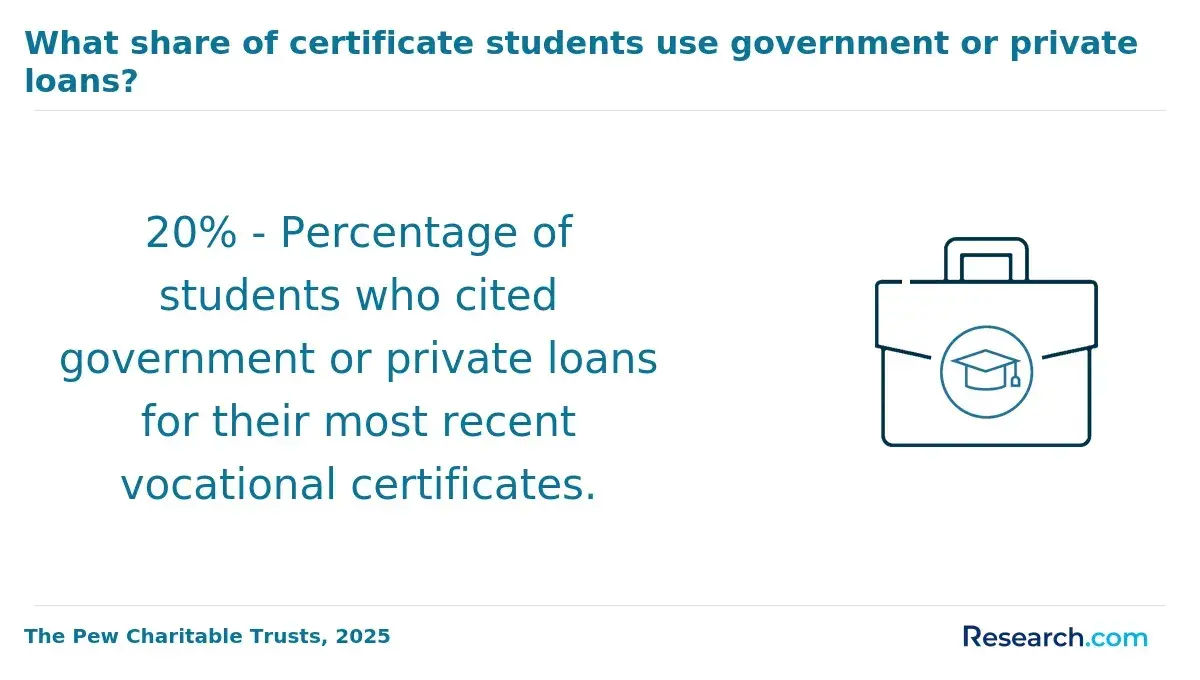
Which Security Management Pathway - Degree, Bootcamp, or Certificate - Offers the Highest Starting Salary for Graduates?
Entry-level salaries for graduates entering security management show notable differences depending on education type. Data from sources such as the Bureau of Labor Statistics, LinkedIn Salary Insights, and Glassdoor reveal that bachelor's degree holders typically start between $60,000 and $70,000 annually. Meanwhile, those coming from bootcamps or certificate programs tend to begin closer to $45,000 to $55,000. These figures reflect median values-meaning actual salaries can vary widely based on several factors.
- Credential Impact: Degrees often justify higher pay as employers associate them with well-rounded knowledge, analytical skills, and readiness for supervisory roles.
- Employer Type: Large corporations and government sectors usually require degrees, which correlates to increased starting salaries. Small businesses and startups may prioritize skill set over formal credentials, offering somewhat lower compensation for equivalent roles.
- Industry Sector: Finance, healthcare, and defense sectors typically reward degree-holders with higher pay; tech startups and consulting firms provide more flexible hiring criteria but generally with a broader salary range.
- Job Title Specificity: Roles specifically titled "security analyst" or "security manager" favor degree holders and come with premium pay, unlike more general IT or security support positions often accessible to bootcamp graduates.
- Geographic Market: Urban centers like New York and San Francisco present higher base salaries overall, with degree holders benefiting more markedly; regional markets may exhibit narrower salary differentials.
Salary growth over the early career tends to favor degree graduates, who more readily qualify for leadership or specialized roles that demand formal academic credentials. Bootcamp and certificate completers often face a slower advancement curve unless they augment their experience or obtain additional certifications.
A professional who earned a security management degree shared that securing his first position was challenging due to competition-but the formal education helped him navigate technical interviews and command immediate respect from hiring managers. He recalled feeling "more confident on day one" compared to peers with non-degree credentials, attributing his starting salary partly to the perceived credibility that came with his degree. His experience highlights the advantage a degree can provide in salary expectations when entering this specialized field.
Employers' preferences for security management degree versus certificate vary significantly by sector. Large enterprises, government agencies, and regulated industries often still require formal degrees as a baseline due to the comprehensive knowledge and regulatory compliance these credentials signal. Consulting firms tend to favor candidates with bachelor's or master's degrees for senior roles, reinforcing the ongoing value of traditional education pathways.
- Bootcamp vs Degree Value in Security Management Hiring: In contrast, startups and smaller companies frequently evaluate bootcamp graduates and certificate holders on a more equal footing, particularly when candidates showcase strong portfolios and hands-on experience.
- Skills-Based Hiring Trends: Several major tech firms and some government entities have introduced initiatives prioritizing skills over formal degrees. However, data from LinkedIn Talent Insights and SHRM surveys reveal that actual hiring still favors those combining skills with formal education, suggesting only partial shifts in practice.
- Sector Differences: Regulated areas like finance and healthcare maintain degree preferences due to mandated qualifications and risk mitigation policies, while tech sectors emphasize certifications and current capabilities.
- Hiring Outcomes: Despite policies endorsing skills-based hiring, non-degree candidates often encounter longer hiring processes and fewer promotion options, especially in traditional sectors.
- Career Growth: Degrees remain strong indicators of leadership potential, with bootcamps and certificates accelerating entry-level career entry but less often providing rapid advancement.
GPA and Academic Records: Accredited security management degree programs commonly require a minimum high school GPA-usually between 2.5 and 3.0-and review official transcripts to assess academic readiness. These benchmarks help ensure students are prepared for college-level coursework.
Standardized Tests: While many degree programs request SAT or ACT scores, some institutions have adopted test-optional policies. Scores serve as criteria to evaluate applicants, particularly in competitive admissions processes.
Prerequisite Coursework: Degree admissions often expect candidates to have completed specific high school classes, such as math, English, and sometimes science, establishing foundational knowledge needed for the curriculum.
Additional Application Components: Letters of recommendation, personal essays, and occasional interviews provide qualitative insights into prospective students beyond grades and test scores.
Application Timelines: Degree paths adhere to fixed deadlines and require months of preparation to compile necessary documents and credentials.
Bootcamp and Certificate Entry: In contrast, many security management bootcamps and certificate programs impose few or no formal admission requirements. These programs often allow immediate enrollment without GPA or testing prerequisites, aiming to lower access barriers.
Open Enrollment and Flexibility: Certificates typically offer rolling admissions and flexible scheduling to accommodate working adults, career changers, and others balancing multiple commitments.
Quality Signaling: The rigorous selectivity of degree programs acts as a quality filter that many employers trust. Bootcamps and certificates, lacking such admissions hurdles, must demonstrate value through outcomes like job placement, instructor expertise, curriculum depth, and recognized accreditation.
Access Advantages: Lower barriers in bootcamp and certificate pathways create vital opportunities for non-traditional learners facing obstacles such as financial constraints, geographic limitations, family responsibilities, or prior academic challenges.
One professional who built her career after earning a security management degree shared that navigating the application process was daunting but worthwhile. She recalled how gathering strong recommendation letters and crafting her personal statement demanded significant effort but ultimately affirmed her commitment. The fixed deadlines required careful planning amid work and family obligations, making the experience stressful at times. Yet, she felt the competitive admissions and academic rigor helped legitimize her credentials in the eyes of employers, providing a confidence boost that complemented her on-the-job growth. Reflecting on her journey, she acknowledged that while the barriers were challenges, they also signaled a quality standard that helped shape her professional identity.
The curriculum design across degree programs, bootcamps, and certificate offerings in Security Management differs markedly in scope, focus, and learner outcomes.
- Degree Programs: Comprise a broad mixture of general education subjects—such as communication, ethics, and management—alongside specialized coursework in areas like risk analysis, cybersecurity policies, and incident response. Electives deepen expertise in topics such as digital forensics or regulatory compliance. Many degrees require capstone projects or thesis research to cultivate analytical thinking and problem-solving skills. This extensive foundation promotes adaptable career progression but often extends the time before workforce entry compared to faster alternatives.
- Bootcamps: Emphasize accelerated, hands-on training aimed at rapidly building core technical abilities relevant to entry-level roles. Their curricula are project-based and prioritize real-world simulations-covering network defense tools, vulnerability assessments, and threat response techniques-to develop practical readiness. While effective for immediate employment preparation, bootcamps generally exclude broad theoretical content and foundational principles found in degree routes.
- Certificate Programs: Range from introductory credentials offered by platforms like Google, Coursera, or CompTIA, which focus on fundamental concepts and basic skills, to advanced professional certifications-such as CISSP or CISM-that validate mastery for experienced practitioners. Certificates usually target specific competencies and serve either as initial steps into the field or as supplements enhancing professional credibility. Their value depends heavily on job context, employer expectations, and the individual's existing knowledge.
Together, these pathways differ in how they blend theory with applied practice and in the nature of transferable knowledge versus immediately applicable technical skills they impart-providing diverse options calibrated to varied career goals, prior experience, and learning preferences within Security Management.
Calculating the return on investment (ROI) for security management education involves more than just tuition and fees-it must factor in opportunity cost, which is the income foregone while studying. This is particularly significant for degree programs lasting two to four years, where lost earnings can exceed direct expenses, altering the true financial benefit.
For a recent high school graduate with no prior income, degrees often yield a reasonable ROI over ten years since opportunity cost is minimal. Degree programs generally offer higher salary premiums and broader knowledge but require more time and money upfront, delaying financial returns. In contrast, bootcamps and certificates have lower total costs and shorter durations, enabling faster salary gains and earlier positive ROI, often within a few years.
Mid-career professionals leaving jobs paying around $50,000 annually face high opportunity costs during degree study, substantially reducing their five-year ROI. Bootcamps and certificates-typically lasting weeks to months-help limit lost income and facilitate quicker workforce reentry, making them more financially efficient for rapid career shifts.
Part-time learners who continue to work while studying see decreased opportunity costs, improving ROI across all pathways. Although degrees remain costlier and longer, part-time study balances income retention with credential depth. Bootcamps and certificates still provide faster ROI but may offer smaller long-term salary gains.
- Degree: Highest upfront and opportunity costs; best suited for those seeking deep expertise and long-term advancement, with ROI improving over a decade.
- Bootcamp: Lower cost and duration; fastest ROI for career changers needing practical skills quickly but less comprehensive knowledge.
- Certificate: Least costly and time-intensive; delivers rapid credentialing and ROI but usually limited salary uplift compared to degrees.
While ROI offers a vital financial perspective, learners should also weigh employer credential preferences, specialization goals, and networking opportunities. These factors can justify choosing longer or more expensive pathways despite slower ROI.
Job placement rates vary significantly across security management degree programs, bootcamps, and certificate offerings due to differing data collection methods and definitions of "placement." These differences complicate direct comparisons but offer important insights into each pathway's real-world effectiveness.
- Degree Programs: Data typically come from IPEDS graduate outcomes surveys or institutional career services reports, both subject to independent oversight. This information usually tracks graduates employed in roles closely related to their major within a specific timeframe. Consequently, placement rates from degree programs tend to be more conservative and focused, reflecting relevant employment rather than any job.
- Bootcamps: Bootcamp placement figures are often self-reported, though some use CIRR-certified reporting to standardize outcomes. CIRR audits add credibility but readers should verify if "placement" means full-time roles specifically in security management or broader, adjacent tech sectors. Some bootcamps may count any tech-related employment, which inflates comparative placement rates.
- Certificate Programs: Certificates fall between degrees and bootcamps in reporting rigor. Some provide detailed placement data, while others share only raw figures. Definitions of placement vary widely, so candidates should ask how many graduates secured roles directly matching the certificate's focus and look at time-to-placement statistics for better clarity.
Prospective students should seek program breakdowns by role type-for example, cybersecurity analyst versus general IT support-salary range, and time-to-placement after completion. This detailed data reveals true career outcomes beyond headline numbers, especially important given the common inflation of placement claims in security management bootcamp versus degree job placement rates comparisons.
Career services quality dramatically impacts placement success. Programs with strong employer partnerships, personalized resume coaching, mock interviews, and alumni referral networks can enhance outcomes for all pathways. Evaluating a program's support infrastructure is critical for informed decision-making.
Benchmarking individual program claims against industry averages helps identify misleading or overly optimistic data. Unlike aggregate figures, detailed metrics clarify genuine career prospects-essential when comparing certificate programs to security management degrees employment outcomes or weighing pathways. For broader context on academic returns, one might consider whether a is a project management degree worth it when analyzing long-term career prospects for related fields.
Degree Programs: Security management degree programs offer extensive networking infrastructure-including alumni associations, career fairs, faculty mentorship, Greek life, and professional organizations. These channels create multiple avenues to build connections, which are vital given the lasting value of networking in career longevity and senior advancement. Institutional prestige and geographic reach significantly influence the breadth and influence of a program's network, often correlating with stronger employer ties and referral opportunities. Graduates from well-established universities benefit from active, longstanding alumni communities that enhance job placement and ongoing career support. This networking advantage stands out among the various pathways and is a critical component of security management degree networking benefits.
Bootcamps: Compared to degree programs, bootcamp networks tend to be smaller and younger-reflecting the format's recent growth. Nevertheless, many reputable bootcamps have developed vibrant cohort models and alumni cultures that actively promote referrals and practical hiring pipelines. There is a strong focus on employer partnerships, especially within tech-adjacent security management specializations, enabling targeted introductions to hiring managers. Peer relationships fostered within cohorts also support rapid role transitions and skill specialization. These alumni network advantages in security management bootcamps and certificates provide tangible short-term hiring benefits, but often lack the long-term reach of degree programs.
Certificate Programs: Professional certificates, such as those from Google Career Certificates or industry associations, connect learners to varying professional communities. While some offer active forums, mentorship, or occasional employer engagement, the depth of networking-particularly access to hiring managers or sustained peer cohorts-is generally limited compared to degree and bootcamp alumni systems. Learners often need to pursue external opportunities to extend their network for lasting career growth. Despite this, certificate programs remain a flexible option that complements formal education and more intensive bootcamps.
The rise of remote work has somewhat mitigated geographic disparities, letting candidates with any credential compete for high-paying roles tied to major city salary benchmarks. Yet, this also heightens competition nationally-especially for entry-level positions typically pursued by bootcamp and certificate holders.
Prospective students should carefully assess their target market's employer density, acceptance of credentials, and remote opportunities before committing to a pathway. According to 2023 data from Course Report, nearly 75% of bootcamp graduates find employment within six months, though predominantly within their home city hubs-illustrating location's pivotal role in outcomes.
- Major Metro Hubs: Bootcamps and certificates often yield strong job placement and salary gains when graduates remain locally connected.
- Mid-Sized/Rural Areas: Degrees usually deliver more recognized credentials and stable long-term career paths.
- Remote Work: While increasing access, it creates mixed effects-credential value and networking remain critical factors.
- Degree Emphasis: These employers continue to prioritize formal education credentials to assess candidate trustworthiness and compliance.
- Strict degree criteria persist even though some major players have publicly relaxed such rules since 2020.
- Skills and Outcomes Focus: Smaller companies, startups, and skills-first organizations lean toward evaluating demonstrable technical abilities, portfolios, and certifications over formal degrees.
- Bootcamp graduates who pass hands-on assessments and showcase practical results often gain serious consideration despite lacking traditional degrees.
- Credential Evolution Since 2020: Hiring data reveal a cautious shift rather than a full abandonment of degree requirements, with degrees still prevalent for advanced security management roles.
- Research Advice: Candidates should perform informational interviews with hiring managers and analyze the LinkedIn profiles of recent hires to better understand real-world credential mixes-going beyond only advertised preferences.
Overall, accounting for employer context and verifying actual hiring patterns offers a strategic advantage for tailoring education pathways-be it degrees, bootcamps, or certifications-to maximize career success in security management.
What Graduates Say About Which Path Leads to Better Career Outcomes: Security Management Degree, Bootcamp, or Certificate
- Tristan: "Choosing the security management degree was a game-changer for my salary trajectory-employers clearly value the comprehensive knowledge and credentials it provides. While bootcamps offer a quicker ramp-up, the degree program's networking opportunities opened doors to roles with long-term growth potential. For anyone weighing options, the degree represents a better return on investment if you're aiming for leadership positions."
- Greyson: "After completing a bootcamp, I found that the quick, focused training matched my learning style perfectly, and it helped me break into the field faster than a traditional degree. However, many employers still prefer candidates with formal security management credentials-especially for mid and senior-level roles. Overall, bootcamps are ideal for those looking to upskill swiftly, but certificates might be better for targeted knowledge without the time commitment."
- Christ: "Reflecting on my experience with the certificate path, I appreciate how it suited my need for flexibility while maintaining credibility with employers who recognize industry certifications. The job placement rates for certificate holders are solid, though not as robust as for degree graduates. For professionals balancing work and study, certificates offer a practical entry point, but long-term career growth tends to favor those who pursue the full security management degree."
Other Things You Should Know About Security Management Degrees
Recent high school graduates typically benefit most from pursuing a security management degree because it provides a structured, in-depth education and recognized credentials. Career changers may find bootcamps or certificates more suitable-these options offer focused, practical skills in a shorter time frame, enabling quicker entry into the field without the multi-year commitment of a degree program.
- UTSA’s Cybersecurity Degree vs Bootcamp | UT San Antonio Online https://online.utsa.edu/blog-content/cyber-security-degree-vs-bootcamp/
- Cybersecurity Bootcamps vs. Traditional Degrees: Which Is Right for You? - Transmosis https://transmosis.com/cybersecurity-bootcamps-vs-traditional-degrees-which-is-right-for-you/
- Pros and Cons of Cybersecurity Bootcamps Versus University Programs https://www.examcollection.com/blog/pros-and-cons-of-cybersecurity-bootcamps-versus-university-programs/
- Top Cybersecurity Certifications for 2025 https://destcert.com/resources/top-cybersecurity-certifications/
- The Pros and Cons of IT Boot Camps Versus Degree Programs https://www.govtech.com/education/higher-ed/the-pros-and-cons-of-it-boot-camps-versus-degree-programs
- Cybersecurity Courses vs. Traditional Degrees: Pros and Cons | Cybrary https://www.cybrary.it/blog/cybersecurity-courses-vs-degrees
- Cybersecurity Bootcamp vs Degree: Complete Comparison 2026 https://unihackers.com/compare/bootcamp-vs-degree
- Diplomas, IT Certifications, or Boot Camps: Which is For You? https://lumifylearn.com/blog/diploma-it-certification-or-boot-camp-which-is-for-you/
- 10 Resume Tips for Cybersecurity Professionals to Stand Out https://www.computercoach.com/10-resume-tips-for-cybersecurity-professionals-to-stand-out/
- How to Evaluate a Candidate's Resume | 2018-05-01 | Security Magazine https://www.securitymagazine.com/articles/88957-how-to-evaluate-a-candidates-resume