2027 Science Degree Jobs That Do Not Require Licensure

Co-Founder and Chief Data Scientist
What career options exist for graduates seeking jobs without licensure? Many with a science degree aim to avoid lengthy licensing exams while entering the workforce swiftly. The U.S. Bureau of Labor Statistics projects that science-related occupations without licensure requirements will grow by 8% through 2030, reflecting increasing demand for versatile roles.
Fields like research support, laboratory analysis, and technical consulting offer pathways that leverage scientific skills without mandated certifications. This article explores science degree jobs that do not require licensure, highlighting viable alternative career paths and what graduates can expect when pursuing these opportunities.
Key Benefits of Science Degree Jobs That Do Not Require Licensure
- Jobs without licensure allow faster workforce entry, with 40% of science graduates starting careers within six months compared to licensed professions requiring years of certification.
- These roles span diverse industries, including research, technology, and environmental sectors, providing flexible career options beyond regulatory limitations.
- Working in non-licensed positions helps develop transferable skills and early professional experience, essential for advancing into specialized science careers over time.
What Jobs Can You Get With a Science Degree Without Licensure?
Graduates with a science degree have a broad spectrum of career paths available that do not require professional licensure, enabling flexibility and diverse opportunities across industries. Employment data shows that roles leveraging analytical and technical skills often experience steady growth, with some fields expanding by up to 15%.
Below are several notable jobs that science graduates can pursue without needing licensure.
- Research Analyst: Research analysts collect and interpret data to help organizations make strategic decisions. A science degree provides essential skills in experimental design and data analysis, allowing these professionals to contribute valuable insights without licensure.
- Environmental Consultant: These consultants evaluate environmental data and advise on sustainability and regulatory compliance. Graduates in biology or environmental science apply their knowledge of ecosystems and chemical interactions without the need for formal certification.
- Laboratory Technician: Technicians perform routine tests, maintain lab equipment, and ensure sample accuracy. Science programs furnish candidates with hands-on laboratory experience critical for success in these roles, which rarely require licensure.
- Science Communicator: Science communicators or technical writers transform complex scientific concepts into clear, accessible content for diverse audiences. Strong communication skills paired with scientific understanding enable this role without any licensing requirements.
These options highlight viable career choices for those seeking science degree jobs without licensure, combining specialized knowledge with practical application. For students interested in expanding their business credentials alongside technical expertise, exploring the most affordable online MBA programs can be a strategic next step.
Which Industries Hire Science Graduates Without Licensure?
Several industries highly value the analytical skills and broad academic background of science graduates without requiring professional licensure. This approach allows companies to leverage specialized knowledge while focusing on practical applications. According to the U.S. Bureau of Labor Statistics, employment of biological technicians, a role often filled by science graduates without licensing, is projected to grow 7% through 2032.
The following industries commonly hire science graduates in such capacities.
- Biotechnology: This industry offers numerous roles in research, experimental design, and laboratory work where scientific principles drive innovation. Licensure is generally not required as positions emphasize data analysis and product development.
- Environmental Services: Companies focused on conservation, pollution control, and sustainability utilize science expertise to monitor ecological impacts and comply with environmental regulations. Licensure is typically unnecessary for technical and monitoring roles.
- Pharmaceuticals: Science graduates contribute to drug development, quality assurance, and regulatory affairs by conducting scientific testing and maintaining thorough documentation. These functions demand rigorous scientific knowledge but do not mandate licensure.
- Food and Agriculture: In research and product safety, graduates apply biology and chemistry to enhance crop yields, improve nutrition, and ensure food quality. Licensure is not commonly required for these applied science roles.
What Entry-Level Jobs Are Available Without Science Licensure?
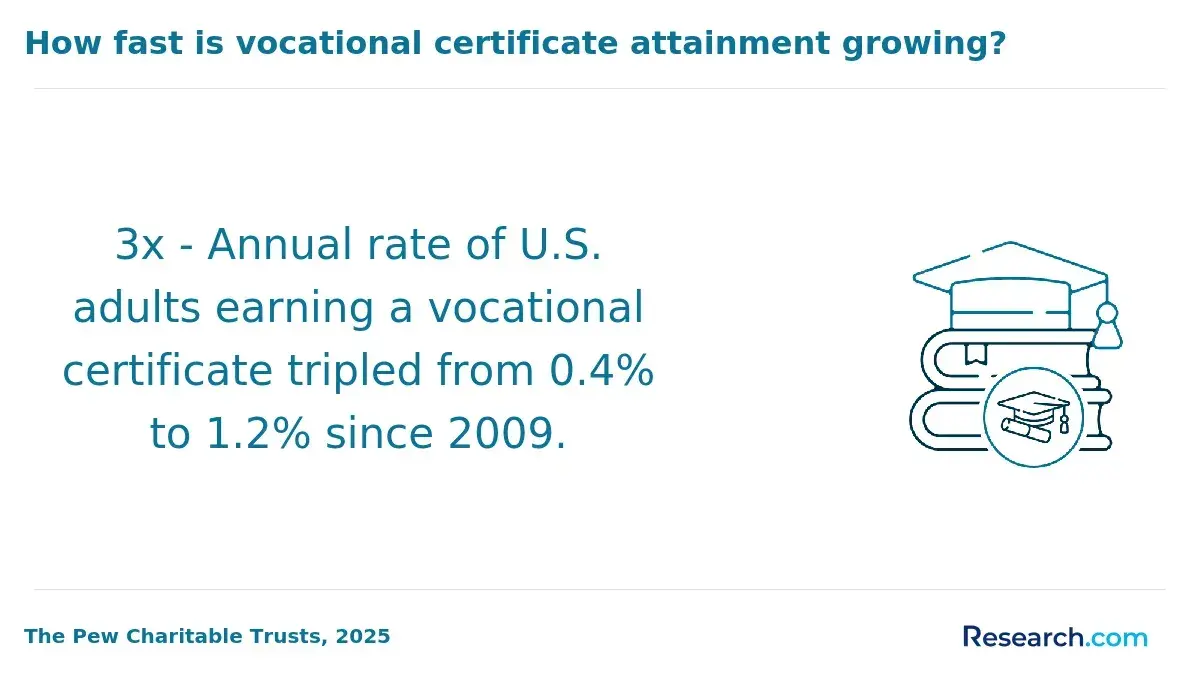
Many industries offer entry-level roles that welcome graduates with a science degree without the need for professional licensure. According to the National Association of Colleges and Employers, over 60% of these graduates secure such positions within six months. These roles rely on broad academic knowledge and transferable skills rather than formal certification.
Below are some common job titles available at the entry level.
- Laboratory Technician: This role involves supporting experiments by preparing samples, maintaining lab equipment, and documenting results. A science degree provides a strong foundation in laboratory safety and procedures, enabling effective contribution without licensing.
- Research Assistant: Research assistants help design and carry out experiments, gather data, and summarize findings. The analytical and problem-solving skills developed in a science program are essential for success in these collaborative environments.
- Data Analyst: Working with scientific datasets, data analysts identify patterns and assist in interpreting outcomes to support research or business decisions. Scientific training equips graduates for methodical data management even when licensure is not required.
- Environmental Technician: These professionals collect and test samples from natural sources such as soil, air, or water to monitor environmental conditions. A science background is crucial to understanding environmental policies and fieldwork techniques used in this role.
- Quality Control Inspector: Inspectors assess products and materials to ensure they meet quality standards. A science education fosters attention to detail and familiarity with testing methods needed for effective quality control.
When discussing entry-level opportunities without licensure, a science degree graduate shared that the transition was both exciting and challenging. Initially, navigating job descriptions without formal licenses felt limiting, but leveraging university projects and internships helped bridge that gap.
"I learned that practical experience and a willingness to learn on the job opened doors that licensure didn't," he remarked. The process required persistence and adapting skills to real-world applications, highlighting that licensure isn't the only path to impactful scientific work early in a career.
Salary levels for non-licensed roles in science can vary widely, influenced by factors such as industry demand, technical expertise, and leadership duties. According to data, biological scientists without licensure earn a median wage of nearly $82,220, reflecting the strong market for science degree jobs with the highest salaries without licensure.
Below are several of the best-paying non-licensed science careers in the US that combine technical knowledge with competitive pay.
- Data Scientist: These analysts harness programming and statistical skills to decode complex datasets, driving strategic business decisions. With salaries typically between $95,000 and $130,000, they leverage their science degree background without requiring licensure.
- Biomedical Engineer: Designing medical equipment and technologies, these engineers apply biology and engineering concepts. Their median earnings range from $85,000 to $115,000, benefiting from deep scientific and technical training without licensure demands.
- Pharmaceutical Sales Representative: Combining scientific product knowledge with sales abilities, these professionals earn $70,000 to $110,000 based on performance. A strong science education is vital for understanding product details and communicating effectively.
- Environmental Scientist: Specialists analyzing ecological data and crafting environmental solutions typically earn $60,000 to $90,000. Their science background is crucial for interpreting data without needing professional licensure.
Students interested in these non-licensed roles might explore options including the cheapest bachelor degree online programs that can provide relevant training and open doors to these lucrative career paths.
Employers frequently seek candidates who combine practical skills with adaptability, especially when filling roles that do not require professional licensure. A National Association of Colleges and Employers study revealed that 81% of employers prioritize critical thinking and problem-solving over formal certifications.
The following competencies are particularly important for science graduates aiming to enter the workforce without licensure.
- Data Analysis: Strong abilities in interpreting and managing scientific data using software like Python, R, or Excel enable graduates to contribute effectively in research, quality assurance, and operational decision-making, making them valuable in diverse scientific environments.
- Communication Skills: Conveying complex scientific ideas clearly to both technical teams and non-specialists enhances collaboration and supports the creation of thorough documentation, reports, and presentations, which are vital in interdisciplinary workplaces.
- Project Management: Proficiency in organizing schedules, delegating tasks, and managing resources helps graduates lead or support projects independently, increasing efficiency and reliability across various professional settings.
- Critical Thinking: The capacity to assess challenges, identify underlying issues, and develop innovative solutions is essential for navigating fast-changing scientific contexts and troubleshooting technical problems.
- Adaptability: Continuously updating one's knowledge and embracing new technologies or methodologies ensures graduates remain competitive and relevant amid rapid scientific advancements.
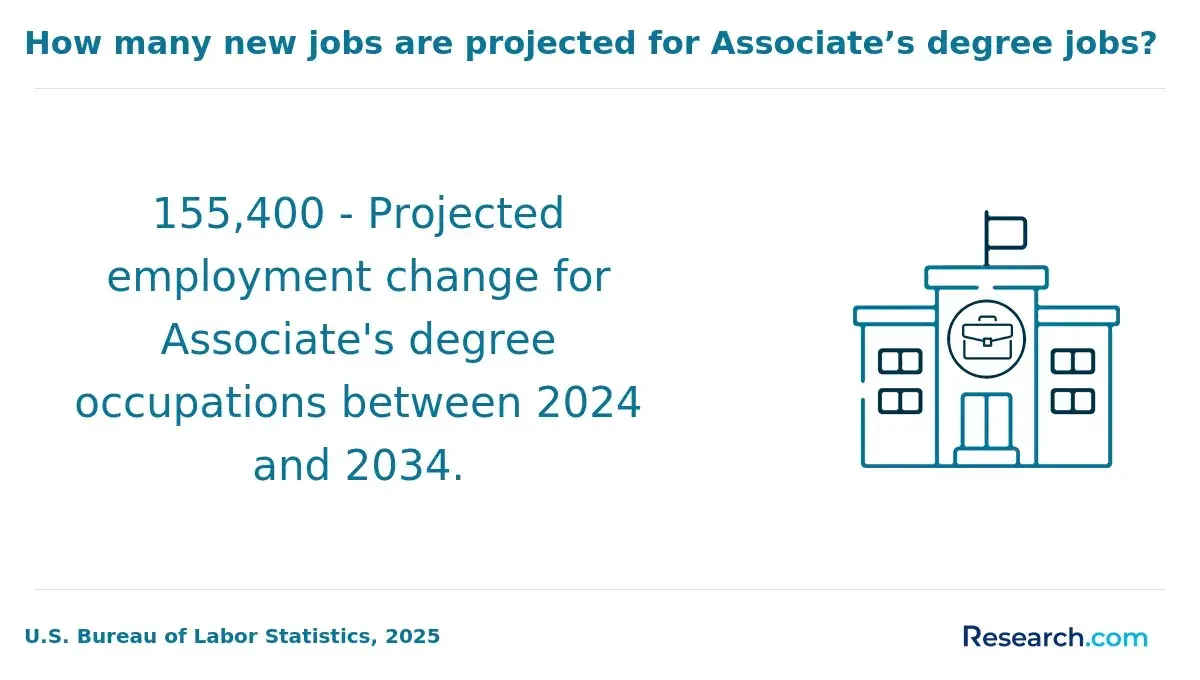
Licensure and certification differ significantly in science careers, with licensure being a government-mandated credential allowing professionals to legally practice specific occupations, while certifications are typically voluntary credentials awarded by professional organizations to validate expertise. Certifications can substitute for licensure in some non-regulated or industry-driven roles, offering a pathway to demonstrate skills without formal licensing.
A National Science Foundation survey found that around 58% of employers in non-clinical science sectors prefer certifications or documented credentials over formal licensure when hiring for specialized technical roles, highlighting the increasing value of certifications in the workforce. This distinction underscores the evolving landscape of professional certifications versus licensure for science jobs where legal mandates are absent.
Certifications may suffice in roles such as environmental technicians, laboratory technologists, and quality control analysts, where licensure is not legally required, but proving technical competence remains important. However, certifications cannot fully replace licensure in regulated professions like clinical laboratory scientists or medical physicists, where legal compliance and safety standards mandate licensure.
Their value varies depending on the issuing organization and job relevance. For those exploring alternatives to formal licensure, options like online MSW programs no GRE required demonstrate how professional certifications can offer flexible career paths while maintaining industry recognition. Understanding these boundaries is essential for compliance and meeting employer expectations in science-related fields.
The rise of digital tools and virtual collaboration has significantly increased remote work opportunities across many sectors. In fact, remote job postings grew over 80% in the last few years, making it easier for science graduates to find non-licensed roles that fit their skill set. Below are several promising remote positions commonly pursued by graduates with a science background.
- Remote Research Assistant: This role involves supporting research teams by handling data organization, conducting literature surveys, and managing project logistics. Science graduates excel here by applying their analytical skills without performing licensed clinical tasks.
- Data Analyst: Science graduates with a knack for statistics and programming analyze datasets for organizations remotely, transforming raw data into actionable insights. These jobs focus on data interpretation and visualization, requiring no professional license.
- Technical Writer: Writing scientific articles, creating manuals, or developing grant proposals are core duties of technical writers. A science degree helps them accurately convey complex concepts while working independently from any licensed environment.
- Laboratory Informatics Specialist: Managing information systems and ensuring data quality in laboratories can be done remotely without certification. Science graduates bring understanding to maintain compliance and streamline lab operations behind the scenes.
- Quality Assurance Coordinator: Overseeing process documentation and regulatory adherence in scientific contexts is a task suitable for remote execution. Science graduates use their knowledge to monitor standards and help improve systems without direct clinical involvement.
A professional with a science degree shared her experience navigating remote job options without licensure. She said, "I initially worried that not having a license would limit my career, but focusing on roles that valued analytical and communication skills opened unexpected doors.
The transition meant learning to frame my academic background for jobs centered on data and documentation rather than clinical work." She reflected that patience and adapting her skill presentation were key challenges, but ultimately, "finding remote roles that leveraged my degree without licensure gave me both flexibility and professional fulfillment."
Lacking professional licensure can place science graduates at a disadvantage when competing for jobs, as many employers view licensure as a key benchmark of verified expertise. A National Science Foundation survey found that approximately 45% of science-related positions list licensure or certification as a preferred hiring criterion.
This preference creates notable obstacles for those entering the job market without official credentials. Below are some common challenges non-licensed applicants face.
- Employer Preference: Many companies prioritize licensed candidates because licensure offers a standardized measure of competence and reduces hiring risk. Even in roles where licensure is not legally required, this bias can limit opportunities for non-licensed applicants, especially in competitive job markets.
- Credential Barriers: Without formal licensure, applicants may be excluded from positions that require official verification of skills by regulatory bodies. Employers often use credentials as a quality assurance tool, making it harder for non-licensed individuals to access key roles.
- Experience Requirements: Non-licensed candidates frequently need to demonstrate practical experience to offset the absence of certification. However, entry-level positions that provide such experience can be scarce, leading to a difficult cycle where gaining experience demands prior employment.
- Regulatory Limitations: Specific sectors are governed by regulations restricting job functions to licensed professionals. Even highly qualified science graduates can be legally prevented from performing certain tasks, which narrows their range of eligible job roles.
Non-licensed professionals with a science degree do face career limitations compared to their licensed peers, as licensure remains a key legal requirement for certain roles. Data from the U.S. Bureau of Labor Statistics indicates that about 20% of science-related jobs require professional licensing or certification for entry or advancement, underscoring the barriers non-licensed individuals encounter in these sectors.
These employment restrictions highlight how regulatory frameworks shape access to particular positions. For many science graduates evaluating their options, understanding these career growth challenges for non-licensed science degree holders is essential when planning their professional trajectory.
The nature of these limitations often involves restricted access to regulated professions where only licensed practitioners can legally perform certain specialized tasks. Without licensure, job advancement limitations without professional licensure in science commonly include slower career progression and reduced responsibility within the same field.
Non-licensed workers may rely on alternative qualifications such as advanced degrees or employer-based training, but these do not fully replace the authority that a license grants. Prospective candidates should also consider pathways like a project management degree as a complementary credential to enhance career opportunities outside strictly regulated areas.
Choosing whether to pursue licensure is a pivotal decision for science graduates that can significantly shape their career trajectory. About 20% of science-related careers require licensure or certification, influencing job prospects and advancement possibilities. Several key factors should guide students as they evaluate the benefits and trade-offs of bypassing professional licensure.
- Career Goals: Licensure is often essential for roles with regulatory responsibilities or direct public impact. Students aiming for leadership or specialized positions should consider whether licensure aligns with their long-term ambitions and opens doors to desired opportunities.
- Industry Requirements: Different science sectors vary in credential expectations. Some prioritize formal licensure, while others value experience or advanced degrees more. Investigating specific industry standards helps students avoid unnecessary credentialing or identify where licensure is critical.
- Long-Term Growth: Licensure can establish professional credibility and facilitate access to grants, projects, or promotions. Graduates focused on sustained career development may find licensing an important foundation for building authority and trust within their field.
- Job Accessibility: Non-licensed roles can provide entry into the workforce, but often with limited scope and influence. Understanding how licensure affects everyday responsibilities aids students in aligning early career steps with evolving professional objectives.
- Changing Regulations: Regulatory environments in science are dynamic, and requirements may tighten over time. Staying informed about such changes ensures graduates can anticipate future credential needs and plan accordingly.
Students exploring options in artificial intelligence, for example, might benefit from reviewing specialized pathways like those outlined for a bachelor applied artificial intelligence to understand licensing relevance in emerging fields.
What Graduates Say About Science Degree Jobs That Do Not Require Licensure
- Bryson: "Choosing not to pursue licensure allowed me to enter the workforce much sooner and focus on hands-on research roles that value skill and experience over certification. I found that many positions in environmental and laboratory science welcomed graduates without licenses, giving me a practical edge early in my career. This path has been fulfilling because it lets me contribute directly to innovative projects without the delay of additional credentials."
- Tripp: "Reflecting on my journey, skipping licensure was a practical decision that saved me years of study and expense, which I could instead invest in building a diverse professional network. Beginning my career without licensure meant that I developed unique expertise valued in data analysis and technical consulting roles within the science field. It's empowering to work in roles where my knowledge is the priority, allowing for flexibility and growth without restrictions."
- Joshua: "From a professional standpoint, having a science career that doesn't require licensure broadened my opportunities across interdisciplinary teams and industries. I quickly realized that licensing isn't always necessary for making impactful contributions, especially in technology-driven and research-intensive positions. This freedom encouraged me to continuously learn and adapt, knowing that credentials weren't a barrier to advancing in my chosen field."
Other Things You Should Know About Science Degrees
Biology, chemistry, environmental science, and data science are the most versatile degrees for non-licensed science jobs. Employers often look for a bachelor’s degree plus laboratory coursework, statistical analysis, or field methods, while research and senior analyst roles may require a master’s degree.
Practical experience is highly valued and can sometimes compensate for less formal education in science careers without licensure. Internships, laboratory work, and industry projects often demonstrate competency and technical skills to employers, which may improve hiring chances even when advanced degrees are absent.
Continuing education remains important for staying current with scientific advancements and technologies, even in non-licensed positions. Professionals often engage in workshops, online courses, and seminars to maintain relevant skills and knowledge, which supports career development and adaptability in fast-evolving science disciplines.
Yes, many science roles without licensure provide paths for career advancement based on performance, expertise, and additional training. Employees can move into supervisory, management, or specialized technical positions by gaining experience, further education, or proficiency in emerging scientific methods and tools.
- Transferable skills for scientists to bring to your next job (in academia or not!) https://www.ifocusandwrite.com/post/transferable-skills-for-scientists-to-bring-to-your-next-job-in-academia-or-not
- 12 High Paying Remote Jobs, No Degree Required | Remote.co https://remote.co/blog/high-paying-jobs-no-degree-required
- Can I get a science job without a science degree? https://www.siliconrepublic.com/advice/science-job-degree-nibrt
- Brightside Mentoring https://brightknowledge.org/science-maths/can-i-do-science-without-a-degree
- A Guide To Non Technical Careers in the Science Sectors https://notjustlabcoats.co.uk/more-than-microscopes-a-guide-to-non-science-careers-inscience/
- 80 Highest Paying Jobs without a Degree (Over $50k) - USCI https://www.uscareerinstitute.edu/blog/80-Jobs-that-pay-over-50k-without-a-degree
- Top 11 Alternative Entry Level PhD Science Careers To Skip the PostDoc - The Grad Student Way http://thegradstudentway.com/blog/top-10-entry-level-phd-careers/
- The Top 10 Science Careers In Demand That Pay Well - Surf Search https://surfsearch.org/the-top-10-science-careers-in-demand-that-pay-well/
- Industry Certifications for Science Careers: Enhancing Qualifications and Marketability https://www.eurosciencejobs.com/article/776/industry-certifications-for-science-careers-enhancing-qualifications-and-marketability
- Factors Influencing Students’ Choice of Elective Science Courses A Case Study from the American University of Sharjah https://www.scirp.org/journal/paperinformation