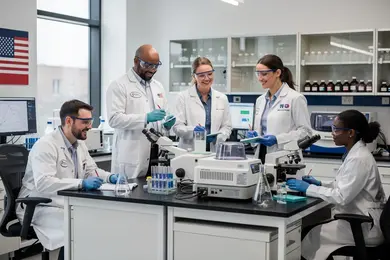
2027 Science Internship Requirements: Hours, Placements, and Supervision

Co-Founder and Chief Data Scientist
What exactly do internship requirements entail for students pursuing a science degree? Understanding the balance between required hours, placement options, and types of supervision is crucial for success.
Nearly 75% of science graduates report that practical experience gained through internships significantly boosted their employability. Many programs mandate placement in labs, research centers, or industry settings, with supervision ranging from faculty advisors to industry professionals. Navigating these expectations can be challenging without clear guidance.
This article explains the typical internship hours, placement processes, and supervision standards in science degree programs, aiming to help students meet academic and professional demands effectively.
Key Things to Know About Science Internship Requirements
- Internship hours typically range from 120 to 200, requiring careful academic scheduling to balance coursework and practical experience.
- Placement availability depends on site partnerships; limited slots demand early application for quality internship locations.
- Supervision must meet faculty standards, with regular evaluations ensuring meaningful skill development and adherence to learning objectives.
Do All Science Degrees Require an Internship?
Internships offer valuable practical experience that bridges classroom learning and real-world applications in many science degree programs. A significant portion of students, around 65%, engage in at least one internship before graduation.
Several key considerations influence whether mandatory internship hours for science students are part of their curriculum:
- Program Type: Applied science degrees often emphasize internships as they focus on practical skills and workplace readiness, while theoretical science programs might prioritize research projects or coursework instead.
- Accreditation Standards: Some degrees accredited by professional organizations require internships to satisfy industry or regulatory standards, ensuring graduates meet certain competencies.
- Specialization Tracks: Internship expectations can vary by concentration, with areas like biomedical sciences demanding more hands-on experience compared to theoretical disciplines such as physics.
- Alternative Experiential Learning: Certain programs allow substitutions for internships, such as capstone projects or lab practicums, which can fulfill experiential requirements without formal internship participation.
For students seeking flexible educational options, many FAFSA approved online colleges offer programs that integrate internships or equivalent experiences tailored to individual learning paths and career goals.
What Requirements Must Be Met Before Starting a Science Internship?
Internship programs establish prerequisites to ensure students are well-prepared and match the internship's demands. Research shows that 62% of employers prioritize prior coursework and academic standing when assessing internship readiness.
Below are several common eligibility criteria students typically must fulfill before beginning a science internship:
- Minimum GPA: Many internships require a minimum grade point average, often between 2.5 and 3.0, to demonstrate academic proficiency and a solid understanding of fundamental concepts.
- Completed Coursework: Applicants usually need to have finished specific courses related to the internship's focus, such as cell biology or biochemistry for molecular biology internships, ensuring they can actively participate in technical tasks.
- Application Approval: Submission of detailed applications, including academic transcripts, resumes, and sometimes recommendation letters, allows supervisors to select candidates who best align with program goals.
- Background Checks and Health Clearances: Programs involving sensitive environments or vulnerable populations may require criminal background screenings or health verifications to maintain safety and compliance.
How Many Internship Hours Are Required for Science Degrees?
Typically, science degree programs require between 120 and 200 internship hours, reflecting a common metric where one credit hour equals roughly 40 to 50 hours of hands-on work. The variations depend on multiple factors that determine how internship hours are structured.
- Academic Credit Equivalencies: Internship hours usually correspond directly to academic credits, with most programs assigning 40 to 50 hours for each credit hour earned through practical work.
- Program Type: Bachelor's degrees often have lower hour requirements than integrated master's or professional science degrees, which may demand more extensive experiential learning.
- Accreditation Expectations: Accrediting organizations like ABET set minimum requirements for internship or practical experience, influencing hour thresholds across institutions.
- Scheduling Format: Full-time internships are designed to be intensive over a shorter period, whereas part-time internships spread the required hours across a longer timeframe.
When asked about his internship experience, a science degree graduate recalled the challenge of balancing rigorous coursework with the demanding hands-on hours. He noted, "It was tough to find the right placement that aligned with both my schedule and interests."
He also mentioned that accumulating the required hours took perseverance, especially when juggling part-time internships. "The process made me appreciate how critical real-world exposure is, but also how careful planning is necessary to meet all requirements without burnout."
Internship environments play a crucial role in shaping practical skills and career trajectories in science programs. Approximately 57% of science-related internships occur within industry sectors. Below are common settings where internships typically take place, each offering unique learning opportunities:
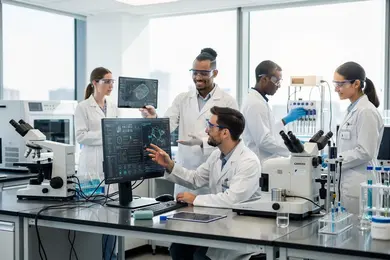
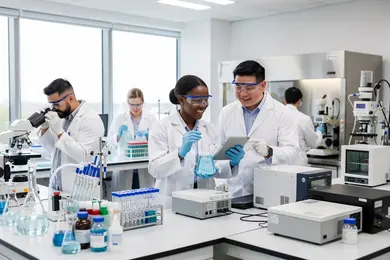
- Corporate Organizations: These include biotech companies, pharmaceutical firms, and environmental consultancies where students tackle real-world challenges by applying scientific principles to product development and innovation.
- Government Agencies: Entities such as the Environmental Protection Agency (EPA) and National Institutes of Health (NIH) offer internships centered on public sector research, regulatory roles, and policy implementation critical for societal impact.
- Nonprofit Organizations: Especially those focused on conservation, health advocacy, or social science research, nonprofits provide interns with hands-on experience in mission-driven projects supporting community and environmental well-being.
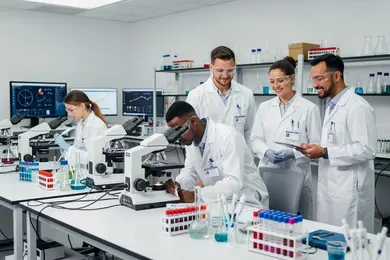
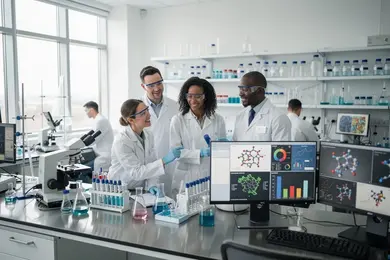
- Research Institutions: Universities and dedicated research centers allow students to collaborate with veteran scientists on investigations that contribute to scholarly publications and grant writing, fostering deep academic inquiry.
These diverse placements enable students pursuing a fast track psychology degree or other science student internship locations in the United States to align opportunities with career aspirations and academic interests.
Internship placements in science programs are carefully managed to align students with opportunities that support their academic growth and career objectives. Programs balance student interests, faculty input, and available organizational partnerships to create meaningful matches.
A recent survey found that over 65% of science students are placed through structured matching systems that consider multiple factors. These include:
- Faculty-Guided Matching: Professors and academic advisors often play a key role by recommending placements based on students' demonstrated skills and research interests, ensuring alignment with curricular goals and learning outcomes.
- Student-Driven Applications: Many programs encourage students to apply independently to internships that interest them, with coordinators facilitating connections after reviewing applications and qualifications.
- Centralized Placement Systems: Some institutions use dedicated offices or online platforms that gather student preferences and employer availability, then use algorithms or staff oversight to assign matches efficiently.
- Partnership-Based Assignments: Schools frequently establish formal relationships with certain organizations, reserving spots for students through negotiated agreements that streamline placement processes.
A science-degree student I spoke with described her experience navigating placement as both exciting and daunting. She appreciated how trusted faculty mentors pointed her toward internships that fit her interests but recalled the pressure of submitting multiple applications to expand her chances.
"It felt like a balance between showing initiative and trusting the system," she said. Coordinators were supportive but emphasized patience as logistics and approvals took time.
Reflecting on the process, she saw it as a valuable learning curve that taught her the importance of proactive communication and flexibility when securing internships in science programs.
Remote and virtual internships have become an integral part of many science programs, reflecting a broader shift toward flexible work models. A 2023 study by the National Association of Colleges and Employers found that almost 60% of internships now feature virtual or hybrid options, a notable rise in recent years.
This shift has increased opportunities for students who face geographic or scheduling barriers, allowing more to gain valuable experience. Such developments highlight changing dynamics in internship availability and structure.
Typically, virtual internships in science involve remote collaboration on tasks like data analysis, research, or simulations, using tools like video calls and cloud platforms for seamless communication. This format provides flexibility, enabling students to balance work and academics while accessing a diverse range of employers, including prestigious institutions beyond local boundaries.
However, the extent of remote internship availability depends on the program's design and the scientific work's nature, with hands-on lab roles requiring on-site presence and computational projects fitting well within online formats.
Many students enrolled in science degree programs also maintain part-time or full-time jobs throughout their studies. In fact, roughly 70% of undergraduates in the U.S. work while attending college, making flexible internship options increasingly important.
To support these working students, many science programs offer part-time internships designed to accommodate both academic and employment responsibilities.
Key aspects of these flexible internships include:
- Scheduling Flexibility: Part-time internships can be arranged around students' class schedules and existing job commitments, often allowing work during evenings, weekends, or fewer hours weekly compared to traditional full-time roles.
- Employer Accommodations: Host organizations frequently recognize students' dual commitments and adjust project timelines or assign suitable tasks that fit a part-time internship schedule.
- Academic Workload Balance: These internships help students maintain steady progress in their degree programs without overwhelming their academic responsibilities, providing valuable hands-on experience alongside coursework.
- Program-Specific Restrictions: Some science internship programs require a minimum number of total hours or that internships occur during specific semesters, though many allow these hours to be spread flexibly over an extended period to meet program standards.
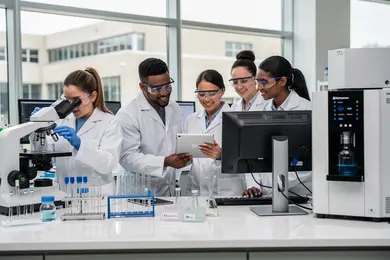
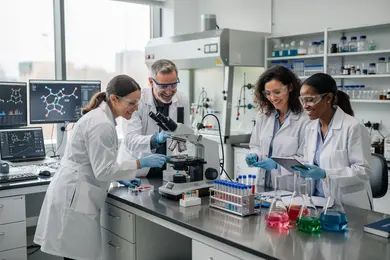
Supervision is a vital element in science internships, providing essential guidance that supports student learning and professional development. Research shows that nearly 70% of interns who benefit from structured mentorship report increased confidence and skill acquisition. Key aspects of this supervision include:
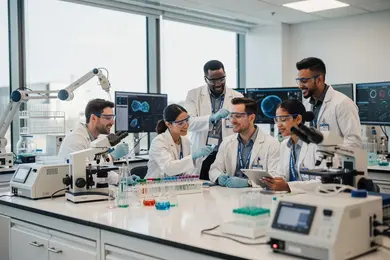
- Faculty Oversight: Faculty supervisors align internship tasks with educational goals and ensure compliance with program standards, balancing scientific training with academic requirements.
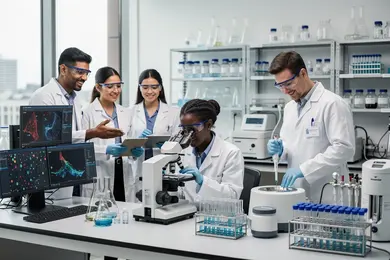
- Workplace Mentors: Experienced mentors offer daily guidance, practical advice, and technical demonstrations, helping interns navigate complex lab or field environments while upholding ethical and safety standards.
- Progress Monitoring: Regular check-ins and progress reports allow supervisors to track achievements and resolve challenges early, ensuring internship objectives are consistently met.
- Performance Feedback: Constructive, ongoing feedback enhances interns' scientific competencies and professional skills like communication, problem-solving, and teamwork.
For students considering advanced education paths, exploring the cheapest masters degree options can provide further opportunities to deepen scientific expertise under strong mentorship frameworks.
Evaluating science internships is essential to ensure students gain meaningful, skill-building experiences that align with academic objectives. Research shows that structured evaluation leads to notable improvements, with 73% of students reporting gains in critical thinking and applied skills during internships.
Various criteria for assessing science internship performance are used to measure both learning outcomes and workplace contributions.
- Supervisor Reviews: Workplace mentors assess interns on technical skills, problem-solving, communication, and professionalism. These evaluations use rating scales and narrative feedback to provide a full picture of student performance in real work settings.
- Reflective Assignments: Interns submit journals or final reports detailing their projects, challenges, and lessons learned. This encourages self-assessment and helps integrate theoretical knowledge with practical experience during the internship.
- Faculty Assessments: Professors or coordinators review student reflections and supervisor feedback to assign grades or academic credit, balancing academic rigor with workplace performance in evaluation.
- Performance Benchmarks: Programs set clear targets linked to specific learning objectives, such as mastering laboratory techniques or data analysis tools, guiding interns and evaluators in measuring competency.
- Structured Feedback Processes: Systematic evaluation cycles promote continuous improvement and help students reflect on professional growth, fostering deeper engagement with internship goals.
Those seeking additional educational pathways may consider a UX design online degree as a complementary option.
Internships in science fields offer crucial hands-on experience but often come with significant demands. A 2022 survey found that 68% of science interns experience high stress related to managing their workload and expectations. These challenges can make internships both rewarding and difficult.
Below are common obstacles for science internship placements that students frequently encounter:
- Balancing Schedules: Managing the intensive hours required for an internship alongside ongoing coursework creates significant pressure, often leading to stress and burnout as students strive to meet academic and professional commitments simultaneously.
- Adapting to Workplace Culture: Adjusting to unspoken expectations and the professional environment can be intimidating for first-time interns, affecting confidence and performance as they learn norms and communication styles unique to their placement.
- Transportation and Financial Strains: Many internships are unpaid or located far from campus, presenting logistical and monetary challenges that complicate student access and add to the overall stress of completing internship requirements.
- Handling New Responsibilities: Interns must quickly learn to manage deadlines, collaborate with team members, and navigate workplace dynamics, which can be overwhelming without prior professional experience.
Students seeking specialized paths might explore options such as an art therapy degree, where tailored internships also play a key role.
What Graduates Say About Science Internship Requirements
- Bryson: "The internship hours required for my science degree were more demanding than I expected, but they truly prepared me for juggling multiple projects professionally. I was placed in a research lab that focused on environmental science, and the hands-on experience was invaluable. Having a supervisor regularly check in helped me refine my techniques and boosted my confidence in the field."
- Tripp: "Looking back, the structured supervision during my science internship was what made the biggest difference. It ensured that I learned both the theoretical and practical aspects side by side. Also, the variety of placements offered allowed me to explore different specialties, which ultimately shaped how I approached my career choice after graduation."
- Joshua: "My science internship had a profound impact on my professional development, especially in understanding workplace dynamics and expectations in scientific research. The mandatory hours felt like a real-world commitment, which taught me discipline and time management. The placement I was assigned to opened doors to a network of professionals I still rely on today."
Other Things You Should Know About Science Degrees
Many 2027 science internship programs require 120 to 200 supervised hours for credit, with some schools setting a minimum of 6 to 8 hours per week over a semester. Programs usually count only verified lab, field, or research placement hours signed off by a supervisor.
Many science internships require students to undergo background checks, health screenings, or immunizations prior to beginning placement. These measures protect both the intern and the host organization, particularly in clinical or research settings involving human or animal subjects. Requirements vary by institution and internship type.
Students usually must complete documentation such as learning agreements, confidentiality forms, or liability waivers before starting their internships. These documents define the internship's scope, responsibilities, and expectations, and protect the rights of both the student and the host organization. Proper paperwork is essential for a formal internship arrangement.
- Internships for foreign scientists in Poland https://study.gov.pl/news/internships-foreign-scientists-poland
- Best Virtual Internships for Students & Grads 2025 & 2026 https://www.internhq.com/blog/best-online-virtual-internships-students-graduates/
- Virtual Internships: Remote Global Programs | Go Overseas https://www.gooverseas.com/internships-abroad/online
- Science Internship Program Key Facts https://www.ualberta.ca/en/science/student-services/internship-careers/employers/science-internship-program-key-facts.html
- 10 Tips for Supervising Research Interns https://edgeforscholars.vumc.org/my-10-tips-on-supervising-research-interns/
- Internship and Research Opportunities - The Council on Undergraduate Research https://www.cur.org/resources-publications/student-resources/internship-and-research-opportunities/
- 15 Remote Research Internships for Undergraduates https://www.lumiere-education.com/post/remote-research-internships-for-undergraduates
- UsePathly - AI-Powered Career Development Platform https://usepathly.com/uk/career-guides/us-science-intern
- SCIENTIFIC INTERNSHIPS https://sd.ujk.edu.pl/en/scientific-internships/
- Science internships waiting for your application https://blogs.nature.com/blog/science-internships-waiting-for-your-application/