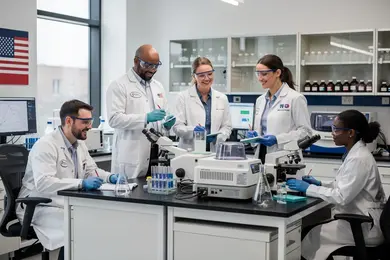
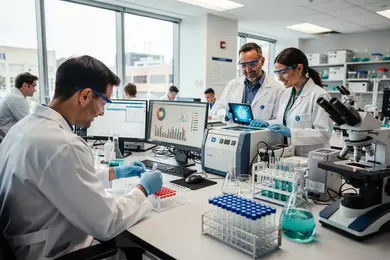
2027 Science Programs With Placement Support for Practicum or Clinicals

Co-Founder and Chief Data Scientist
Securing practicum or clinical placements in science programs can pose significant challenges-especially when placement support varies widely across program formats and institution types. Some programs offer robust, established partnerships with clinical sites ensuring high-quality, supervised experiences, while others provide minimal assistance, leaving students to navigate placement logistics alone. This disparity affects licensing readiness; studies show that programs with structured placement support increase licensure exam pass rates by up to 15%. Understanding these differences is critical for prospective students seeking reliable pathways to clinical competency and career success.
This article analyzes placement support quality in science graduate programs to guide informed enrollment decisions.
Key Things to Know About Science Programs With Placement Support for Practicum or Clinicals
- Placement support quality hinges on partnerships with accredited clinical sites-programs with dedicated coordinators ensure timely, supervised practicum matching, crucial for hands-on competency development.
- In-person programs often provide immersive, direct supervision, while online or hybrid formats rely on regional site agreements, affecting access to consistent placement experiences across institutions.
- Robust placement systems correlate strongly with higher licensing exam pass rates and job placement-making transparency about practicum support a vital factor in program selection.
What Are Science Programs With Placement Support for Practicum or Clinicals, and Why Do They Matter?
Programs offering clinical placement assistance for science students provide more than just a practicum requirement-they ensure students receive structured, institutionally supported placement services. These programs actively broker, vet, and manage partnerships with approved clinical or practicum sites, contrasting sharply with programs where students must independently arrange their own field placements. This distinction has critical implications for student success, credential validity, and employer perceptions of graduates.
Science graduate programs with placement support for practicum training reduce student stress by coordinating site approvals, monitoring progress, and guaranteeing quality learning environments that meet accreditation standards. Graduates from these programs show stronger readiness for licensure since their clinical hours fulfill strict accrediting body requirements. Employers also tend to value the consistent mentorship and training quality indicated by formal placement infrastructure, often resulting in better career outcomes.
Prospective students should examine program transparency regarding placement support, active partnerships, and availability of dedicated coordinators. Asking about graduate success rates and accreditation compliance offers valuable insight. This approach helps avoid pitfalls like inconsistent mentorship or delayed practicum completion common in programs without formal placement support.
- Biotechnology: High innovation-driven starting salaries and strong employment growth.
- Pharmaceuticals: Competitive wages reflecting rigorous clinical training requirements.
- Environmental Science: Growing demand in regulatory and conservation sectors.
- Healthcare Research: Opportunities linked to evidence-based clinical practices and public health.
Science students evaluating online options should consider placement support as a priority-especially for working professionals balancing scheduling constraints. Those interested in efficient pathways might explore online PhD programs for working professionals that combine flexible formats with robust practicum assistance to meet licensure and career goals effectively.
How Do Science Programs Define Practicum or Clinical Requirements, and What Counts Toward Completion?
Science graduate programs define practicum and clinical training requirements with significant variation, influenced by accreditation standards and program focus. This variability affects the quality and marketability of the credential earned. Programs must meet minimum supervised fieldwork hours, but these requirements fluctuate by discipline and accreditor, impacting credential rigor and licensing readiness. Such criteria for practicum and clinical hour completion in science degree programs are crucial for students evaluating program quality.
- Clock Hours and Supervision: Requirements range widely, typically between 300 and 1,000 supervised clock hours. Counseling programs accredited by CACREP, for example, mandate a minimum of 700 clock hours with at least 280 direct client contact hours. Nursing programs following ACEN or CCNE standards usually require several hundred clinical hours supervised by licensed preceptors who ensure skill competence and safety.
- Site Types and Approval: Practicum experiences must occur at program-approved sites such as hospitals, schools, or community agencies. Sites lacking formal approval or offering only observation typically do not qualify, as they lack necessary supervision and relevant clinical exposure.
- Competency Outcomes: Simply logging hours is insufficient; programs emphasize demonstrated skills in assessment, ethical decision-making, and intervention methods. These competencies are validated through supervised evaluations rather than attendance alone.
- Unpaid and Volunteer Work: While some unpaid placements may count, purely volunteer hours without formal supervision or learning objectives are often excluded by accrediting bodies prioritizing structured educational outcomes.
- Accreditation Standards Impact: National standards set baseline training expectations that programs must meet or surpass. Programs offering robust placement support often exceed these minimum hour requirements, resulting in stronger graduate preparation and improved career prospects.
- Placement Support Variation: Established placement support includes assistance securing qualified sites, coordinating supervisors, and tracking hours. This infrastructure especially benefits students balancing external commitments or enrolled in online formats-such as those pursuing an online associates degree-by easing access to quality practicum opportunities.
Applicants analyzing science graduate programs should carefully consider these practicum definitions and support structures to assess the rigor and genuine institutional assistance available-critical factors in selecting a program aligned with their licensing and career objectives.
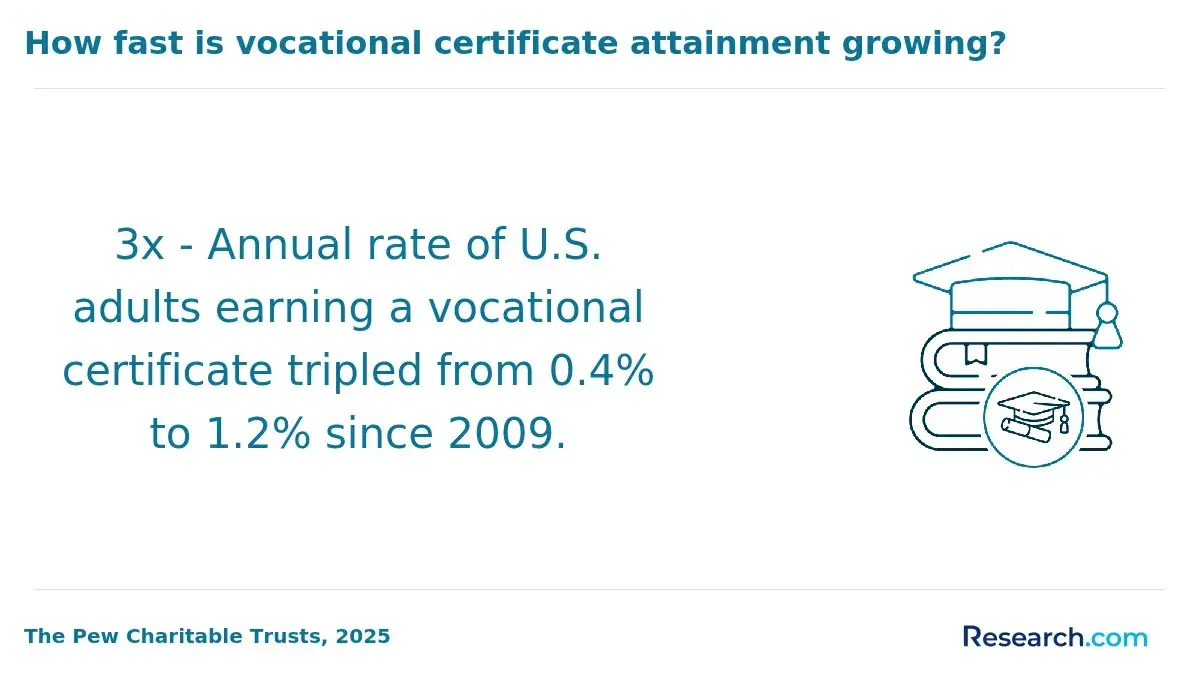
What Types of Placement Support Do Science Programs Actually Provide, and How Extensive Is It?
Science programs offer varied placement support for practicum or clinical training-ranging from passive tools to hands-on coordination. Many provide Site Identification resources such as directories of approved facilities, which serve as a starting reference but leave the responsibility for securing placements largely to students. Programs with a more formal approach establish Pre-Approval of Partner Organizations through agreements ensuring site quality, compliant supervision, and proper facilities aligned with accreditation standards.
Coordination of Student-Site Matching is an important feature in some programs where dedicated staff personally assist students by pairing them with suitable placements based on specialty and location, thereby lowering administrative burdens and improving placement outcomes. Additionally, comprehensive programs handle Liability Insurance Coverage-either providing insurance directly or verifying coverage through affiliated sites to protect students throughout their field hours.
Supervisor Credentialing ensures onsite supervisors hold the needed licenses and credentials, meeting academic and regulatory requirements critical for professional licensure. Beyond initial placement, certain programs offer Placement Monitoring and Support, maintaining active communication with students and supervisors during practicum through check-ins, site visits, or reporting systems to promptly address challenges.
On-campus Science programs often embed these services within student affairs or clinical education offices, facilitating direct support, while online programs face unique hurdles, especially across broad geographic regions, often relying more on passive resources or leaving placement arrangements to students themselves. Assessing the extent and staffing of placement services and verifying insurance provisions or monitoring mechanisms can help differentiate superficial marketing claims from substantial institutional support.
A professional who completed a Science degree reflected on his experience navigating placement support: "My program provided a list of approved sites, but I quickly realized I had to be proactive in reaching out and coordinating everything myself. It was stressful because there was minimal direct assistance, especially locating supervisors with the right credentials. I ended up spending weeks on phone calls and emails, juggling timelines against licensure requirements. In hindsight, programs with dedicated placement coordinators would have saved me a lot of anxiety and helped ensure smoother, timely completion."
Comparing online vs on-campus science practicum placement support reveals distinct approaches to managing clinical site logistics-especially when students are spread across multiple states or regions. On-campus programs benefit from established local partnerships and staff who streamline placement coordination near the institution, simplifying clinical hour completion for residential students.
- Network Infrastructure: Online science programs address geographic dispersion by forging national or multi-regional agreements with clinical affiliates. They often deploy regional placement coordinators who focus on connecting students to appropriate sites within their state or locality, forming a decentralized but structured support network.
- Placement Mechanisms: To replicate on-campus placement networks, many online programs create reciprocal arrangements with trusted clinical sites. These allow remote students to fulfill practicum requirements without relocating-often supplemented by periodic visits or virtual supervision to ensure quality oversight.
- Licensing Challenges: State licensing reciprocity poses notable restrictions in some science disciplines, limiting where online learners can complete clinical hours. This regulatory complexity means students must carefully select programs that accommodate their residence state to avoid licensure conflicts during or after training.
- Transparency and Verification: Prospective students evaluating clinical placement assistance should ask specific questions about site availability, placement success rates, and staff support for licensure navigation. For example:
- How extensive is the active placement network in my region?
- What percentage of students secure timely placements?
- Are dedicated personnel available to assist with licensure prerequisites?
- Advantages of Online Programs: Structured multi-state partnerships provide critical flexibility for place-bound students, while on-campus programs offer immediate access but less geographic diversity. When comparing science programs, look beyond marketing to identify genuine placement infrastructure that supports career readiness effectively.
For those exploring specialized fields, resources on construction management degrees online offer examples of how program format affects practicum and placement dynamics.
Accreditation bodies play a pivotal role in shaping practicum and clinical placement standards within science programs. Regional accreditors such as the Higher Learning Commission (HLC), Middle States Commission on Higher Education (MSCHE), and WASC Senior College and University Commission (WSCUC) primarily endorse overall institutional quality but rely on programmatic accreditors to define detailed practicum requirements. They ensure that institutions support supervised field experiences and maintain policies for monitoring placement quality.
- National Accreditors: Organizations like the Council for Higher Education Accreditation (CHEA) oversee programmatic accreditors and uphold accountability across academic disciplines.
- Programmatic Accreditors: Specialized accreditation for science disciplines with clinical components often supersedes regional standards. Examples include:
- The American Chemical Society (ACS), which specifies supervised laboratory and research hours for chemistry programs.
- The Accreditation Council for Genetic Counseling (ACGC), outlining minimum clinical hours, supervisor qualifications, and site approvals.
- The Commission on Accreditation of Allied Health Education Programs (CAAHEP), which details standards for clinical education settings, evaluator credentials, and competency evaluations in allied health fields.
Standard practicum criteria emphasize required supervised hours, often totaling several hundred to one thousand, supervisor licensure or specialized credentials, appropriately equipped placement sites, and rigorous evaluation processes combining formative and summative assessments. Active accreditation boosts a program's ability to secure dependable placements by fostering networks, dedicated offices, and quality assurance measures. This infrastructure is critical to meeting placement demand and supporting student achievement.
Prospective students should confirm that programs hold current accreditation recognized by relevant bodies and that field placement requirements meet licensing or certification standards pertinent to their intended state or employment sector to ensure meaningful practicum experiences.
Reflecting on her practicum experience, a professional who built her career after completing a science degree shared how navigating placement was initially daunting. "I remember feeling overwhelmed trying to find a site that met all the accreditation criteria," she recalled. However, the program's affiliation network and support staff proved invaluable-"their established relationships opened doors I couldn't have accessed alone." She also noted the importance of supervisor qualifications and structured evaluations, which ultimately gave her confidence entering professional practice. Her journey illustrates how robust accreditation and placement infrastructure can make a tangible difference in transitioning from student to licensed professional.
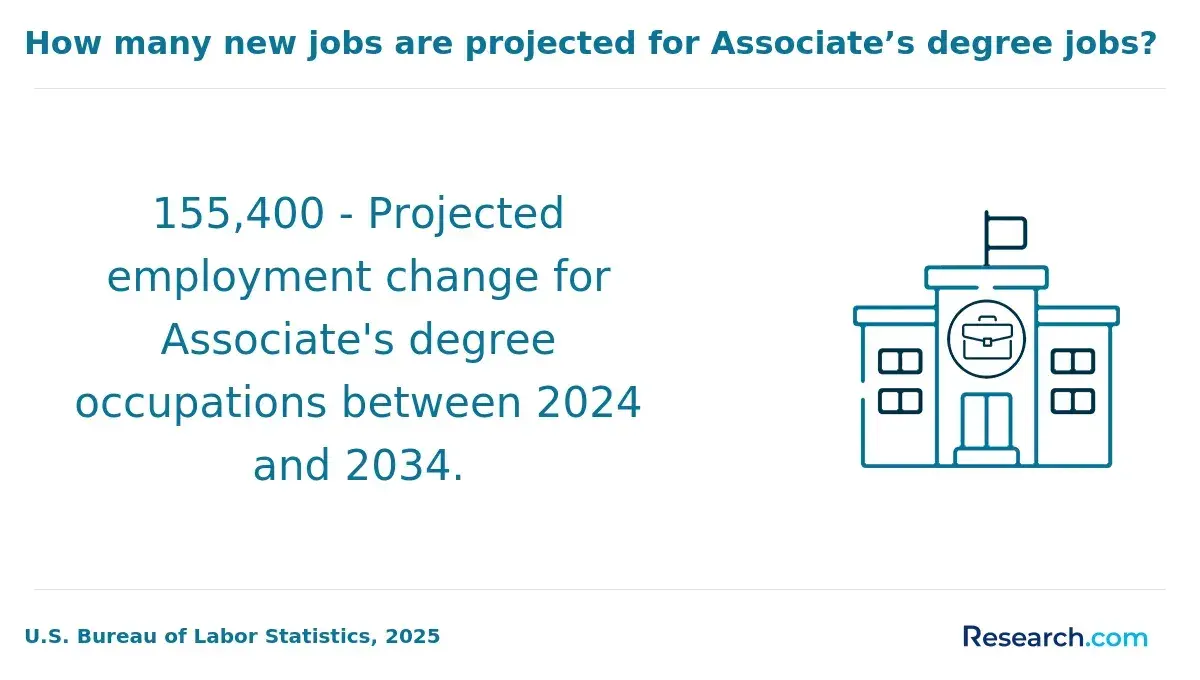
Graduate science programs with practicum or clinical components usually require a minimum undergraduate GPA between 2.75 and 3.0, though this varies by institution type. Large public universities often set the cutoff around 3.0, balancing access and academic rigor. Private nonprofit schools-especially those with competitive clinical placements-typically expect higher standards, frequently 3.25 or above, reflecting the demand for strong foundational knowledge and skills.
Some programs allow applicants with GPAs below the published minimum to enroll conditionally, often requiring additional coursework or probationary measures. This option provides a route for otherwise qualified candidates who do not meet strict GPA thresholds but demonstrate potential through experience or other achievements.
Programs with higher GPA requirements generally align with more selective, prestigious clinical placements. Admissions committees frequently view GPA as an indicator of a student's preparedness for demanding fieldwork. Prospective students should examine both minimum GPA requirements and the average GPA of admitted cohorts-since actual admission standards often exceed the stated minimum.
Considering both minimum and average GPA figures is essential for evaluating program competitiveness and readiness expectations. This approach helps applicants gauge how academic performance relates to placement support quality and eventual licensing success, ultimately informing sound educational and career decisions.
Since 2020, many science graduate programs offering practicum or clinical placement support have adopted test-optional or test-free admissions policies. This shift is particularly notable across health, social science, and education disciplines, reflecting evolving accreditation standards and broader trends to emphasize holistic applicant evaluation beyond standardized tests like the GRE.
However, certain science programs-especially at research-intensive universities and highly competitive clinical tracks-continue to require GRE or equivalent exams. These programs maintain that standardized tests provide a consistent measure of academic preparedness and critical thinking skills, crucial when clinical performance and patient outcomes depend on rigorous assessment.
Test policies can reveal important program characteristics:
- Selectivity: Programs requiring GRE scores tend to be more selective, often attracting applicants with strong quantitative and verbal abilities.
- Cohort Profile: Test-optional programs emphasize holistic review, weighting work experience, recommendation letters, and personal statements more heavily.
- Placement Support Investment: Institutions with robust clinical placement infrastructures may rely less on tests as gatekeepers, focusing instead on supporting diverse student profiles with tailored practicum coordination and resources.
Applicants navigating optional testing should consider these strategies:
- Optional Testing: Submit GRE scores only if they enhance your application relative to program averages.
- Low Scores: Emphasize other application strengths that demonstrate clinical readiness and aptitude.
- Program Inquiry: Ask how test scores affect placement support eligibility-some programs use them when assigning clinical placements.
Completing science graduate programs with practicum or clinical requirements typically takes longer than coursework alone, especially in fields with high hour thresholds. Full-time students often spend two to three years due to substantial supervised fieldwork-nursing programs, for example, require about 500 clinical hours integrated with classes, commonly finishing in around two years. Counseling and social work programs demand even more extensive practicum hours-600+ and 900+ respectively-extending program length closer to three years. Part-time enrollment often doubles these timelines as students juggle work and study.
Accelerated formats are rarer in disciplines with heavy practicum demands since securing quality clinical placements and completing required hours safely takes time. Programs with strong placement support can schedule practicum concurrently with academic coursework rather than sequentially-this integrated approach helps reduce total degree completion time. Institutional arrangements with clinical sites streamline placement, preventing delays.
When students must find their own placement sites, risks increase-supervisor unavailability, site mismatches, or scheduling conflicts commonly push completion timelines back by a semester or more. This highlights why high-quality placement infrastructure matters for licensing readiness and overall career outcomes.
Emerging and technology-driven industries influenced by placement support include:
- Biomedical Informatics: Combining clinical data analysis and health technology integration, internships typically occur in hospital IT departments or research labs.
- Environmental Health Science: Coordinated placements in regulatory agencies or field research sites are essential to meet certification deadlines.
- Genomic Counseling: Practicum experiences occur in genetic testing centers and counseling clinics, requiring early, sustained placement assistance.
Prospective students evaluating program quality should inquire specifically about placement support frameworks to set realistic expectations for their practicum scheduling and program duration. Those seeking degrees with flexible formats might also compare options available through online business degree programs accredited, which sometimes offer complementary administrative support to manage placements and related logistics.
Tuition costs for graduate science programs with dedicated practicum placement support often reflect additional institutional expenses-such as staffing for placement coordination, managing partnerships with clinical sites, and clinical scheduling. These factors typically result in higher program fees or surcharges compared to standard graduate tuition.
Key considerations include:
- Tuition Premiums: Programs offering structured placement support charge more to cover their investment in student placement infrastructure. This includes administrative efforts around site agreements, student monitoring, and compliance with licensing standards.
- Financial Aid Options: Science graduate students have access to various aid forms, including:
- Federal graduate loans with favorable terms and flexible repayment plans.
- Graduate assistantships that combine tuition remission and stipends.
- Employer-sponsored tuition benefits for professionals pursuing clinical licensure.
- Discipline-specific scholarships offered by professional associations rewarding academic achievement or clinical focus.
- Net Cost Evaluation: Prospective students should look beyond sticker-price tuition to assess net costs after factoring in scholarships, grants, and assistantships. This approach provides a clearer picture of the actual financial obligation and helps manage potential debt.
- Return on Investment: Programs with strong placement support frequently yield better employment outcomes, including higher graduate employment rates and competitive starting salaries. Verified data from institutional disclosures or program websites support these claims, justifying tuition premiums for many students.
- Total Cost of Attendance: Comparing total expenses-including tuition, fees, and living costs-is crucial. Placement infrastructure should be valued as a feature that reduces risks, such as delays in program completion, and enhances readiness for licensing and employment.
Those exploring online or traditional programs, including options like a masters in library science, will benefit from scrutinizing how placement support is operationalized, ensuring it aligns with their licensure and career objectives.
Students enrolled in science programs with placement support often access a wide array of practicum and clinical environments designed to enhance their practical skills and prepare them for licensing and professional roles. Placement networks commonly connect learners to healthcare settings such as hospitals, rehabilitation centers, and community clinics, where they engage in direct patient care alongside interdisciplinary teams.
Community-based organizations-including mental health centers, government agencies, and nonprofits-extend opportunities to work with varied populations and public health initiatives. Educational placements within schools or university clinics enable students focusing on developmental or counseling specialties to build experience in relevant settings. Private practice internships provide valuable perspectives on independent healthcare delivery and small business operations.
Students interested in occupational health or wellness coaching may find placements inside corporate wellness programs or employee health services. The diversity and depth of a program's placement network significantly influence whether students can obtain practicum sites that align with their targeted specialty areas or demographic focus, such as pediatric care, gerontology, or substance abuse treatment.
Reliable programs typically demonstrate transparency by sharing detailed site partnership lists, placement success rates, and alumni outcome data-indicators of a well-established placement infrastructure dedicated to supporting student achievement. Geographic location, program size, and institutional history all contribute to variation in available placements, so prospective students should inquire about specific site options in their region or field of interest during admissions to gauge network robustness.
- Healthcare Facilities: Hospitals, rehab centers, and community health clinics offering hands-on patient experiences.
- Community Agencies: Mental health centers, government health departments, and nonprofits serving diverse populations.
- Educational Settings: Schools and university clinics focused on developmental and counseling specialties.
- Private Practices: Internships providing insight into small business healthcare models.
- Corporate and Wellness Settings: Opportunities within corporate wellness programs and employee health centers.
- Specialty Alignment: Site options tailored to areas like pediatrics, gerontology, or substance abuse treatment.
- Transparency Indicators: Published partnership lists, placement rates, and alumni outcomes showcasing program credibility.
- Geographic Variability: Placement availability shaped by program location, scale, and institutional history.
Effective clinical supervision is vital for practicum and field training success in science programs-ensuring students gain meaningful experience under qualified professionals who comply with licensing board requirements. Programs with strong placement support don't simply accept any site with a nominal supervisor. Instead, they rigorously evaluate supervisors to confirm they hold the mandated credentials and meet ongoing professional development standards outlined by accreditation bodies.
- Credential Verification: Supervisors' licenses and certifications are carefully checked against licensing board criteria before approving any training site.
- Supervisor Training: Once approved, supervisors often receive program-specific orientation-covering expectations, supervision methods, and documentation procedures.
- Continuous Quality Assurance: Programs monitor supervision quality through student feedback, site visits, and regular audits to ensure standards remain consistent.
- Risk Management: Without proper supervision, practicum hours risk invalidation, potentially delaying licensure. Strong programs reduce this risk via stringent site evaluations and ongoing oversight.
- Student Support: Effective placement systems provide clear channels for students to report supervision concerns, with established protocols for reassignment or corrective action.
Prospective students should inquire about how supervisors are credentialed, the mechanisms for monitoring supervision quality, and what options exist if expectations are not met. This approach helps identify programs with genuine placement support rather than superficial practicum offerings.
What Graduates Say About the Science Programs With Placement Support for Practicum or Clinicals
- Bryson: "The placement support I received during my Science program was truly exceptional-dedicated coordinators connected me with top-tier clinical sites that matched my interests perfectly. What stood out was how the support adapted depending on whether the program was online or in-person; hybrid formats offered more flexible scheduling but required proactive communication. This hands-on guidance was crucial in preparing me for licensing exams, giving me confidence that I wouldn't just graduate with theory but real-world readiness."
- Tripp: "Reflecting on my Science studies, I realized how different institutions handle placement support uniquely. Smaller colleges often provided a more personalized approach-but larger universities offered broader options due to their extensive networks. For me, this mattered because securing a quality practicum pushed me one step closer to obtaining my professional license, ensuring my transition from student to practitioner was smooth and well-supported."
- Joshua: "From a career perspective, the placement support embedded within my Science program was a game-changer-connecting practical experience directly to employability. Programs that integrate clinical placements seamlessly into their curriculum prepared me better for real work scenarios, which employers value highly. It's clear that such support matters immensely for anyone serious about advancing swiftly after graduation, not just academically but professionally as well."
Other Things You Should Know About Science Degrees
Practicum and clinical placements are critical for experiential learning in Science disciplines and directly impact licensing exam readiness. Hands-on exposure to real-world settings helps students develop essential skills and professional judgment required for licensure. Programs integrating supervised clinical hours with reflective assignments and evaluative feedback tend to better prepare students for both practical and written licensing exams.
Prospective students should examine placement support by assessing the program's network of approved clinical sites, the presence of dedicated placement coordinators, and transparency in site assignment processes. Evaluating student-to-site ratios and documented success rates in securing timely placements also provides insight into support quality. Additionally, asking about backup plans, mentorship during placement, and alignment of sites with career goals helps gauge practical effectiveness.
Most placement sites require a criminal record check, immunization review, and health screening before students start practicum or clinical work. In 2027, many programs also require CPR certification, a TB test, and a signed confidentiality or professionalism agreement before students are cleared for placement.
- Science and Engineering Placement Support https://www.swansea.ac.uk/science-and-engineering/courses/year-in-industry/placement-support/
- Applying to Medical School with a Low Science GPA https://blog.accepted.com/applying-to-medical-school-with-a-low-science-gpa/
- SULI Selecting a Host DOE Labora... | U.S. DOE Office of Science (SC) https://science.osti.gov/wdts/suli/How-to-Apply/Selecting-a-Host-DOE-Laboratory
- Topics Category https://www.clinedaus.org.au/topics-category/placement-models-and-approaches-to-supervision-88
- How Important is GPA When Applying to Med School? https://www.princetonreview.com/med-school-advice/gpa-for-medical-school
- How Long Do Graduate School Prerequisites Really Take for Working Adults? A Helpful Timeline Guide (2025-2026) - Prereqcourses https://www.prereqcourses.com/graduate-school-prerequisites/
- Science Internship, Volunteer, and Career Opportunities (U.S. National Park Service) https://www.nps.gov/articles/000/science-internship-volunteer-and-career-opportunities.htm
- Anatomy of a Financial Aid Package: Understanding College Costs and Aid | University of Health Sciences and Pharmacy in St. Louis https://www.uhsp.edu/anatomy-of-a-financial-aid-package-understanding-college-costs-and-aid/
- More US Ph.D. Programs Drop GRE Test from Admission Requirements | Articles | Unimy https://www.unimy.com/article/blog-mba-preparation-gmat-us-phd-programs-drop-gre-test-admission-requirements
- Student Clinical Placement https://www.ohsu.edu/student-clinical-placement