2027 How Many Credits Can You Transfer Into a Science Degree Program?

Co-Founder and Chief Data Scientist
Transfer credit limits in science degree programs remain a critical factor for many students navigating academic pathways. Recent data from the National Student Clearinghouse Research Center in 2024 shows that nearly 45% of science transfer applicants encounter restrictions due to course equivalency or accreditation differences, illustrating a persistent challenge in aligning curricula across institutions. This constraint signals broader systemic variation affecting degree completion timelines and workforce readiness, especially in fields reliant on lab-intensive or sequence-specific coursework. Understanding how many credits can transfer-and why-helps prospective students weigh institutional policies against their career priorities. The following analysis explores these credit transfer boundaries and program-specific considerations.
Key Things to Know About How Many Credits Can You Transfer Into a Science Degree Program
- Transfer credit limits often exclude advanced lab or specialized science courses, forcing students to retake these critical classes; this can delay graduation and increase overall program costs despite credit acceptance in general education.
- Employers increasingly value interdisciplinary skills, so transferring credits that don't align with current science workforce needs may hinder practical readiness and reduce competitive job placement opportunities.
- Data from the National Student Clearinghouse shows adult learners utilize credit transfer to reduce time-to-degree by 25%, improving access and affordability but requiring strategic course selection to meet science accreditation standards.
How Many Credits Can You Transfer Into a Science Degree Program?
Transfer credit policies in science degree programs often create a critical junction for students balancing time, cost, and degree completion. Many institutions set a maximum credits transferable toward a science degree typically between 60 and 90 semester credit hours, reflecting an institutional priority to maintain academic rigor and accreditation standards. For example, a community college graduate with an associate degree may find that only lower-division credits transfer smoothly, while upper-division courses-central to specialized science content-face stricter equivalency reviews or outright rejection. This differentiation can lengthen completion timelines or require retaking essential core courses, directly impacting workforce entry and earning potential in fields with growing demand. Students targeting efficient transfers should anticipate these constraints and plan course sequencing accordingly to minimize redundant coursework and financial strain.
The intricacies of accreditation and course equivalency heavily influence how many transfer credits are accepted, especially in science programs where content alignment and rigor are paramount. Credits from regionally accredited institutions carry more weight, but science programs often scrutinize the depth of lab work, theoretical frameworks, and prerequisite knowledge embedded in prior courses. Upper-division transfer credit restrictions further complicate pathways, as these courses build on foundational knowledge typically developed within the program's curriculum to ensure graduate competence. This practical reality makes early consultation with transfer credit evaluators essential for realistic academic planning. Prospective students, including those from alternative settings or prior certifications considering accelerated EdD programs or BCBA programs, must evaluate how transferable credits align with degree requirements to avoid costly delays and maintain career trajectory momentum.
What Types of College Credits Can Transfer Into a Science Degree Program?
Transfer credits in science degree programs come from varied academic and non-traditional pathways, each subject to institutional review that balances course equivalency with workforce relevance. A returning adult learner, for example, must scrutinize whether previous credits accelerate graduation or result in redundant classes that inflate time and costs, delaying entry into a competitive job market that increasingly values timely credentials.
Common categories of transferable credits in Science degree programs include:
- General education credits: These foundational courses in subjects like math, English, or social sciences are broadly transferable but require minimum grades and alignment with program prerequisites to meet both academic rigor and employer expectations for well-rounded graduates.
- Core science courses: Biology, chemistry, physics, and lab credits undergo detailed evaluation for syllabus content, lab hours, and assessment methods because insufficient equivalency here can create critical skill gaps, affecting career readiness in technical roles.
- Technical or specialized electives: Credits in areas such as environmental science or computer applications may transfer if they clearly support a student's specialization and demonstrate applied workforce relevance, a growing expectation among employers in evolving STEM fields.
- Military and professional training credits: Non-traditional credits earned through formal training or certifications are accepted based on thorough prior learning assessments and documentation quality that translate real-world experience into recognized academic learning.
- Community college credits: These constitute a large source for transfer students, especially adult learners, but are contingent on articulation agreements and equivalency judgments; failure to verify course compatibility risks credit loss and extended degree timelines.
Does Accreditation Affect How Many Credits Transfer Into a Science Degree?
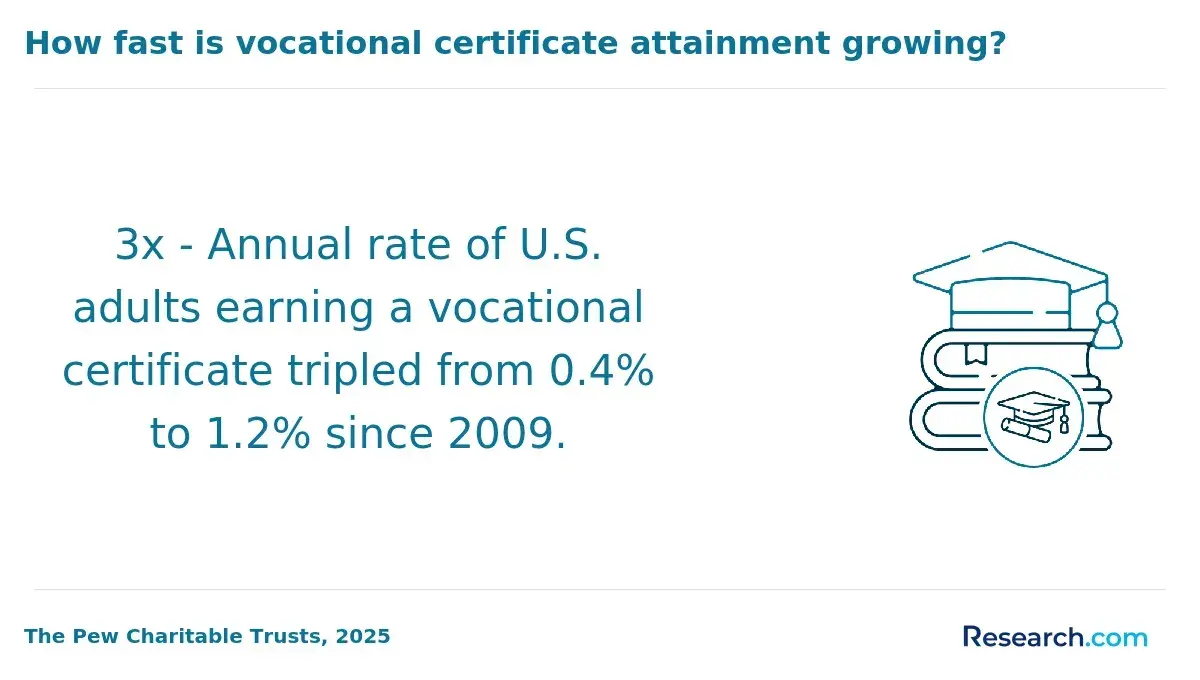
Transfer credit recognition for science degree programs hinges significantly on the accreditation status of the originating institution. Credits from regionally accredited schools are typically more readily accepted, as these institutions meet stringent academic standards aligned with those of most four-year programs. Conversely, credits from nationally accredited entities often face heightened skepticism due to perceived variability in curriculum rigor, which can result in partial credit acceptance or outright rejection. Programmatic accreditation, such as ABET for engineering disciplines, further shapes transfer outcomes by ensuring alignment with specific field standards, which streamlines credit evaluation and acceptance for specialized coursework.
These accreditation differences create tangible challenges that extend beyond academic policies into students' progression paths. A recent report from the National Center for Education Statistics indicates that about 38% of transfer students in the sciences lose a substantial portion of their earned credits due to accreditation misalignment or divergence in curriculum standards. This loss frequently necessitates retaking courses, prolonging degree completion and increasing financial burden-factors that weigh heavily on adult learners and career changers aiming for efficiency. Employers in STEM fields also tend to prefer candidates whose degrees come from rigorously accredited programs, meaning accreditation impacts not just academic transfer but also professional credibility and employability.
One prospective transfer student recalled uncertainty navigating a rolling admissions process while applying to a regionally accredited science program. Having earned most credits from a nationally accredited college, the student hesitated to submit applications early, fearing extensive credit denial and additional course load. Weeks of back-and-forth with admissions counselors ensued, creating stress over timing and financial planning. Ultimately, the student delayed enrollment until a transfer credit articulation agreement was confirmed, highlighting how accreditation clarity-or lack thereof-can influence strategic decision-making and the timing of academic progress.
How Do Universities Evaluate Transfer Credits for Science Programs?
Universities apply a structured sequence when evaluating transfer credits for science programs, focusing on precise equivalency rather than broad acceptance. The process typically begins with academic evaluators assessing submitted syllabi, comparing course content, learning objectives, lab requirements, and credit hours against established curriculum standards. This detailed syllabus review ensures transferred credits align not only in subject matter but also in academic rigor and depth, critical for science degrees where competencies build sequentially.
Following the syllabus comparison, departmental approval is essential, particularly for core disciplines like biology, chemistry, and physics. Departments verify that transfer credits meet prerequisites and align with the competencies needed for upper-division courses. Often, transferred credits may be designated for lower-division general education or elective categories instead of counting toward specific major requirements, reflecting the need to protect the integrity of science programs and maintain accreditation standards.
The accreditation status of the originating institution also weighs heavily in these decisions. Transfers from regionally accredited colleges generally receive more favorable consideration than those from nationally or vocationally accredited schools. A 2024 study by the National Student Clearinghouse Research Center highlights that approximately 60% of transfer students encounter partial credit denial or reclassification, illustrating the selective nature of transfer credit evaluation processes for science degrees.
Outcomes vary widely due to institutional policies and the competitive nature of many science programs, which maintain strict equivalency standards to uphold academic quality. This variability directly impacts students' course planning and progress toward graduation. Those seeking to expedite their Science degree should prepare thorough documentation and remain aware that not all credits will fulfill core requirements, influencing financial and time commitments. This complexity underscores the practical value of researching transfer credit policies before enrolling, particularly for students exploring options like the cheapest masters in psychology online or other advanced degrees.
Can Work Experience Count as College Credits in a Science Degree Program?
Conversion of prior work experience into college credit within science degree programs hinges on rigorous alignment between professional duties and specific course learning objectives. Institutions frequently use prior learning assessments, portfolio evaluations, competency tests, or departmental reviews to verify that the candidate's work demonstrates proficiency equivalent to academic standards. This process demands comprehensive documentation-such as detailed portfolios validated by supervisors and clear evidence of skills mastery-to satisfy faculty scrutiny. Without this structured evidence, anecdotal claims of expertise rarely suffice, reflecting institutional priorities to uphold curriculum integrity.
Practically, earning credits this way can shorten degree timelines, easing pressure on students juggling employment and education. However, many programs impose limits; recent data from the Council for Adult and Experiential Learning notes that credit via prior learning assessment generally cannot exceed 25%-30% of total degree requirements. Additionally, science fields with heavy theoretical or specialized frameworks-like molecular biology or physics-often reject experiential credit if the experience lacks sufficient academic rigor. Students must weigh the gains from reduced course load and expenses against potential gaps in foundational understanding critical for competitive employment or further study.
A graduate recalled the challenge of timing their portfolio submission during rolling admissions. Their experience as a lab assistant closely matched foundational coursework, yet delays in collecting supervisor endorsements and compiling records caused hesitation about meeting deadlines. Ultimately, the institution's layered review process extended credit approval beyond initial expectations, creating uncertainty. This experience underscored the importance of early preparation and verified documentation when seeking to translate work experience into academic credit within science programs.
Why Do Colleges Reject Transfer Credits for Science Programs?
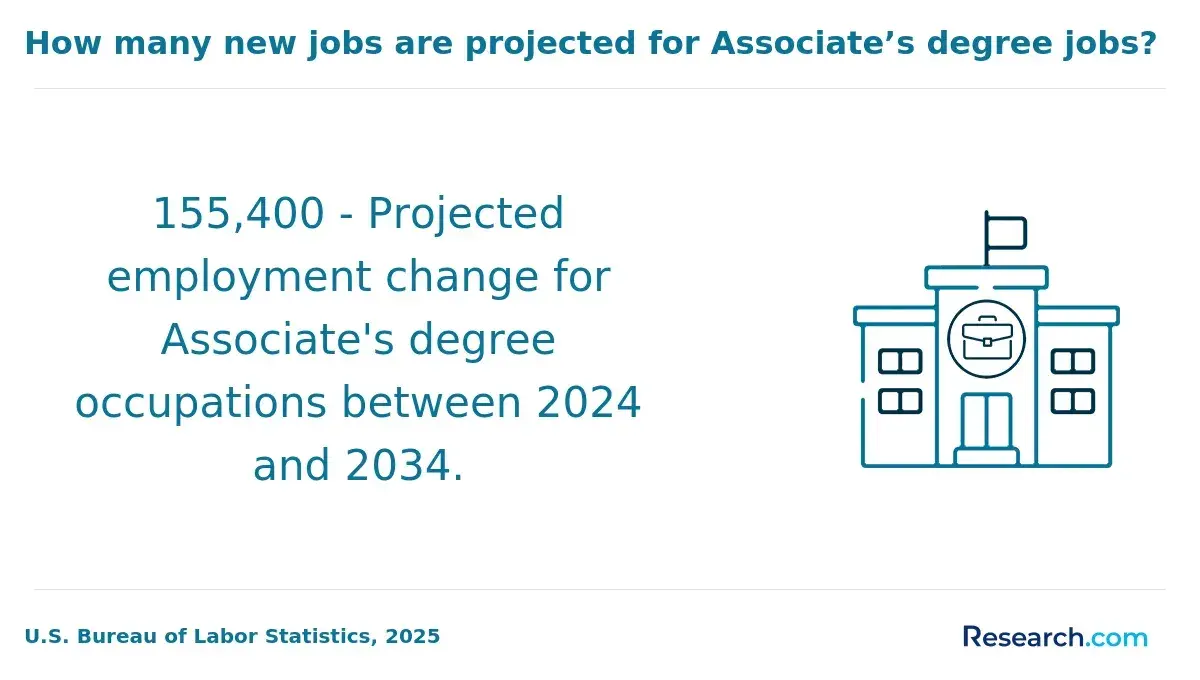
Colleges frequently reject transfer credits for science degree programs due to a combination of accreditation differences, outdated coursework, and minimum grade standards. Regional accreditation often serves as a baseline for curriculum quality, so credits from nationally accredited or technical schools face stricter evaluation. Science departments prioritize recent, rigorous coursework because fields evolve rapidly; courses completed years ago may no longer reflect current methodologies or laboratory practices, making them less likely to be accepted.
Grade requirements also significantly impact credit acceptance. Most science programs require a B or higher to ensure students possess the foundational knowledge necessary for advanced work. Credits earned with lower grades are typically excluded to maintain program integrity and rigor, especially given the challenging nature of science curricula.
Course equivalency is another critical factor. Transferred courses that lack fully comparable content, including lab or clinical components essential for skill development, often fail to meet program standards. Science degrees emphasize practical, hands-on learning, and missing or insufficient lab work can lead to credit denial. Additionally, credits earned at lower-division levels or through non-traditional pathways might not fulfill upper-division requirements, disrupting curricular progression vital to degree completion.
Rejected transfer credits have tangible consequences: prolonged graduation timelines, increased tuition from repeated courses, and disrupted sequencing of prerequisite science subjects, which can hinder timely workforce entry. According to the National Center for Education Statistics, nearly 44% of transfer students in STEM fields experience credit loss. This pattern particularly affects transfer students from technical schools, nationally accredited institutions, or older degree programs.
Prospective students should carefully assess transfer credit policies for science degrees and consider how prior coursework aligns with institutional expectations. Those exploring interdisciplinary or emerging fields might also benefit from reviewing aligned options such as a video game development degree, which has its own distinct accreditation and credit transfer considerations.
Which Science Degree Programs Accept the Most Transfer Credits?
Public universities generally accept the highest volume of transfer credits in science degree programs due to extensive articulation agreements with community colleges. These formal partnerships streamline credit evaluation and can permit up to 90 semester credits to transfer, primarily in lower-division coursework. However, stricter policies typically limit the transfer of upper-division classes, reflecting accreditation standards and the demand for specialized, rigorous science education. According to a 2024 National Center for Education Statistics report, over 70% of community college science transfers to public universities retain at least 75% of their credits, illustrating the practical advantage of these institutions but also signaling potential challenges in credit applicability for advanced science courses.
Online universities and competency-based programs offer more flexible recognition of transfer credits by valuing prior learning assessments, professional certifications, and work experience, which can accelerate degree completion. Yet this flexibility often comes with tradeoffs such as less face-to-face instruction and varying employer recognition, especially in specialized scientific fields demanding rigorous technical training. Degree-completion tracks aligned with associate degrees further maximize credit acceptance but commonly enforce residency requirements that may restrict transfer credit utility. Students must carefully weigh how generous transfer policies impact academic depth and workforce readiness, since efficient credit transfer can sometimes coincide with reduced academic rigor or limited employer familiarity in competitive science careers.
How Do Transfer Credits Affect the Time Needed to Complete a Science Degree?
Transfer credits can accelerate degree completion in science programs, but their impact often hinges on alignment with prerequisite sequencing and residency requirements. For example, a student transferring 60 credits from community college might still face delays if key courses like organic chemistry don't match the receiving institution's curriculum, interrupting the path to upper-division prerequisites and essential internships. This misalignment may push back not only graduation but also critical milestones such as licensure eligibility or entry into workforce training, underscoring that transferred credits are not uniformly interchangeable. A 2024 report from the National Student Clearinghouse Research Center found nearly 45% of transfer students experience credit loss or mismatches, illustrating how transfer decisions directly influence academic timelines and labor market entry.
Institutional policies further complicate the practical value of transfer credits in science degrees. Many universities require a minimum number of credits completed in residence-often up to 45 semester hours-limiting the effect of accepted transfers regardless of volume. Moreover, science programs may invalidate older coursework due to evolving content standards, obligating students to retake classes and extend their studies. Consequently, transfer students must navigate program-specific rules carefully with academic advisors to optimize credit application, avoid redundant courses, and plan around sequenced prerequisites. This strategic planning is essential to minimize unintended semester extensions that delay workforce participation in rapidly evolving science and healthcare fields.
Do Transfer Credits Reduce the Cost of a Science Degree?
Transfer credits influence the cost of a science degree primarily through how institutions factor those credits into tuition billing. Most colleges calculate tuition based on credit hours enrolled each term or total credits required to graduate. Consequently, only transfer credits that fulfill mandatory degree requirements directly reduce tuition expenses by allowing students to bypass paying for equivalent courses. This dynamic highlights how transfer credits impact science degree cost specifically when they replace classes otherwise charged at the institution's per-credit tuition rate. However, such cost reductions depend heavily on institutional policies and program structures.
In practice, many science degree programs have residency rules mandating a minimum number of credits earned onsite, which limits the financial benefit of transferred coursework. Additionally, excess transfer credits beyond core requirements often count merely as electives, not lowering the total tuition bill since required courses still must be paid for. About 65% of STEM transfer students experienced partial cost reductions according to National Student Clearinghouse Research Center data from 2024, reflecting varied real-world outcomes. For adult learners and career changers evaluating how transfer credits lower college tuition for science programs, understanding these nuances is essential. In some cases, exploring complementary options like an urban planning online degree may provide alternative pathways to balance credit transfer and program affordability.
What Is the Best Strategy to Maximize Transferable Credits?
Maximizing transferable credits in a science degree program hinges on understanding how institutions value course equivalencies and the impact transfer decisions have on time-to-degree and employability. For example, students transferring from regionally accredited community colleges often gain a 25% higher credit acceptance rate than those from nationally accredited or unaccredited schools, directly influencing how quickly they can enter the workforce in specialized fields. Choosing where and what courses to complete beforehand significantly affects credit acceptance and program progression.
A compelling approach involves several targeted actions designed to align prior learning with institutional requirements and workforce realities.
- Review articulation agreements early to identify which courses have guaranteed transferability and reduce credit loss.
- Attend regionally accredited institutions, as credits from these are more widely accepted, reflecting quality assurance standards critical for science degree pathways.
- Request detailed syllabus evaluations for courses not explicitly listed in transfer guides, particularly for lab-based or specialized science subjects, to demonstrate course rigor and content alignment.
- Complete prerequisite-aligned coursework, ensuring foundational classes meet the destination program's learning outcomes and minimizing credit rejections.
- Use prior learning assessments (PLA) when available to convert relevant professional experience or certifications into academic credit, a method increasingly valued for adult learners and career changers in science fields.
Recognizing institutional policies like maximum credit caps and residency rules is vital to strategizing credit transfers effectively and preventing unintended delays. Prospective and current transfer students should also consider practical outcomes such as employability, connecting their academic plan to field-specific demands-for instance, those assessing an artificial intelligence degree salary must account for the interplay between educational credentials and tech workforce expectations.
Effectively navigating these aspects reflects the best strategies for maximizing transferable credits in science degree programs and ultimately influences the time and resources required to reach career goals.
What Graduates Say About How Many Credits Can You Transfer Into a Science Degree Program
- Bryson: "When I considered transferring credits into my science degree, the main constraint was the cap on transfer credits, which left me with fewer opportunities to skip foundational courses. I had to decide whether to retake some classes or accelerate the degree timeline by taking heavier course loads. Although it slowed my entry into the workforce, the thorough grounding helped me land a research role where they valued solid academic experience over quick certification."
- Tripp: "Transferring a significant number of credits gave me the flexibility to finish my science degree faster, which was crucial since I wanted to join the workforce quickly and take advantage of remote lab internships. However, I noticed that many employers prioritized hands-on projects and certifications over the credits themselves, which steered me to seek additional internship experience. This decision paid off, as I secured a position offering salary growth opportunities that might have been tougher without that experience."
- Joshua: "I found that only a limited number of credits were accepted from my previous institution, which forced me to pivot and take extra specialized science courses. It was a tough decision given the time and financial investments, but post-graduation, competing for roles that required licensure made me realize that practical lab skills and certification mattered more than the volume of transferred credits. This reality shaped my focus on internships and skill-building rather than relying on credit transfers alone."
Other Things You Should Know About Science Degrees
In 2027, transferring credits into a specialized science program poses challenges such as varying curriculum standards, which can lead to gaps in specific knowledge areas. Institutions must ensure that transferred credits align with their rigorous standards to maintain the program's depth and comprehensiveness.
Employers, especially in STEM fields, often value hands-on experience and consistent training over the quantity of credits earned. Degrees completed predominantly through transfer credits from multiple institutions may raise concerns about program continuity or depth of learning, which can affect graduate assessments during hiring. It is advisable for students to seek programs where foundational science courses and capstones are completed at one accredited institution to strengthen their resume's credibility.
Adult learners and career changers must balance previous academic work with up-to-date scientific knowledge that aligns with current industry standards. Transfer policies that limit applied or technical course credit may require retaking classes, increasing workload and extending time to graduation. Prioritizing programs with flexible credit evaluations for professional certificates or recent coursework can reduce redundancy and ensure skills remain relevant for current science careers.
Credits from community colleges often cover essential general education and introductory science courses but may not fully substitute for advanced science classes demanded by four-year institutions. When deciding which credits to transfer, students should prioritize those from four-year colleges if they align closely with the target program's curriculum to avoid losing progress. This approach helps maintain a smoother academic trajectory that better prepares students for research opportunities and competitive job markets.
References
- Top Online Schools That Accept Transfer Credits https://www.edvisorly.com/student-guides/online-schools-that-accept-transfer-credits
- Transfer credits | Study https://www.uottawa.ca/study/undergraduate-studies/transfer-credits
- Will My College Credits Transfer? Here’s How to Check https://goedmo.com/blog/will-my-college-credits-transfer/
- Will Transfer Credits Impact your College Graduation Date? | Blog https://waves.portagelearning.edu/blog/will-transferring-college-credits-impact-your-graduation-date
- What Are College Credits? | Outlier https://articles.outlier.org/what-are-college-credits
- 4 Ways Transfer Students Can Maximize College Credits for Prior Experience https://www.umassglobal.edu/blog-news/4-ways-transfer-students-can-maximize-college-credits-prior-experience
- Why universities often reject class credits of students transferring from community colleges | Milwaukee Independent http://www.milwaukeeindependent.com/newswire/universities-often-reject-class-credits-students-transfering-community-colleges/
- Verifying that you are not a robot... https://www.degreesight.com/news/how-students-can-maximize-their-transfer-credits/
- Reasons Colleges Reject Outstanding Applicants & Ten Healthy Strategies to Process Rejection https://www.fineeducationalsolutions.com/blog-post/reasons-colleges-reject-outstanding-applicants-ten-healthy-strategies-to-process-rejection
- College Credit Transfer to Stretch Savings Further https://www.collegesavings.org/college-credit-transfer-to-stretch-savings-further