2027 Online Kinesiology Degrees With Rehabilitation Support Career Alignment

Co-Founder and Chief Data Scientist
Balancing full-time work with the pursuit of advanced credentials in kinesiology, especially with a rehabilitation support focus, challenges many ambitious professionals. The U. S. Department of Education's 2024 data shows a 28% increase in adult enrollment in online health science programs, revealing a clear shift towards flexible study models that accommodate working learners.
Yet, this growth underscores the critical need to distinguish programs offering both accessible scheduling and robust clinical alignment-vital for meeting employer expectations in rehabilitation roles. This article assesses current online kinesiology degrees featuring rehabilitation support, guiding students through program features that optimize career alignment amid evolving workforce demands.
Key Things You Should Know
- Online kinesiology degrees with rehabilitation support cost 15-30% less than campus programs but extend average completion times by 20%, per NCES 2024, constraining rapid career pivots amid industry demand.
- Healthcare employers prioritize candidates with integrated rehab practicum experience; 62% of surveyed facilities in 2025 prefer degrees combining kinesiology and hands-on rehab certifications, limiting purely theoretical online-only graduates.
- Projected U.S. rehab workforce growth of 14% through 2031, per BLS 2024, pressures online kinesiology programs to embed clinical skills, or risk graduates' misalignment with employer expectations and reduced job placement rates.
What Are Online Kinesiology Degrees With Rehabilitation Support?
Choosing online kinesiology degrees with rehabilitation support requires balancing academic rigor with practical requirements that impact eligibility for licensure and employment. Many distance learning kinesiology programs with rehab career alignment mandate on-site clinical practicums to verify real-world skills, which can present scheduling challenges for working professionals.
For instance, individuals shifting careers into rehabilitation fields must negotiate flexible clinical hours alongside existing job commitments to avoid extending time-to-completion or jeopardizing credential recognition.
The demand for rehabilitation-trained practitioners is firmly backed by labor projections anticipating 14% job growth in physical therapy roles through 2033, significantly outpacing average occupational growth.
However, prospective students should consider that a lack of validated practicum hours and formal rehabilitation training often reduces competitiveness in hiring pools where employers increasingly require proficiency in patient assessment technologies, gait analysis, and evidence-based treatment protocols.
Programs that integrate evolving industry trends, such as telehealth therapy, and maintain accreditation from recognized allied health bodies offer graduates more direct pathways to employability. This attention to current clinical skills ensures alignment with employer expectations and nuances in rehabilitation practice.
Evaluators looking for a comprehensive overview of such programs may consider investigating the best online exercise science degree resources to compare curricula and clinical requirements.
Ultimately, selecting an online kinesiology degree with rehabilitation support must account for:
- The necessity of hybrid clinical arrangements to meet accreditation and licensing criteria.
- Workforce readiness through hands-on experiences validated by employers.
- Program responsiveness to technological advancements in rehabilitation science.
How Do You Choose an Accredited Online Kinesiology Program?
Prioritizing institutional accreditation recognized by the U.S. Department of Education or the Council for Higher Education Accreditation is essential when assessing how to evaluate accredited online kinesiology programs. This verification impacts credit transferability, federal financial aid eligibility, and employer recognition.
Equally important is programmatic accreditation tied to health sciences or athletic training, as real-world licensure and employment outcomes hinge on these benchmarks.
For working professionals especially focused on rehabilitation, selecting programs with rigorous, location-accessible clinical practicums ensures graduates possess validated competencies aligned with injury prevention and therapy modalities.
The field forecasts a 13% employment growth for athletic trainers specializing in rehabilitation from 2023-2033, reflecting rising demand for clinically adept professionals. Programs that integrate comprehensive practicum experiences with flexible delivery models balance workforce engagement with practical skill development.
Reviewing graduation and job placement rates alongside partnerships with sports medicine clinics can differentiate programs that deliver tangible career benefits versus those relying on marketing narratives. Lower tuition costs may be offset by reduced clinical networking and licensure support, a critical consideration given the variation in state certification requirements for this sector.
Optimal choices incorporate robust licensure preparation aligned with target state mandates and transparent workforce outcomes data. Working professionals evaluating kinesiology degrees with rehabilitation support must weigh these practical factors against scheduling demands and costs.
Those interested in further advanced education might compare pathways by consulting resources such as the doctorate in healthcare administration, which similarly emphasizes strategic career integration.
Which Kinesiology Degrees Lead to Rehabilitation Careers?
Degrees in kinesiology that concentrate on exercise physiology, rehabilitation science, or clinical exercise science directly address workforce demands in rehabilitation settings by emphasizing practical skills critical for employment.
Unlike general kinesiology programs, these specialized paths combine biomechanics, therapeutic exercise, and patient assessment with clinical practicums that meet employer expectations.
For example, an exercise physiologist working with post-stroke patients must master neurorehabilitation strategies and exercise adaptation for diverse motor impairments, a nuance often absent from fitness-oriented curricula.
The median annual wage for exercise physiologists designing clinical rehab programs was $73,850 per the U.S. Bureau of Labor Statistics, reflecting specific market valuation for these competencies. However, bachelor's degrees-even with internships at hospitals or rehab centers-often fall short of licensure requirements for advanced rehabilitation roles.
This gap frequently compels students pursuing kinesiology programs for rehabilitation career paths to obtain graduate certifications or licenses in physical or occupational therapy adjunct fields.
Prospective students should prioritize programs offering accredited clinical practicums, since hands-on patient experience is a non-negotiable hiring prerequisite. Students pivoting from unrelated fields must also navigate state licensure standards, making dual-degree or certificate options important.
Employers explicitly favor candidates whose education includes exercise prescription tailored for injury recovery and chronic illness management over general exercise science.
Programs embedding research methods and interdisciplinary collaboration better prepare graduates for sustained career growth in rehab settings that demand continuous evidence-based practice updates. Foundational kinesiology degrees with a rehabilitation focus enable entry into technician or assistant roles, while therapist positions typically require advanced certification.
Professionals exploring an online MBA healthcare may also find enhanced leadership opportunities within rehabilitation management careers.
What Coursework Is Included in Online Kinesiology Programs?
Programs focused on online kinesiology rehabilitation coursework go beyond foundational theories, integrating biomechanics, exercise physiology, and motor control with specialized therapeutic intervention. Such curricula equip students to analyze joint forces and develop rehabilitation protocols that directly reduce reinjury risk-a critical skill for physical therapists managing post-operative recovery.
Emphasizing musculoskeletal and neurorehabilitation diagnostic methods, these programs train students to tailor treatment strategies that meet complex neurological or orthopedic needs.
Students pursuing kinesiology degree courses with rehab support often engage in applied modules centered on exercise prescription and wellness design. These prepare graduates to create personalized plans reflecting diverse client health profiles and recovery trajectories, aligning well with roles like fitness trainers or rehabilitation coaches.
Importantly, practical experience through virtual labs or supervised internships addresses common critiques of online formats by validating skill acquisition and enhancing employability.
Workforce data underscore the tangible value of advanced kinesiology training. According to analysis cited by the University of Florida, exercise physiologists with master's degrees in kinesiology earn roughly 18% more than those with bachelor's, while coaches and scouts see 43.7% gains, and fitness trainers achieve a 35.8% premium. This evidences how specialized kinesiology rehabilitation coursework impacts income and career differentiation.
Prospective students seeking efficient pathways should also evaluate complementary online healthcare programs. For example, consider exploring online ABSN programs as parallel options that may leverage interdisciplinary strengths in clinical environments.
How Do Online and Campus Kinesiology Programs Compare?
Online kinesiology degrees provide a cost-efficient pathway, especially for those balancing work or located far from campus facilities. Concordia University Chicago's online BS in kinesiology, at $440 per credit hour, illustrates how reduced tuition and eliminated housing costs can lead to a favorable return on investment, with graduates starting salaries near $60,000 as personal trainers.
Yet, these programs demand students independently arrange local internship opportunities for essential hands-on practice.
In contrast, campus-based kinesiology programs embed structured clinical experience within physical therapy or sports medicine settings, critical for roles requiring immediate licensure or workplace-readiness. Face-to-face mentorship, access to on-site rehabilitation labs, and integrated internships reduce employer hesitancy commonly associated with exclusively online graduates.
Employers prioritize verifiable rehabilitation experience linked to state licensing requirements. Online learners must proactively document practical hours and seek partnerships to demonstrate competency. The decision hinges on balancing upfront expense and geographic flexibility against the urgency of immersive clinical training.
Key practical considerations include:
- Online study allows maintaining employment while studying but may delay clinical competence acquisition.
- Campus programs frontload in-person skill development but involve higher costs and less scheduling flexibility.
- Align program choice with specific kinesiology career goals, including anticipated licensure needs and local internship availability.
What Are the Admission Requirements for Kinesiology Majors?
Admission to kinesiology programs often demands balancing robust science preparation with relevant clinical experience, a dual requirement that shapes both entry competitiveness and eventual workforce readiness.
Applicants must hold a high school diploma or equivalent, with a minimum GPA near 3.0, and demonstrate coursework in biology, chemistry, and physics. Prior college credits in anatomy or exercise science can streamline progression by waiving foundational classes, offering a tangible advantage amid competitive admissions.
Clinical or volunteer experience in rehabilitation settings frequently factors heavily, particularly for those aiming at therapeutic roles. This practical exposure signals to programs and employers an operational understanding of musculoskeletal health, which aligns with anticipated job growth-physician assistant roles tied to rehabilitation are projected to expand by 28% from 2023 to 2033 according to the U.S. Bureau of Labor Statistics.
Programs with a stronger rehab focus may require additional clearances such as immunization records and background checks early on, potentially delaying matriculation for unprepared candidates.
Those entering with strong science backgrounds but little hands-on rehab experience risk difficulty in applied clinical courses, while students without science prerequisites face longer degree timelines and higher costs due to remedial coursework.
How Long Does an Online Kinesiology Degree Take and Cost?
Choosing an online kinesiology degree requires balancing program length, cost, and career timing against workforce demands. An associate's degree can typically be earned in about two years, offering a faster entry into roles like occupational support or fitness coordination. Meanwhile, bachelor's degrees generally span four years and provide deeper knowledge valued in leadership and rehabilitation specialties.
Tuition ranges widely-from roughly $10,000 to $40,000 for bachelor's programs at accredited institutions-with additional expenses such as textbooks and clinical placements often overlooked in initial budgeting. Public institutions usually offer more affordable in-state rates, whereas private programs demand higher investment.
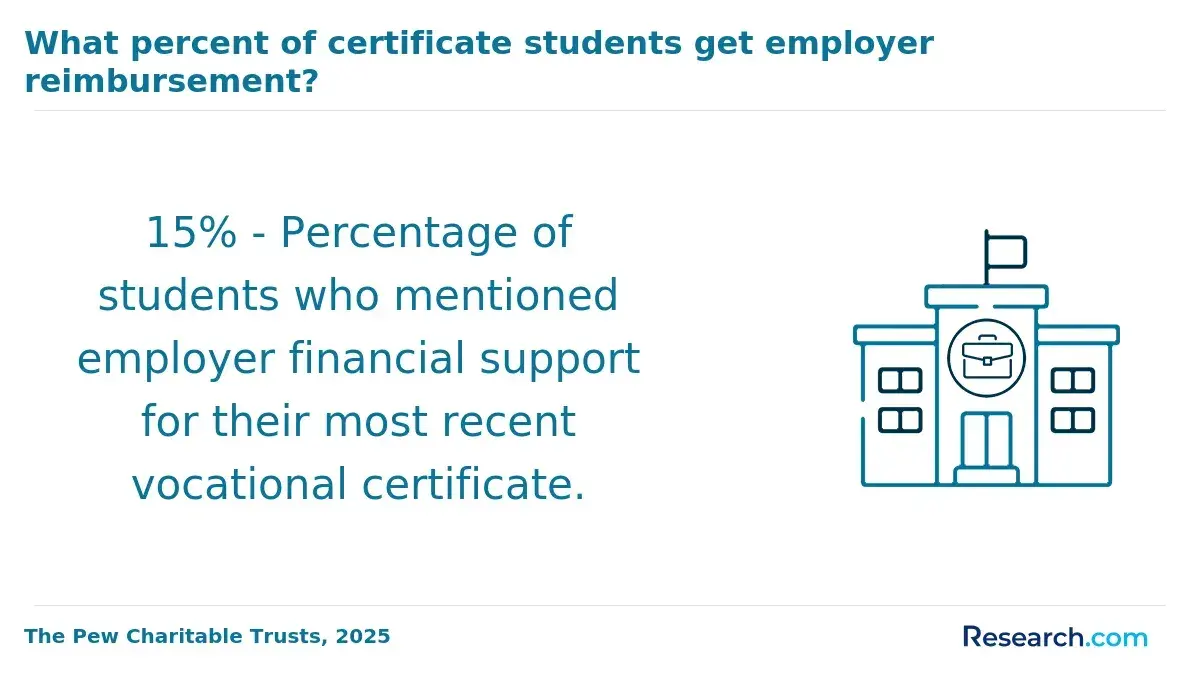
Employer tuition support or military benefits can mitigate costs but depend on eligibility criteria, which candidates must verify well before enrollment.
Immediate workforce impacts vary: entry-level roles such as corporate wellness coordinators start near $40,000 annually; delaying degree completion can defer such earning potential, especially in organizations that link promotions to credential attainment and specialized rehabilitation knowledge.
In sectors requiring swift upskilling, opting for an associate degree may minimize unemployment duration, while pursuing a bachelor's degree better suits professionals targeting advanced or managerial positions despite the longer timeline and cost. Reliable internet access and self-management are non-negotiables for successful online study, directly influencing graduation pace and overall return on investment.
What Jobs Can You Get With a Kinesiology Degree?
A kinesiology degree generally positions graduates for entry-level roles such as exercise physiologist, physical therapy assistant, or wellness coordinator, but the degree's standalone value is often limited without targeted certifications. Employers prioritize candidates with additional credentials like Certified Exercise Physiologist (CEP) or Certified Strength and Conditioning Specialist (CSCS), as these directly influence starting salaries and job prospects.
For example, metropolitan areas might offer starting wages over $50,000 for certified individuals, but the increased cost of living and competition require deliberate financial and professional planning.
Graduates aiming for rehabilitation roles or clinical settings typically face additional credentialing demands, such as physical therapy or occupational therapy licenses, necessitating more coursework and exams beyond the kinesiology degree. This makes the educational pathway more complex and costly, affecting the return on investment depending on career goals.
- Without certifications or graduate study, kinesiology graduates often remain in support positions with limited salary growth.
- Clinical internships and network building within multidisciplinary systems markedly improve employment outcomes.
- Certification provides measurable wage premiums and enhances practical skill validation sought by employers.
The degree's adaptability extends into fields like athletic training, ergonomics, and public health agencies, but success relies on pairing formal education with credentialing and strategic experience acquisition. Students must weigh the tradeoffs of extra certification time and cost against long-term employability in their chosen subfield.
What Salaries and Job Outlook Apply to Rehabilitation Careers?
Rehabilitation roles within kinesiology demonstrate a clear salary divide tied to specialization and work environment. Entry- to mid-level salaries hover between $45,000 and $70,000, but practitioners in hospital settings or clinical specialties often exceed $80,000 annually.
This disparity reflects employer expectations: public sector jobs usually demand licensure and certification, while private rehabilitation centers prioritize candidates with multidisciplinary experience, including occupational health.
A pertinent example is a kinesiologist employed in a manufacturing return-to-work program, who must collaborate with safety officers and excel in ergonomic assessments-skills not always emphasized in academic programs but essential for employment and effective performance.
Workforce data from Canada's Job Bank rates the outlook for kinesiologists and related therapy professionals as "good" through 2026, driven by an aging labor pool and heightened focus on workplace injury recovery.
Real salary progression also favors those with rehabilitation expertise, due to their direct impact on reducing healthcare costs and improving employee productivity, in contrast to slower wage growth in broader kinesiology roles.
Practical job market advantage requires students to pursue programs integrating rehabilitation internships or partnerships, which significantly improve initial placement odds. Understanding these distinctions is critical for those strategizing a career pivot or advancement in kinesiology's rehabilitation sector.
Which Certifications or Licenses May Be Required for Rehabilitation Roles?
A kinesiology career path focused on rehabilitation demands specific licenses and certifications that directly shape employability and role scope. For instance, Certified Exercise Physiologist (CEP) credentials from the American College of Sports Medicine (ACSM) or Physical Therapy Assistant (PTA) licenses are standard requirements, especially in settings where rehabilitation relies on technology-enabled assessments.
With exercise physiologist jobs growing 7% through 2033 according to the U.S. Bureau of Labor Statistics, qualifications that integrate telehealth and data-centric rehab practices become critical.
Certification as a Rehabilitation Specialist through the Commission on Rehabilitation Counselor Certification (CRCC) is essential when clinical counseling merges with physical recovery, commonly seen in specialized rehab clinics or hospitals.
Occupational licenses for physical and occupational therapists vary by state, creating a patchwork that kinesiology graduates must navigate by pursuing additional certifications to practice legally under medical oversight.
Employers prioritize candidates with completed certifications; those without them are often limited to entry-level wellness coaching roles without direct patient care, which typically offer lower wages and fewer advancement prospects.
Taking the PTA license as an example, candidates must complete between 500 and 1,000 supervised clinical hours-this requirement makes programs with integrated exam preparation and clinical placements especially valuable for minimizing time-to-employment.
Tradeoffs include balancing the upfront cost and time for credentialing against longer-term career viability within evolving rehabilitation fields. Understanding these constraints can guide candidates in selecting pathways that align tightly with workforce demand and legal practice scope.
Other Things You Should Know About Kinesiology
Most accredited online kinesiology degrees with rehabilitation support require some form of hands-on clinical or practicum experience, typically arranged locally by the student. This component is critical because employers in rehabilitation fields prioritize demonstrated practical skills over theory alone. Before enrolling, verify if the program's model for clinical placements fits your current location and schedule, as limited or inflexible practicum options can delay graduation or reduce real-world preparedness.
Online kinesiology programs can provide foundational knowledge but often lack direct preparation for specific licensure exams related to rehabilitation, such as physical therapy or occupational therapy licenses. Students who intend to pursue such certifications should prioritize programs with explicit curricula aligned to these credentials and accessible clinical training partnerships. Choosing a program without this alignment may require additional post-degree certification courses, extending time and cost before entering the workforce.
Employers in rehabilitation prefer candidates with focused expertise and relevant hands-on experience rather than broad kinesiology knowledge alone. Specializing in rehabilitation support within your kinesiology degree signals readiness to meet job demands and can improve hiring prospects in competitive markets. When choosing a program, prioritize those offering targeted rehabilitation coursework and practicums that align directly with the type of role you seek.
References
- Best Online Kinesiology Degree Programs, Updated for 2026 https://www.kinesiologydegrees.org/programs/online
- Rehabilitation Counselor https://onlinecounselingprograms.com/become-a-counselor/counseling-careers/rehabilitation-counselor/
- How To Become A Rehabilitation Counselor | Psychology.org https://www.psychology.org/careers/rehabilitation-counselor/
- Online Kinesiology Degree Programs: Review Top Schools https://www.edumed.org/online-schools/kinesiology-degrees/
- American Kinesiology Association | Careers in Kinesiology https://americankinesiology.org/careers-in-kinesiology/
- What Can You Do with a Kinesiology Degree? https://www.nec.edu/news/what-can-you-do-with-kinesiology-degree
- Admission Requirements https://www.ualberta.ca/en/kinesiology-sport-recreation/programs/international-undergraduate-students/undergraduate-degree/admission-requirements.html
- Rehabilitation Technician Degree & Certificate Programs https://www.medicaltechnologyschools.com/rehabilitation-technician
- What Can You Do With a Kinesiology Major? | USAHS https://www.usa.edu/blog/what-can-you-do-with-a-kinesiology-major/