2027 Paying for an Online BA in Psychology - Mental Health: A Scholarship Restricted to Returning Adults
Audited and Verified:
Our Editorial and Data Verification Process
Research.com uses government datasets, official education statistics and primary institutional information to support its career and degree guides. Our review process checks factual accuracy, occupational definitions, source dates and the requirements associated with the credentials discussed.
How This Article Was Fact-Checked
Our editorial team verifies salary estimates, employment projections, education requirements and program information against original data providers and official organizations. Salary figures are checked against the relevant occupational definitions and reporting periods. Information about licensure, accreditation and required in-person training is reviewed separately.
Fact-checked and verified on:

Co-Founder and Chief Data Scientist
A scholarship restricted to returning adults can make an online psychology degree more affordable, but its award may cover only a small part of the cost, or disappear if your enrollment changes. If you are coming back to college while working or caring for others, the decision starts with your remaining degree requirements, not the advertised award.
This guide explains how to compare scholarship terms, transfer-credit evaluations, tuition, and likely career pathways so you can judge whether an online BA in psychology focused on mental health is a sound use of your time and money.
Key Things You Should Know
- An adult-learner scholarship is worthwhile only when you know its award amount, eligible costs, renewal rules, and effect on other aid.
- Accepted transfer credits do not necessarily satisfy psychology-major requirements; an approved degree audit is essential to estimating remaining cost.
- A mental-health-focused psychology BA can support nonclinical work, but it does not qualify graduates to diagnose conditions or provide psychotherapy.
What Is an Online BA in Psychology Focused on Mental Health?
It is a bachelor of arts degree in psychology whose coursework includes mental-health-related subjects. Depending on the school, that focus might be an officially named concentration, a set of electives, or simply part of a general psychology major. Check the credential that will appear on your transcript rather than relying on a program description.
For a returning adult, the distinction matters financially: a formal concentration may add required courses that do not match prior credits. If your interests center on substance use and recovery, compare the actual course requirements with those of distance learning bachelor's degrees in addiction psychology. Neither focus, by itself, is a treatment credential.
How Much Does an Online Psychology Bachelor's Degree Cost?
The useful figure is your remaining net cost, charges for the courses you still need, plus unavoidable expenses, minus grants and scholarships you are eligible to receive. A low advertised per-credit rate can be misleading if the school applies few of your prior courses to graduation requirements.
The following cost categories belong in a school-by-school estimate. Ask each institution for a degree audit and a written explanation of its current charges before comparing totals.
| Cost category | What to check |
| Tuition | Rate for your residency status and enrollment format; credits still required |
| Required fees | Technology, course, graduation, and other mandatory charges |
| Learning and travel costs | Books, software, reliable internet, and any campus or placement visits |
| Time-related costs | Reduced work hours, caregiving, or an unpaid approved experience |
| Financial aid | Grants and scholarships after enrollment and renewal conditions are applied |
Use budget-conscious psychology program comparisons to identify schools to investigate, then compare your own audited remaining requirements. A scholarship at a higher-cost school does not necessarily produce the lowest net cost.
What Scholarships Help Returning Adults Pay for an Online Psychology Degree?
A scholarship restricted to returning adults generally means applicants must meet the sponsor's definition of a returning student. That definition may depend on a break in enrollment, age, previous college study, degree-completion status, or enrollment at a particular institution. No specific scholarship or award amount is established by the title alone. Confirm an actual opportunity with the awarding organization before including it in your budget.
Potential funding sources include institutional adult-learner or transfer scholarships, community-foundation awards, employer tuition assistance, and aid for students entering human services. Federal and state grants may also reduce costs, although they are not necessarily restricted to returning adults. Guidance on financial aid for substance abuse counseling bachelor's degrees can suggest funding categories to investigate, but eligibility for a psychology BA must be checked separately.
Before applying, request the scholarship's written terms. Verify the deadline; required enrollment intensity and GPA; whether part-time, online, and transfer students qualify; whether the award renews; and whether it pays tuition only or other education costs. Ask the financial-aid office how the award interacts with grants, loans, and employer assistance. Complete the FAFSA if you may want federal aid, and do not treat an unconfirmed award as money available for an upcoming bill.
Check that the institution holds accreditation recognized by the U.S. Department of Education or the Council for Higher Education Accreditation, and confirm that the accreditation applies to the institution awarding the online degree. Then examine the psychology curriculum, faculty access, advising, course availability, and support for online students. Accreditation establishes an important baseline; it does not prove that a particular concentration is strong or that graduates qualify for a licensed occupation.
Do not reject a BA because it lacks American Psychological Association program accreditation: APA accreditation does not generally apply to undergraduate psychology majors. Conversely, do not assume institutional accreditation makes a later counseling degree meet a state's licensing rules. If licensed counseling is your goal, investigate the qualifying graduate program and its recognition separately; mental health counseling degree fees and aid planning is a distinct financial decision from paying for this BA.
Expect foundations in psychological science, research methods, statistics, and human development, alongside available coursework on psychological disorders, health, substance use, or community services. The exact mix depends on the degree audit and catalog. For an adult aiming at support or outreach work, research literacy, ethical communication, cultural responsiveness, and clear referral boundaries may be more immediately useful than a concentration label.
Compare courses against your intended work rather than assuming related-sounding specializations are interchangeable. For example, forensic psychology bachelor's study with accelerated pacing emphasizes a different context from community mental-health support. Ask whether the online program includes live meetings, group work, an internship, or local site requirements; online lectures do not necessarily mean an entirely self-paced degree.
Requirements vary by school and by whether you apply as a first-year or transfer student. Expect to document prior college work; a school may also request a high school record, application materials, or evidence that you meet a transfer-entry threshold. Admission to the university, admission to the psychology major, and qualification for an adult-returner scholarship can be separate decisions.
Send transcripts from every prior institution and request an official evaluation showing where accepted credits apply: general education, psychology requirements, electives, or neither. If you already hold a bachelor's degree, first check whether your goal truly requires another one. Depending on the intended role and graduate program's prerequisites, targeted coursework or a graduate route may be more direct. A specialized graduate option, such as those covered in time-to-degree planning for forensic psychology graduate students, should be evaluated against its own admissions rules and career purpose - not assumed to substitute for mental-health professional training.
Your timeline depends on credits that apply to the degree, prerequisite order, course availability, enrollment pace, and any residency requirement. An accelerated calendar does not remove courses that remain necessary for graduation. Part-time study may better protect work and caregiving commitments, but it can also change scholarship eligibility and the timing of costs.
Ask an advisor for a term-by-term plan based on your evaluated credits, including when statistics, research methods, and upper-level courses are offered. Compare that plan, not just advertised program length, with fast-track psychology degree programs online. If a required course runs infrequently or a scholarship requires more credits than you can manage, the fastest-looking option may not be the most feasible.
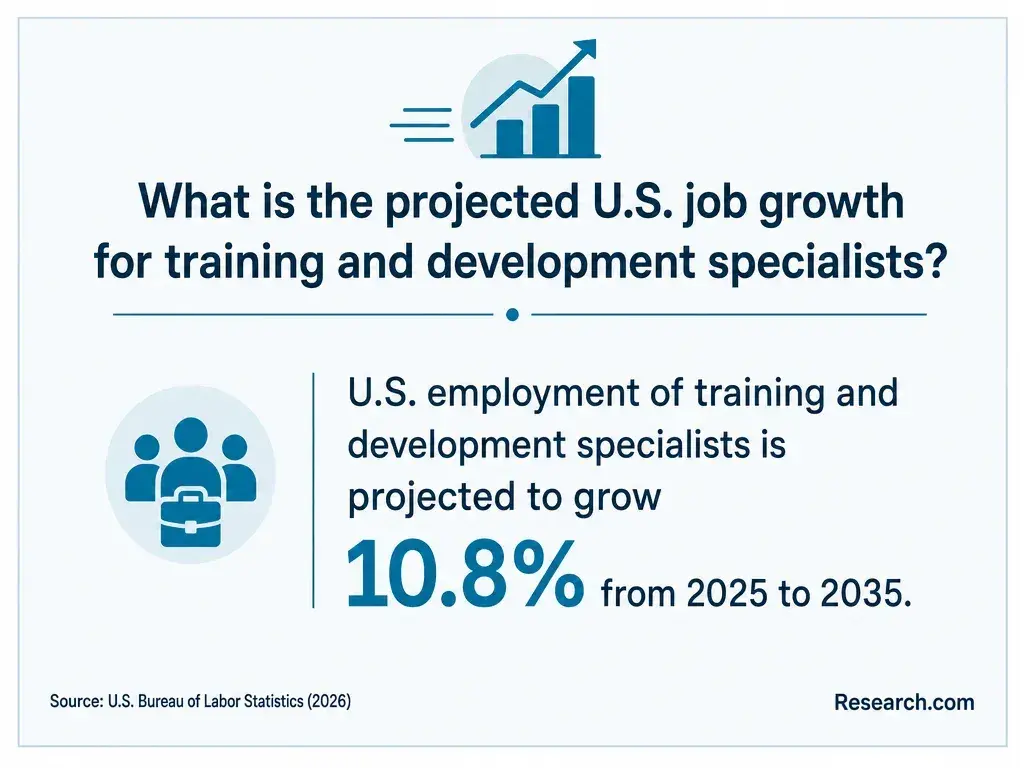
Possible nonclinical roles include behavioral-health program assistant, intake or referral coordinator, community outreach worker, victim-services assistant, and research support staff. Duties and entry requirements vary by employer. Prior experience in customer service, education, healthcare administration, or community organizations may help a returning adult compete, especially when paired with documented writing, data-handling, or client-service skills.
In recovery settings, roles can range from administrative coordination to peer support, with some positions requiring a state-recognized credential or lived-experience qualification. Compare actual job postings and professional pathways in recovery organizations before choosing electives. Do not describe academic exposure to mental-health topics as clinical experience or accept duties beyond your training and supervision.
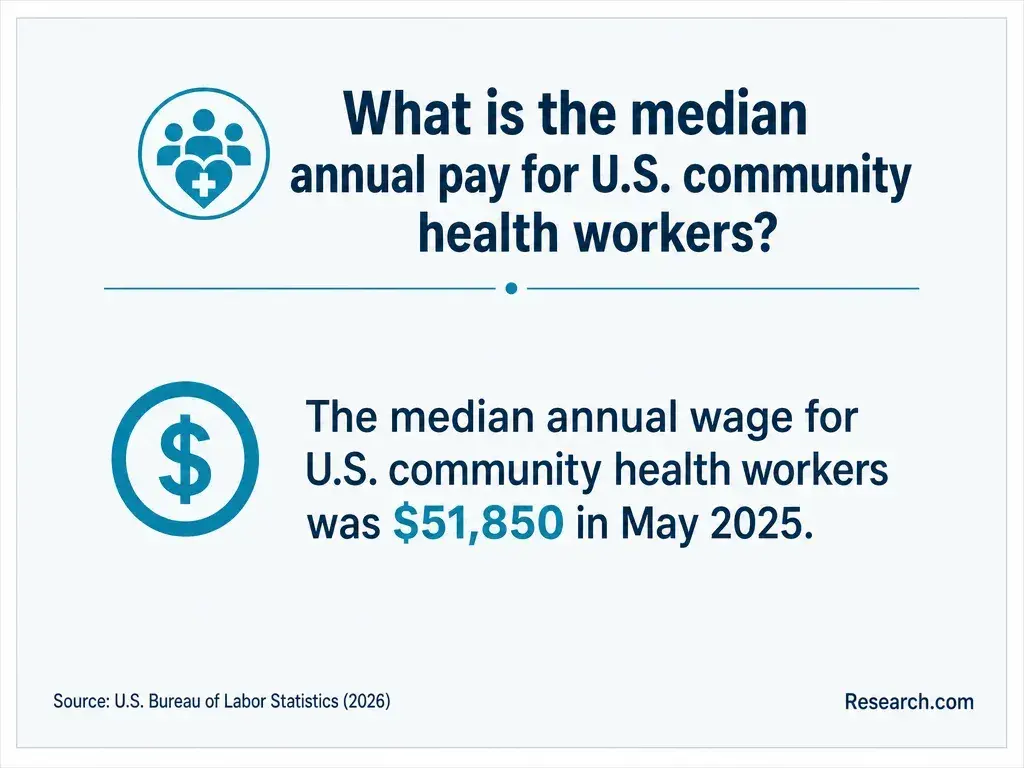
There is no reliable single salary for "a psychology BA graduate." Pay depends on the occupation, location, employer, prior experience, and whether a role requires additional credentials. An occupation-wide wage figure is not an earnings forecast for someone completing this concentration, so use the closest matching job title and local postings when planning household finances.
Compare a realistic starting offer with your remaining net degree cost and any income you would forgo while studying. If you hope a later graduate degree will change that calculation, include its separate tuition and time commitment; budget-friendly online psychology graduate degrees can provide comparison candidates, not a promised salary increase. If your current experience already qualifies you for the target nonclinical job, applying now may be less costly than waiting for a BA.
Do Mental Health Careers Require Graduate Education or Licensure?
Some support, outreach, and coordination jobs may be accessible with a bachelor's degree or relevant experience. Independent psychotherapy, diagnosis, and other regulated clinical work require the education, supervised experience, examinations, and license specified for the profession and state. A psychology BA with mental-health coursework does not itself meet those requirements.
If you intend to become a counselor, investigate qualifying counseling programs and your state board's rules before borrowing for an undergraduate concentration. Comparing fast-track mental health counseling master's formats can help frame scheduling questions, but a shorter advertised timeline is not evidence that a program meets your state's requirements or fits your work and family obligations. Choose the BA for the preparation it actually provides, while budgeting separately for any professional training your goal requires.
Other Things You Should Know About Psychology
Often, yes, but some awards require admission or enrollment first. Check the sponsor's deadline and whether accepting the award obligates you to attend a particular institution.
Ask the bursar whether the award can be deferred against your bill. Until it is confirmed, you may need another payment arrangement to avoid a late balance.
They may be, depending on how the funds are used and the applicable tax rules. Keep the award notice and records of qualified education expenses, and consult IRS guidance or a tax professional for your situation.
Verify the sponsor independently and be wary of guaranteed awards, requests for an application fee, or demands for sensitive financial information before you can confirm the organization is legitimate.
- Finding and Applying for Scholarships | studentaid.gov https://studentaid.gov/understand-aid/types/scholarships
- Program Eligibility, Written Arrangements, and Distance Education | 2024-2025 Federal Student Aid Handbook https://fsapartners.ed.gov/knowledge-center/fsa-handbook/2024-2025/vol2/ch2-program-eligibility-written-arrangements-and-distance-education
- Qualified Ed expenses | Internal Revenue Service https://www.irs.gov/credits-deductions/individuals/qualified-ed-expenses
- Behavioral Health Scholarship Program | ca.gov https://hcai.ca.gov/workforce/financial-assistance/scholarships/bhsp/info/
- Getting Started with Scholarships | University of North Texas https://financialaid.unt.edu/how-apply-scholarships.html
- Glossary of financial aid terms Distance Education | The Ohio State University https://sfa.osu.edu/distance-education/about-aid/financial-aid-terms
- Scholarships For Psychology Majors (2026) https://www.psychology.org/scholarships/
- Addressing Re-Engagement and Re-Enrollment Barriers for New Jersey Learners with Some College, No Degree - Ithaka S+R https://sr.ithaka.org/publications/new-jersey-students-with-some-credit-no-degree/
- Bachelor's in Psychology Programs Online | Online MSW Programs https://www.onlinemswprograms.com/careers/social-work-vs-counseling-vs-psychology/ba-psychology/