2027 Online Construction Management Bachelor's Degree Programs With Open Enrollment

Co-Founder and Chief Data Scientist
Choosing an online construction management bachelor’s degree with open enrollment is mainly a timing and readiness decision. You may want a construction-focused bachelor’s program, but you may not want to wait for one annual deadline, submit test scores, or pause your work schedule to attend on campus. Open enrollment can make the path more accessible, especially for working adults, military-affiliated learners, transfer students, parents, and career changers who need a program built around real-life constraints.
As of 2023, approximately 45% of online learners in construction management pursue flexible, open enrollment options to balance education with professional and personal commitments. That demand reflects a practical reality: construction management careers often reward applied skills, scheduling discipline, budgeting knowledge, safety awareness, and the ability to coordinate teams and timelines. A flexible online degree can help students build those skills without relocating or stepping away from employment.
This guide explains who typically qualifies, how open enrollment differs from rolling admission, what documents applicants usually need, how costs are structured, and what trade-offs to consider before enrolling. It also highlights the habits students need to succeed in an online construction management bachelor’s program where flexibility can be both an advantage and a challenge.
Key Benefits of Online Construction Management Bachelor's Degree Programs With Open Enrollment
- Flexible start dates allow students to begin programs multiple times per year, accommodating changing schedules and promoting continuous enrollment without waiting for traditional semesters.
- Open enrollment provides accessible admissions pathways, often waiving standardized test requirements and easing entry for diverse academic backgrounds.
- Online formats offer convenience for working or nontraditional students, eliminating commuting time and enabling study around professional and personal commitments.
Who Qualifies for an Online Construction Management Bachelor's Degree With Open Enrollment?
An online construction management bachelor’s degree with open enrollment is usually designed for applicants who meet basic undergraduate eligibility requirements rather than highly selective admissions standards. In most cases, that means students need proof of high school completion or an equivalent credential, plus the ability to complete online coursework. Nearly 40% of undergraduates are nontraditional students, which helps explain why more programs are built for learners who do not follow the traditional full-time, residential college path.
Open enrollment does not mean “no requirements.” It means the school generally removes barriers such as competitive GPA cutoffs, standardized test expectations, lengthy essays, or limited application windows. Students still need to confirm that the program is accredited, that credits are transferable if needed, and that the curriculum matches their career goals in construction management.
Common applicants who may qualify
- Recent high school graduates: Students who want a direct route into construction management may use open enrollment to begin without a competitive admissions process. This can be useful for learners who are ready to start college coursework but do not want to wait for a traditional fall admission cycle.
- Working adults: Employees in construction, trades, logistics, facilities, estimating, or related fields may use an online program to qualify for supervisory or project-focused roles while continuing to work.
- Career changers: Adults moving from another field may prefer open enrollment because it lets them start building industry-specific knowledge without needing a prior construction degree.
- Nontraditional students: Parents, caregivers, returning students, and learners who delayed college can benefit from admission policies that focus on access and completion rather than a narrow academic profile.
- Students with prior college credits: Applicants who started college but did not finish may be able to transfer eligible credits and reduce the time needed to complete the bachelor’s degree.
- Military personnel and veterans: Flexible start dates and online delivery can help service members and veterans pursue construction management coursework around deployments, relocation, or civilian career planning.
Students who are not ready for a bachelor’s program may also review shorter entry points, such as associates degrees online, before committing to a four-year construction management pathway.
What Is the Difference Between Open Enrollment and Rolling Admission in an Online Construction Management Bachelor's Degree?
Open enrollment and rolling admission both offer more flexibility than a single annual deadline, but they are not the same. Open enrollment usually means applicants who meet minimum requirements can enroll without a competitive review. Rolling admission means the school reviews applications as they arrive and issues decisions throughout the year. Nearly 70% of online students prefer flexible enrollment options that accommodate their busy schedules, but the best model depends on how quickly you need to start and how selective the program is.
Open enrollment
- Access: Open enrollment is typically the more accessible option because it focuses on minimum eligibility rather than competition among applicants.
- Timing: Students may be able to apply during many points in the year, and some programs offer frequent start dates.
- Review process: The school may verify prior education, identity, and online readiness rather than evaluating essays, test scores, or a highly selective academic record.
- Best fit: This model often works well for students who want to start quickly, have a nontraditional background, or need a lower-barrier route into college.
Rolling admission
- Access: Rolling admission can still be selective. Applying earlier may improve access to seats, course options, financial aid processing, or preferred start dates.
- Timing: Applications are reviewed continuously during an open window, but students still need an admission decision before enrolling.
- Review process: The school may evaluate transcripts, GPA, transfer credits, and other qualifications before making a decision.
- Best fit: This model may suit students who want flexibility but are also applying to programs with stronger academic screening or limited capacity.
| Factor | Open Enrollment | Rolling Admission |
| Primary purpose | Broader access for eligible applicants | Ongoing review of applications |
| Selectivity | Usually less selective | May be selective |
| Decision timing | Often faster if documents are complete | Depends on review queue and program capacity |
| Start dates | May be frequent or flexible | May still follow set academic terms |
| Main risk | Students may underestimate workload | Seats or start dates may fill before late applicants apply |
Students comparing online formats can also review how other accelerated fields structure admissions, such as an online accelerated psychology degree, while remembering that construction management programs may have different technical, transfer, and course-sequencing requirements.
What Are the Admission Requirements for an Online Construction Management Bachelor's Degree With Open Enrollment?
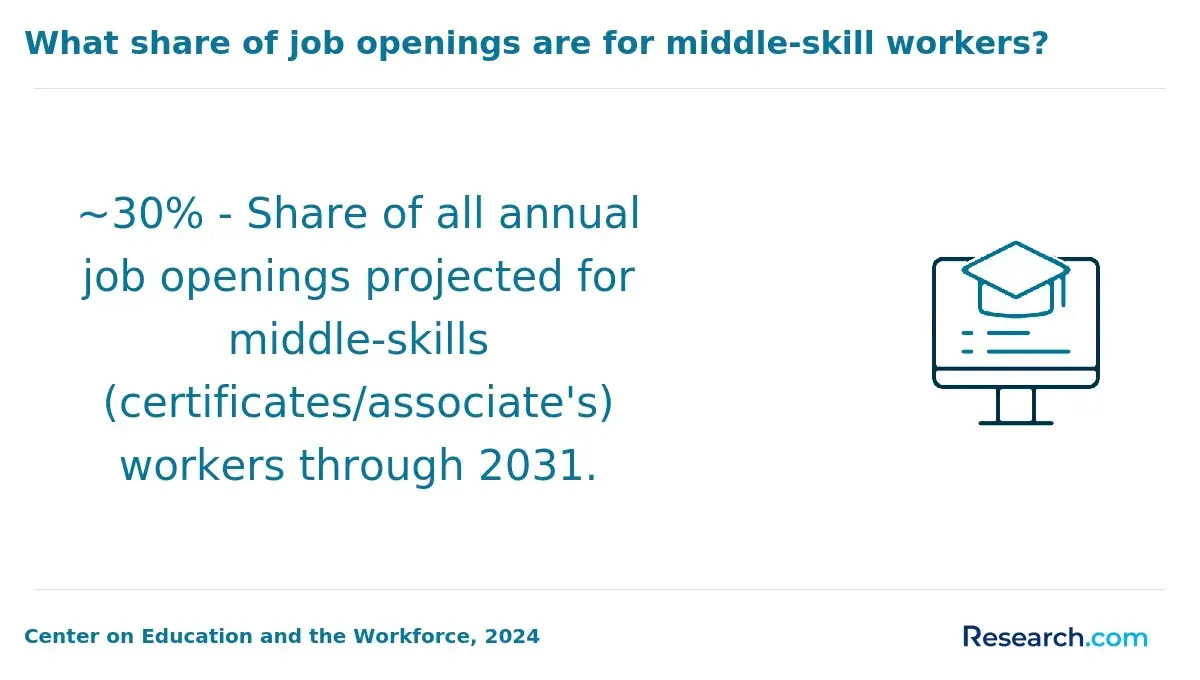
The admission requirements for an online construction management bachelor’s degree with open enrollment are usually straightforward, but students should not assume every school asks for the same documents. Around 55% of U.S. colleges have adopted these flexible standards, allowing a broader range of students to pursue higher education. The most common requirements confirm that the applicant is eligible for undergraduate study and prepared to participate in an online program.
Typical admission materials
- Proof of prior education: Applicants usually need an official high school transcript, GED documentation, or equivalent proof of completion. Transfer students may also need college transcripts from every institution previously attended.
- Online application: The application generally asks for legal name, contact information, educational history, residency details, and intended program. Even when admission is open, incomplete applications can delay enrollment.
- Identity verification: Schools often require a government-issued ID or secure verification process to protect student records and reduce fraud in online programs.
- Placement or readiness review: Some programs use brief assessments to determine whether students need support in writing, math, technology use, or online learning skills. This is not always a barrier to admission, but it may affect first-term course placement.
- Transfer credit evaluation: Students with prior college coursework should request a formal evaluation before enrolling. Transfer policies can significantly affect cost, time to graduation, and course planning.
- Technology requirements: Online construction management courses may require reliable internet access, a current computer, spreadsheet software, project management tools, or access to construction-related digital platforms.
Questions to ask before applying
- Is the institution accredited by a recognized accreditor?
- Does the program require any campus visits, internships, labs, or proctored exams?
- How many transfer credits can be applied to the bachelor’s degree?
- Are construction courses offered every term, or only in a fixed sequence?
- Will the program prepare students for the type of construction management work they want to pursue?
A current student in an online construction management bachelor’s program with open enrollment said the readiness assessment was more useful than expected. “It wasn’t just a formality,” he recalled, “but a really useful way to gauge if I was ready to handle the online format.” He also found the identity verification step detailed but reassuring because it protected his personal information. His experience shows that simplified admission can still include meaningful checks that help students start with clearer expectations.
Which Online Construction Management Bachelor's Degree Programs Have Open Enrollment?
Online construction management bachelor’s programs with open enrollment are usually found at institutions that prioritize adult learners, transfer students, and flexible online completion. These programs may be labeled as construction management, construction project management, construction technology, construction science, or construction administration. According to recent education data, over 40% of college students take at least one distance education class, showing how common online learning has become across undergraduate education.
Because program names vary, students should look beyond the title and review the curriculum, accreditation status, credit requirements, faculty experience, and student support services. A good construction management program should build practical skills in planning, budgeting, safety, contracts, communication, and technology use. Students comparing flexible timelines may also want to review the best 2-year construction management degree online options to understand how accelerated formats differ from standard bachelor’s completion plans.
Common focus areas in open enrollment construction management programs
- Project management: Covers scheduling, coordination, communication, documentation, and resource planning. This area is central for students who want to move into assistant project manager, project coordinator, or construction supervisor roles.
- Cost control: Focuses on estimating, budgeting, bid preparation, change orders, and financial tracking. Students interested in estimating or project controls should compare how deeply each program covers these topics.
- Safety management: Addresses jobsite safety, regulatory expectations, risk reduction, and safety planning. This coursework is important because construction managers must understand how safety affects schedules, liability, and workforce productivity.
- Technology integration: Introduces tools such as building information modeling (BIM), scheduling software, digital documentation, and project collaboration systems. Programs vary widely in how much hands-on software exposure they provide.
- Environmental sustainability: Examines green building practices, efficient materials, environmental standards, and sustainable project planning. This focus may appeal to students interested in modern building practices and long-term facility performance.
How to identify a strong option
- Confirm that the program is offered by an accredited institution.
- Review whether courses are asynchronous, synchronous, or a mix of both.
- Ask how often major courses are offered and whether delayed sequencing could extend graduation time.
- Check whether students receive career advising, internship guidance, portfolio support, or help translating work experience into academic credit.
- Compare total cost, not just tuition per credit.
Students researching flexible graduate-level pathways in other fields may see similar accessibility models in programs such as a masters in social work, but construction management applicants should focus on industry-specific curriculum, transfer policies, and applied project skills.
How Do I Apply to an Online Construction Management Bachelor's Degree With Open Enrollment?
Applying to an online construction management bachelor’s degree with open enrollment is usually simpler than applying to a selective campus-based program, but students still need to be organized. A fast application can slow down if transcripts are missing, financial aid forms are incomplete, or transfer credits have not been reviewed. The goal is not just to get admitted; it is to start in the right courses with a realistic plan to finish.
Step-by-step application process
- Create an online account: Use the school’s application portal to create a profile. This account is usually where you submit forms, upload documents, track requirements, and receive admission updates.
- Complete the application form: Enter your personal information, education history, program choice, and intended start term. Check details carefully because errors can delay transcript matching or financial aid processing.
- Request official transcripts: Send high school, GED, or prior college transcripts as required. Transfer students should ask whether unofficial transcripts can be used for a preliminary credit review before official copies arrive.
- Submit identity documents: Complete any required verification steps. Online programs often use this process to protect student records and confirm eligibility.
- Complete placement or readiness tasks: If required, finish orientation modules, technology checks, writing placement, math placement, or online learning assessments before registration.
- Review transfer credits and degree plan: Ask for a written degree audit showing which credits count, which requirements remain, and how long the program may take.
- Confirm tuition, fees, and aid: Review the full cost of attendance, payment deadlines, employer tuition benefits, military benefits if applicable, and financial aid requirements.
- Register for courses: Work with an advisor to choose first-term classes that fit your schedule, work obligations, and course sequence.
A graduate described the application portal as the most reassuring part of the process. “Once I created my account, everything was right there—forms, what I needed to submit, and updates.” Multiple start dates helped her balance work and study without feeling forced into a traditional semester timeline. Her advice was simple: apply early enough to leave time for transcript review and course planning, even if the program advertises open enrollment.
Can I Start an Online Construction Management Bachelor's Degree at Any Time?
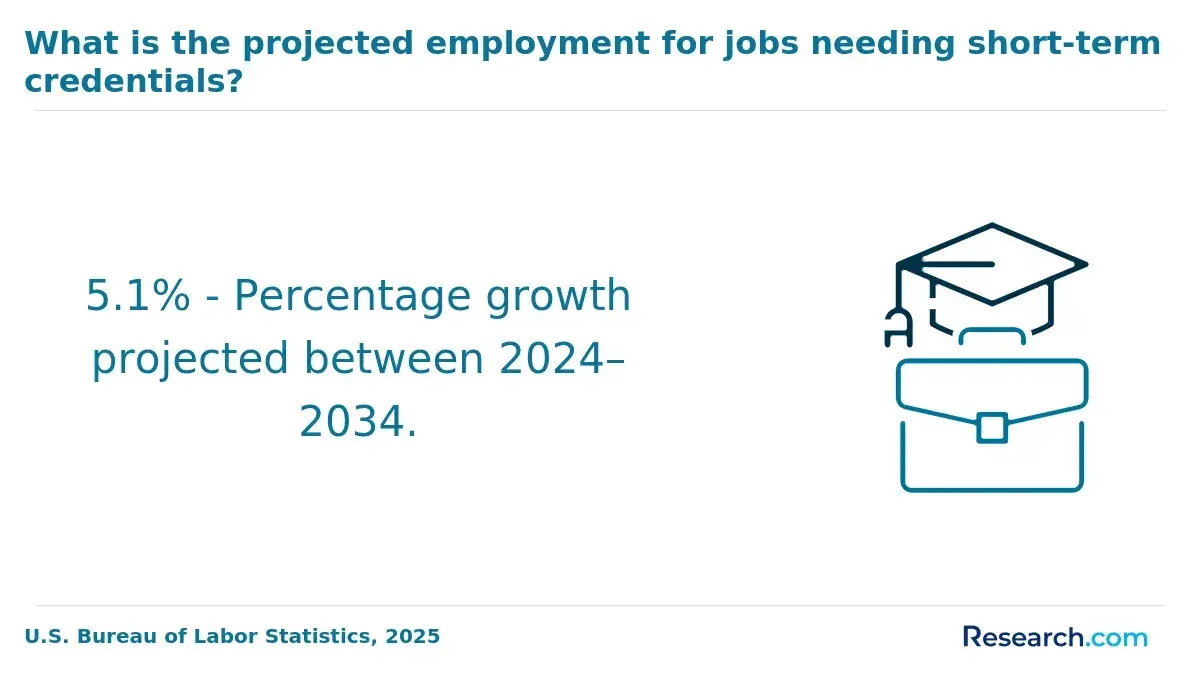
You may be able to apply at many points during the year, but that does not always mean you can begin coursework immediately. Many online construction management bachelor’s degree programs with open enrollment offer flexible start dates, and nearly 60% of online programs have more than two start dates annually. However, actual start timing depends on the school’s calendar, document processing, course availability, and whether you need placement, orientation, or advising before registration.
What affects your start date
- Continuous enrollment: Some programs allow students to enroll throughout the year and begin soon after completing admission and orientation steps. These programs may use self-paced or short-term course formats.
- Multiple start dates: Many schools offer fall, spring, summer, or monthly sessions. This gives students more flexibility than a traditional two-semester calendar but still requires planning around term openings.
- Program structure: Accelerated or self-paced programs may allow quicker entry, while semester-based programs may require students to wait for the next scheduled term.
- Processing time: Application review, transcript receipt, transfer evaluation, financial aid, and advising can all create a gap between applying and starting.
- Course sequencing: Some construction management courses may have prerequisites or limited offerings. Starting quickly is helpful only if the required courses are available in the right order.
How to avoid a delayed start
- Request transcripts before submitting or immediately after submitting the application.
- Ask admissions for the next available start date in writing.
- Confirm whether transfer credits will be reviewed before your first term begins.
- Complete orientation, placement, and technology checks as soon as possible.
- Ask whether first-term courses count toward the major or only general education requirements.
The most flexible program is not always the fastest program. Students should compare start dates with course sequencing, transfer credit acceptance, and the number of courses they can realistically complete while working or managing other responsibilities.
Is It Easier to Get Into an Online Construction Management Bachelor's Degree With Open Enrollment?
Yes, it is usually easier to get into an online construction management bachelor’s degree with open enrollment than a selective program. Open enrollment programs often accept applicants who have a high school diploma or equivalent and complete the required application steps. Nearly 40% of institutions offering fully online undergraduate degrees now use nonselective admissions processes, reflecting a broader move toward access for working adults, transfer students, and learners returning to college.
However, easier admission should not be confused with easier coursework. Construction management programs can require substantial reading, technical assignments, scheduling exercises, estimating work, group communication, and applied problem-solving. Students who enter through open enrollment still need academic discipline and enough weekly time to stay on track.
Why admission may be easier
- Programs may not require standardized test scores.
- Competitive essays or recommendation letters may not be necessary.
- Minimum GPA expectations may be lower or less emphasized.
- Applications may be reviewed for eligibility rather than ranked against other applicants.
- Multiple start dates can reduce pressure around a single deadline.
What can still prevent or delay enrollment
- Missing or unofficial transcripts when official documents are required.
- Unresolved prior college balances that prevent transcript release.
- Incomplete identity verification or residency documentation.
- Technology access that does not meet online course requirements.
- Transfer credits that do not apply as expected to the major.
The best approach is to treat open enrollment as an opportunity, not a shortcut. Before enrolling, confirm that the school is accredited, the curriculum aligns with construction management goals, and student support is strong enough to help you persist through upper-division coursework.
How Much Does an Online Construction Management Bachelor's Degree With Open Enrollment Cost?
The cost of an online construction management bachelor’s degree with open enrollment depends on tuition, fees, transfer credits, pacing, and the type of institution. On average, online bachelor’s degrees at public institutions charge between $200 and $500 per credit hour. Many programs require between 120 and 130 credit hours, so even a modest difference in per-credit tuition can significantly affect the total price.
Students should compare total program cost rather than focusing only on the advertised tuition rate. A lower tuition program can become more expensive if it accepts fewer transfer credits, charges high technology fees, or requires extra terms because major courses are not offered frequently.
Common cost components
- Tuition per credit: Tuition is usually the largest expense. Public, private, and for-profit institutions may charge very different rates, and some schools price online programs separately from campus programs.
- Credit requirements: Many bachelor’s programs require between 120 and 130 credit hours. Students with transferable credits may reduce the number of credits they need to complete.
- Technology fees: Online programs may charge fees for learning platforms, technical support, digital tools, or virtual services.
- Course materials: Students may need textbooks, estimating resources, spreadsheet software, project management tools, or construction-related digital materials.
- Administrative costs: Application, registration, transcript, graduation, exam, or proctoring fees can add to the final cost.
- Time-to-completion costs: Taking fewer courses per term may make school manageable, but it can extend the calendar time needed to graduate and may affect fee totals.
Cost questions to ask before enrolling
- What is the total estimated cost for the full bachelor’s degree?
- How many of my transfer credits will apply to the degree, not just to elective credit?
- Are tuition rates different for in-state, out-of-state, or online students?
- Are books, software, and technology fees included in the published estimate?
- Does the school offer payment plans, employer billing, military benefits processing, or financial aid advising?
Students considering adjacent career paths may also compare affordability in related fields, such as a real estate degree online, while keeping in mind that construction management programs may require different technical coursework and software expenses.
Are There Disadvantages to Open Enrollment Online Construction Management Bachelor's Degrees?
Yes. Open enrollment improves access, but it can also create challenges for students who are not prepared for self-directed online study or college-level technical coursework. The National Center for Education Statistics reports that nearly 40% of students in fully online degree programs fail to complete their studies within six years. That does not mean open enrollment programs are poor choices, but it does mean students should evaluate support services and personal readiness before enrolling.
Potential disadvantages
- Less selective admissions: Open enrollment programs may admit students with very different academic backgrounds. This can create wide variation in student preparedness, especially in writing, math, and technology skills.
- Higher self-management demands: Online construction management coursework often requires independent reading, planning, and assignment tracking. Students who wait for reminders may fall behind quickly.
- Limited peer connection: Flexible formats can reduce consistent interaction with classmates. Students may need to make extra effort to join discussions, study groups, or professional networks.
- Course sequencing issues: Even when admission is flexible, required construction courses may not be available every term. Poor planning can delay graduation.
- Variable advising access: Open enrollment programs may serve large student populations. If advising is limited, students may need to be proactive about degree audits, course planning, and transfer questions.
- Risk of choosing access over fit: A program that is easy to enter is not automatically the right program. Accreditation, curriculum quality, faculty support, and career relevance still matter.
How to reduce the risk
- Ask for a written degree plan before enrolling.
- Verify accreditation and transfer policies.
- Check whether tutoring, writing help, math support, technical support, and career services are available online.
- Review course schedules for the next several terms.
- Be honest about weekly study time before choosing a full-time or accelerated pace.
Students comparing broader access options can research online colleges that accept 2.0 GPA, but they should still judge each construction management program by quality, support, cost, and completion fit rather than admission flexibility alone.
How Do I Manage Time in an Open Enrollment Online Construction Management Bachelor's Degree?
Time management is one of the most important success factors in an open enrollment online construction management bachelor’s degree. A National Center for Education Statistics report reveals that 54% of online college students credit effective time management as crucial to their academic achievement. Flexible programs can help working adults and nontraditional students, but that same flexibility can make it easy to postpone assignments until deadlines become unmanageable.
Practical time management strategies
- Build a weekly study schedule: Set fixed study blocks each week and treat them like work shifts. Construction management courses often include reading, calculations, planning assignments, and discussion posts, so short last-minute sessions may not be enough.
- Use the syllabus as a project plan: Enter every quiz, discussion, paper, exam, and project deadline into a calendar at the start of the term. Review the calendar weekly.
- Prioritize high-value assignments: Identify major projects, estimating tasks, presentations, and exams early. Break them into smaller steps so they do not compete with work or family responsibilities at the last minute.
- Create a distraction-controlled study space: Choose a consistent place to work, silence nonessential notifications, and keep course materials organized.
- Track progress visibly: Use a planner, spreadsheet, or digital task manager to record completed assignments and upcoming deadlines. Visible progress can help maintain momentum.
- Communicate early: If work schedules, family responsibilities, or technical issues interfere with coursework, contact instructors before deadlines whenever possible.
- Protect recovery time: Overloading every evening can lead to burnout. A realistic schedule includes study time, work, family duties, and rest.
A simple weekly planning model
- Sunday: Review the week’s assignments and estimate time required.
- Monday to Thursday: Complete readings, discussions, and smaller tasks.
- Friday or Saturday: Work on major projects, calculations, or writing assignments.
- End of week: Check grades, instructor feedback, and next week’s workload.
Students who succeed in flexible online programs usually do not rely on motivation alone. They create routines, monitor deadlines, and ask for help early. Those habits are especially important in construction management, where the coursework often mirrors the professional need to coordinate schedules, budgets, risks, and people.
What Graduates Say About Online Construction Management Bachelor's Degree Programs With Open Enrollment
- : "Choosing an online construction management bachelor’s degree with open enrollment was a game changer for me because I needed to keep working full time. The flexibility helped me start when I was ready instead of waiting for a traditional deadline. The hard part was staying consistent after long workdays, but the program helped me move toward project management roles in construction. — Alfonso"
- : "Open enrollment let me begin without planning my life around a semester start date. That mattered because my schedule was unpredictable. I did miss the structure of in-person classes at times, but the online modules were clear enough to keep me moving. Finishing the degree gave me more confidence when applying for supervisory opportunities. — Eduardo"
- : "I chose an online open enrollment program because I needed to study around family responsibilities. The freedom was valuable, but it required discipline every week. Learning at my own pace helped me build confidence, and earning the degree strengthened my credibility in construction project oversight. — Thiago"
Other Things You Should Know About Construction Management Degrees
An online construction management bachelor's degree with open enrollment usually includes courses in project management, construction methods, cost estimation, safety regulations, and materials science. Students also study contract administration, construction law, and building codes to develop the technical and managerial skills needed for the industry.
Yes, many online construction management programs with open enrollment encourage or require internships and practical experience. Students often arrange internships locally or participate in virtual simulations to gain hands-on skills that complement their academic learning.
Graduates of an online construction management bachelor's degree with open enrollment in 2027 can pursue careers as construction managers, project managers, site engineers, cost estimators, and construction supervisors. These roles are critical in overseeing construction projects, managing budgets, and ensuring projects are completed on time and within scope.
References
- Best Online Construction Management Degrees https://www.affordablecollegesonline.org/degrees/construction-management-programs/
- Become a Better Construction Manager with These Time Management Tips | Builders Academy https://www.buildersacademy.edu.au/blog/become-a-better-construction-manager-with-these-time-management-tips
- Is a degree in construction management worth it? | edX https://www.edx.org/resources/is-a-degree-in-construction-management-worth-it
- Bachelor of Science in Construction Management and Engineering | Limerick | University of Limerick https://unienrol.com/study-ireland/university-of-limerick/34027-bachelor-of-science-in-construction-management-and-engineering
- Construction Management Admission requirements in detail https://www.srh-university.de/en/bachelor/construction-management/construction-management-admission-requirements-in-detail/
- 42 Best Bachelors Degrees Construction Management (General) On-campus courses In the USA 2026 https://www.hotcoursesabroad.com/study/training-degrees/us-usa/full-time/bachelor-degree/construction-management-general-courses/loc/211/smode/1/slevel/12-2-3/cgory/tf.1-4/sin/ct/programs.html
- BSc (Hons) Construction Management https://www.ube.ac.uk/undergraduate/construction-management/
- Are online construction management bachelor's degrees worth it? https://m.umu.com/ask/q11122301573854640760
- Bachelor of science in construction management https://engineering.wayne.edu/engineering-technology/academics/bachelor-construction-management
- Mastering the Art of Time Management in Construction: Tools and Tips for the Modern Manager https://reviewnprep.com/blog/mastering-the-art-of-time-management-in-construction-tools-and-tips-for-the-modern-manager/