2027 Online BA in Psychology - Mental Health for Youth Drop-In Center Programming: Which Courses Should You Look For?
Audited and Verified:
Our Editorial and Data Verification Process
Research.com uses government datasets, official education statistics and primary institutional information to support its career and degree guides. Our review process checks factual accuracy, occupational definitions, source dates and the requirements associated with the credentials discussed.
How This Article Was Fact-Checked
Our editorial team verifies salary estimates, employment projections, education requirements and program information against original data providers and official organizations. Salary figures are checked against the relevant occupational definitions and reporting periods. Information about licensure, accreditation and required in-person training is reviewed separately.
Fact-checked and verified on:

Co-Founder and Chief Data Scientist
Choosing an online psychology BA for youth drop-in center work means looking beyond a "mental health" label. Staff may plan welcoming activities, build trust, connect young people with services, and recognize when a concern needs a qualified professional - not provide therapy. For students and community-service workers, the useful question is whether a program teaches adolescent development, ethical support, and program evaluation while making supervised local experience feasible. This guide identifies the courses to prioritize, the limits of undergraduate training, and the questions to ask before enrolling.
Key Things You Should Know
- Prioritize developmental psychology, adolescent mental health, community or prevention psychology, research methods, and ethics; their combination is more useful for drop-in programming than a mental-health label alone.
- Look for an approved, supervised opportunity to practice nonclinical outreach, activity planning, referral, or evaluation. An online class does not automatically provide access to a youth-serving site.
- A psychology BA does not authorize diagnosis or therapy. Compare the degree with the actual job description and any required background checks, training, or credentials before committing to a program that commonly requires about 120 semester credits in total.
What Is an Online Psychology Bachelor's Degree for Youth Mental Health Programs?
An online BA in psychology is an undergraduate degree covering psychological science, research, and general education. A school may offer youth- or mental-health-related electives or a formal concentration, but neither is inherent to the BA. Youth drop-in center programming typically means accessible, voluntary activities and practical support shaped around young people's needs, such as social connection, skill-building, outreach, and connections to appropriate services. The center's population, funding, and safeguarding rules determine what staff may actually do.
The BA can be a good fit if you want to understand adolescent behavior and help design or evaluate nonclinical services. It may be less direct than a human services or social work route if your target employer explicitly requires that degree or a particular field placement. Compare the actual curriculum, not just program titles, when reviewing psychology major options at online colleges.
Which Psychology Courses Prepare You for Youth Drop-In Center Programming?
The strongest course combination connects what young people experience with what staff can responsibly do about it. Catalog titles differ, so read descriptions and prerequisites rather than assuming every "child psychology" or "mental health" course covers the same material.
The table shows the academic contribution of each course area and the boundary to keep in mind when applying it at a center.
| Course area | Relevant learning | Important limit |
| Developmental psychology, especially adolescence | Development, identity, family and peer relationships, and age-appropriate engagement | Developmental patterns do not establish what an individual young person needs. |
| Social, cultural, or community psychology | Belonging, stigma, community context, participation, and barriers to access | Coursework cannot substitute for listening to the center's young people and community partners. |
| Psychopathology or adolescent mental health | Vocabulary for understanding concerns and the reasons referrals may matter | Studying disorders does not qualify a student to screen independently, diagnose, or treat. |
| Research methods and statistics | Reading evidence, distinguishing association from causation, and assessing whether activities reach their intended audience | Attendance or satisfaction data alone cannot demonstrate clinical benefit. |
| Ethics, trauma-informed approaches, or helping skills | Respectful communication, boundaries, confidentiality, accessibility, and escalation procedures | Safeguarding and mandated-reporting duties must follow site policy and applicable law. |
A sensible sequence is introductory psychology and statistics first, development and research methods next, then relevant electives and an approved applied project or internship. If the center serves young people affected by substance use, an addictions elective may add useful context; bachelor's study in addiction psychology online is still education about the field, not a counseling credential.
Ask whether a capstone can address an authorized, modest question - for example, whether program materials are accessible to the intended age group. Any use of participant information requires site permission and appropriate privacy and review procedures.
What Accreditation Should You Look for in an Online Psychology Program?
Check that the institution holds accreditation recognized by the U.S. Department of Education. Confirm its current status with the accreditor and school, and ask how it applies to the online degree. Institutional accreditation matters for academic credibility and may affect federal aid and later transfer or graduate applications; it does not certify the quality of a particular youth-programming elective.
Do not reject a psychology BA because it lacks American Psychological Association accreditation: APA accreditation does not generally cover undergraduate psychology majors. Professional counseling programs have different recognition and licensure questions, illustrated by comparing condensed accredited counseling study routes. If therapy is your long-term goal, verify the requirements of the specific graduate program and state board rather than treating BA accreditation as a clinical credential.
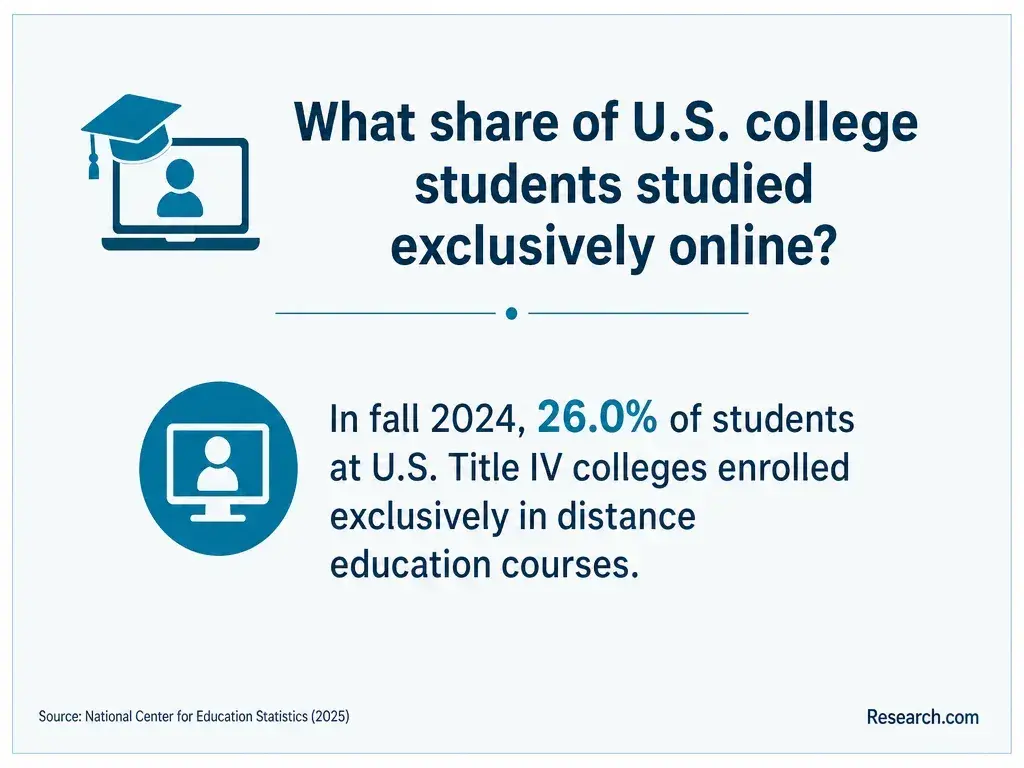
Online study can let a student complete lectures from home while seeking experience at a nearby youth organization. Campus study may make scheduled faculty contact and established local partnerships easier to access. Neither format guarantees a placement, a mentor, or stronger preparation; the decisive question is what the particular program arranges and permits.
Ask separately about asynchronous classes, required live meetings, group work, exams, campus visits, and placement hours. A center operating chiefly after school may offer experience that fits some schedules but conflicts with employment or caregiving. Before relying on advertised flexibility or online psychology completion programs and pacing, obtain a sample term schedule and ask whether required courses and field experiences are available when you can attend.
Requirements depend on whether you are entering college for the first time or transferring. Schools commonly request prior transcripts and may have separate criteria for admission to the university and declaration of the psychology major. Some also set prerequisites before upper-level research or internship courses. Verify the requirements for your intended entry term with admissions and the psychology department.
If you have previous college work, request a written degree audit showing not only accepted credits but which general education, major, statistics, research-methods, and residency requirements they satisfy. A transfer-friendly admission offer does not establish remaining coursework after transferring into psychology. This distinction can change both your graduation date and your opportunity to fit in a youth-serving elective or placement.
A bachelor's degree commonly totals about 120 semester credits, but the credits you still need - and how often required courses run - matter more than the catalog total. A prerequisite sequence, part-time enrollment, or a placement available only in certain terms can extend completion. An accelerated calendar may shorten the schedule without reducing the work required.
For a useful cost comparison, obtain each school's written estimate of remaining tuition and mandatory fees after its credit evaluation. Add books, technology, travel or screening costs for any site experience, and the effect of unpaid hours on your household budget. Compare low-cost online psychology degrees using the cost to finish your own approved degree plan, not an advertised per-credit rate alone. Ask the financial-aid office how your enrollment pace affects aid eligibility.
A BA may support applications for nonclinical roles such as youth program assistant, outreach worker, intake or referral coordinator, case-support worker, or program-evaluation assistant. Responsibilities may include facilitating activities, explaining available resources, recording permitted service data, and referring concerns under a supervisor's procedures. Employers may prefer relevant experience, a different major, language skills, or specific safeguarding training; the degree alone establishes none of those qualifications.
For a first role, pair coursework with documented experience in youth engagement, accessible activity design, accurate documentation, and knowing when to seek supervisory help. If your target organization emphasizes substance-use recovery, compare its job requirements with the skills and education for recovery services work; some positions have state-specific credential rules. A supervised volunteer or paid support role may be a faster route to testing your career fit than beginning an entire second bachelor's degree.
There is no single salary or employment forecast for "psychology BA graduates in youth drop-in centers." Pay depends on the occupation, employer, location, experience, and funding. The U.S. Bureau of Labor Statistics' Occupational Outlook Handbook category "social and human service assistants" can provide a broad comparison for some support jobs, but it also covers settings and workers unlike a youth drop-in center. Its occupational median should not be read as an offer a new BA graduate will receive.
For a practical outlook, compare current local postings by duties, minimum qualifications, hours, and benefits, then ask prospective employers about advancement. If your intended next role requires graduate study, include that additional cost in your return-on-investment calculation; affordable distance learning in graduate psychology should be evaluated against the requirements of the actual job, not assumed to produce a pay increase or clinical eligibility.
No. A psychology BA, including one with youth mental health electives, does not by itself qualify you to diagnose conditions, provide psychotherapy, independently perform psychological assessment, or practice as a licensed psychologist or counselor. Staff can still make a valuable contribution through nonclinical programming, respectful support, and referrals within their assigned role.
If your goal is therapy rather than program coordination, investigate a qualifying professional pathway, such as an appropriate counseling or social work degree, and confirm the applicable state board's education, supervised-practice, and examination rules. When comparing the time and expense of that change, short-duration counseling master's return on investment is only meaningful if the particular program meets your jurisdiction's requirements and you can complete its fieldwork.
How Can You Choose a Reputable Online Psychology Program?
Start with the job or programming responsibility you want, then test whether each school can support the coursework and experience behind it. A polished concentration description is less useful than a current catalog, a feasible course sequence, and clear answers about supervised work with youth.
Ask admissions, the department, and a prospective site the following questions; each has authority over a different part of the plan.
- Which adolescent-development, community-psychology, ethics, and methods courses will actually be offered during my expected enrollment?
- Can a local youth drop-in center qualify for an internship or capstone, who approves it, and what supervision and on-site hours are required?
- What checks, training, confidentiality rules, and safeguarding procedures must I complete before working with minors?
- What is my written remaining-credit plan and estimated total cost, including placement-related expenses?
Ask the financial-aid office about your own eligibility rather than assuming a mental-health-related major brings special funding; guidance on financial aid for substance abuse counseling bachelor's degrees may help frame questions, but awards and program eligibility vary. Choose the BA when it fills identifiable knowledge gaps and offers attainable applied experience. If you already have a suitable degree and need only safeguarding training, a methods course, or supervised youth-service experience, those targeted steps may serve your goal better.
Other Things You Should Know About Psychology
Possibly. Check the specific position's qualifications and the center's requirements for working with minors. Being enrolled in psychology does not waive hiring checks or site training.
Only with the site's permission. Use an approved, appropriately redacted description of your work; do not publish identifiable participant details, private records, or testimonials without the required authorization.
Rules depend on the service, participant age, state law, and center policy. Ask the organization how it handles consent, confidentiality, and referrals rather than applying a single rule to every activity.
It can, if it matches the community served and you can use it competently. Ask local organizations which language and communication needs matter most; language skills do not replace qualified interpretation where it is required.
- Child Abuse Identification & Reporting Guidelines | ca.gov https://www.cde.ca.gov/ls/ss/ap/childabusereportingguide.asp
- OMH Funded Training for Providers | ny.gov https://omh.ny.gov/omhweb/planning/training-for-providers/
- Learn about student intern program | Behavioral Health Services https://bhsd.santaclaracounty.gov/behavioral-health/learn-about-student-intern-program
- Evidence-Based Strategies to Prevent Youth Substance Use | cdc.gov https://www.cdc.gov/overdose-prevention/php/interventions/youth-substance-use-prevention.html
- Evidence-Based Practices Resource Center | samhsa.gov https://www.samhsa.gov/libraries/evidence-based-practices-resource-center
- Frequently Asked Questions - California Board of Psychology https://www.psychology.ca.gov/licensees/faq.shtml
- Behavioral Health Training Programs | NYC Health https://www.nyc.gov/site/doh/health/health-topics/behavioral-health-training-programs.page
- Mandated Reporter Training | Department of Human Services https://www.pa.gov/agencies/dhs/resources/keep-kids-safe/mandated-reporter-training
- Program: Child and Adolescent Development, B.A. | csusm.edu https://catalog.csusm.edu/preview_program.php
- Online BA in Psychology Child & Adolescent Psychology | Touro University Worldwide https://www.tuw.edu/academics/psychology/online-ba-psychology-child-adolescent/