2027 Online BA in Psychology - Addictions for Customer Service Supervisors: Compare Transferable Skills and Degree Requirements
Audited and Verified:
Our Editorial and Data Verification Process
Research.com uses government datasets, official education statistics and primary institutional information to support its career and degree guides. Our review process checks factual accuracy, occupational definitions, source dates and the requirements associated with the credentials discussed.
How This Article Was Fact-Checked
Our editorial team verifies salary estimates, employment projections, education requirements and program information against original data providers and official organizations. Salary figures are checked against the relevant occupational definitions and reporting periods. Information about licensure, accreditation and required in-person training is reviewed separately.
Fact-checked and verified on:

Co-Founder and Chief Data Scientist
Customer service supervisors already manage difficult conversations, coach staff, and coordinate help - but addiction-related work requires knowledge and boundaries that workplace experience alone may not provide. An online psychology BA with an addictions focus could support a move into recovery services or program operations, though it is not a counseling license. This guide compares what your experience contributes, what the degree adds, and where a different credential may be more direct. It also shows how to check transfer credits, scheduling, costs, and job requirements before committing.
Key Things You Should Know
- Supervision skills can transfer to intake, outreach, and program coordination, but clinical assessment and treatment require separate qualifications.
- Compare the actual degree audit - not credits accepted in isolation - and check whether online courses include live meetings or approved fieldwork.
- A psychology BA with addictions coursework is academic preparation, not automatic eligibility for addiction-counselor certification or licensure.
What is an online psychology degree in addictions for customer service supervisors?
It is usually a psychology bachelor's degree with an addictions concentration, track, or group of electives, delivered primarily online. The BA provides a foundation in behavior and psychological research; addictions coursework examines substance use, prevention, recovery, and service systems. Check the awarded degree and transcript: taking an addictions elective does not necessarily earn a formally designated concentration.
For a supervisor, the degree is most useful when the intended move is from managing service interactions to coordinating or supporting behavioral-health services. It is less direct if the goal is simply to advance in customer service management, where employer training or additional operational experience may offer better value. When comparing psychology degree schools and online formats, look beyond the program label to the required courses, opportunities for supervised experience, and support for employed students.
How can customer service supervisors apply transferable skills to addiction-focused psychology careers?
A supervisor may already know how to de-escalate a tense interaction, document concerns, train colleagues, protect sensitive information, and connect someone with an appropriate resource. Those skills can support nonclinical intake, outreach, recovery-program administration, and team coordination. The important change is context: a service complaint is not a clinical presentation, and a referral is not a diagnosis.
The comparison below separates useful experience from the preparation an addiction-service employer may still expect.
| Supervisory experience | Possible application | Preparation or boundary to address |
| Coaching and quality reviews | Training staff on respectful communication and service procedures | Learn trauma-informed practices and the organization's safeguarding rules |
| Escalation and referral | Routing requests to qualified staff or community resources | Follow approved protocols; do not assess substance use disorders |
| Scheduling and performance reporting | Coordinating appointments, outreach, or program operations | Learn service-specific privacy, recordkeeping, and data-access rules |
Translate your résumé into evidence: describe the procedures you improved, teams you coached, and referrals you managed without presenting customer service work as clinical experience. Choose the concentration that matches your destination; faster online forensic psychology degree completion, for example, is a different comparison from preparation for addiction-service work.
What are the requirements for an accredited online psychology addictions degree?
Start by confirming that the institution holds recognized institutional accreditation. Then obtain the current catalog for your entry term and check general education, psychology-major, addictions-focus, upper-level, residency, and graduation requirements. Ask whether statistics, research methods, or a capstone must be taken in sequence and whether internships are required or optional.
Institutional accreditation is not proof that a particular BA meets a state addiction-counselor credential standard. Nor should a school imply that APA accreditation covers a general online psychology BA. If you are comparing concentrations, apply the same accreditation and degree-audit checks to each; a guide to tuition and eligibility for forensic psychology programs addresses a different specialization, not addiction-counselor eligibility.
A typical curriculum combines introductory psychology with statistics, research methods, and study of development, social behavior, and psychological disorders. An addictions focus may add courses on substance use, health behavior, prevention, treatment systems, or recovery. Exact titles and required credits differ by school; an elective described as "counseling" remains coursework, not permission to counsel clients.
For a supervisor, research methods and statistics can be particularly useful when reviewing program reports or judging whether an intervention claim is supported by evidence. Addictions courses can build vocabulary for working with qualified practitioners, while an approved nonclinical project may help demonstrate service-coordination skills. If later graduate study is the goal, compare prerequisites in the intended graduate program rather than assuming the BA concentration covers them. Under-two-year forensic psychology graduate program options illustrate why a program's specialty and speed must be assessed separately from its relevance to addictions work.
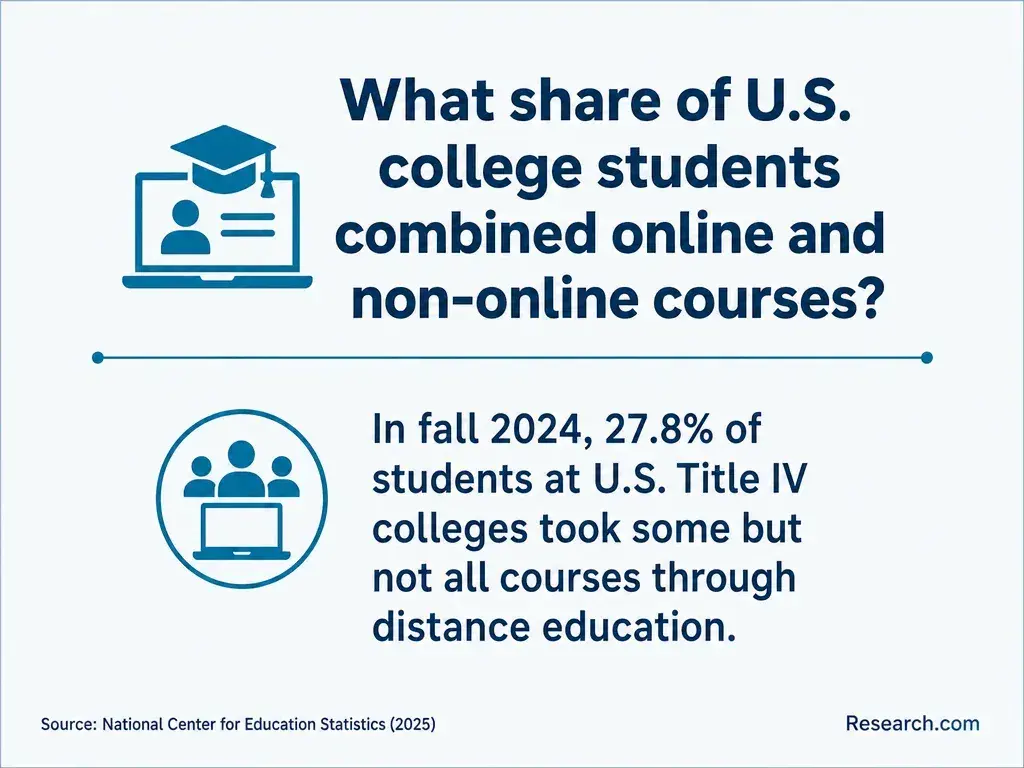
Online study may let a working supervisor remain employed, but delivery mode does not determine flexibility. A course can have weekly deadlines, live discussions, group meetings, proctored exams, or an in-person placement. Campus study may simplify access to faculty, peers, and local organizations, although commuting and fixed class times can make it harder to sustain a full-time job.
Compare the schedules you would actually have to keep, not just the words "online" and "campus-based." Ask both programs how students obtain research experience or approved nonclinical fieldwork, who arranges a site, and whether a current workplace could qualify. Intensive online psychology program formats may shorten the calendar while increasing weekly demands; that trade-off matters when you also supervise a team.
First-year and transfer applicants may face different application requirements. Schools commonly request prior transcripts and evidence of secondary or postsecondary education, but the institution sets its own admission, GPA, deadline, and documentation policies. Admission to the university, entry into the psychology major, and completion of the addictions concentration can be separate decisions.
If you have previous college coursework, request an official evaluation showing where each accepted course applies: general education, psychology prerequisites, electives, or residency requirements. Pay particular attention to statistics and research-methods equivalencies. The psychology transfer credit acceptance guide can help frame your questions, but only the receiving institution can determine your applicable credits and remaining requirements.
The answer depends on the approved transfer evaluation, remaining course sequence, enrollment pace, and whether required courses are offered when you need them. A school may accept prior credits without applying all of them to the major. Before estimating a finish date, ask for a term-by-term plan that accounts for prerequisites, upper-level courses, and any residency or fieldwork requirement.
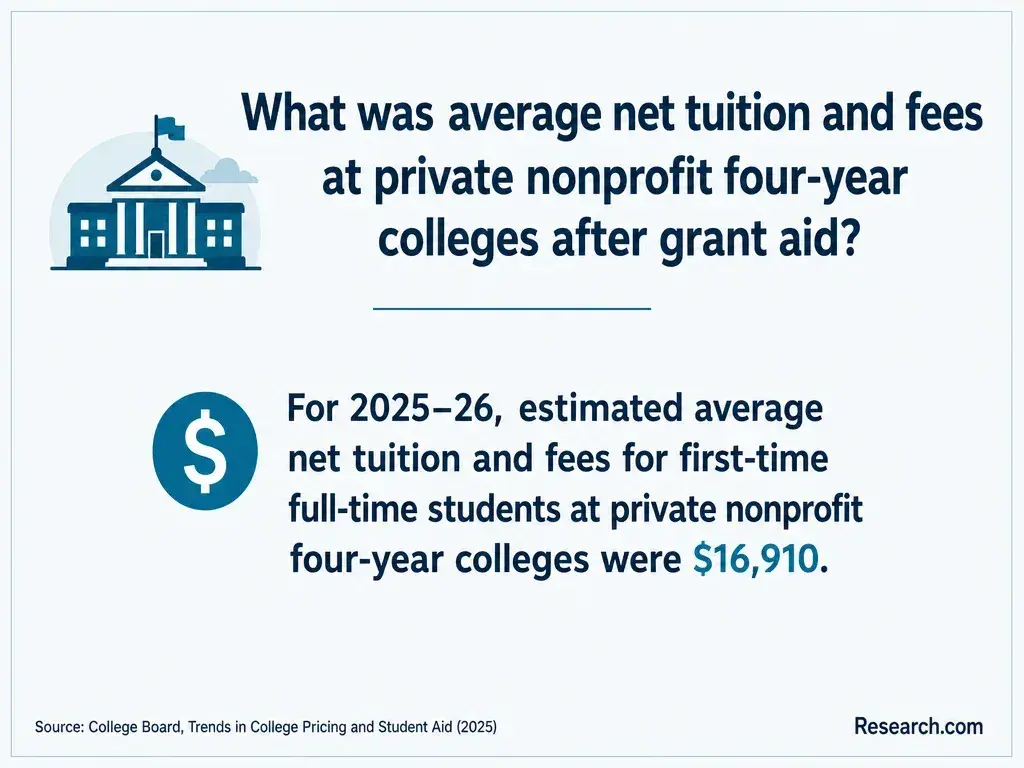
For cost, compare the remaining credits multiplied by the applicable tuition rate, then add mandatory fees, materials, technology, and any travel or unpaid placement expense. Ask about employer tuition assistance and aid eligibility without assuming either is available. Cost-focused comparisons of psychology degrees can narrow a school list, but your evaluated degree plan - not an advertised per-credit price alone - determines the more useful cost comparison.
Potential nonclinical targets include behavioral-health intake coordinator, community outreach worker, recovery-program assistant, and program operations coordinator. Duties may include scheduling, resource referrals, service documentation, outreach, and coordinating with credentialed staff. Employers may also require relevant experience, specific training, background checks, or a state-recognized credential; a BA alone does not establish eligibility.
Your strongest initial transition may be into operations at a recovery organization, where supervisory experience has immediate value, followed by a move toward client-facing support if the organization provides appropriate training and supervision. If your actual goal is substance-use-disorder counseling, compare the BA with the state's required education and supervised-experience route before enrolling. Substance abuse counseling undergraduate education investment is relevant to that separate cost-and-credential decision.
There is no single reliable salary for "psychology addictions graduates." Compare pay for the specific job and location you would leave with pay for the specific role you seek. A customer service supervisor's compensation may reflect management responsibility and tenure; an entry-level outreach or intake position may pay less even when the degree is relevant.
For a grounded comparison, use current US Bureau of Labor Statistics data for the closest accurately defined occupation, then review local postings for the duties, credentials, and experience you would actually bring. Occupational medians cover workers with varied education and seniority; they are not starting offers or degree outcomes. Avoid importing figures from another specialty, such as career earnings research for forensic psychology master's students, into an addictions BA decision. Include lost earnings and tuition in any personal return-on-investment calculation.
Does a psychology addictions bachelor's degree qualify you for counseling certification or licensure?
Not automatically. States and credentialing bodies set their own rules for addiction-counselor titles and duties, which may involve specified coursework, supervised experience, examinations, and additional education. A psychology BA - even one formally concentrated in addictions - does not by itself authorize independent diagnosis, psychotherapy, or protected professional titles.
Before choosing a program, identify the exact credential and state where you intend to work. Compare the regulator's educational requirements with the school's published curriculum, and seek written clarification about any claimed eligibility. If you want to become a licensed mental health counselor rather than work in nonclinical support, examine qualifying graduate training and its full cost; mental health counseling graduate costs and career outcomes concern that distinct pathway.
Other Things You Should Know About Psychology
Compare the actual curriculum rather than the degree letters. A BS may require more science or quantitative coursework, but schools define both degrees differently. Choose the requirements that best support your target role or next degree.
Possibly, if the school approves the project and your employer authorizes the work and any data use. Routine service records are not automatically available for student research or a portfolio.
It can be for some recovery-support goals. Check your state's peer-support credential rules and local job postings; peer support has a different scope from counseling and may be a more direct route to the work you want.
Ask which roles your current experience qualifies you for, which require a credential, and whether the employer offers tuition assistance or supervised nonclinical opportunities. Compare those answers with the degree plan before committing.
- Behavioral Health Career Descriptions | samhsa.gov https://www.samhsa.gov/about/careers/behavioral-health-workforce/careers-by-state/descriptions
- Cost of Attendance (Budget) | 2025-2026 Federal Student Aid Handbook https://fsapartners.ed.gov/knowledge-center/fsa-handbook/2025-2026/vol3/ch2-cost-attendance-budget
- A Guide to Professions in Addiction Studies and Recovery | University of the Cumberlands https://www.ucumberlands.edu/blog/guide-to-professions-in-addiction-studies-and-recovery
- Cost of Attendance | Cal State LA https://www.calstatela.edu/financialaid/cost-attendance
- Public and Behavioral Health | Houston City College https://www.hccs.edu/programs--courses/explore-all-programs/public-and-behavioral-health/
- Online Bachelor's Degree in Psychology in Addictions | Purdue Global https://www.purdueglobal.edu/degree-programs/psychology/bachelor-psychology-addictions/
- Transferable Skills: Examples for Psychology Graduates | East Carolina University https://onlineprograms.ecu.edu/blog/transferable-skills-examples/
- Supervised Field Experience | College of Education | SDSU https://education.sdsu.edu/graduate/school-psychology-eds/supervised-field-experience