2027 Online BA in Psychology - Addictions for Financial Aid Assistants: Choosing a Program Without Leaving Your Job
Audited and Verified:
Our Editorial and Data Verification Process
Research.com uses government datasets, official education statistics and primary institutional information to support its career and degree guides. Our review process checks factual accuracy, occupational definitions, source dates and the requirements associated with the credentials discussed.
How This Article Was Fact-Checked
Our editorial team verifies salary estimates, employment projections, education requirements and program information against original data providers and official organizations. Salary figures are checked against the relevant occupational definitions and reporting periods. Information about licensure, accreditation and required in-person training is reviewed separately.
Fact-checked and verified on:

Co-Founder and Chief Data Scientist
As a financial aid assistant, you already explain complex rules, protect sensitive information, and help people navigate stressful decisions. An online BA in psychology with an addictions focus could build on those skills - but only if its schedule fits your job and its outcomes match the work you want to do. This guide shows how to compare program formats, remaining credits, costs, and career pathways. It also explains when targeted training or a different credential may serve you better than a second or unfinished bachelor's degree.
Key Things You Should Know
- Choose by your target role: an addictions-focused BA can support nonclinical service work, but it does not itself qualify you to provide therapy or hold a regulated counseling credential.
- "Online" does not mean schedule-free. Confirm live meetings, course rotation, group work, and any placement hours before committing around a full-time aid-office job.
- Compare the cost of credits still required, not advertised tuition alone; an approved transfer evaluation, enrollment pace, and aid eligibility can change the total substantially.
What Is an Online BA in Psychology With an Addictions Focus?
An online BA in psychology with an addictions focus is an undergraduate psychology degree that adds study of substance use, prevention, recovery, or behavioral health. The focus might be a formally named concentration, a minor, or simply a set of electives. Ask what will appear on your transcript and whether the addictions courses are required or merely available.
For a financial aid assistant, the strongest fit is a goal that combines people-facing support with a better understanding of behavior and service systems - for example, student basic-needs referrals or community recovery-program coordination. Your experience explaining eligibility and documenting decisions is useful, but financial aid work is not clinical training. Compare the actual major requirements across online psychology study and degree choices rather than assuming every program with an addictions label teaches the same skills.
Is an Online Addictions Psychology Degree Accredited?
Start by checking the institution's recognized accreditation status and confirming that it applies to the school awarding the BA. Then check whether the psychology major and addictions focus are offered online to students in your state. Institutional accreditation matters for evaluating academic standing and aid eligibility; it does not establish that a particular concentration meets addiction-counselor credential rules.
Do not look for APA accreditation as a blanket test of undergraduate psychology quality: APA's professional accreditation does not cover general psychology bachelor's programs. If you are comparing other specialties, the same scope question applies when reviewing comparing costs across forensic psychology degree routes. Ask each school to identify the accreditor, the exact credential awarded, and any state-specific professional eligibility it claims; independently confirm a regulated pathway with the relevant state authority.
What Careers Can an Addictions Psychology Bachelor's Degree Support?
An addictions-focused BA can strengthen applications for nonclinical jobs in recovery organizations, community agencies, colleges, or health-service programs. Plausible duties include outreach, intake administration, resource navigation, program support, and coordinating referrals under an employer's procedures. Hiring requirements vary, and your financial aid experience may be particularly relevant to roles that combine eligibility screening, confidential records, and compassionate communication.
Look at actual postings before choosing courses. A student-support position may value your current experience and a completed bachelor's more than a concentration title; a recovery-services employer may instead prioritize direct service experience or a recognized peer credential. For examples of distinct roles, see professional pathways in recovery organizations. Neither the degree nor prior administrative experience grants authority to diagnose substance use disorders or provide treatment.
Possibly - but not on the strength of the BA alone. Addiction-counselor titles, permitted duties, education, supervised experience, examinations, and certification or licensing rules differ by state and credential level. Some pathways permit bachelor's-level preparation; others require a particular graduate degree or additional approved coursework. Before enrolling, obtain your state credential authority's requirements and ask the program to map its specific courses and fieldwork against them in writing.
If your goal is independent therapy rather than recovery support, compare qualifying professional programs instead of assuming an addictions concentration is a shortcut. A counseling master's has different coursework, accreditation considerations, and supervised practice obligations; clinical mental health counseling course pace and accreditation provides a starting point for that separate decision. A faster advertised course schedule does not remove licensing requirements.
Expect a psychology foundation - typically research methods, statistics, development, and biological or social aspects of behavior - alongside any addictions-focused subjects. Relevant offerings may examine substance use, co-occurring conditions, prevention, recovery systems, ethics, and cultural context. Course names alone cannot tell you whether a class satisfies a future credential requirement.
For your work, research and statistics can be especially valuable: they help you assess whether a student-support initiative is reaching people, without treating administrative records as clinical evidence. Request a degree plan showing prerequisites, when each required course runs, and whether a capstone or field experience is compulsory. If graduate counseling is the eventual goal, compare its distinct curriculum and time commitment through fast-track mental health counseling master's planning; undergraduate exposure to counseling topics is not a substitute for professional training.
The practical scheduling test is whether required activities fit your busiest aid-office periods - not whether lectures are recorded. An asynchronous class may still have fixed weekly deadlines, group meetings, or proctored exams. A field experience may require daytime hours at an approved site, even when every academic course is online.
Ask an adviser for a term-by-term plan at the course load you can sustain. Confirm live-session times, summer availability, placement rules, leave options, and what happens if a required course fills. Accelerated terms may shorten the calendar while increasing weekly intensity. Accelerated bachelor's program choices in forensic psychology illustrate a different specialization and should be used as a pacing comparison, not as evidence that an addictions-focused BA has the same schedule.
Requirements depend on whether you are applying as a first-time student, transfer student, or returning student. Schools commonly request prior academic records; some have separate rules for entering the psychology major. If you have earlier college coursework, ask for an official evaluation showing not just accepted credits but which general education, psychology, statistics, and residence requirements they satisfy.
Already have a bachelor's? Check whether your intended job requires another degree at all. Targeted coursework, supervised experience, or a qualifying graduate program could be more direct. Compare the occupation first: a forensic psychology master's employment and pay guide, for example, concerns a different specialization and cannot establish the value of an addictions BA. For admission, submit transcripts early and get remaining requirements documented before paying a deposit.
Completion time depends primarily on the credits your school applies to the degree, your sustainable course load, and the rotation of required classes. An advertised accelerated timeline may assume substantial transferable coursework or enrollment during terms you cannot manage while working. Ask for a personalized degree audit and a projected schedule that includes prerequisites and any placement - not just the earliest possible graduation date.
Also test what happens if you take a lighter term during peak financial aid processing. Missing a course offered infrequently can matter more than the length of an individual term. When comparing advertised duration with expense, substance abuse counseling bachelor's fees and career prospects covers a related but potentially different degree route; confirm which credits and credential your chosen school actually awards.
Build your estimate from the school's written charge schedule and your approved remaining credits. Include mandatory fees, books or software, possible travel or unpaid placement time, and extra terms if work forces a slower pace. Compare that total with the earnings and opportunities you would reasonably expect in your target role - not a program's broad career claims.
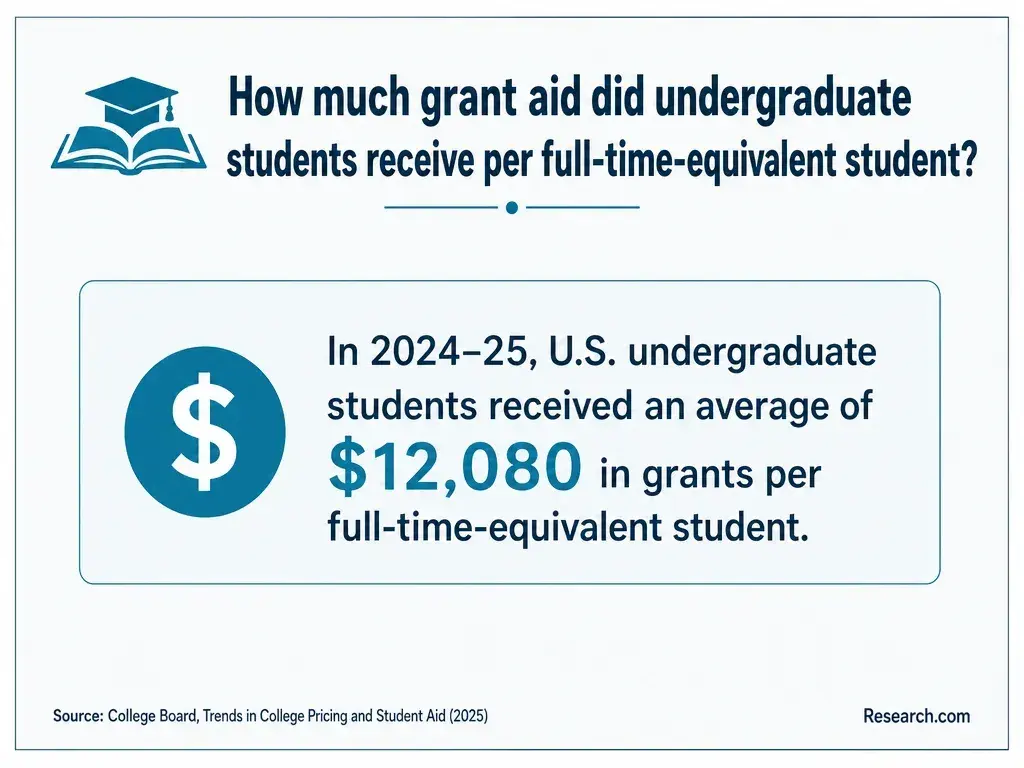
As a financial aid assistant, you know that eligibility is individual rather than guaranteed. Ask the school how your planned enrollment intensity affects federal aid, satisfactory academic progress, and payment timing; check whether employer education assistance has service or grade conditions. Financial aid for substance abuse counseling bachelor's degrees can help frame questions about FAFSA, grants, and scholarships, but the school must determine your actual award and program eligibility.
What Salary and Job Outlook Can Addictions Psychology Graduates Expect?
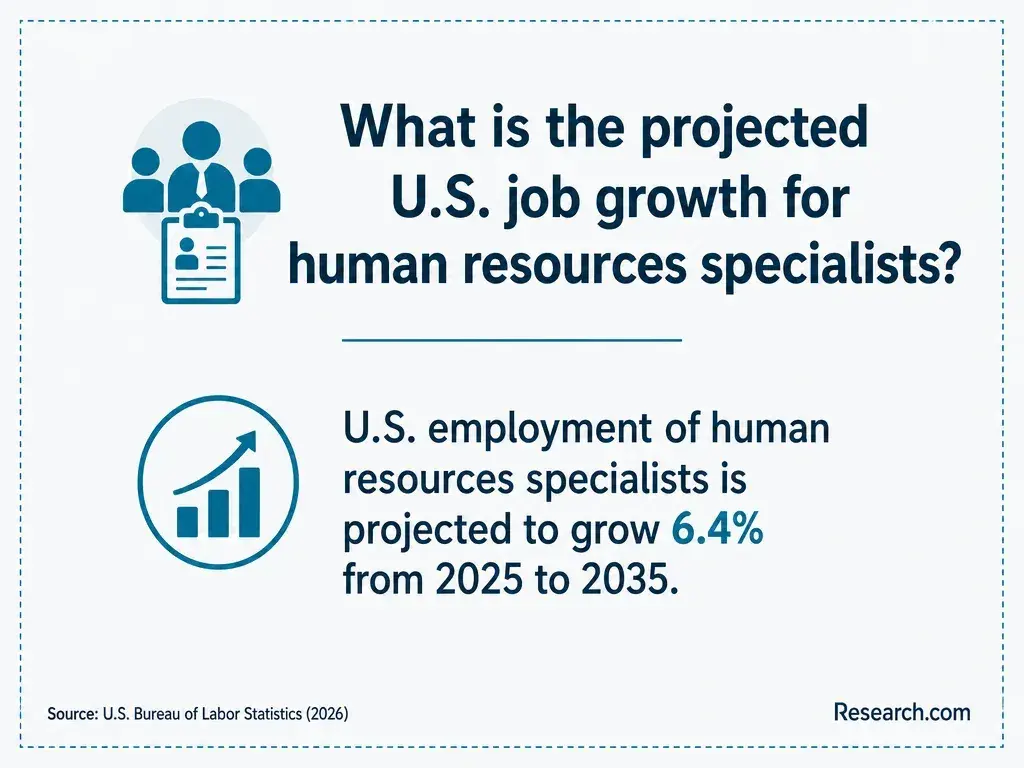
There is no single salary or growth rate for "addictions psychology BA graduates." Pay depends on the occupation, location, employer, experience, and any required credential. The Bureau of Labor Statistics groups substance abuse, behavioral disorder, and mental health counselors in a defined occupation; its wage and outlook figures describe that workforce, not what an uncredentialed BA graduate should expect. Intake, student-support, and recovery-support jobs may follow different pay scales.
For a realistic comparison, collect local postings for roles you could qualify for after graduation and note their stated pay, duties, and credential requirements. Compare those opportunities with advancement in your current aid-office career and the full cost of completion. If the BA is the right step but cost is decisive, explore psychology degree options with lower tuition - then recalculate using your own transfer evaluation rather than the published price alone.
Other Things You Should Know About Psychology
Only if the program approves the site, supervision, duties, and learning objectives. Your regular job does not automatically meet an addictions-related fieldwork requirement.
Not necessarily. Use approved, appropriately scoped materials; do not use identifiable student or client records without institutional authorization and applicable privacy safeguards.
You can ask about education assistance or relevant projects, but clarify that academic study does not expand your job duties or authorize clinical advice to students.
A course, certificate, or employer-supported training may meet your learning goal at a lower cost and with less disruption than completing another degree.
- Eligibility Requirements | Federal Student Aid https://studentaid.gov/understand-aid/eligibility/requirements
- Cost of Attendance (Budget) | 2026-2027 Federal Student Aid Handbook https://fsapartners.ed.gov/knowledge-center/fsa-handbook/2026-2027/vol3/ch2-cost-attendance-budget
- Behavioral Health Career Descriptions | samhsa.gov https://www.samhsa.gov/about/careers/behavioral-health-workforce/careers-by-state/descriptions
- Social and Human Services | gtcc.edu https://www.gtcc.edu/academics/academic-programs/programs/human-services-social-sciences/human-services-technology.php
- Can You Get Financial Aid for Online College? How It Works | beal.edu https://beal.edu/can-you-get-financial-aid-for-online-college/
- Work Experience Guide for Students | Los Rios Community College District https://losrios.edu/academics/work-experience-and-internship-program/work-experience-internships-student-resources/work-experience-guide-for-students
- Online Bachelor's Degree in Psychology in Addictions | Purdue Global https://www.purdueglobal.edu/degree-programs/psychology/bachelor-psychology-addictions/
- Starting and Maintaining a Quality Internship Program | Engineering Career Center https://ecc.ku.edu/starting-and-maintaining-quality-internship-program
- Asynchronous Online Courses - Academic Affairs | Coles College of Business https://campus.kennesaw.edu/faculty-staff/academic-affairs/curriculum-instruction-assessment/digital-learning-innovations/faculty-learning-scientists/course-facilitation/asynchronous-online-courses.php
- Can I Get Financial Aid as an Online College Student? | SDSU Global Campus Blog https://cesblog.sdsu.edu/can-i-get-financial-aid-as-an-online-college-student/