2027 Online BA in Psychology - Mental Health: How to Evaluate an Undergraduate Research Opportunity
Audited and Verified:
Our Editorial and Data Verification Process
Research.com uses government datasets, official education statistics and primary institutional information to support its career and degree guides. Our review process checks factual accuracy, occupational definitions, source dates and the requirements associated with the credentials discussed.
How This Article Was Fact-Checked
Our editorial team verifies salary estimates, employment projections, education requirements and program information against original data providers and official organizations. Salary figures are checked against the relevant occupational definitions and reporting periods. Information about licensure, accreditation and required in-person training is reviewed separately.
Fact-checked and verified on:

Co-Founder and Chief Data Scientist
An online psychology program may advertise research opportunities, but that does not tell you whether an undergraduate can join a project, receive useful supervision, or work within a manageable schedule. Those details matter especially if you hope to explore mental-health research or build evidence of research readiness for graduate study. This guide shows you how to compare opportunities, ask about access and ethical oversight, and distinguish substantive research experience from a project that only sounds impressive. It also puts program cost, career options, and professional credentials in perspective so you can choose an opportunity that serves your actual goal.
Key Things You Should Know
- Prioritize a defined research role, a named supervision arrangement, and a feasible output over a program's broad promise of "research opportunities."
- Check whether meetings, data access, participant-facing tasks, and any campus visits work for online students before committing.
- A psychology BA can support nonclinical work and graduate preparation; a mental-health focus does not qualify you to diagnose or provide therapy.
What Is an Online Bachelor's Degree in Psychology and Mental Health?
An online BA in psychology is an undergraduate degree in psychological science delivered primarily through online courses. A mental-health focus may be an officially named concentration, a group of electives, or simply a theme in program descriptions. Check the catalog and transcript rules rather than assuming those labels mean the same thing.
For a research-minded student, the distinction matters less than access to statistics, research methods, faculty projects, and ethical study of topics such as distress, prevention, and service use. If your main goal is substance-use-service employment rather than research, compare the curriculum and local credential rules alongside substance abuse counseling bachelor's program value comparisons. Neither degree title alone establishes permission to counsel clients.
How Can You Evaluate Undergraduate Research Opportunities in Psychology?
Evaluate the opportunity you can actually enter, not the research a department conducts in general. An undergraduate research opportunity might involve literature searches, coding interviews under supervision, preparing survey materials, checking data quality, or analyzing an approved dataset. A course paper based entirely on published studies can also develop research reasoning, but it is different from joining a research team.
The options below serve different purposes. Use them to identify the kind of experience you need before asking a program what it offers.
| Opportunity | Potential value | Main limitation to check |
| Faculty research assistantship | Team practices, feedback, and potentially sustained mentorship | Online-student eligibility, openings, and actual assigned tasks |
| Supervised independent project or capstone | Ownership of a focused question and a documented academic output | Faculty capacity, project scope, and approval requirements |
| Approved secondary-data project | Practice with analysis and reproducible documentation without recruiting participants | Dataset permissions, relevant measures, and limits on conclusions |
Before treating any option as a reason to enroll, ask the research coordinator, potential faculty mentor, and program advisor the following questions. Request answers that apply to online undergraduates, not just students on campus.
- Access: How are students selected, when can they apply, and are positions paid, credit-bearing, or voluntary?
- Work: What would I do each week, what skills would I learn, and what output could I discuss in a future application?
- Supervision: Who reviews my work, how often do we meet, and what happens if a project or mentor becomes unavailable?
- Logistics: Are meetings live, are any visits required, and can I complete approved tasks from my location and time zone?
- Permissions: Who determines whether ethics review, consent, site authorization, or a data-use agreement is required before work begins?
Give extra weight to opportunities with regular feedback and tasks that progress beyond observation. For example, carefully documenting coding decisions on an authorized project may demonstrate more research readiness than being listed on a laboratory webpage without defined responsibilities. Publication is not a reasonable promise to demand from an undergraduate opportunity; discuss authorship expectations if a project could lead to a presentation or paper.
Mental-health topics often involve sensitive information. Do not assume that removing names permits use of client records, that a class assignment is exempt from institutional review, or that student status permits clinical assessment. The faculty lead and relevant institution or site must determine access, safeguards, and oversight. If graduate research is your longer-term aim, compare the mentorship available now with the research requirements of prospective programs; online master's psychology programs by affordability can inform a later cost comparison, but price alone does not indicate thesis access or faculty fit.
What Should You Look for in an Accredited Online Psychology Program?
Start by verifying the institution's accreditation through the accreditor and the US Department of Education's recognized-accreditor information. Then examine the psychology catalog, current course schedule, and written research policies. Institutional accreditation does not establish that a particular student will obtain a research placement, and APA accreditation should not be expected for a general undergraduate psychology BA.
Look for specific answers about online access to faculty mentorship, statistics software, library resources, research seminars, and capstone advising. Ask whether a proposed mentor must approve an independent project, whether research credit counts toward the major, and whether a substitute project is available when a laboratory has no opening. Written eligibility and scheduling rules are more useful than testimonials.
Keep future professional training separate from BA accreditation. If your eventual goal is licensed counseling, compare qualifying graduate programs on their actual requirements, including supervised training and total expense. A guide to comparing counseling master's tuition with completion time addresses a different decision from choosing undergraduate research.
Online and campus-based psychology degrees can teach the same research concepts, but access to research teams may differ. A campus student may be able to attend laboratory meetings or help with on-site data collection; an online student may find better access through remote literature reviews, coding, analysis, or scheduled video meetings. Neither format guarantees a substantive role.
Compare the research workflow, not just the course-delivery label: meeting times, required software, supervised hours, access to participants or datasets, and any travel. For someone balancing work or caregiving, an asynchronous course does not make a weekly live research meeting optional. Faster degree pacing can also leave less time to build a relationship with a mentor. That trade-off applies when considering accelerating a forensic psychology bachelor's degree or another specialized BA.
Expect to examine the actual degree map rather than a sample course list. Research preparation typically draws on statistics, research methods, scientific writing, and psychology courses that explain how behavior is studied. Mental-health-related courses may cover psychopathology, development, health, addiction, or social contexts; their presence does not turn an undergraduate project into clinical training.
Course sequence matters. A research assistantship that expects statistics or methods coursework may be inaccessible early in the degree, while a capstone offered only near graduation leaves little time for revision or a recommendation letter. Ask which prerequisites apply, when each course runs, and whether students can pursue supervised research before the final term. Later graduate specialization may demand deeper methods training; forensic psychology graduate study in an intensive format illustrates why a short program's timeline should be checked against its research expectations rather than assumed to provide more preparation.
Online BA admission rules differ by institution and by whether you enter as a first-year or transfer student. The school may request prior transcripts and proof of a qualifying secondary-school or college credential; admission to the university does not necessarily mean immediate eligibility for upper-level psychology research.
If you are transferring, request a degree audit showing which previous courses satisfy statistics, research methods, major, and general-education requirements. Accepted credits that count only as electives may not move you closer to the research courses you need. Ask the admissions and psychology departments to confirm the applicable rules in writing before relying on an estimated completion date. For a broader comparison, review psychology programs that accept transfer credits, then obtain a school-specific evaluation.
Completion time depends on credits still required, course availability, and how many courses you can take each term. Add the timing of research prerequisites and the opportunity itself to your plan: finishing the BA quickly may be a poor trade if it removes the only realistic window for supervised work.
For cost, request an itemized estimate based on your evaluated credits and intended pace. Include tuition, required fees, books or software, any travel, and the possible earnings you would give up for an unpaid research role. Ask whether research credit carries tuition and whether changing enrollment intensity affects aid. When comparing online psychology programs with faster pacing, weigh the resulting time savings against both the total charge and access to mentorship; advertised speed is not a research outcome.
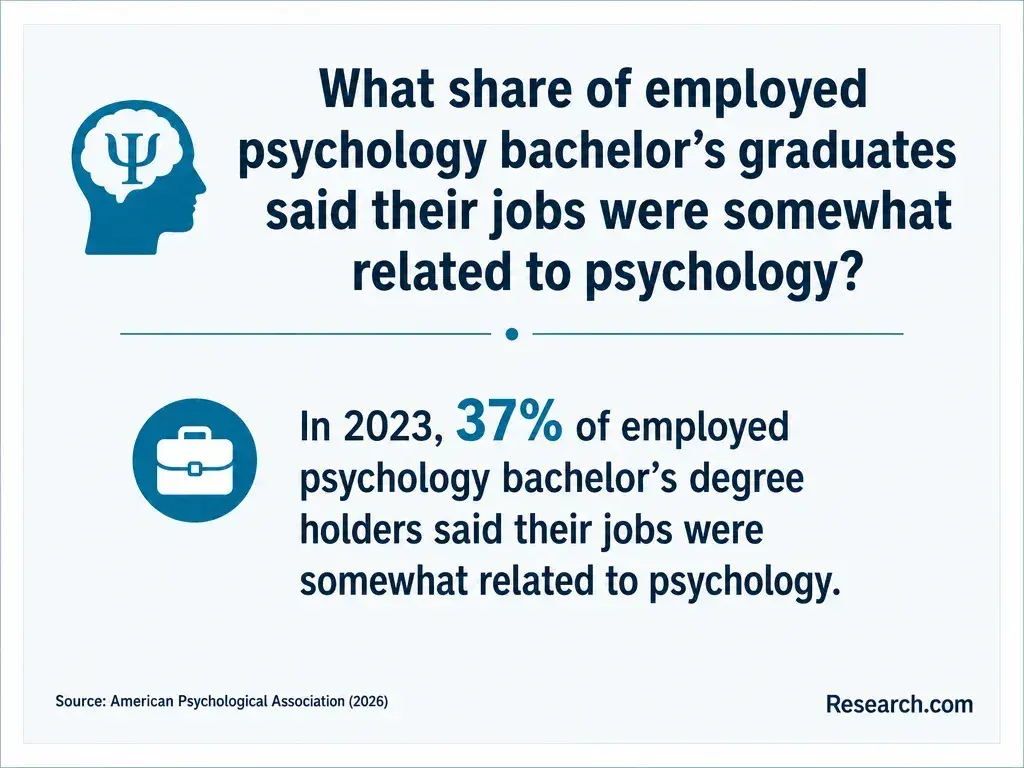
A psychology BA can support applications for nonclinical research support, human-services, community outreach, intake, or program-support roles, depending on the employer and your experience. Research work is particularly relevant when a role calls for accurate records, literature review, basic analysis, or communicating evidence. Service roles may place more weight on supervised client interaction, local knowledge, and documentation skills.
Job titles can conceal important differences in duties. A recovery-support position, for example, may involve referrals and practical support rather than counseling; state and employer requirements still need checking. Explore recovery services employment pathways if that work, rather than research, is your immediate goal. A targeted credential or supervised experience could be more direct than selecting a BA solely for its mental-health label.
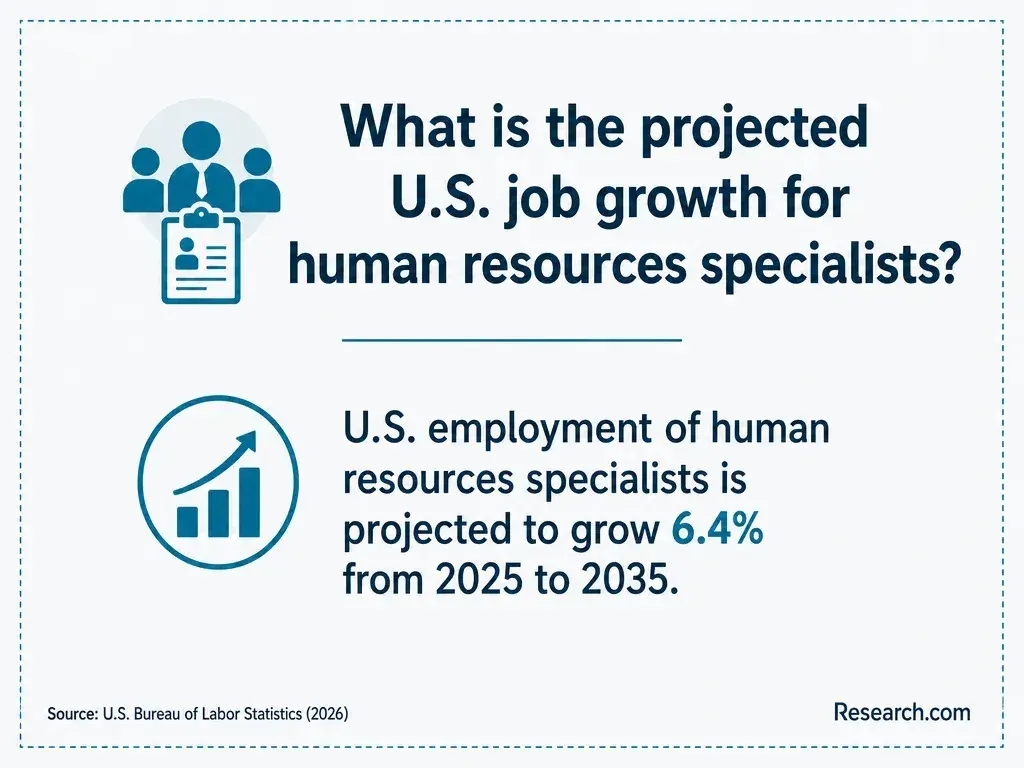
There is no single salary or job-growth figure for "psychology graduates." US Bureau of Labor Statistics figures describe defined occupations, and an occupation's median wage includes workers with varied degrees, credentials, and experience. For a useful comparison, choose a specific job, check the latest Occupational Outlook Handbook entry's wage reference year and projection period, then compare its typical entry requirements with your qualifications and local postings.
Be especially cautious with graduate-level or regulated-job pay claims when assessing the return on an undergraduate research opportunity. Research experience may strengthen an application without changing the entry requirements of a job. The distinction also matters when reading a forensic psychology master's employment and pay guide: neither a master's-level occupational figure nor a forensic job title predicts earnings from an online psychology BA.
What Licenses or Graduate Degrees Are Needed for Mental Health Careers?
A psychology BA with a mental-health focus does not itself authorize psychotherapy, diagnosis, independent psychological assessment, or use of a protected professional title. Those goals require an occupation-specific pathway that may include a qualifying graduate or doctoral degree, supervised experience, examinations, and a state license. Requirements differ for psychologists, counselors, clinical social workers, and other regulated professionals.
Use undergraduate research to test your interest in evidence and populations, not as a substitute for professional training. Before selecting a graduate route, check the relevant state board's rules and whether the exact program is designed to meet them. If counseling is the goal, faster clinical mental health counseling graduate pathways are worth comparing only after confirming program recognition, placement obligations, and the rules where you intend to practice.
Other Things You Should Know About Psychology
No. Ask how contributions are credited and when authorship is discussed; useful supervision and documented skills can matter even without a publication.
Only within the permissions set by the research team and site. Use approved, nonidentifying descriptions of your methods and responsibilities rather than private records or unpublished data.
Ask your advisor whether completed work can earn credit and whether another mentor, approved dataset, or independent project can meet your remaining objective.
Yes, if it has a focused question, a transparent search approach, and feedback from a qualified instructor. Describe it accurately as academic work, not as participant-based research.
- Ethical Guidelines and the Institutional Review Board - PMC https://pmc.ncbi.nlm.nih.gov/articles/PMC10885741/
- Guidance for Online Research - Inside Southern | Southern Connecticut State University https://inside.southernct.edu/rpp/irb/guidance-online-research
- Social and Behavioral Research | ucsf.edu https://irb.ucsf.edu/social-and-behavioral-research
- Undergraduate research expectations | harvard.edu https://evolutionaryneurosciencelab.hsites.harvard.edu/file_url/193
- Psychology Undergraduate Research | College of Arts & Sciences at Syracuse University https://artsandsciences.syracuse.edu/psychology/psychology-undergraduate/psychology-undergraduate-research/
- Sciences, get started | ucla.edu https://sciences.ugresearch.ucla.edu/get-started/
- Training: Goals and Competencies - Mental Health Services https://mentalhealthservices.studenthealth.virginia.edu/training-goals-and-competencies
- Guidance on Conducting Research Involving Mental Health Topics | Committee on the Use of Humans as Experimental Subjects https://couhes.mit.edu/guidelines/guidance-conducting-research-involving-mental-health-topics
- Guidance for Students - Division of Research https://www.research.txst.edu/orc/irb-resources/student-guidance.html
- Psychology: Bachelor's degree options | The University of Akron, Ohio https://www.uakron.edu/psychology/academics/undergraduate/