2027 Online BA in Psychology - Addictions for Recovery Coaches: Compare Transferable Skills and Degree Requirements
Audited and Verified:
Our Editorial and Data Verification Process
Research.com uses government datasets, official education statistics and primary institutional information to support its career and degree guides. Our review process checks factual accuracy, occupational definitions, source dates and the requirements associated with the credentials discussed.
How This Article Was Fact-Checked
Our editorial team verifies salary estimates, employment projections, education requirements and program information against original data providers and official organizations. Salary figures are checked against the relevant occupational definitions and reporting periods. Information about licensure, accreditation and required in-person training is reviewed separately.
Fact-checked and verified on:

Co-Founder and Chief Data Scientist
If you already help people navigate recovery - or want to start - an online BA in psychology with an addictions focus may deepen your understanding of behavior. But a degree is a substantial commitment, and it is not automatically required for recovery coaching.
This guide compares what the degree teaches with the work coaches actually do, then examines credentials, online learning, time, cost, and adjacent careers. You can use it to decide whether a BA fills a meaningful gap in your preparation or whether targeted training and supervised experience would get you closer to your goal.
Key Things You Should Know
- A recovery coach generally provides nonclinical support, not diagnosis or therapy; a psychology BA does not change that scope of practice.
- An online BA commonly follows a roughly four-year full-time path, but accepted transfer credits, course sequencing, and enrollment pace determine an individual student's timeline.
- Compare the degree's research and behavioral-science training with the certification, supervised experience, and practical skills required by employers and your state before enrolling.
What is an online bachelor's degree in psychology for addiction recovery careers?
It is an undergraduate psychology degree delivered primarily online, with addiction-related study provided through a formal concentration, a set of electives, or an applied project. Those arrangements are not interchangeable: a school may award a general BA in psychology even when a student takes several substance-use courses. Check the exact degree and concentration printed on its academic record.
The BA develops a foundation in behavior, development, social context, and research. Addiction-focused study can help a coach understand recovery as more than an individual decision, including the roles of learning, stress, relationships, and access to services. It does not train a graduate to diagnose a substance use disorder or provide treatment. When comparing accredited college pathways in addiction psychology, inspect the actual required courses rather than relying on a program's title.
A BA makes more sense for a coach who also wants broad undergraduate preparation, stronger research literacy, or access to jobs that require a bachelor's degree. If the immediate goal is an entry-level recovery-support position, first check whether a recognized peer credential and relevant experience offer a more direct route.
What careers can an online psychology degree prepare you for in addiction recovery?
For someone moving from community support into behavioral health, the useful comparison is between job duties, not similar-sounding titles. The following roles may use psychology knowledge, but their hiring and credential requirements differ.
| Role | Typical contribution | Qualification question to check |
| Recovery coach or peer recovery specialist | Supports self-directed goals, connection to services, and sustained engagement | Does the employer or funding program require lived experience, a state-recognized credential, or supervision? |
| Behavioral-health intake or program assistant | Helps with scheduling, records, referrals, and program operations | What training is required for privacy, documentation, and escalation? |
| Human-services or case-coordination assistant | Helps clients navigate resources under organizational procedures | Which duties require a degree, additional experience, or a credential? |
| Substance-use counselor | May deliver regulated counseling services within a defined scope | What education, supervised practice, examination, and credential does the state require? |
A BA can strengthen applications for support and coordination roles, especially alongside demonstrated service experience. It does not make a coach a counselor. If you are considering work across different justice or behavioral-health settings, comparisons of better-paid roles related to forensic psychology can illustrate why job title, degree level, and actual qualifications must be evaluated separately; those roles are not automatic next steps from recovery coaching.
Do recovery coaches need a psychology degree, certification, or state license?
There is no single national psychology-degree requirement for recovery coaches. Requirements depend on the state, job duties, employer, and sometimes the program paying for services. A peer recovery specialist credential may require approved training, lived experience, supervised hours, or other conditions; the applicable credentialing body must confirm them. An employer may set additional hiring standards.
The boundary matters even if a coach has extensive personal and professional experience. Coaching may include encouragement, practical goal-setting, resource navigation, and referrals. Diagnosis, psychotherapy, and independently delivered substance-use counseling belong to separately regulated roles. Training in confidentiality, crisis escalation, documentation, and local referral procedures remains important for nonclinical staff.
If your goal is to provide therapy, compare qualifying professional programs against your state's rules rather than choosing a psychology BA for its addictions electives. Resources on choosing a shorter clinical mental health counseling master's address a different educational pathway; a short program is useful only if its curriculum and supervised training meet the intended credential's requirements.
The degree format changes how you learn, not the professional authority the degree confers. Online coursework may reduce commuting, while campus study may make in-person faculty contact or local partnerships easier. Neither format guarantees a suitable recovery-service placement.
For a working coach, the decisive details are whether classes are asynchronous, when live meetings occur, whether group assignments require fixed hours, and whether an internship or capstone needs an approved site. Some intensive online psychology program formats compress the calendar without reducing the work; that may be a poor fit if shifts or caregiving make weekly study time unpredictable.
Ask whether you can complete applied work at your current organization. A supervisor's willingness is not enough: the academic program must approve the site, duties, supervision, and assessment. Confirm any campus visits and out-of-state placement restrictions before assuming the degree can be completed remotely.
Expect a broad psychology core, general education, and, where offered, addiction-related electives or concentration requirements. The most useful courses for coaching connect behavioral science to ethical support without suggesting that classroom exposure is clinical training.
| Course area | Value for recovery work | Limit to recognize |
| Developmental and social psychology | Places behavior within life stage, relationships, and community context | Does not establish an individual client's diagnosis |
| Learning, motivation, and health psychology | Helps evaluate claims about behavior change and sustained support | Does not authorize treatment planning |
| Research methods and statistics | Builds skill in judging evidence and interpreting program data | Course projects do not grant access to confidential client records |
| Addiction, ethics, and service-system electives | Introduces substance-use research, referrals, boundaries, and context | An elective is not a professional certification |
Compare syllabi and prerequisites, not just course names. If you already hold a bachelor's degree and primarily need advanced nonclinical research skills, lower-tuition psychology master's options may merit comparison with individual methods courses. Neither option replaces a credential required for counseling.
First-time undergraduate applicants generally provide evidence of prior schooling and meet the institution's admission rules. Transfer applicants also submit transcripts for credit evaluation. Admission to the college, admission to a psychology major, acceptance of prior credits, and satisfaction of graduation requirements are separate decisions.
That distinction is especially important for an experienced coach returning to school. A course may transfer as elective credit without replacing statistics, research methods, or a required psychology course. Ask for a written degree audit showing how each accepted course applies, what must still be taken, and whether required courses are offered often enough for your planned pace. For a closer look at evaluating transfer options before psychology enrollment, focus on credits that satisfy requirements rather than the headline number accepted.
A traditional full-time bachelor's path takes about four years. An individual plan may be shorter with applicable transfer credit or longer with part-time study, prerequisite sequences, or limited course availability. Request a term-by-term plan based on your evaluated credits before relying on an advertised completion time.
Cost comparisons need the same individualized approach. The following components explain why a tuition rate alone cannot show what the degree will cost you.
| Cost component | What to verify |
| Tuition and mandatory fees | Rate for your enrollment status, required credits, and any online or course fees |
| Learning and placement expenses | Books, technology, travel, background checks, or an unpaid approved experience, if required |
| Time and financing | Available study hours, work hours you may forgo, aid eligibility, and borrowing costs |
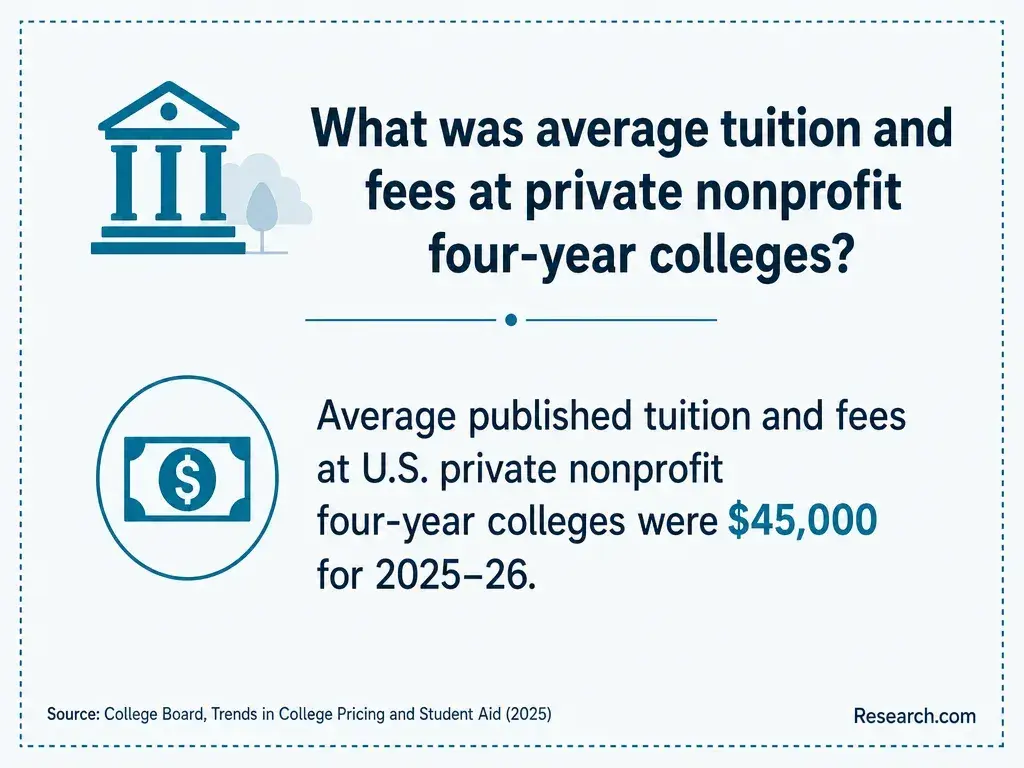
Ask the financial-aid office for an aid estimate tied to your enrollment plan, then compare the remaining cost with the jobs you actually intend to pursue. Undergraduate addiction counseling grants and scholarships are worth investigating, but eligibility, award amounts, and renewal conditions require individual confirmation.
If you already coach, volunteer, or coordinate services, start by documenting what you can do - not assuming coursework must replace your experience. A BA is most valuable when it adds a skill you cannot readily develop through your current role, credential training, or mentorship.
For example, research methods can help you distinguish a promising recovery-support approach from a claim based on weak evidence. Developmental and social psychology can improve the questions you bring to supervision about accessibility and context. Written projects can demonstrate clear, privacy-conscious communication. None of these skills substitutes for observing organizational protocols when a client needs clinical care or urgent help.
A practical comparison is to collect examples of your existing work, identify gaps named in local job postings, and match each gap to a course, approved placement, or shorter training option. If you are also considering forensic psychology bachelor's completion planning, apply the same test: transferable research and communication skills matter, but a concentration label alone does not establish readiness for a different role.
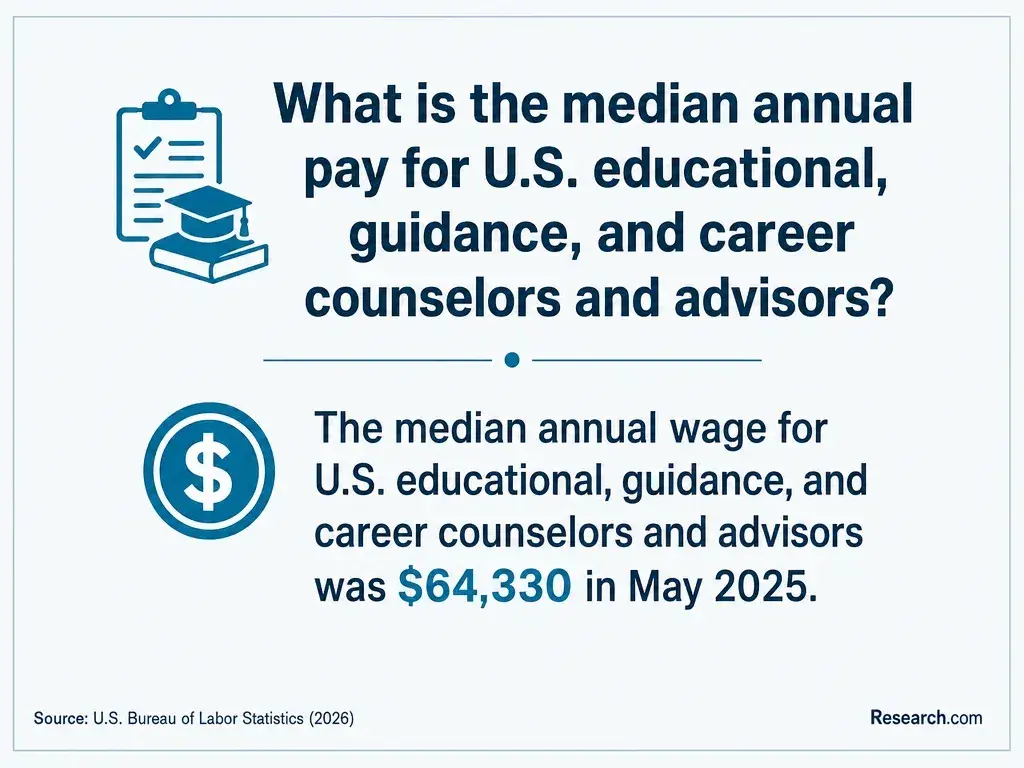
There is no dependable national salary figure for "online psychology graduates working as recovery coaches." Pay depends on the position, region, employer, funding, experience, and required credential. The US Bureau of Labor Statistics reports wages and employment projections for defined occupations, including substance abuse, behavioral disorder, and mental health counselors, but that category includes counseling jobs with requirements beyond recovery coaching. Its median wage should not be presented as a coach's expected pay.
For a useful comparison, collect current local postings for the exact titles you qualify for and record their pay ranges, required credentials, and duties. Compare those opportunities with your present earnings and the full cost of education. If a qualifying counseling degree is your longer-term goal, guidance on assessing shorter clinical mental health master's program outcomes can help frame a separate cost-and-career decision; counselor-wide labor statistics still cannot predict your personal outcome.
How can you choose an accredited online psychology program for recovery work?
Begin by confirming that the institution holds recognized institutional accreditation and that the advertised online BA, concentration, and course requirements apply to your entry term. Do not look for APA accreditation of a general psychology BA: APA accreditation applies to specified professional psychology training programs, not ordinary undergraduate psychology majors.
Then ask an advisor to map your credits to graduation requirements, identify addiction-related courses you can actually take, and explain any live sessions, placements, and site-approval rules. Ask career services whether they can show relevant employer connections or outcomes for comparable students. Finally, check the recovery-support credential rules and job postings in the state where you plan to work. That sequence tests whether the program advances your goal rather than merely covering an appealing subject.
If you already have a bachelor's degree, compare the BA with targeted credential training and, where advanced nonclinical study is relevant, shorter graduate psychology degree options. Choose the route that closes a documented qualification or skill gap - not simply the one with the fastest advertised timeline.
Other Things You Should Know About Psychology
Not necessarily. Where lived experience is relevant to a role, disclose it within the credential's and employer's expectations while keeping client benefit, privacy, and professional boundaries central.
It can when the organization and applicable rules permit it. Coaches still need approved communication tools, privacy procedures, a way to respond to urgent concerns, and an understanding of where the person receiving support is located.
Not without the appropriate organizational permission and academic oversight. A classroom assignment does not create a right to access, reuse, or publish confidential information.
Follow the organization's crisis and escalation procedures, including contacting emergency or clinical resources when indicated. A coach should not attempt to provide an independent clinical risk assessment beyond their training and authorized role.
- HEI | Tuition & Fees Inventory https://highered.ohio.gov/wps/portal/gov/odhe/data-reports/hei-system/hei-file-doc/hei-tuition-fees-inventory-sa
- Evidence-Based Practices Resource Center | samhsa.gov https://www.samhsa.gov/libraries/evidence-based-practices-resource-center
- Become a Certified Recovery Peer Advocate | ny.gov https://oasas.ny.gov/recovery/become-certified-recovery-peer-advocate
- 3. Summary by State | mass.gov https://www.mass.gov/doc/summary-of-state-certification/download
- Online Substance Abuse and Addictions Degree | ASU Online https://asuonline.asu.edu/online-degree-programs/undergraduate/counseling-psychological-sciences/
- Transfer credit practices - UC Admissions https://admission.universityofcalifornia.edu/counselors/preparing-transfer-students/transfer-credit-practice.html
- Tuition and College Costs - The City University of New York https://www.cuny.edu/financial-aid/tuition-and-college-costs/
- Transfer Credit Policy | Point University Catalog https://catalog.point.edu/policy/standinghonors/creditforpriorlearning
- Psychology Degree Requirements | University of Bridgeport https://www.bridgeport.edu/news/psychology-education-requirements/
- Earn Your B.S. in Addiction Studies Online | SUNY Empire https://sunyempire.edu/academics/undergraduate-academics/addiction-studies.html