2027 Online BA in Psychology - Mental Health: Evaluating Online Courses That Use Distressing Case Material

Co-Founder and Chief Data Scientist
An online psychology course may ask you to analyze cases involving trauma, suicide, abuse, or substance use - even when you never enter a classroom. For a prospective BA student, the important issue is not whether a program mentions mental health, but how it teaches difficult material and what choices students have when a case becomes overwhelming. This guide explains what to look for in syllabi, assignments, accessibility policies, and instructor practices. It also puts those findings in context with degree quality, cost, and career goals so you can choose a program you can engage with responsibly.
Key Things You Should Know
- Ask for a recent syllabus and sample case assignment: "asynchronous" does not tell you whether graphic videos, live discussions, or personal disclosures are required.
- Look for advance notice, equivalent ways to meet learning objectives, accessible formats, confidential support, and a clear process for requesting accommodations; no school can promise every difficult topic is avoidable.
- A mental-health-focused psychology BA is academic preparation, not a therapy credential. Evaluate its case-material policies alongside institutional accreditation, total cost, and your intended next step.
What Is an Online BA in Psychology With a Mental Health Focus?
It is a bachelor of arts degree in psychology that places particular emphasis on mental health through a formal concentration or a selection of electives. Those are not interchangeable: a concentration has specified requirements, while taking several related electives may leave the degree officially titled simply "BA in Psychology." Confirm what appears on the transcript rather than relying on a program description.
Students study behavior and psychological science, not how to practice independently as therapists. A mental health focus may help someone interested in research, community services, or later professional study, but a broader psychology major can be a better fit if it offers stronger methods training or more room for prerequisites. Compare actual requirements among online bachelor's program choices in psychology, then examine the syllabi for the courses you would take - not just the concentration's name.
How Do Online Psychology Courses Handle Distressing Mental Health Case Material?
Courses may use written vignettes, recorded interviews, news accounts, research articles, or simulated case records to teach symptom description, ethics, and service-system decisions. A case can be academically useful without graphic detail. Exposure to distressing material in coursework is not exposure therapy, and a student should not be expected to disclose personal experiences to demonstrate competence.
Delivery changes the experience. A recorded case can offer control over timing and pauses, but an unannounced graphic clip may still be difficult. A live discussion allows questions, yet gives less time to step away; a graded forum may keep upsetting peer posts visible for days. The following comparison shows why "online" alone is an inadequate description of case-material practices.
| Course arrangement | Potential benefit | Issue to verify |
| Advance topic notes and assigned readings | Time to plan when and where to study | Whether notes describe the type of material without revealing private case information |
| Recorded or text-based cases | Control over pace or format | Whether captions, transcripts, and comparable formats are available |
| Live discussion or group analysis | Immediate faculty guidance | Attendance, participation, recording, and alternative-participation rules |
| Alternative case or assignment | Another route to the same learning objective | Eligibility, approval process, and whether grading is equivalent |
Before enrolling, seek answers in writing from the program or course instructor. These questions distinguish a usable policy from a reassuring but vague promise:
- Which required courses include cases involving suicide, violence, sexual abuse, or other potentially distressing topics, and how much notice precedes them?
- Must students watch particular videos, participate in live discussion, or disclose personal experiences to earn credit?
- If a format is inaccessible or a case poses a documented barrier, who approves an equivalent assignment, and when must the request be made?
- How are graphic peer posts moderated, and what privacy rules govern case discussions and recordings?
- Where can a student seek confidential support, and what are the deadlines and academic consequences if a course change becomes necessary?
Distinguish an instructor's discretionary flexibility from a formal disability-accommodation process; contact the school's accessibility office about the latter. An alternative may change the case or format while preserving essential learning outcomes, rather than removing all discussion of serious mental illness. If you expect to pursue professional clinical training later, revisit these questions for that program too: faster-paced online mental health counseling master's study may involve different participation and supervised-training demands.
Is an Online Psychology Bachelor's Degree Accredited and Professionally Recognized?
Check the institution's accreditation with the accreditor and confirm that it covers the school awarding the degree. Institutional accreditation matters for degree recognition and may affect aid or later applications; it does not establish that a particular course handles distressing content well. Ask whether the online BA is awarded by the same institution as its campus degree and whether its published policies apply to online students in your entry term.
Do not look for APA accreditation of a general psychology BA: APA's program accreditation does not cover such degrees. Likewise, a concentration's mental-health or forensic label is not professional recognition or licensure approval. That distinction also matters when comparing accredited online pathways in forensic psychology: determine which institution or program is accredited and what that accreditation actually covers. For this article's decision, also verify where online students take complaints about inaccessible materials and whether published accommodation and appeal procedures cover their courses.
Offerings vary. Relevant courses may cover abnormal psychology, development, health psychology, substance use, trauma research, or community mental-health systems. Statistics and research methods are just as important: they help students judge whether a case illustrates a broader finding or only one person's circumstances. A course about diagnosis or treatment models teaches academic concepts; it does not confer authority to diagnose or treat someone.
Read course descriptions and, where available, sample assignments. A course focused on research articles and fictional vignettes may suit a student who wants to study mental health while limiting exposure to graphic audiovisual material. If your goal is specifically substance-use services, compare the psychology curriculum with inexpensive undergraduate substance use counseling degree choices; neither program title alone establishes eligibility for a state counseling credential.
Online study may let you pause a recording, choose a private study setting, and review a case before contributing. Campus study may make it easier to speak with an instructor immediately after class. Neither format guarantees a gentler curriculum: online courses can require live sessions or public-to-class discussion boards, while campus instructors may provide advance materials and alternatives. Compare specific course practices, not assumptions about either format.
Check time zones, group-project meetings, exam monitoring, campus visits, and local placement rules if applicable. Students balancing work or caregiving should ask how far ahead case materials are released and whether deadlines permit a short pause without penalty. The same scheduling test will matter if you later consider psychology graduate programs with compressed schedules: a shorter calendar does not necessarily provide more flexibility or less intensive material.
Requirements depend on whether you enter as a first-year or transfer student. Schools commonly request prior academic records and may have separate rules for admission to the institution and declaration of the psychology major. A previous mental-health course is not necessarily required. Request the current admissions criteria and ask when you can register for the courses whose case-material policies matter most to you.
If you have prior college credit, obtain an official degree audit showing which courses satisfy general education, psychology, statistics, and residency requirements. Accepted credits do not automatically meet major requirements. For a closer look at that distinction, see psychology degree options for college transfer students. If a required course is offered infrequently, its sequencing - not just admission - may determine whether you can choose a suitable section or instructor.
Completion time depends on remaining credits, accepted transfer work, course availability, and the pace you can sustain. Online delivery alone does not shorten a degree. Ask for a term-by-term plan that identifies required mental-health courses, whether they run every term, and what happens if you need to repeat, defer, or replace one.
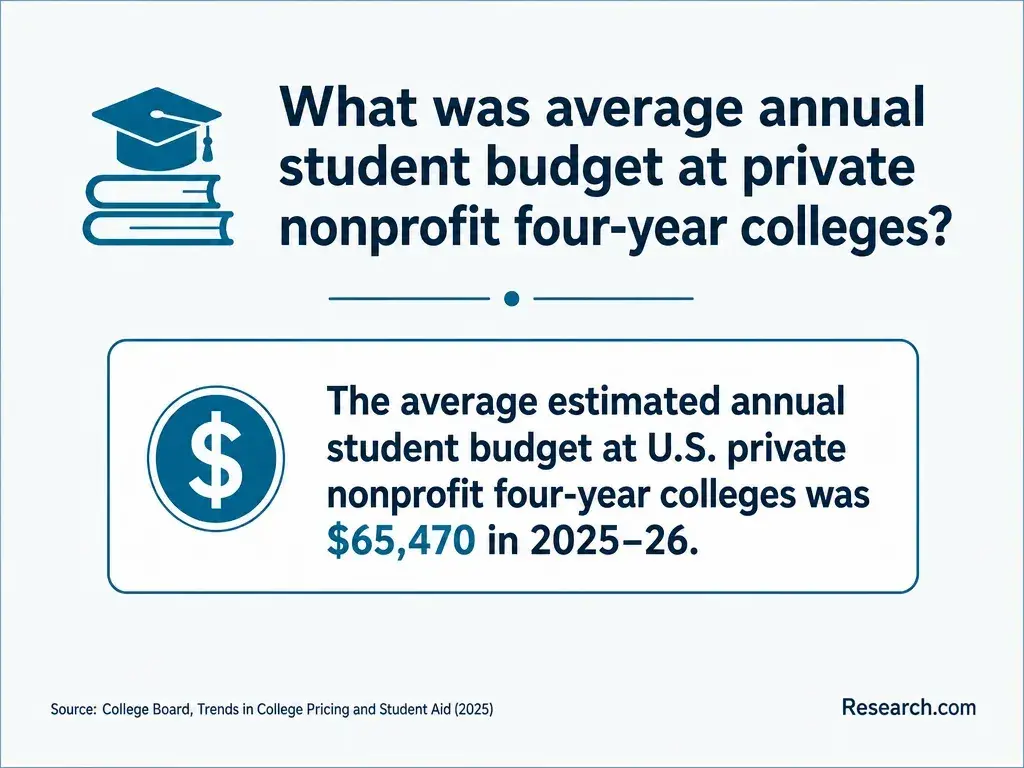
For cost, compare tuition and mandatory fees against the remaining requirements in your degree audit, then account for books, technology, and any travel or placement expense. Request the school's current charges and aid terms; a quoted per-credit price is not a reliable total. The aid questions in paying for a substance abuse counseling bachelor's degree can help frame a comparison, but verify eligibility and charges for the psychology BA you actually choose. Check withdrawal and refund deadlines before a difficult course begins, not after you need them.
A psychology BA can support applications for nonclinical work such as behavioral-health program assistance, intake coordination, community outreach, research support, or recovery-service administration. Employers may also require relevant experience, training, background checks, or a state-recognized credential. In these roles, appropriate tasks may include scheduling, documenting services, explaining referrals, or supporting a supervised program - not independently diagnosing or providing psychotherapy.
Use course selection to build evidence of the work you want to do: research-methods projects for a research-support role, or supervised service experience for community work. If recovery organizations are your goal, professional pathways in recovery organizations can help you distinguish support roles from counseling positions with separate credential requirements. If you already work in a service organization, ask whether targeted training or supervised experience would meet your goal more directly than another full degree.
There is no single salary or growth rate for "online psychology BA graduates." Pay depends on the occupation, employer, location, experience, and any required credential. The US Bureau of Labor Statistics reports occupational wages and projections - not outcomes for a particular major or school. Compare a prospective job with its accurately defined occupation, then check local postings for the duties and qualifications employers actually request.
Be especially careful with counselor salary figures: they should not be treated as expected BA-level earnings when the jobs require additional education or credentials. If counseling is your goal, evaluate the full education and credential pathway alongside a mental health counseling master's investment and pay outlook. The useful financial comparison includes the cost and time of every required step, not just the undergraduate degree.
Does a Psychology BA Qualify You for Mental Health Licensure or Certification?
No psychology BA, including one with a mental health concentration, independently qualifies someone to practice as a licensed psychologist, mental health counselor, or clinical social worker. Those are distinct professions with jurisdiction-specific educational, supervised-practice, examination, and other rules. Some support or peer roles have separate state or employer certification requirements; check the authority governing the exact job before assuming the BA meets them.
If your goal is research or nonclinical advancement, a psychology graduate degree may be worth comparing; economical routes to graduate psychology study are not necessarily routes to clinical licensure. If your goal is therapy, work backward from your state licensing board's requirements and the qualifying professional program. Choose a BA for its academic preparation and manageable learning environment - not on the mistaken expectation that studying distressing cases grants clinical authority.
Other Things You Should Know About Psychology
You can ask for a sample syllabus or deidentified assignment description. A school may decline to share protected case materials, but it should be able to explain required formats, topics, and participation expectations.
Ask the accessibility office what documentation it needs and what information it shares with instructors. Instructors generally receive the approved accommodation details needed to implement them, rather than unrestricted access to your medical records.
Ask whether an accessible transcript or comparable format exists and whether the video's visual information is essential to the assignment. If you need a disability-related format change, use the school's accommodation process.
Notify the instructor privately and identify the post. Ask how discussion-board moderation works; you should not have to disclose a personal history or confront the classmate to raise the concern.
- Frequently Asked Questions | Protecting Student Privacy https://studentprivacy.ed.gov/frequently-asked-questions
- Content Disclosures | Undergraduate Admission https://www.k-state.edu/tlc/teaching_resources/content-disclosures/
- Accessible Course Content - Teaching Support https://teachingsupport.umn.edu/accessible-and-inclusive-teaching/accessible-course-content
- Getting Started with Digital Accessibility in Teaching and Learning - UCLA Teaching & Learning Center https://teaching.ucla.edu/resources/teaching-guides/getting-started-with-digital-accessibility-in-teaching-and-learning/
- How to support students with DRC accommodations | OAI+ Faculty Teaching Resources https://oaiplus.pdx.edu/how-to-support-students-with-drc-accommodations/
- Using Content Warnings in Your Course: A Trauma-Informed Approach | Teaching and Learning Resource Center https://teaching.resources.osu.edu/teaching-topics/using-content-warnings-your-course