2027 Online BA in Psychology - Addictions for Employee Benefits Specialists: Compare Prerequisites, Workload, and Career Fit
Audited and Verified:
Our Editorial and Data Verification Process
Research.com uses government datasets, official education statistics and primary institutional information to support its career and degree guides. Our review process checks factual accuracy, occupational definitions, source dates and the requirements associated with the credentials discussed.
How This Article Was Fact-Checked
Our editorial team verifies salary estimates, employment projections, education requirements and program information against original data providers and official organizations. Salary figures are checked against the relevant occupational definitions and reporting periods. Information about licensure, accreditation and required in-person training is reviewed separately.
Fact-checked and verified on:

Co-Founder and Chief Data Scientist
Employee benefits specialists already work with coverage rules, vendor relationships, and sensitive employee needs. An online psychology BA focused on addictions may deepen that work—but it is a substantial commitment if your goal is simply to manage a substance-use benefit more effectively.
This guide compares admission and transfer requirements, course and scheduling demands, costs, and career paths. It will help you decide whether a full degree, targeted training, or a different credential best fits your next role.
Key Things You Should Know
- An addictions-focused psychology BA can strengthen benefits communication and vendor evaluation, but it does not qualify you to diagnose or treat substance use disorders.
- A bachelor's degree commonly requires about 120 credits; your remaining workload depends on an approved transfer evaluation, course sequencing, and any scheduled or in-person requirements.
- If you already hold a bachelor's degree and want to advance in benefits administration, compare the full degree's cost with targeted benefits, data analysis, and behavioral health training first.
What is an online psychology bachelor's degree in addictions for employee benefits specialists?
It is an undergraduate psychology degree delivered primarily online, with coursework on substance use, prevention, recovery, or related behavioral health topics. Schools may call that focus a concentration, emphasis, track, or set of electives. Confirm the credential awarded and whether the addictions focus appears on the transcript; a few electives do not necessarily constitute a formal concentration.
For a benefits specialist, the degree is most relevant to the nonclinical side of care: understanding why employees may have difficulty accessing services, assessing the clarity of benefit communications, and asking informed questions about employee assistance programs (EAPs) and treatment-network vendors. It does not replace expertise in plan design, benefits law, claims administration, or vendor contracting. When reviewing online psychology education pathways, compare the actual curriculum with those job duties rather than relying on the concentration name.
How can an addictions psychology degree prepare you for employee benefits work?
Psychology courses can help you interpret research on substance use and recovery, communicate without stigmatizing employees, and distinguish an evidence-based service claim from a vendor's marketing claim. Research methods and statistics are particularly useful when reviewing utilization reports: increased service use may indicate improved access, but it does not, by itself, prove better health outcomes.
The comparison below separates academic learning from the evidence you would need to show an employer that you can apply it:
| Benefits task | Relevant learning | Workplace evidence of readiness |
| Explain an EAP or treatment benefit | Help-seeking, stigma, addiction terminology, and culturally responsive communication | A plain-language, accessibility-reviewed benefits guide approved through normal employer channels |
| Review a vendor report | Research design, measurement, and statistical interpretation | Questions about denominators, missing data, privacy, and whether reported outcomes support the vendor's claims |
| Coordinate an employee referral | Service systems, confidentiality, and professional boundaries | Accurate coverage information and a referral through approved channels—not personal clinical advice |
Ask whether a program permits a supervised, nonclinical project related to benefits communication or aggregate program evaluation. Your employer and school would need to approve the work and any data access; enrollment alone does not authorize use of employee health information. If your aim is advanced research rather than improved day-to-day benefits practice, compare the BA with intensive online graduate psychology study only after checking graduate prerequisites and the actual research opportunities offered.
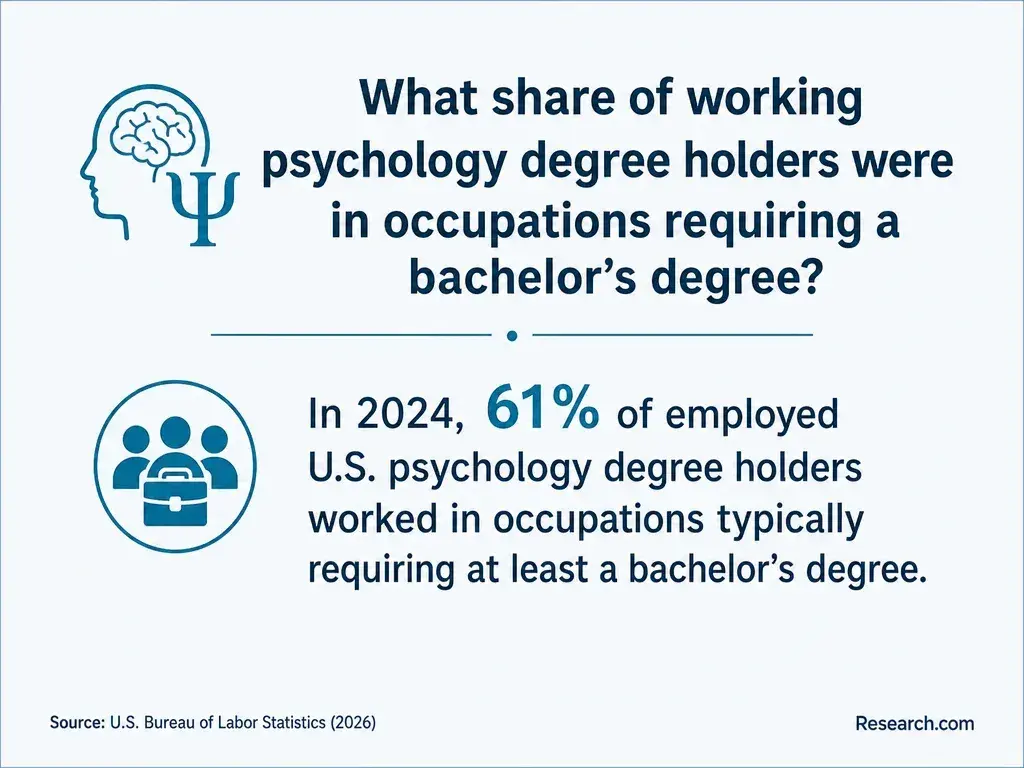
What careers can you pursue with an online psychology degree focused on addictions?
The most direct path may be advancement within benefits—not a move into counseling. An experienced specialist might seek benefits analyst, benefits manager, well-being program, or behavioral health vendor management responsibilities. Hiring decisions will still depend heavily on benefits experience, analytical ability, and the employer's requirements; the BA alone does not confer a promotion.
A transition into EAP operations, behavioral-health program coordination, or addiction-service outreach may be possible where duties are administrative or supportive. Some recovery-support positions require a state-recognized credential, lived-experience criteria, or supervised training. Compare actual postings and jobs supporting addiction recovery before assuming that psychology coursework meets their requirements.
If your target is to provide psychotherapy or independently assess and diagnose clients, this BA is preparation for considering further education, not a qualifying credential. A benefits specialist who chiefly wants to improve plan design may get a more direct return from benefits-specific training, data skills, and documented vendor-management experience.
Check that the institution holds accreditation recognized by the U.S. Department of Education or the Council for Higher Education Accreditation, and confirm that it applies to the school awarding the degree. Then verify that the advertised online BA and addictions focus are offered to students in your state. Accreditation does not establish that every course will transfer, that a placement is available, or that graduates qualify for a professional license.
Do not look for APA accreditation as a quality test for an ordinary psychology BA: APA accreditation covers specified professional psychology programs and training, not general undergraduate psychology majors. If your eventual goal is licensed counseling, investigate the applicable graduate program, professional accreditation where relevant, and your state's rules separately. That is a different financial and academic decision from paying for an online mental health counseling degree.
Expect a general-education component and a psychology core that may include introductory psychology, developmental and social psychology, research methods, statistics, and courses on psychological disorders. An addictions focus may add substance-use science, prevention, recovery systems, health behavior, or related electives. Titles and required courses vary, so request a current degree map rather than assuming every advertised topic is guaranteed to run online.
For benefits work, prioritize statistics and research methods alongside addictions content. They support careful reading of provider-network, engagement, and outcome claims. If you are comparing accelerated psychology curriculum planning, check when prerequisites and upper-level courses are offered: a faster course calendar will not help if a required methods course delays the next course in the sequence. A class about counseling techniques is academic study, not authorization to counsel employees.
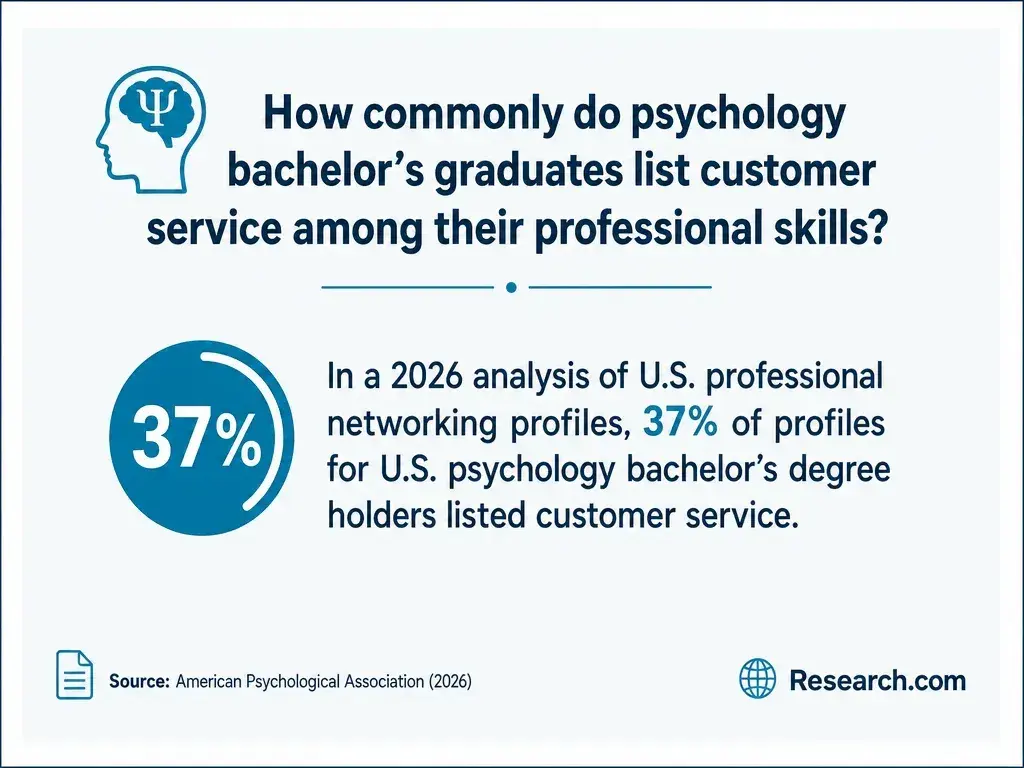
First-time applicants generally need evidence of secondary-school completion; transfer and returning students should expect the institution to review prior college transcripts. Schools set their own GPA, documentation, and admission policies. Admission to the university may also be distinct from entry into the major or an upper-level concentration.
If you already work in benefits, request a written degree audit before committing. It should show which previous credits are accepted, which satisfy general education or psychology requirements, and which major, residency, and prerequisite requirements remain. Prior work experience can strengthen an application, but it does not automatically earn academic credit. Ask the registrar or transfer-credit office to resolve equivalencies and the psychology department to confirm the course sequence.
Apply the same care to financing: admission does not establish aid eligibility or an award amount. If you are comparing grants for undergraduate addiction counseling study, distinguish that program's aid rules and credential objective from those of a psychology BA, and obtain an award estimate from your chosen school.
A bachelor's degree commonly totals about 120 credits, often planned as four years of full-time study from the beginning. For an employed specialist, the meaningful figure is the number of credits and required courses left after the school's evaluation. Part-time pacing, course availability, and a required capstone or approved project can extend completion.
For each school, multiply the remaining billable credits by its applicable per-credit tuition, then add mandatory fees, materials, technology, and any travel or placement expenses. Compare that total with employer tuition assistance and aid only after confirming their terms; reimbursement may require particular grades or continued employment. Lower-cost online psychology study pathways are worth examining, but a lower advertised rate may not produce a lower total if fewer of your credits meet degree requirements.
Before enrolling, ask for a term-by-term plan showing the courses you can realistically take while working and the total charges under that plan. If you already have a bachelor's degree, calculate the cost of a second BA separately from the cost of targeted courses or an employer-funded certificate.
Online delivery can eliminate a regular campus commute, but it does not guarantee self-paced study. Programs may require scheduled discussions, group work, proctored assessments, a live capstone meeting, or an approved local experience. Campus programs may offer easier access to faculty research and local partners, while an online program may fit an established work schedule better if its obligations are genuinely predictable.
Ask each school which activities are asynchronous, what hours any live meetings occur, whether courses run every term, and whether a work-based project can meet academic requirements. Compare the answers with peak benefits-enrollment periods at your job. If you are considering a future clinical route, online mental health counseling master's timelines involve different field-placement and supervision demands; the flexibility of an online BA should not be projected onto that later degree.
The BA may supply relevant education for an application to a particular addiction-support or counseling credential, but it does not automatically satisfy that credential's rules. State requirements can specify coursework, supervised hours, examinations, and permitted duties. Obtain the requirements from the responsible state board or certifying body, then ask it - not just the college - to confirm whether the proposed courses count.
Benefits administration credentials are a separate track, typically centered on plan operations and applicable rules rather than psychology. For someone remaining in benefits, that track may be more immediately useful. For someone intending to provide licensed treatment, compare the full qualifying graduate and supervised-practice route, including mental health counseling graduate study costs versus earnings. Neither an addictions concentration nor experience explaining benefits permits diagnosis or psychotherapy.
What salary and job outlook can psychology graduates expect in benefits and addiction services?
There is no dependable salary figure for "graduates of an online addictions psychology BA" as a group. For benefits roles, use the U.S. Bureau of Labor Statistics occupational profile for compensation, benefits, and job analysis specialists as a labor-market reference, then compare local postings for your specific duties and experience level. Occupation-wide pay includes people with different degrees, employers, and seniority; it is not a predicted raise from earning this BA.
Addiction-service jobs do not share one pay scale or entry requirement. In particular, BLS figures for substance abuse, behavioral disorder, and mental health counselors describe an occupation that commonly requires further education and, for many positions, licensure. They should not be used as the expected pay for a benefits specialist or a newly qualified BA graduate.
Evaluate the investment against the role you actually want: compare posted compensation and qualifications, the school's written remaining-cost estimate, and the work time needed to finish. If you are considering further psychology education for an analyst or research role, comparing prices for online psychology master's degrees is a separate decision—not a reason to assume a higher degree will automatically increase benefits pay. The strongest case for the BA is a clear need for its full curriculum and an affordable plan to complete it.
Other Things You Should Know About Psychology
Possibly. The school must approve the project and supervision, and your employer must authorize the work and any information used. A project can often be designed around public materials or an approved communications task instead of employee records.
Not necessarily. Ask the registrar whether it appears on the diploma, transcript, both, or neither, and confirm the exact requirements for earning it.
You can explain plan coverage and approved referral routes within your job duties. Avoid recommending a diagnosis or treatment; direct clinical questions to appropriately qualified professionals.
Request a written degree audit, a course schedule, an estimate of total charges based on your remaining credits, and written details of any live or in-person requirements. Those documents make the workload and cost comparison meaningful.
- Employer-offered educational assistance programs can help pay for college | Internal Revenue Service https://www.irs.gov/newsroom/employer-offered-educational-assistance-programs-can-help-pay-for-college
- Evidence-Based Practices Resource Center | samhsa.gov https://www.samhsa.gov/libraries/evidence-based-practices-resource-center
- .04-2 Supervised Professional Experience - Practice-Oriented Programs. | Library of Maryland Regulations https://regs.maryland.gov/us/md/exec/comar/10.36.01.04-2
- Workplace Supported Recovery from Substance Use Disorders | nih.gov https://pmc.ncbi.nlm.nih.gov/articles/PMC10193449/
- Cost of Attendance (Budget) | 2025-2026 Federal Student Aid Handbook https://fsapartners.ed.gov/knowledge-center/fsa-handbook/2025-2026/vol3/ch2-cost-attendance-budget
- Employee Assistance Programs | U.S. Office of Personnel Management https://www.opm.gov/policy-data-oversight/worklife/employee-wellness-programs/employee-assistance-programs/
- Credit for Prior Learning (CPL) | Gordon State College https://www.gordonstate.edu/admissions/types-of-students/non-traditional-students/prior-learning-assessment-pla/index.html
- Credit for Prior Learning | University of Arizona Catalog https://catalog.arizona.edu/policy/courses-credit/credit/credit-prior-learning
- Online Bachelor's Degree in Psychology in Addictions | Purdue Global https://www.purdueglobal.edu/degree-programs/psychology/bachelor-psychology-addictions/
- Applied Psychology: Addictions Studies, B.S. - CPS, CPSO | University of New Hampshire https://www.unh.edu/program/bachelor-science/applied-psychology-addictions-studies