
2027 Online BA in Psychology - Mental Health: Should You Finish Your Current Major Before Switching?
Audited and Verified:
Our Editorial and Data Verification Process
Research.com uses government datasets, official education statistics and primary institutional information to support its career and degree guides. Our review process checks factual accuracy, occupational definitions, source dates and the requirements associated with the credentials discussed.
How This Article Was Fact-Checked
Our editorial team verifies salary estimates, employment projections, education requirements and program information against original data providers and official organizations. Salary figures are checked against the relevant occupational definitions and reporting periods. Information about licensure, accreditation and required in-person training is reviewed separately.
Fact-checked and verified on:

Co-Founder and Chief Data Scientist
Switching majors late in college can turn a nearly finished bachelor's degree into a longer, more expensive project. For students drawn to mental health work, the decision is especially consequential: a psychology BA can build useful knowledge, but it does not qualify someone to provide therapy.
This guide is for current majors and returning students weighing an online psychology BA with a mental health focus. You'll learn when to finish your present degree, when switching is worth considering, and which written evaluations to obtain before giving up credits or delaying graduation.
Key Things You Should Know
- If your current bachelor's degree is close to completion, finishing it and adding targeted psychology coursework may be faster than switching—especially if your intended graduate program accepts non-psychology majors.
- Switch when an approved degree audit shows that psychology meaningfully advances your goal without substantial credit loss; many bachelor's degrees require around 120 semester credits, but accepted transfer credits may not satisfy major requirements.
- A mental health concentration is academic preparation, not a therapy license. Compare the full cost and time to your actual career credential, not just the time to a psychology BA.
What Is an Online BA in Psychology With a Mental Health Focus?
It is an undergraduate psychology degree whose courses can generally be completed online, with additional study of subjects such as psychopathology, mental health systems, prevention, or recovery. "Mental health focus" might mean a formally named concentration, a set of electives, or simply the way a school describes its program. Check the catalog to learn which it is and whether the focus appears on your transcript.
The BA typically develops broad knowledge of behavior and research rather than clinical treatment skills. Online delivery also describes coursework, not necessarily every obligation: a program may have scheduled meetings, group work, or an optional or required in-person experience. If your interest is specifically substance use counseling, compare the psychology curriculum with a purpose-built counseling degree and the rules for your state; comparing the financial value of addiction counseling bachelor's study can help frame that alternative.
Should You Finish Your Current Major Before Switching to Psychology?
Usually, finish your current major first if you are near graduation and your target job or next degree does not require a psychology bachelor's. Switch earlier when psychology is important to your goal and the receiving school confirms that you can complete it without an unacceptable delay or cost. If your present major is itself useful for mental health work—such as social work, education, public health, or data analysis—finishing it may preserve options that a second start would not.
The comparison below separates career value from credit efficiency. Neither the degree title nor the number of credits a school accepts tells you when you will graduate.
| Path | Most plausible fit | Main trade-off |
| Finish the current major; add psychology courses or relevant experience | Students close to graduation whose target jobs or graduate programs accept other majors | May require specific prerequisite courses later |
| Switch to an online psychology BA | Students earlier in their degree whose intended work benefits from substantial psychology and methods study | Major sequencing, residency rules, or lost requirement credit may delay completion |
| Finish now; consider graduate or professional study later | Students aiming for a credential that requires further education anyway | Must verify prerequisites and whether the later program actually leads to the intended credential |
Before deciding, request two term-by-term degree audits: one for finishing your current major and one for the proposed psychology BA. Give the transfer or registrar's office official transcripts, course descriptions or syllabi for disputed courses, and records of any associate degree, military learning, or other prior credit. Ask the psychology department which accepted credits satisfy the major, statistics, research methods, and prerequisites; ask an adviser to confirm course availability and the remaining residency requirement. Get any substitution or appeal decision in writing. A school's list of transfer-friendly psychology degree programs is a starting point, not a substitute for your individual audit.
Then compare the remaining tuition and fees, likely graduation term, and time until you can pursue your target role. If both paths reach the same next step, the shorter, less expensive path generally deserves preference. Reconsider if the psychology route provides essential prerequisites, meaningful research access, or a substantially better fit with work you have tested through volunteering or employment.
Can an Online Psychology BA Lead to Mental Health Careers?
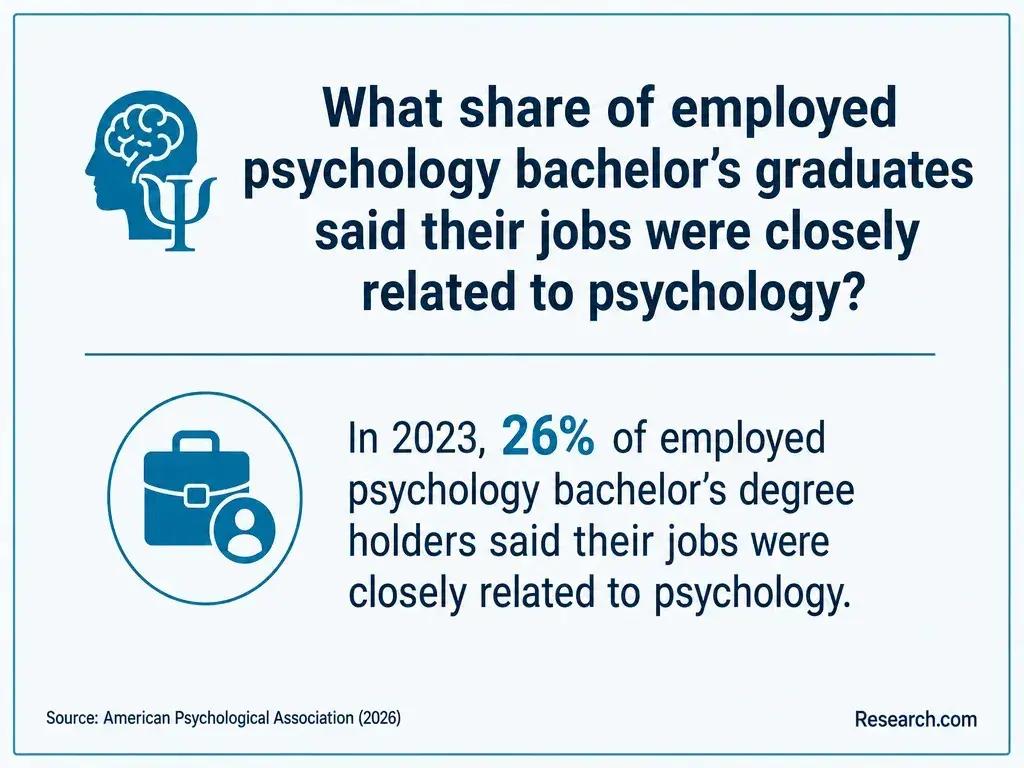
Yes, it may support applications for nonclinical mental health and human services positions, particularly when paired with relevant experience. Depending on the employer and state, work might involve coordinating services, documenting referrals, supporting outreach, or helping a research or program-evaluation team. Those responsibilities differ from diagnosing conditions or providing psychotherapy.
Start with the duties in actual local job postings, not the appeal of a degree title. A student already working in community services may gain more immediate value from supervised intake, accessible communication, data handling, or referral experience than from changing majors. For recovery settings, guides on addiction recovery job families programs illustrate why peer, support, coordination, and counseling roles should not be treated as interchangeable. Check any state credential and supervision requirements attached to the specific position.
Accreditation attaches to the institution or to particular programs—not to "online" as a delivery method. Verify the institution's recognized accreditation and its coverage of the school awarding the degree. The American Psychological Association does not accredit general psychology bachelor's programs, so an advertised "APA-accredited psychology BA" calls for closer scrutiny.
Institutional accreditation does not guarantee that another school will accept a course, apply it to a psychology requirement, or admit you to graduate study. The receiving institution makes those decisions. A course accepted as elective credit, for example, may leave statistics or research methods unfinished. This distinction also matters in specialized fields: forensic psychology degree accreditation comparisons should be read with attention to the degree level and the actual scope of each accreditor, not as evidence that a BA confers professional authority.
Expect a foundation in psychological science, developmental and social psychology, statistics, research methods, and writing. Mental health-related choices may examine psychopathology, health psychology, substance use, or community services. Catalogs differ, so identify which courses are required, which are available online during your expected enrollment terms, and whether a research project or applied experience is optional or compulsory.
For a student changing majors, course sequence matters more than an attractive elective list. If research methods require statistics and a capstone requires research methods, a missing prerequisite can extend the schedule even when most general education is complete. Students considering later graduate study should compare their planned courses with each prospective program's prerequisites; even forensic psychology graduate programs with shortened study plans may have preparation expectations that a concentration name alone does not satisfy.
Requirements vary by institution and by whether you apply as a first-year, transfer, or returning student. Schools commonly review prior transcripts and may have separate rules for admission to the psychology major. Admission to the university is therefore not the same as approval of your transfer plan or confirmation that you can graduate on your preferred schedule.
An unrelated current major does not automatically bar you from psychology study. Ask whether introductory psychology, a minimum grade in particular courses, or other conditions apply to the major, and whether prior statistics or methods work can meet them. If you are close to finishing another bachelor's, also check admission rules at the next degree you actually want: some accelerated online master's degrees in psychology consider applicants from other majors, subject to program-specific prerequisites. That possibility is not a reason to skip a written eligibility review.
There is no dependable completion-time or price estimate without your evaluated credits and the school's course schedule. A conventional bachelor's often centers on about 120 semester credits, but the number remaining for you depends on general education, the psychology major, electives, prerequisites, and credits that must be earned at the degree-granting institution. Part-time study and courses offered only in certain terms can lengthen the calendar even when few credits remain.
Compare the remaining cost of each path, not the advertised per-credit rate alone. Include mandatory fees, books or software, any travel or unpaid experience, and the effect of delayed graduation on earnings. Ask financial aid staff how switching affects satisfactory academic progress and aid eligibility; do not assume every newly required course will be funded. The considerations in financial aid planning for a substance use counseling bachelor's can prompt useful questions, but your own school must determine your award and eligibility.
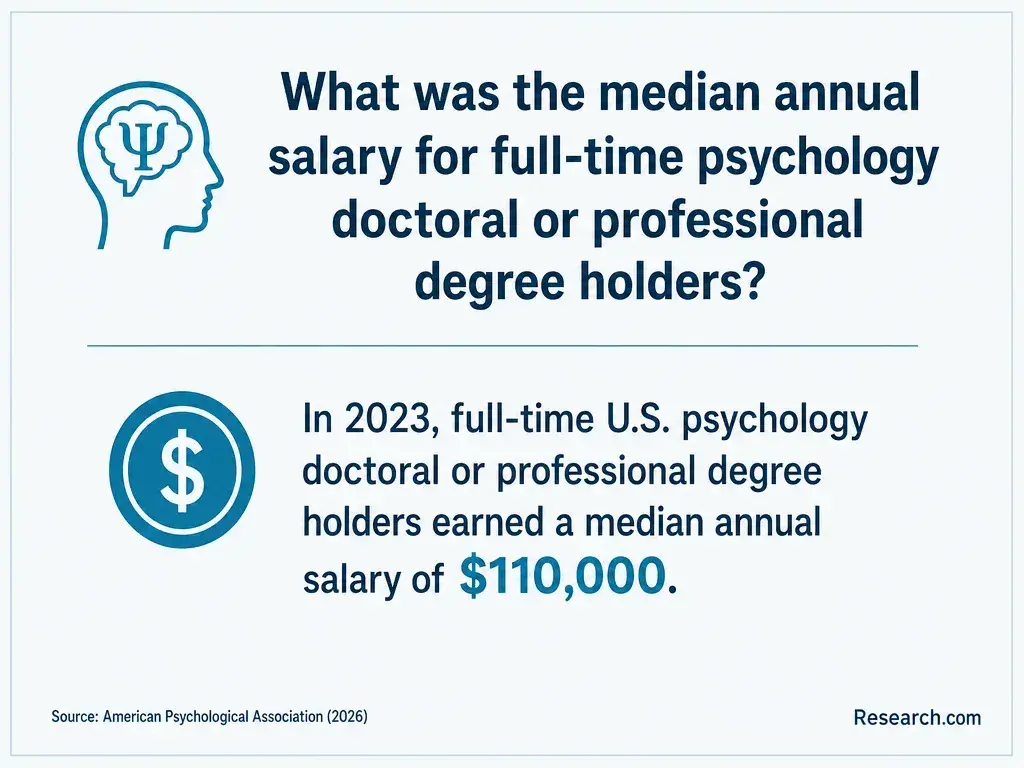
A psychology BA with mental health coursework does not, by itself, qualify you to practice as a licensed psychologist, counselor, or clinical social worker. Licensed psychologists generally need doctoral professional training and additional jurisdiction-specific requirements. Professional counseling and clinical social work follow their own qualifying graduate-degree, supervised-experience, and licensing pathways; a general psychology master's should not be assumed to satisfy them.
Not every mental health-related credential requires graduate psychology training. Requirements for addiction counseling and peer-support credentials vary by state and role. If therapy is your goal, compare qualifying programs against your state board's educational rules before switching undergraduate majors. Tuition-conscious mental health counseling degree choices are relevant only after you confirm that the particular program and its required clinical experiences fit the jurisdiction where you intend to seek licensure.
Possible bachelor's-level targets include human-services support, service coordination, outreach, and some research-support positions. Employers may require particular experience, training, background checks, or a different degree. Research assistants, for instance, may need demonstrated data and methods skills; client-facing support staff may need strong documentation, referral judgment, and clear professional boundaries.
There is no single salary for a psychology BA. Occupation-wide wage figures from the U.S. Bureau of Labor Statistics describe workers in defined occupations, not graduates of a particular major, and may combine people with different degrees and years of experience. For a useful estimate, compare the latest wage data for a named occupation with current local postings whose duties and qualifications match yours. If the jobs you want consistently require advanced research training, compare that requirement with the cost and curriculum of affordable MA and MS psychology programs online rather than assuming another undergraduate major will close the gap.
How Do You Choose a Reputable Online Psychology BA Program?
Choose the program that gives you a credible, workable route to your specific next step, not simply the one advertising the fastest transfer or the most mental health electives. Request the catalog and a written, personalized degree audit for your entry term. Confirm institutional accreditation, the exact degree and concentration designation, course rotation, faculty access, career support, and any required live meetings, campus visits, or approved placements.
Ask who approves transfer substitutions and how appeals work. If you need supervised experience, confirm who finds the site, who supervises it, and whether your existing job can be considered—never assume it qualifies automatically. Finally, compare the psychology BA's remaining time and cost with finishing your present major and pursuing the training your target role actually requires. If that role is licensed counseling, clinical counseling master's fees and graduation timelines belong in the full-path comparison, alongside verified licensure eligibility.
Other Things You Should Know About Psychology
It may be enough to explore the field or add relevant coursework while completing your current major. Check whether it includes any prerequisites needed for your next program; a minor's title alone establishes nothing about eligibility.
Some institutions allow it, but they may limit how prior credits apply or require substantial new coursework. Compare a second bachelor's with targeted prerequisites and your intended graduate pathway before committing.
Diploma wording is an institutional policy. Ask the registrar for the exact diploma and transcript language rather than assuming online and campus awards are displayed identically.
Try an appropriate volunteer, support, or research role and speak with people doing the work before changing majors. The experience can clarify whether you prefer client support, program operations, research, or a licensed profession.
- Staying Eligible | Federal Student Aid https://studentaid.gov/understand-aid/eligibility/staying-eligible
- Thinking Through Transfer: Examining How Community College Students Make Transfer Decisions - PMC https://pmc.ncbi.nlm.nih.gov/articles/PMC10857860/
- Requirements Related to the Practice of Counseling - NCBI https://www.ncbi.nlm.nih.gov/books/NBK259170/
- DAPIP | Homepage - Office of Postsecondary Education (OPE) https://ope.ed.gov/dapip/
- Transfer Credit Policy | Point University Catalog https://catalog.point.edu/policy/standinghonors/creditforpriorlearning
- Psychology careers guide | apa.org https://www.apa.org/education-career/guide/careers
- Careers in Psychology | Cal State LA https://www.calstatela.edu/nss/psychology/careers-psychology
- What Degree Do I Need to Become a Counselor or Therapist? | Palo Alto University https://paloaltou.edu/resources/blog/what-degree-do-i-need-become-counselor-or-therapist
- Can I Become a Counselor With a Bachelor's Degree? | George Fox University https://www.georgefox.edu/counseling-programs/articles/without-bachelors.html
- Financial Aid Satisfactory Academic Progress - Campus Offices https://campus.collegeforcreativestudies.edu/policy/satisfactory-academic-progress-requirements-undergraduate/


