2027 Most Affordable Master's Degree Programs for Corporate Professionals

Co-Founder and Chief Data Scientist
A master's degree can help you change specialties or compete for advancement, but the lowest advertised tuition may not produce the lowest final bill. The stakes are substantial. The U.S. Bureau of Labor Statistics (BLS) reported a 2024 median annual wage of $124,910 for information security analysts, though a degree alone does not qualify someone for that occupation or wage.
This guide compares ten master's degree fields for working corporate professionals and shows how to assess total cost, scheduling, credentials, and career fit before enrolling.
Key Things You Should Know
- Compare total program cost, which is the required credits multiplied by applicable tuition, plus mandatory fees and required travel, and not tuition per credit alone.
- Choose the credential for the work you want: an MBA supports broad business leadership, while an MS in analytics, computing, or cybersecurity offers deeper specialization.
- A high-paying occupation is not a guaranteed graduate outcome. BLS reports a 2024 median wage of $117,960 for medical and health services managers, a role that also typically requires relevant experience.
Top 10 Most Affordable Master's Degree Programs for Corporate Professionals
Business / MBA Programs
A Master of Business Administration (MBA) suits professionals moving across functions or toward general management; a specialized MS in finance, accounting, or management may fit a narrower goal. Compare the entire curriculum and price: prerequisite business courses, program fees, travel for residencies, and required credits can outweigh a low tuition rate.
An MBA is usually a professional degree, not a substitute for management experience. If your employer values one specific skill, a focused graduate certificate may cost less.
Healthcare Administration & Management Programs
A Master of Healthcare Administration (MHA), healthcare-focused MBA, or MS in healthcare management can prepare experienced staff for operations, finance, or quality roles. Compare healthcare-specific courses, internships, and whether required experiences fit your work schedule.
The least expensive general MBA may offer less preparation for healthcare regulation and delivery. These degrees do not confer a clinical license, and management positions commonly require relevant experience.
Information Technology Programs
An MS in information technology often emphasizes enterprise systems, cloud operations, and technology management rather than advanced computer science theory. It may suit professionals coordinating business and technical teams.
Check whether applicants without a computing bachelor's degree need foundation courses: those additional credits can change the cost comparison. For a specific vendor platform or near-term promotion, employer-funded certification training may be a cheaper first step.
Computer Science Programs
An MS in computer science offers deeper study of software, algorithms, or systems and may include a thesis or research option. It fits technical professionals seeking advanced engineering work or possible doctoral preparation.
Career changers should price required programming and mathematics prerequisites separately. A low-cost program with substantial bridge coursework may cost more, and take longer, than a higher-priced program that accepts your existing preparation.
Cybersecurity Programs
An MS in cybersecurity may cover security engineering, governance, incident response, or risk. Choose the concentration that matches your target role: a technical security job and a corporate compliance role demand different preparation. Compare laboratory access, prerequisite computing courses, and any certification-related expenses.
Some positions require prior IT experience or employer-specific credentials; the degree does not replace them. An established IT professional may find a targeted certificate more economical.
Data Science / Analytics Programs
An MS in data science typically requires more statistics and programming than a business analytics degree, which may focus on organizational decisions and reporting. Compare mathematics prerequisites, software costs, and the quality of applied projects before choosing the cheaper option.
Corporate professionals already using analytics may gain more from a focused specialization; those changing into technical modeling roles should look for rigorous programming and statistical coursework.
Education / Educational Leadership Programs
A Master of Education (MEd) in instructional design or learning technology can serve corporate training professionals; an educational leadership degree is often aimed at school administration instead. Check the intended setting before paying for coursework that does not match your job.
School-leadership tracks may carry licensure, experience, or internship requirements that add cost and may not apply to corporate roles. A workplace-learning concentration is usually the more direct comparison for business professionals.
Counseling / Psychology Programs
An MA or MS in organizational psychology may support talent development and employee research without preparing graduates for clinical practice. Counseling master's programs serve a different purpose: licensure-oriented tracks generally require supervised fieldwork and must meet state-specific rules.
Those placements can limit paid-work hours and raise the effective cost. If your goal is corporate people operations, compare organizational programs first; do not assume a general psychology degree qualifies you to counsel clients.
Nursing Programs
A Master of Science in Nursing (MSN) is principally for eligible licensed nurses, not a general entry point for corporate professionals. Nursing leadership or informatics tracks may suit nurses working in health systems or healthcare companies; advanced clinical tracks have different prerequisites and supervised-practice requirements.
Include placement, travel, and any lost work hours in the cost calculation. Confirm that the track meets applicable certification or state requirements before selecting it on price.
Engineering Management Programs
An MS in engineering management combines technical-project, operations, and leadership study for professionals with relevant engineering or technical preparation. Compare mathematics prerequisites and whether the curriculum develops the skills your employer expects of project or team leads.
A specialized degree may be more useful than an MBA for technical operations, but it does not replace engineering experience or any professional engineering license required for a particular role.
What Are the Most Affordable Master's Degrees for Corporate Professionals?
There is no universally cheapest master's degree field. Affordability depends on the specific program's required credits, your tuition category, fees, and any prerequisites or in-person requirements.
For corporate professionals, business, information technology, and analytics programs are useful starting points because their coursework can connect directly to existing jobs, but a local or employer-supported option in another field could cost less.
This comparison identifies the main cost risk and career fit for the ten fields above. Use it to narrow your search, then compare actual program quotes rather than assuming one field has consistently lower tuition.
| Degree path | Best fit | Cost factor to investigate |
| MBA or specialized business MS | Cross-functional advancement or a defined business specialty | Program fees, residencies, and foundation courses |
| MHA or healthcare management MS | Healthcare operations and administration | Internship requirements and healthcare-specific fees |
| IT, computer science, or cybersecurity MS | Technical specialization or technology leadership | Bridge courses, labs, and software |
| Data science or analytics MS | Technical modeling or business decision support | Statistics prerequisites and required project tools |
| MEd, organizational psychology, or counseling master's | Workplace learning, people research, or clinical practice | Whether licensure-focused fieldwork applies |
| MSN or engineering management MS | Advancement from eligible nursing or technical backgrounds | Clinical placements or technical prerequisites |
Start with programs that recognize your existing preparation and meet your career goal. A cheaper degree that requires unrelated coursework, or cannot support a required license, may be poor value.
How Much Do Affordable Master's Degree Programs Cost?
Affordable master's degree programs do not share a standard price. The meaningful figure is your estimated total cost to finish, not the advertised per-credit rate.
Multiply the graduate credits you still need by the tuition you will actually pay, then add mandatory and program fees, required materials, and any travel or placement expenses. Public in-state, public out-of-state, and private tuition can differ, as can online pricing.
Sticker price is the published charge; your net out-of-pocket cost depends on scholarships, employer assistance, and other eligible aid. Employer reimbursement may require particular grades, job relevance, or continued employment. Federal graduate aid depends on the student's and program's eligibility, and borrowing must be repaid under the applicable loan terms.
For a fair comparison, request an itemized estimate from each school and a written evaluation of any previous graduate-level coursework. Accepted credits save money only if they fulfill requirements in your intended degree.
Some competency based programs use a different pacing or tuition model; compare their full completion cost and term rules against conventional programs rather than assuming faster progress.
Are Online Master's Degrees More Affordable Than Campus Programs?
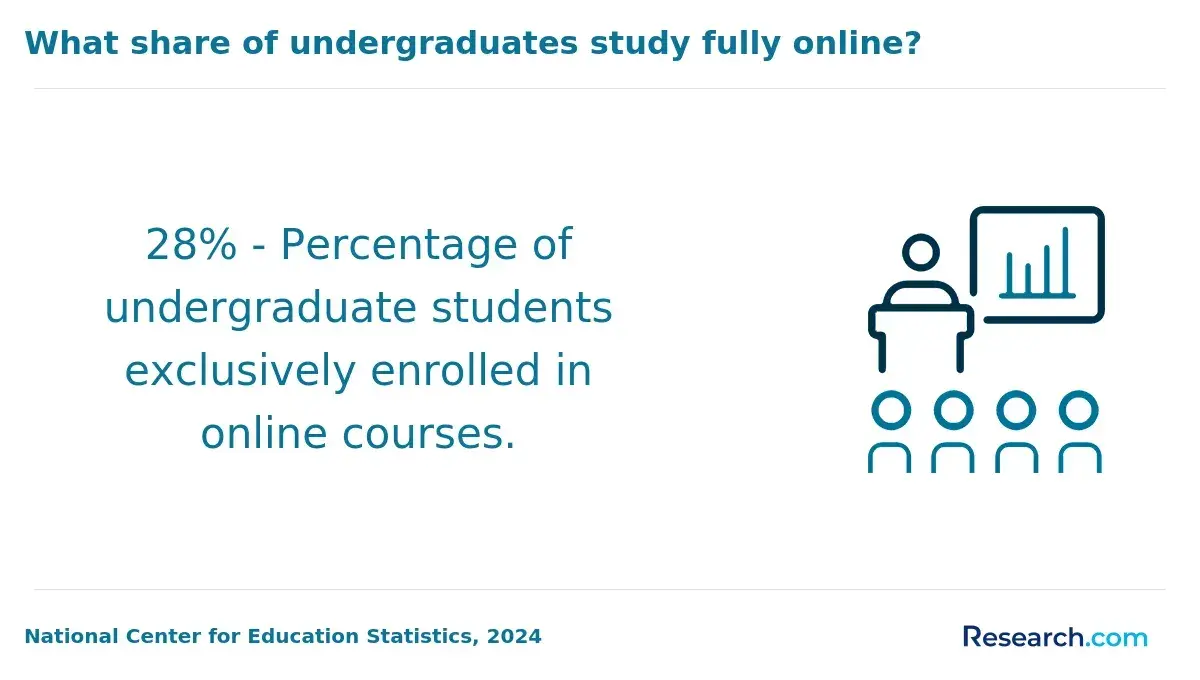
Online master's degrees can cost less by reducing commuting or relocation expenses, but online tuition is not necessarily lower. Technology fees, the number of required credits, and different residency rates can erase those savings. A campus program with in-state tuition, an assistantship, or employer support may be the less expensive choice.
Online also does not automatically mean self-paced. Ask whether classes meet live, whether deadlines are fixed, and whether the program requires campus visits, labs, internships, or clinical placements. When comparing online colleges, confirm the accreditation and delivery requirements of the specific graduate program, not just the institution's general online offerings.
Which Master's Degrees Best Advance Corporate Careers?
The best degree advances a defined next step. An MBA may help an experienced employee broaden business responsibilities; an MS in computer science, cybersecurity, or analytics can deepen technical expertise.
An MHA or healthcare-focused credential may better match healthcare operations. Engineering management can bridge technical and organizational work. None independently awards a promotion or senior title.
Before enrolling, compare job descriptions at your current employer and several target employers. Note whether they request a master's degree, a specific skill, a license, or experience. If the gap is a single skill and employers do not require a degree, a certificate or work project may be a lower-cost test of the field. If a regulated role is the goal, prioritize an eligible licensure pathway over a cheap but unrelated credential.
What Do Affordable Master's Degree Programs Teach?
Most professional master's programs combine core courses, electives or a concentration, and an applied final requirement such as a capstone. Business degrees may emphasize finance, strategy, and operations; technical degrees may add programming, statistics, or laboratories.
Research-oriented options can require a thesis instead. Clinical and school-focused pathways may include supervised practice or internships.
Course titles alone do not show what you will be able to do. Review the catalog for prerequisite and foundation courses, the frequency of required classes, and the actual capstone or placement requirements.
Ask to see how projects connect to your target occupation. Required extras matter twice: they shape the degree's value and can increase its total cost.
What Are the Admission Requirements for Affordable Master's Programs?
Master's applicants normally need an earned bachelor's degree. Programs may also require transcripts, recommendations, a statement of purpose, relevant coursework, a minimum GPA, or professional experience. GRE or GMAT policies vary by program; an institution's general graduate policy may differ from a particular department's rules.
Preparation can be the largest hidden admissions expense. Computer science and data science may expect mathematics or programming; an MSN generally requires nursing credentials; licensure-oriented counseling programs may have separate selection requirements.
Ask admissions to identify every course you must complete before or in addition to degree credits, its price, and whether conditional admission is possible. Do not assume bachelor's-level prerequisites count toward the master's degree.
How Long Do Affordable Master's Degree Programs Take?
Completion time varies with required graduate credits, course sequencing, enrollment load, prerequisites, and culminating work. Full-time study may shorten the calendar, while part-time enrollment can protect income and make employer reimbursement easier to use. Internships, clinical placements, or a thesis may extend either schedule.
Advertised 1 year online masters programs deserve a closer look: determine the required course load, whether courses are available when needed, and whether the timeline assumes prior eligible graduate credit or specific undergraduate preparation. A short course term is not the length of the full degree. Request a personalized term-by-term plan before treating a fast completion claim as a cost saving.
What Careers and Salaries Follow Corporate Master's Degrees?
Corporate master's degrees can be relevant to management, information security, analytics, training, healthcare administration, and technical operations. But occupational wages describe everyone in an occupation, not the earnings caused by a master's degree.
BLS reported a 2024 median annual wage of $124,910 for information security analysts. Employers may hire for such roles based on technical ability and experience without requiring graduate education.
Evaluate the incremental value of a master's against your existing qualifications. Someone already progressing in a well-paid bachelor's-level role may gain less from an expensive general degree than a career changer gains from a well-matched specialized program.
Comparing your options with the highest paying bachelor degrees can help frame that baseline, but neither occupational salary data nor degree choice predicts your individual pay. Consider likely job requirements, employer support, debt, and time away from work together.
How Can You Verify a Master's Program's Accreditation and Quality?
Verify institutional accreditation through the school's published information and the U.S. Department of Education's accreditation database. Then check whether a specialized accreditor or state approval matters for your goal.
This is especially important for counseling, nursing, educator licensure, and other regulated pathways: institutional accreditation alone does not establish that a particular program satisfies a state's professional requirements.
Before paying a deposit, use this short verification sequence to catch costly mismatches:
- Ask the program for its current catalog, itemized tuition and mandatory fees, required credits, and written delivery and placement requirements.
- Confirm institutional accreditation and any relevant program approval directly with the accreditor, state board, or licensing authority.
- Get a written assessment of prerequisites and eligible graduate transfer credits, including which degree requirements the credits fulfill.
- Compare the resulting total cost and feasible study schedule with the qualifications in your target job postings.
Red flags include an unexplained "fully online" claim alongside required travel, an unusually low tuition quote that omits fees, or a promise that the degree itself guarantees licensure, promotion, or a particular salary.
Other Things You Should Know About Master's Degrees
No field is cheapest at every school. Compare itemized total costs for programs that meet your career goal, accounting for required credits, fees, prerequisites, and employer assistance.
An MBA may suit broad management goals; an MS may provide a better-priced route to a specific technical or business skill. Check what target employers value before choosing.
Often, but confirm the actual course load, live-session schedule, and any internship or clinical hours. Part-time study can be manageable even when it extends completion time.
Eligible previous graduate coursework might, if the school accepts it and applies it to your degree. Undergraduate courses normally establish preparation rather than replace graduate degree credits.
References
- Types of Financial Aid: Grants, Work-Study, and Loans | studentaid.gov https://studentaid.gov/understand-aid/types
- An Overview of Accreditation of Higher Education in the United States | Congress.gov | Library of Congress https://www.congress.gov/crs-product/R43826
- Cost of Attendance (Budget) | 2025-2026 Federal Student Aid Handbook https://fsapartners.ed.gov/knowledge-center/fsa-handbook/2025-2026/vol3/ch2-cost-attendance-budget
- Semester Course Load and Student Performance - PMC - NIH https://pmc.ncbi.nlm.nih.gov/articles/PMC7568764/
- Accreditation in the U.S. | ed.gov https://www.ed.gov/laws-and-policy/higher-education-laws-and-policy/college-accreditation/accreditation-in-the-us
- MBA Application Requirements: How to Apply - Wharton MBA https://mba.wharton.upenn.edu/application-guide/
- Regional vs. National Accreditation: Which is Better? | Drexel University Online https://www.online.drexel.edu/news/national-vs-regional-accreditation.aspx
- Online Learning Programs | wichita.edu https://www.wichita.edu/academics/oal/online_programs/index.php
- MBA Requirements: What You Need to Apply in 2026 | SCU https://www.scu.edu/business/blog/admissions/mba-requirements/