2027 Most Affordable Master's Degrees for Students Over 50

Co-Founder and Chief Data Scientist
A master's degree can support a career change or advancement after 50, but the lowest tuition is not necessarily the lowest-cost path. Required credits, fees, prerequisites, and time away from work can change the calculation. Demand also varies: the U.S. Bureau of Labor Statistics (BLS) projects data scientist employment to grow 34% from 2024 to 2034, though that occupation does not always require a master's degree. This guide compares degree fields by likely cost drivers and career fit, then shows you what to verify before committing your time and money.
Key Things You Should Know
- No master's field is automatically the cheapest: compare required credits, graduate tuition, mandatory fees, prerequisites, and in-person costs before choosing.
- Business, IT, and education degrees may offer lower-cost routes for students whose existing experience fits the curriculum; clinical and licensure-oriented programs can require additional placements or supervised work.
- Career demand is not a salary promise: BLS projects 34% growth for data scientists from 2024 to 2034, but a master's degree alone does not secure that job.
Top 10 Most Affordable Master's Degrees for Students Over 50 - Affordable Degrees
Business / MBA Programs
A Master of Business Administration (MBA) is a practice-oriented option for people who can build on management or industry experience. A general MBA may cost less overall than a specialized program if it requires fewer credits or prerequisites, but compare program fees and any residencies. An MBA can support a move into broader responsibilities; it does not substitute for a record of leading people or projects. If you need one skill rather than a full credential, compare a graduate certificate or employer-funded training first.
Healthcare Administration & Management Programs
A Master of Healthcare Administration (MHA), healthcare-focused MBA, or related MS can suit experienced healthcare staff seeking administrative work. Compare required credits, fieldwork, and fees; a general management degree may be less expensive but less focused on healthcare operations. Healthcare employers may value clinical knowledge and supervisory experience alongside the degree. These programs do not confer a clinical license, so choose one for the work you intend to do rather than for a job title alone.
Information Technology Programs
An MS in information technology often emphasizes systems, infrastructure, and organizational technology decisions. It may be a practical choice for someone with relevant work experience who wants to deepen or update existing skills. Compare prerequisite courses carefully: a seemingly inexpensive program can become costly if you first need substantial technical preparation. Some employers may value targeted certifications or demonstrated projects more than another degree, making those useful alternatives to price.
Computer Science Programs
An MS in computer science can support advanced technical study or a career change, but affordability depends heavily on your starting point. Students without a computing background may need foundation courses that add time and cost. Research-oriented tracks may require a thesis; professional tracks may use projects or a capstone. Compare both with less expensive coursework or a certificate if your goal is a specific programming skill. The degree alone does not qualify someone for an experienced software role.
Cybersecurity Programs
A cybersecurity MS typically covers security architecture, risk, and technical or policy analysis. For experienced IT workers, it may build on skills already used at work; for newcomers, prerequisites and entry-level experience can be more important than the graduate credential. Compare lab access, certification alignment, and total fees, not just tuition. Security roles vary widely, and employers may require hands-on experience, clearances, or certifications that a master's degree does not provide.
Data Science / Analytics Programs
An MS in data science or analytics can be valuable when it adds statistics, programming, and applied projects to your existing expertise. Check mathematics and coding prerequisites before judging the price: bridge courses can materially increase total cost. Analytics programs may emphasize business decisions, while data science programs may require deeper technical preparation. If you mainly need to analyze data in your current role, a focused certificate or employer-supported coursework may offer a less expensive first step.
Education / Educational Leadership Programs
A Master of Education (MEd) or educational leadership degree may fit licensed educators seeking a defined advancement path. District tuition assistance can change the net cost, but check whether your employer recognizes the specific credential for its pay schedule or role. Leadership tracks may require school-based experience or fieldwork. State rules vary: earning the degree does not automatically grant a teaching credential, principal license, or salary increase.
Counseling / Psychology Programs
An MA or MS in counseling can prepare students for a licensure pathway, making accreditation, state eligibility, supervised placements, and examination requirements central to the cost decision. An MA or MS in psychology serves different purposes and may not qualify graduates for counseling licensure. Practicums and internships can limit paid-work hours even when classes are online. Verify the requirements in the state where you plan to practice before treating any low-tuition option as affordable.
Nursing Programs
A Master of Science in Nursing (MSN) generally requires an active nursing background and may support education, leadership, or an advanced-practice pathway. Clinical placements, specialty fees, and reduced work hours can outweigh a low advertised tuition rate. Advanced-practice eligibility depends on the program, certification, and state licensure requirements; an MSN alone is not a license. Registered nurses should compare employer assistance and confirm that a chosen concentration matches their intended role.
Engineering Management Programs
An MS in engineering management combines technical work with project, operations, or organizational decision-making. It may suit experienced engineers who want formal management preparation without changing professions. Compare admissions prerequisites, required credits, and whether the curriculum teaches skills your employer will use. A lower-cost MBA may provide broader business training, while a technical certificate may be sufficient for a narrower goal. Neither credential automatically leads to a management position.
What Are the Most Affordable Master's Degrees for Students Over 50?
The most affordable master's degree is the accredited, career-relevant option with the lowest realistic completion cost for your circumstances - not a particular field. For a student over 50, that often means building on existing qualifications instead of paying for extensive prerequisites. An employer-supported MEd, a general MBA aligned with years of work experience, or an IT degree requiring no bridge courses could each be the least expensive choice for a different person.
The comparison below identifies where costs commonly change. It does not rank fields by a national price: schools set tuition, credit requirements, and fees at the program level.
| Degree family | Cost consideration | Potentially good fit |
| MBA, IT, analytics, or engineering management | Prerequisites, program fees, and the number of required credits | Experienced professionals adding skills to an established career |
| MEd or educational leadership | Employer assistance, fieldwork, and credential recognition | Educators with a specific district or state-approved goal |
| Counseling or nursing | Clinical or practicum hours, placement travel, and possible lost work time | Applicants who need the particular pathway for a regulated role |
Start with institutions' graduate tuition schedules and the exact degree requirements. A list of schools with the cheapest tuition online college options can suggest places to investigate, but undergraduate prices or institution-wide averages cannot establish a master's program's total cost.
How Much Do Affordable Master's Degrees Cost?
There is no single price for an affordable master's degree. Total cost depends on the graduate rate charged to you, credits needed, required fees, and expenses tied to delivery and completion. Sticker tuition is not the same as net cost after eligible assistance, and neither necessarily includes income lost to required placements or a reduced work schedule.
These cost categories belong in a written, program-specific estimate. They matter most when comparing options with different credit requirements or delivery formats.
| Cost category | What to confirm |
| Tuition | Your graduate rate, residency classification, and any program-specific rate |
| Mandatory charges | Technology, course, laboratory, and other required fees |
| Completion expenses | Books, software, travel, campus visits, and placement-related costs |
| Additional coursework | Prerequisites or foundation courses not included in the advertised degree |
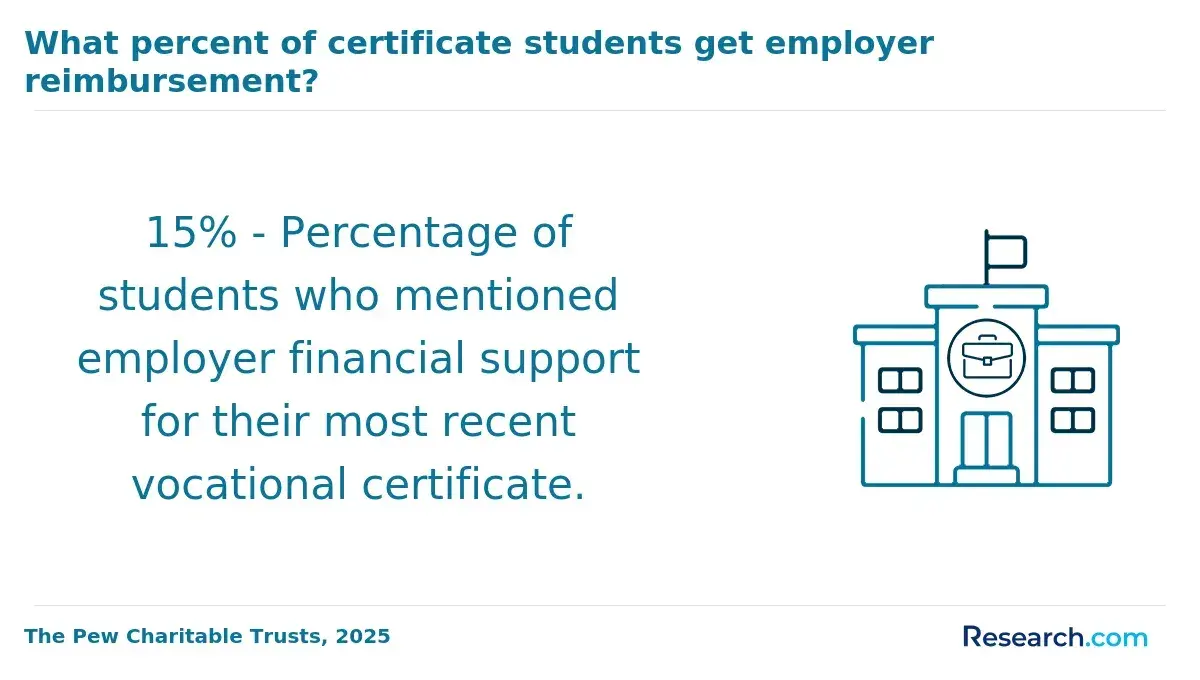
Ask whether the program qualifies for federal financial aid, then compare grants, scholarships, assistantships, employer tuition benefits, and any borrowing you would need. Resources on online colleges with financial aid can help frame that search, but confirm graduate-program eligibility and your own aid offer directly. Borrowing later in a career deserves particular care because your planned repayment period may be shorter.
Are Online Master's Degrees Affordable for Older Students?
Online study can reduce commuting or relocation costs, but it is not automatically cheaper or more flexible. An online master's may charge the same graduate tuition as a campus program, add technology fees, or require scheduled classes. Counseling, nursing, and some education programs can also require local placements or campus visits.
Ask whether courses are asynchronous, when assignments are due, and how often each required course runs. If independent scheduling is essential, explore best online self paced colleges as a starting point for questions - not proof that a particular master's degree is self-paced. Compare online, hybrid, and campus options by total cost and workable weekly commitments.
Which Master's Degrees Offer the Best Career Opportunities After 50?
The strongest opportunity is usually the one that connects your existing experience to a specific next role. Healthcare administration may suit someone already working in healthcare; an MBA may strengthen an established management trajectory. Data science and cybersecurity have growing occupational demand, but entering either field can require substantial technical preparation and experience beyond a degree.
First identify the jobs you would actually apply for and check their requirements. If the goal is a shorter, less expensive career reset rather than graduate-level specialization, it may be worth comparing best associates degrees to get or industry credentials instead. An associate degree is an alternative educational path, not a substitute for the bachelor's degree normally required for master's admission.
What Accreditation Should Affordable Master's Programs Have?
Choose a university with recognized institutional accreditation, then check whether your intended occupation requires or favors programmatic accreditation. This distinction is especially important in counseling, nursing, and educator preparation. Accreditation alone does not establish that a program meets every state's licensing requirements.
Before enrolling, verify the institution and program through the accreditor or the U.S. Department of Education's accreditation records. For a licensed occupation, also ask the relevant state board whether the exact program and delivery arrangement satisfy its educational requirements. Avoid a low-priced program whose accreditation or licensure disclosures are unclear.
What Are the Admission Requirements for Older Graduate Students?
Master's admission normally requires a completed bachelor's degree. Programs may also review GPA, transcripts, recommendations, a statement of purpose, and relevant experience; some require prerequisites, an interview, a portfolio, or GRE or GMAT scores. Requirements belong to the graduate program, not necessarily the university's undergraduate admissions policy.
Returning students should ask whether older prerequisite coursework remains acceptable and whether conditional admission is available if they need academic preparation. Professional experience can strengthen an application, but it does not automatically award graduate credit. If you have previous graduate coursework or a graduate certificate, request an evaluation of whether those credits apply to this degree before assuming they will lower your bill.
How Long Do Affordable Master's Programs Take to Complete?
Completion time varies with required graduate credits, course sequencing, enrollment pace, and culminating work such as a capstone, thesis, internship, or clinical placement. A part-time route may preserve income while extending the period you pay fees; a full-time route may finish sooner but make paid work harder to sustain.
Ask for a term-by-term plan based on your prerequisites, schedule, and accepted graduate transfer credits. If a school advertises an accelerated path, confirm what prior preparation or course load that timeline assumes. Short classes do not, by themselves, make the entire degree quick to complete.
What Salaries and Job Outlooks Follow Affordable Master's Degrees?
Occupational wages and growth can help you assess a career goal, but they are not earnings forecasts for master's graduates. BLS figures describe workers across experience and education levels; some people in these occupations enter without a master's degree.
The BLS figures below provide context for three relevant occupations. Compare them with the qualifications of roles in your local market before deciding what a degree is worth to you.
| Occupation | U.S. median annual wage, May 2024 | Career-fit caution |
| Medical and health services managers | $117,960 | Management roles commonly require relevant healthcare experience. |
| Information security analysts | $124,910 | Technical experience or certifications may matter alongside a degree. |
| Data scientists | $112,590 | Some roles require substantial quantitative and programming preparation. |
For outlook, BLS projects data scientist employment growth of 34% from 2024 to 2034. That signals demand for the occupation, not guaranteed entry or a return on tuition. Judge potential value against your current earnings, the program's net cost, and the experience employers seek.
How Can Students Over 50 Choose a Reputable Master's Program?
A reputable program should make its academic requirements, graduate price, accreditation, and career relevance possible to verify. Start with the job or credential you want; then compare programs on the cost of meeting all requirements, not on a ranking or advertised tuition alone.
Use these questions when speaking with admissions staff and the academic department. Request written answers where a policy could materially change your cost or eligibility.
- What is my estimated total tuition and required fees, including prerequisites, at my expected enrollment pace?
- Which previous graduate credits, if any, will apply to degree requirements, and when can I receive an evaluation?
- What scheduled classes, campus visits, placements, or capstones are required, and who arranges them?
- Does the exact program meet the educational requirements for my intended license or credential in my state?
- What assistance is available to graduate students, and what would I still need to pay or borrow?
Be wary of unclear fees, unsupported promises of promotion, or claims that "online" means no in-person obligations. If a less expensive certificate, employer training, or your existing experience can meet the same goal, a master's may not be the best purchase.
Other Things You Should Know About
Generally, no. Admission depends on the program's academic and other requirements, not whether you are over 50.
Age alone does not rule out federal student aid. Eligibility depends on the student, institution, program, and applicable aid rules; also ask about employer benefits and graduate scholarships.
It can be if it supports a specific goal and its total cost fits the years you expect to use it. Compare it with a certificate or shorter training before borrowing.
Not automatically. Ask whether the institution awards graduate-level credit for a published prior-learning pathway and whether any awarded credit would apply to your chosen degree.
References
- Finding and Applying for Scholarships | studentaid.gov https://studentaid.gov/understand-aid/types/scholarships
- Annual Earnings by Educational Attainment - COE https://nces.ed.gov/programs/coe/indicator/cba/annual-earnings
- Adult Students | Federal Student Aid - Financial Aid Toolkit https://financialaidtoolkit.ed.gov/tk/outreach/target/adults.jsp
- Research Summary: Education and Lifetime Earnings | ssa.gov https://www.ssa.gov/policy/docs/research-summaries/education-earnings.html
- Graduate Credit Transfer Policy - Campus Offices https://campus.collegeforcreativestudies.edu/policy/transfer-credits-graduate/
- Why Accreditation Matters When Choosing a Graduate Program | ollusa.edu https://www.ollusa.edu/blog/why-accreditation-matters-when-choosing-a-graduate-program.html
- How Do Transfer Credits Work? A Guide for Adult Learners | Whitworth Online https://online.whitworth.edu/news-articles/how-do-transfer-credits-work-when-you-go-back-to-school/
- Midland University Catalog https://undergrad.catalog.midlandu.edu/academicpolicies/cpl
- Average Cost of a Master's Degree: 2025 Analysis | Education Data Initiative https://educationdata.org/average-cost-of-a-masters-degree
- Aid for Non-Traditional Students - Finaid https://finaid.org/otheraid/nontraditional/