2027 Best Professional Masters Degrees With Year-Round Enrollment

Co-Founder and Chief Data Scientist
Waiting for a fall deadline can delay a career move, but a program that starts frequently is not necessarily the right one. This guide compares practice-oriented master's degree fields for people who want to begin throughout the year and explains how to check whether a specific program actually permits it. The U.S. Bureau of Labor Statistics (BLS) projects 34% employment growth for data scientists from 2024 to 2034. That demand makes graduate study worth considering, but your decision should also account for prerequisites, total cost, scheduling, and whether the degree advances your particular goal.
Key Things You Should Know
- Year-round enrollment is a program-level policy, not a feature of an entire degree field. Confirm application deadlines, decision timing, and the next available start date separately.
- The best fit depends on your starting point: an MBA may build on management experience, while counseling and nursing pathways often have specific prior-education and placement requirements.
- BLS reports a May 2024 median annual wage of $124,910 for information security analysts, but that occupational figure is not a promised salary for cybersecurity master's graduates.
Top 10 Best Professional Masters Degrees With Year-Round Enrollment
Business / MBA Programs
A Master of Business Administration (MBA) is a broad option for professionals seeking management, finance, or operations skills; a specialized MS may be better for a specific function. Some MBA programs offer multiple starts, but cohorts, concentrations, and required courses may begin less often. Compare the next start for your chosen track, not just the school's general admissions calendar. An MBA can support advancement, but management jobs usually also require substantial experience.
Healthcare Administration & Management Programs
A Master of Healthcare Administration (MHA), healthcare-focused MBA, or related MS can suit clinicians or administrators moving toward operations and leadership. Look for coursework in finance, quality, policy, and healthcare systems. An online start may be available while an internship or capstone follows a fixed schedule. Compare the degree with your employer's experience requirements; an MHA alone does not qualify someone to run a healthcare organization.
Information Technology Programs
An MS in information technology typically emphasizes enterprise systems, cloud infrastructure, projects, and applied problem-solving. It may fit experienced technology workers or career changers with suitable foundations. Multiple starts are useful only if introductory and advanced courses are offered in the sequence you need. Check whether the program requires programming or networking prerequisites, and compare its curriculum with a narrower computer science or cybersecurity degree.
Computer Science Programs
An MS in computer science can deepen software, algorithms, and systems expertise. Some programs welcome career changers through foundation courses; others require substantial undergraduate computing preparation. Frequent admission does not eliminate prerequisite or course-sequencing delays. Choose a practice-oriented track for applied development or a research track if a thesis or doctoral preparation matters. A graduate degree is not required for every software job, so weigh it against experience and a strong project portfolio.
Cybersecurity Programs
A cybersecurity MS may cover security engineering, risk, governance, and incident response. It can serve technical specialists and professionals moving into security management, but those goals call for different curricula. Ask whether labs, team exercises, or a capstone run every term before assuming a flexible start means flexible completion. Employers may also value relevant experience and certifications; the master's degree does not replace them.
Data Science / Analytics Programs
An MS in data science usually combines statistics, computing, and applied modeling; business analytics programs may emphasize organizational decisions. Compare prerequisites in calculus, statistics, and programming before choosing a start date. A bridge course can make admission possible but add time and expense. Given rapid changes in AI tools, favor programs that teach model evaluation, data governance, and communication - not only a particular software package.
Education / Educational Leadership Programs
A Master of Education (MEd) or educational leadership degree may support curriculum work or school administration. Programs designed for licensed teachers can have different entry requirements from those open to other professionals. Even when classes start throughout the year, fieldwork and school-based projects may depend on the academic calendar. If your goal is a principal credential or teaching license, verify your state's requirements and the program's approved pathway first.
Counseling / Psychology Programs
A practice-oriented counseling master's can be a path toward certain state counseling licenses; a general psychology MA or MS is not necessarily interchangeable. Check program accreditation where relevant, state coursework rules, supervised clinical placements, and when those placements begin. A rolling application process cannot guarantee an immediate practicum slot. Prospective psychologists should also check their intended state and role, since independent psychologist licensure generally requires doctoral-level preparation.
Nursing Programs
A Master of Science in Nursing (MSN) may prepare registered nurses for advanced practice, education, informatics, or leadership. Entry routes vary: some require a BSN and an active RN license, while bridge pathways have separate requirements. Clinical placements, preceptors, and state authorization can limit when students start or progress, even in online programs. Confirm the specialty's certification and licensure eligibility before applying; not every MSN prepares graduates for the same role.
Engineering Management Programs
An MS in engineering management combines technical-project, operations, and business coursework. It often fits engineers who want broader responsibility without switching to a general MBA. Some programs admit applicants from other quantitative fields; others require an engineering background. Compare admission starts with the availability of specialized courses and team-based projects. The degree can strengthen management preparation, but supervisory roles still depend heavily on technical experience and employer needs.
What Are Professional Master's Degrees With Year-Round Enrollment?
Professional master's degrees are graduate credentials primarily designed for applied practice, specialization, or career advancement. "Year-round enrollment" usually means a program accepts applications, makes decisions, or starts classes at several points during the year. Those are three different policies: rolling admissions can coexist with only one annual class start.
Standard admission requires a completed bachelor's degree. If you have not earned one, explore bachelor's options first; a guide to the easiest bachelor degree to get online addresses an earlier educational step, not a shortcut into graduate school. If you already hold graduate credit, ask whether it can satisfy specific master's requirements before assuming it will shorten the program.
Which Professional Master's Degrees Offer the Strongest Career Opportunities?
There is no single strongest field for everyone. The better choice connects your existing preparation to an occupation you actually want, while offering a start and course sequence you can use. This comparison highlights where graduate study may add value - and where extra requirements change the decision.
| Degree path | Potential value | Key limitation to check |
| MBA or engineering management MS | Broader responsibility for experienced professionals | Leadership roles typically require experience |
| Computer science, cybersecurity, or data science MS | Technical specialization or a structured career change | Prerequisites and employer expectations may outweigh an early start |
| Counseling, education, or nursing master's | Preparation for a defined practice or credentialing pathway | State rules and placements can constrain eligibility and timing |
| MHA or healthcare management MS | Healthcare-specific operations and policy preparation | Administrative advancement is not automatic |
For a career change, compare the graduate degree with foundation courses, a certificate, and entry-level experience. For a regulated occupation, work backward from the license requirements rather than choosing the earliest available start.
How Can You Find Accredited Master's Programs With Rolling Admissions?
Accreditation and rolling admissions answer different questions. Institutional accreditation concerns the school; programmatic accreditation may matter for a profession or credential. Neither proves that a particular master's program accepts applications continuously.
Use the school's graduate catalog and the specific program's admissions page to confirm requirements. Then obtain written answers from admissions about the application deadline, decision schedule, next start for your concentration, and whether required courses are available in that term. Verify institutional accreditation with the accreditor and check any relevant programmatic accreditation or state-board approval directly. A red flag is a page advertising "rolling admissions" without saying whether it applies to graduate applicants or when admitted students can actually begin.
What Are the Best Online and Campus-Based Professional Master's Options?
The best delivery format is the one you can complete, not simply the one that lets you apply soonest. Online programs can still impose live sessions, fixed deadlines, campus visits, or local placements. Campus and hybrid programs may offer easier access to facilities or face-to-face collaboration, but travel can narrow your feasible start dates.
The comparison below separates location from scheduling - two features often mistakenly treated as the same thing.
| Format | Potential advantage | Trade-off to verify |
| Asynchronous online | More control over when you study each week | Fixed assignment dates, course rotations, and in-person requirements may remain |
| Scheduled online or hybrid | Regular interaction with faculty and peers | Live meeting times or travel may conflict with work |
| Campus-based | Direct access to facilities and local networks | Commutes and cohort schedules may limit flexibility |
When reviewing prestigious online universities, look past reputation to the exact graduate program's start calendar, course delivery, accreditation, and required in-person activities.
What Admission Requirements Do Professional Master's Programs Have?
Most applicants need a bachelor's degree, transcripts, and a program application. Depending on the field, schools may also request prerequisite courses, recommendations, a statement of purpose, a résumé, an interview, a portfolio, or proof of professional licensure. GPA minimums, conditional admission, and GRE or GMAT policies vary by graduate program; a schoolwide undergraduate policy is not evidence of a master's policy.
Ask whether missing prerequisites can be completed after admission and whether they delay your intended start. Nursing and some education pathways may require an existing license; technical programs may assess quantitative or programming preparation. Apply early enough for transcript review even if decisions are rolling: "rolling" does not mean immediate admission or an available seat in every course.
How Long Do Professional Master's Degrees Take and What Do They Cost?
Many professional master's programs take roughly one to several years, depending on credits, enrollment intensity, prerequisites, and experiential requirements. Multiple annual starts do not make the degree shorter. A fast first course is of little benefit if a required capstone, clinical placement, or advanced class is offered infrequently.
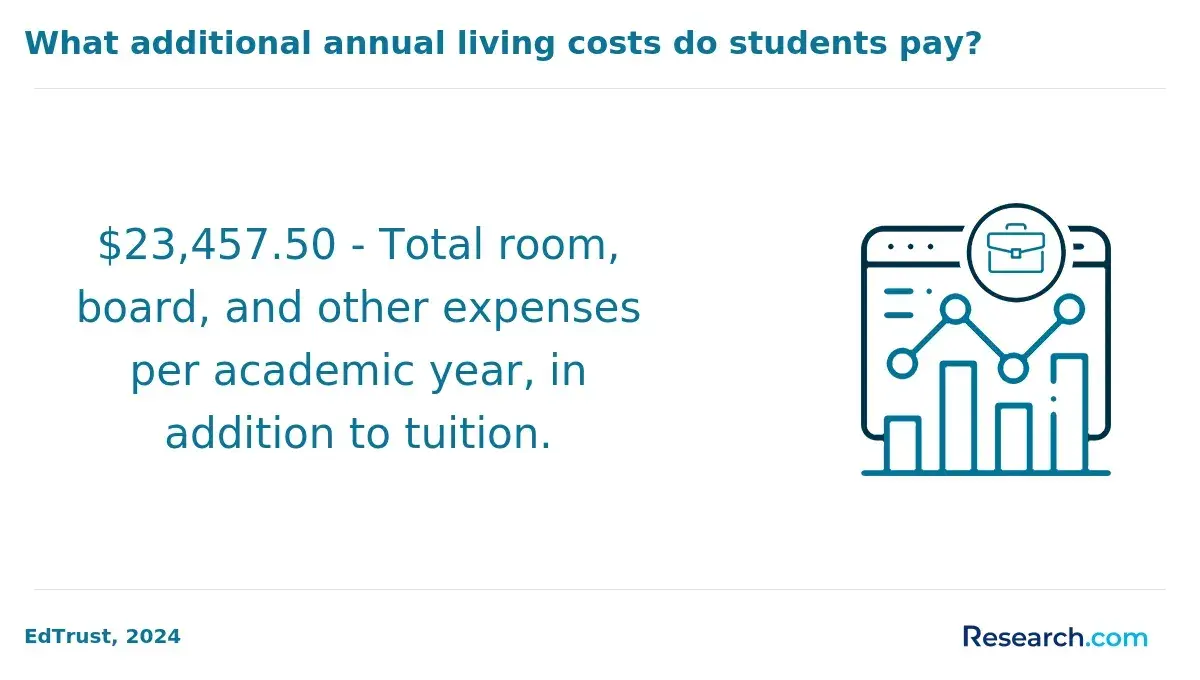
Compare total program cost: required graduate credits multiplied by the applicable tuition rate, plus mandatory and program fees, books or software, travel, and any placement-related expenses. Ask for a written estimate based on your residency status and intended pace. Also check scholarships, employer tuition assistance, and eligibility for federal graduate aid; compare borrowing with your likely career benefit rather than an occupational median wage.
Prior graduate coursework or a stackable graduate certificate may reduce remaining credits only after a program evaluates course equivalency, grades, age limits, and residency rules. Undergraduate credits do not normally count toward a master's degree. Likewise, listings of self paced online colleges do not establish that a school's graduate courses - or its clinical and capstone requirements - can be completed at your own pace.
What Do You Study in a Professional Master's Degree Program?
Professional master's curricula generally combine core knowledge, applied methods, electives or a concentration, and a culminating requirement. An MBA may use organizational cases and projects; an analytics MS may require statistics, programming, and a data capstone; a counseling degree may include supervised practicum and internship work. A research-oriented thesis can make sense for doctoral goals, while an applied capstone may better match a workplace problem.
Read the required-course sequence, not only the course titles. Check when specialized classes run, whether prerequisites add non-degree coursework, and whether internships or clinical placements can be arranged where you live. This is particularly important for someone entering midyear: admission availability and access to the first required course are not the same thing.
What Jobs and Salaries Can Professional Master's Graduates Expect?
A professional master's may help someone qualify for specialized work, change fields, or compete for advancement, but job titles and pay depend on experience, location, employer, and any additional credentials. The BLS figures below are May 2024 occupational median annual wages, not reported earnings of graduates from these degrees.
| Occupation | Occupational median wage | Important qualification context |
| Data scientist | $112,590 | Employers may accept varied educational backgrounds; technical skills and experience matter |
| Information security analyst | $124,910 | A master's is not normally the sole entry requirement; relevant experience may be important |
| Medical and health services manager | $117,960 | Employers generally value healthcare experience; some roles have additional requirements |
Use occupational data to test whether a target role is attractive, then review actual job postings for the education and experience they require. Do not calculate a personal return on investment as though the median wage begins immediately after graduation.
Do Professional Master's Degrees Require Licensure or Certification?
Some paths do, but the degree and the credential are separate. Counseling, advanced-practice nursing, teaching, and school administration can involve state-specific approved coursework, supervised practice, examinations, or certification. Check the board in the state where you intend to work and ask the program to identify the exact credential its graduates are prepared to pursue. Online delivery and an early start do not remove these requirements.
In other fields, professional certifications may be optional or employer-preferred rather than legally required. Psychology needs particular care: a general master's in psychology should not be assumed to lead to independent psychologist licensure. If doctoral study is your actual goal, even information about 1 year PhD programs online should be evaluated against your state's licensing and supervised-training rules, not speed alone.
Other Things You Should Know About
No. It may mean applications are reviewed as they arrive. Ask for the next admission decision date, available term, and start date for your required courses.
Sometimes. Verify live attendance, campus visits, labs, practicums, clinical placements, and state authorization with the specific program.
Not necessarily. Completion depends on required credits, course sequencing, your enrollment pace, and any capstone or placement schedule.
Confirm graduate-level admission requirements, accreditation, the next usable start, total estimated cost, and whether the curriculum meets your career or licensing goal.
References
- Undergraduate Degree Fields - COE https://nces.ed.gov/programs/coe/indicator/cta
- The role of accreditation in 21st century health professions education: report of an International Consensus Group https://pmc.ncbi.nlm.nih.gov/articles/PMC7520947/
- Professional Licensure | U.S. Department of Education http://www.ed.gov/about/initiatives/international-affairs/professional-licensure
- Employment Projections Home Page | bls.gov https://www.bls.gov/emp/
- Department Expectations: Curriculum | New York State Education Department https://www.nysed.gov/college-university-evaluation/department-expectations-curriculum
- Types of Financial Aid: Grants, Work-Study, and Loans | studentaid.gov https://studentaid.gov/understand-aid/types
- .09 Clinical Experience Placements. | Library of Maryland Regulations https://regs.maryland.gov/us/md/exec/comar/13A.07.06.09
- Online Master's Degree Programs - Purdue Global https://www.purdueglobal.edu/degree-programs/online-masters-degrees/
- How Long Does It Take to Get an MBA? Full Timeline | SCU https://www.scu.edu/business/blog/mba/how-long-does-it-take-to-get-an-mba/
- Clinical Experiences - Felician University of New Jersey https://felician.edu/academics/school-of-education/clinical-experiences/