2027 Most Affordable Master's Degrees for Students Who Need Low Tuition

Co-Founder and Chief Data Scientist
A low-tuition master's degree can still be expensive if it requires extra credits, travel, or unpaid clinical hours. The decision is whether graduate study advances your goal enough to justify its total cost. In U.S. Bureau of Labor Statistics (BLS) data for 2023, workers with a master's degree had median weekly earnings of $1,737 - but that broad comparison does not show what any particular degree will earn. This guide compares fields that may offer economical paths, explains the costs that change the calculation, and helps you identify what to verify before enrolling.
Key Things You Should Know
- Compare the full degree bill - not just tuition per credit - including required credits, fees, residency charges, and any in-person requirements.
- For context, BLS reported median weekly earnings of $1,493 for workers with a bachelor's degree in 2023; the difference from the master's-level median is not a guaranteed return on graduate tuition.
- Business, IT, computer science, and education may offer comparatively straightforward low-cost routes; counseling and advanced nursing often have clinical or licensure requirements that change the cost calculation.
Top 10 Most Affordable Master's Degrees for Students Who Need Low Tuition
Business / MBA Programs
An MBA is a professional degree in areas such as accounting, operations, and strategy. A general MBA may cost less overall than one with travel-intensive residencies or substantial differential fees, even when its advertised tuition is similar. Compare required credits and foundation courses, especially if your bachelor's degree is outside business. Choose an MBA when broad management preparation fits your experience and goals; a focused MS in accounting, finance, or analytics may be a better-value route to a specific skill. An MBA alone does not qualify someone for a management position.
Healthcare Administration & Management Programs
A Master of Healthcare Administration (MHA) or related MS prepares students for healthcare operations, finance, and policy - not clinical licensure. Online study may limit relocation costs, but internships and residencies can add expenses. Compare program fees and whether you can complete experiential work near home. An MHA makes more sense for someone seeking healthcare management preparation than for someone whose goal requires a clinical credential. Employers may also expect substantial healthcare experience for leadership roles.
Information Technology Programs
An MS in information technology generally emphasizes applied systems, cloud services, databases, and IT management. For working professionals, an online program with no required travel may reduce indirect costs; scheduled classes and technology fees can offset some savings. Check whether prerequisite courses increase your bill. This field may suit an IT worker seeking specialization, while a targeted certification could be less costly if the goal is a single platform or skill. Compare curricula against the jobs you actually want.
Computer Science Programs
An MS in computer science may support advanced software, systems, or research work. Lower tuition is most meaningful for applicants who already meet programming and mathematics prerequisites: bridge courses can extend both time and cost. Compare thesis and coursework-only options, particularly if doctoral study is a possibility. A career changer should ask whether the program admits students from other majors and price every required preparatory course before treating its published graduate tuition as affordable.
Cybersecurity Programs
A cybersecurity MS may cover secure systems, risk, incident response, and policy. Compare laboratory access, software charges, and required prerequisites along with tuition. The degree can help experienced technology workers deepen their expertise, but it does not replace hands-on experience or employer-requested certifications. If you need a narrower credential, compare a graduate certificate or certification first; a full master's may be better value when you want broader technical or leadership preparation.
Data Science / Analytics Programs
An MS in data science or analytics typically combines statistics, programming, and applied projects. Business analytics degrees may emphasize decisions and communication more than computing-intensive data science programs. Compare math prerequisites, software access, capstone costs, and the number of required credits. A low tuition rate is less useful if you must pay for substantial foundation coursework. Choose the curriculum that matches your target work rather than assuming either degree title leads to the same roles.
Education / Educational Leadership Programs
A Master of Education (MEd) or educational leadership degree can be an economical advancement option for educators whose employers offer tuition assistance. First determine whether the program supports your state's intended teaching or administrator credential; a low-cost degree that does not meet those requirements is poor value. Practicums, district partnerships, and possible salary-schedule rules matter alongside tuition. Experienced teachers seeking leadership preparation should compare those requirements with their district's policies before applying.
Counseling / Psychology Programs
A counseling master's can be a route toward professional licensure, but supervised placements, examinations, and post-degree practice create costs beyond tuition. Psychology master's degrees vary: some emphasize research and do not prepare graduates for independent clinical practice. Verify the exact state license you want, required coursework, program accreditation where relevant, and placement arrangements. If a program cannot document how it meets your state's educational requirements, its low advertised price should not decide your choice.
Nursing Programs
A Master of Science in Nursing (MSN) may prepare registered nurses for education, leadership, or an advanced practice specialty. Eligibility usually depends on nursing preparation and an active license; some paths also require substantial clinical hours and certification. Compare clinical-placement support, specialty fees, and travel before comparing tuition. An inexpensive leadership MSN should not be mistaken for a nurse practitioner pathway. State practice and licensing requirements must be checked separately from degree completion.
Engineering Management Programs
An MS in engineering management blends technical project work with operations, finance, and organizational decisions. It can suit engineers seeking broader responsibilities without switching to a general MBA. Compare admission prerequisites, project requirements, and employer tuition support; some programs expect an engineering or related quantitative background. If your aim is a specialized engineering research role, a discipline-specific MS may be a better use of tuition. A degree does not substitute for the experience employers expect in management jobs.
What are the most affordable master's degree fields in the United States?
There is no universally cheapest master's degree field in the United States. Affordable options depend on the institution, your residency status, required credits, and what you need the credential to do. Fields with coursework that can be completed without costly equipment or placements - such as some business, IT, and education pathways - may be easier to study at low total cost. That is a comparison strategy, not a claim that every program in those fields is inexpensive.
This table shows why degree purpose belongs beside price when you narrow your options. The cost concerns are common possibilities, not charges that apply to every program.
| Degree field | Potential cost advantage | Cost or fit to check |
| Business / MBA | May offer coursework without required clinical placements | Differential tuition, foundation courses, residencies |
| IT or computer science | Some programs can be completed remotely | Math or computing prerequisites, technology fees |
| Education | Employer assistance may reduce personal cost | State credential fit, practicum requirements |
| Counseling or nursing | May provide a pathway toward a regulated role | Clinical hours, placement costs, state requirements |
Affordability should follow career fit, not replace it. If you are still choosing an undergraduate direction before graduate school, a guide to best degrees can help you consider the preparation different fields require.
How much does an affordable master's degree cost?
An affordable master's degree costs the least you can pay to complete a suitable, accredited program, not simply the one with the lowest published rate. No single national price fairly describes all master's degrees. Graduate tuition may be charged per credit or term; public institutions may price resident and nonresident students differently, and online programs may use separate rates. Published tuition is not the same as your bill after required fees, and neither is necessarily your cost after grants or employer assistance.
The components below belong in a side-by-side estimate. Ask each school for charges covering your expected enrollment pattern rather than relying on a headline rate.
| Cost component | Why it changes the comparison |
| Tuition and required credits | More required credits can outweigh a lower per-credit rate. |
| Mandatory and program fees | Technology, laboratory, and differential charges may not appear in advertised tuition. |
| Location requirements | Travel, lodging, commuting, and placement expenses can raise the amount you spend. |
| Prerequisites and time away from work | Extra courses or reduced work hours increase the cost of completing the path. |
Federal loans, scholarships, assistantships, payment plans, and employer benefits may help, but eligibility varies. Ask for a program-specific cost estimate and funding terms before deciding that a degree is affordable for you.
Are affordable online master's degrees accredited?
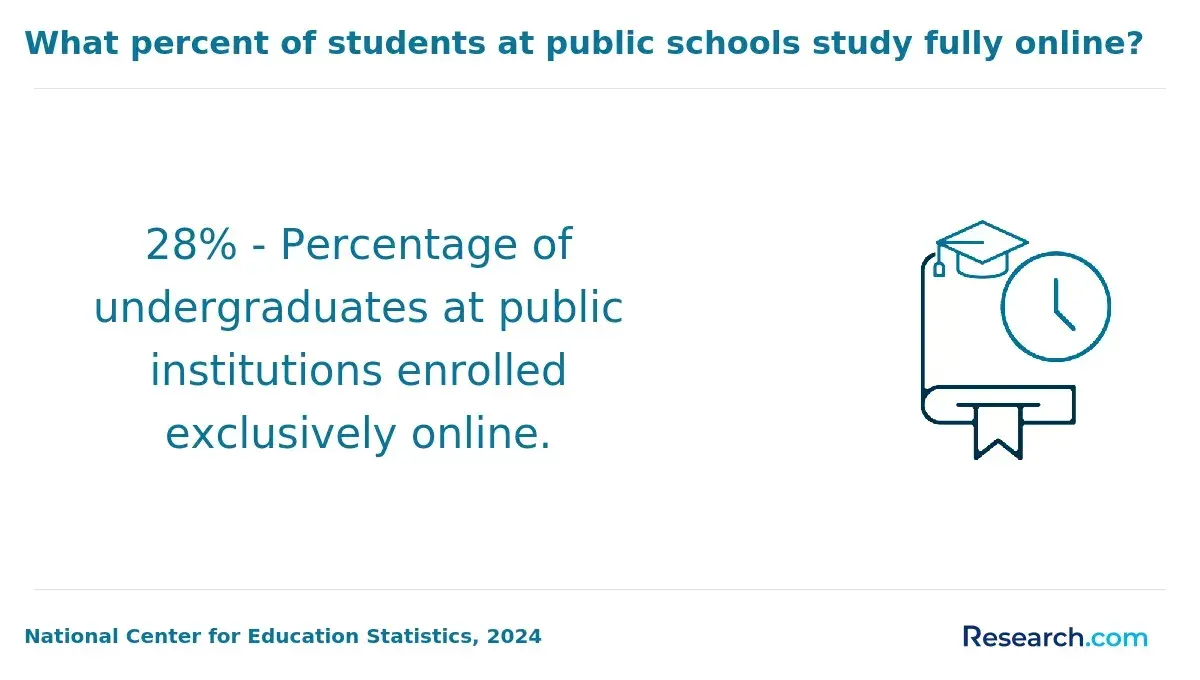
Yes, an affordable online master's degree can be accredited; low tuition and online delivery do not establish or rule out accreditation. Verify that the institution holds accreditation from a U.S. Department of Education-recognized accrediting agency. For a regulated career, also check whether the particular program holds relevant programmatic accreditation or meets the applicable state board's educational requirements.
Institutional accreditation and licensure eligibility answer different questions. An accredited university's online counseling or nursing program, for example, may not satisfy every state's requirements. Ask the program for written confirmation about your intended state and credential before paying an enrollment deposit.
Which admission requirements apply to low-cost master's programs?
Most master's programs require a completed bachelor's degree, transcripts, and an application. Depending on the field and institution, applicants may also need prerequisite coursework, a minimum GPA, recommendations, a statement of purpose, a résumé, an interview, or a portfolio. Some programs require professional experience or a current license; GRE or GMAT policies vary. The graduate school's general rules and the individual program's rules can differ.
Before spending money on applications, confirm the requirements that could make a seemingly inexpensive program costlier or inaccessible:
- Ask whether missing prerequisites must be completed before admission or can be taken alongside graduate courses, and whether they count toward the degree.
- Check published GPA and test policies for the specific master's program, including any conditional-admission option.
- For nursing, counseling, and credential-focused education paths, verify required licenses, experience, and state-specific eligibility.
Undergraduate admission advice about low GPA colleges does not establish a university's graduate admission policy. Ask graduate admissions for the rule that applies to your intended degree.
How long do affordable master's degree programs take to complete?
Many master's degrees take roughly one to three years, but there is no dependable completion time based on the degree name alone. Required credits, full-time or part-time enrollment, course sequencing, prerequisites, and a thesis or capstone all matter. Clinical placements and supervised experiences can make licensure-oriented paths longer and less predictable.
An accelerated claim needs context: ask which prior preparation and course load its timeline assumes. Accepted graduate-level transfer credit or a stackable graduate certificate may reduce remaining coursework, but the school must confirm that the credits apply to your degree and meet its residency rules. Undergraduate credits ordinarily do not count as graduate transfer credit unless a published combined-degree pathway explicitly allows it. Resources on accelerated programs online address bachelor's study, not proof that a master's program has the same timeline.
What coursework do affordable master's degree programs include?
Coursework depends on the credential's purpose. Professional programs such as MBAs and MHAs commonly emphasize applied decisions and projects; research-oriented MS programs may include advanced methods and a thesis. IT and analytics paths may require programming or quantitative foundations, while counseling and nursing can include supervised practice. Electives and concentrations change both what you learn and, sometimes, the total number of courses you must pay for.
Read the degree plan - not just course titles - to identify prerequisites, required electives, and the culminating requirement. A capstone may fit someone seeking an applied workplace project; a thesis may better serve a research or doctoral goal. If you have not yet finished a bachelor's degree, advice about what is the easiest bachelor's degree to get should not replace checking the undergraduate preparation your intended master's actually requires.
How do online and campus-based master's programs compare?
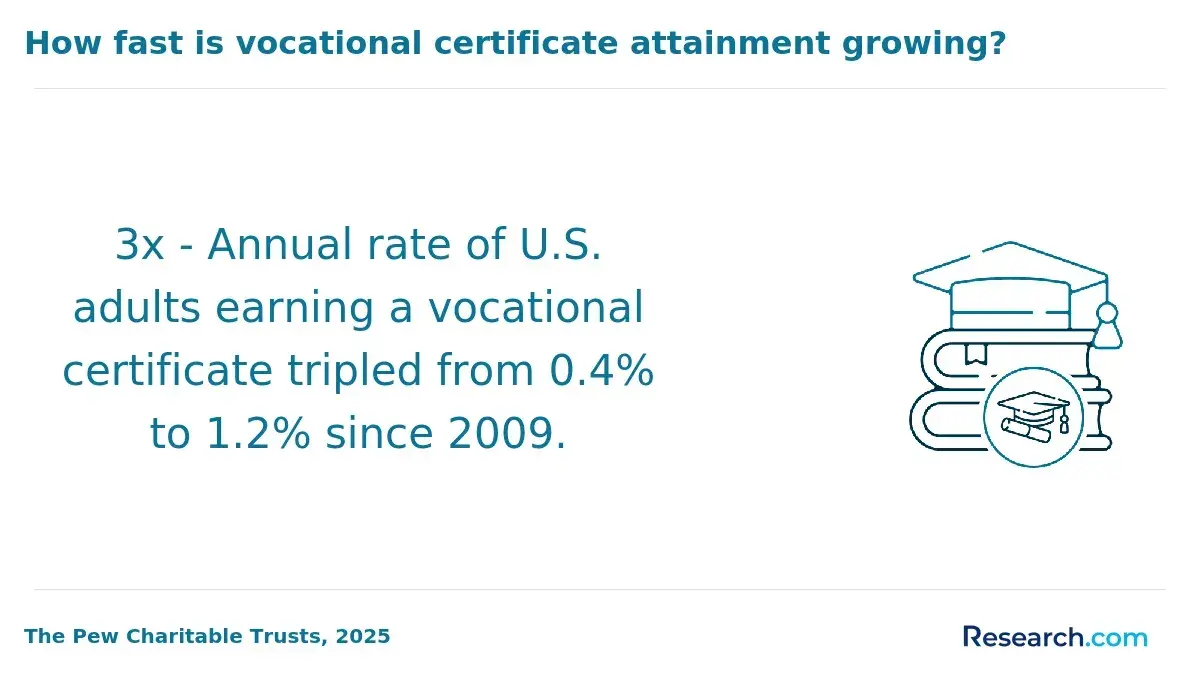
Online programs can reduce relocation and commuting expenses, but they are not automatically cheaper or more flexible. Scheduled live classes, fixed deadlines, proctored activities, residencies, and local placements may still apply. Campus programs can offer in-person access to laboratories, faculty, and peers while adding transportation or housing costs. Hybrid delivery combines elements of both and may require occasional travel.
Compare the formats against your real schedule and budget: ask when attendance is required, where experiential work can occur, and whether part-time students can take needed courses each term. For a working adult, an online program with frequent live meetings may be less practical than a nearby campus program with predictable evening classes.
What careers and salaries can affordable master's degrees lead to?
Affordable master's degrees can support specialization, career changes, or advancement, but occupational wages are not the expected earnings of everyone who completes a degree. For example, BLS reported a 2023 median annual wage of $120,360 for information security analysts. That figure describes workers in the occupation across experience and education levels; a cybersecurity master's alone does not qualify someone for every analyst job or produce that wage.
Judge potential value against your starting point. An experienced IT professional seeking specialized responsibilities, a teacher whose district recognizes a qualifying degree, and a prospective counselor pursuing licensure face different returns and additional requirements. Compare the cost of graduate study with relevant alternatives, such as employer training, a certificate, or continued work experience. In regulated fields, include examinations, supervised practice, and licensing costs in the plan.
How can students choose a reputable affordable master's program?
Start with the job or credential you want, then compare programs that can credibly help you reach it. A reputable low-cost option should have appropriate accreditation, a curriculum that fits your goal, transparent charges, and requirements you can realistically complete. A ranking or unusually low tuition rate cannot establish those facts on its own.
Before enrolling, request answers in writing to the questions most likely to change your total cost or eligibility:
- What will tuition and mandatory fees total for my required degree plan and residency status?
- Which prerequisites, campus visits, placements, or residencies will add costs?
- Will my eligible prior graduate courses apply to specific requirements, and what credits must I complete here?
- Does this program meet the educational requirements for my intended state credential, if one is needed?
- What financial assistance can I actually use, and what happens to the estimate if I attend part time?
Red flags include a quote that omits fees, an unverified promise of licensure, and a completion timeline that assumes transfer credits you have not had evaluated. Resolve those uncertainties before comparing final offers.
Other Things You Should Know About
No. A program that costs less but does not meet your career or licensing goal may be poor value. Compare total completion cost and the credential's fit.
Possibly. Eligibility for federal aid, scholarships, assistantships, and employer benefits depends on the student and program. Ask the financial aid office for an individualized estimate.
They may, if the program accepts them and applies them to required degree courses. Request a formal evaluation before assuming a shorter or cheaper path.
Not necessarily. Online study may save commuting or relocation costs, while tuition, technology fees, live attendance, and required placements can change the comparison.
References
- Education pays: U.S. Bureau of Labor Statistics https://www.bls.gov/emp/chart-unemployment-earnings-education.htm
- Eligibility Requirements | Federal Student Aid https://studentaid.gov/understand-aid/eligibility/requirements
- Fast Facts: Tuition costs of colleges and universities (76) | ed.gov https://nces.ed.gov/fastfacts/display.asp
- Institutional Accrediting Agencies | ed.gov http://www.ed.gov/laws-and-policy/higher-education-laws-and-policy/college-accreditation/institutional-accrediting-agencies
- An Overview of Accreditation of Higher Education in the United States | Congress.gov | Library of Congress https://www.congress.gov/crs-product/R43826
- Fee Definitions | Cleveland State Community College https://www.clevelandstatecc.edu/paying-for-college/fee-definitions/
- Tuition | nyu.edu https://www.nyu.edu/students/student-information-and-resources/bills-payments-and-refunds/tuition-and-fees.html
- Explanation of Fees | University of North Texas https://studentaccounting.unt.edu/explanation-fees.html
- Help and Knowledge Base | University of Maryland Global Campus https://www.umgc.edu/help/article/online-tuition-in-state-vs-out-of-state
- Your Guide to Graduate Scholarships and Strategic Funding | Mitch Daniels School of Business https://business.purdue.edu/graduate-programs/blog/posts/use-find-and-navigate-tuition-assistance.php