2027 Best Professional Masters Degrees With Low Textbook Costs

Co-Founder and Chief Data Scientist
A master's program can fit your career goals yet cost more than expected once textbooks, software, and required materials enter the budget. That matters in fast-changing fields. The U.S. Bureau of Labor Statistics projects employment of information security analysts to grow 33% from 2023 to 2033, making current learning resources especially important.
This guide compares professional master's degree fields where digital resources, library access, or open educational resources may reduce textbook spending. It also shows how to verify those savings without overlooking tuition, accreditation, hands-on requirements, or career fit.
Key Things You Should Know
- Business, IT, computer science, cybersecurity, and analytics programs may rely on digital readings and tools, but no degree field guarantees free textbooks. Verify costs course by course.
- Ask about required books, access codes, software, subscriptions, and materials fees alongside tuition. A "free textbook" course can still carry a required digital-content charge.
- Licensed counseling, teaching, and advanced nursing paths may require placements, exams, or approvals that matter more than modest textbook savings.
Top 10 Best Professional Masters Degrees With Low Textbook Costs - Affordable Master's Degrees
Business / MBA Programs
A Master of Business Administration (MBA) suits experienced professionals seeking broader management skills; a specialized MS may suit a narrower goal. Cases, articles, and library-licensed readings can reduce book purchases, but simulations, publisher access codes, and courseware may add charges.
Ask for the materials list for accounting, finance, and analytics courses, not just the first term. Choose an MBA for its curriculum and career relevance, not because its readings appear inexpensive.
Healthcare Administration & Management Programs
A Master of Healthcare Administration (MHA) or related MS prepares students for healthcare operations, finance, and policy work rather than clinical licensure. Government publications and library journals may replace some textbooks; management software and case materials can still cost extra.
Healthcare leadership roles commonly require relevant experience. Compare the program's accreditation, internship expectations, and total required materials before treating it as a low-cost option.
Information Technology Programs
An MS in information technology often emphasizes systems, cloud services, databases, and applied projects. Documentation and library-provided resources may keep textbook purchases down. Cloud usage charges, virtual labs, and certification preparation can offset those savings, however.
Check whether the school provides accounts and software licenses for every required course. This path fits professionals who want to design or manage technology systems more than those seeking a research-focused computing degree.
Computer Science Programs
An MS in computer science may serve career changers, software specialists, or students preparing for research, depending on its prerequisites and thesis options. Open-source tools and freely available technical documentation can limit textbook spending.
Advanced courses may still assign paid texts or computing resources. Applicants without prior programming, algorithms, or mathematics coursework should ask whether foundation courses add time and expense before comparing textbook costs.
Cybersecurity Programs
An MS in cybersecurity may cover security engineering, risk management, and incident response. Public standards and technical documentation can substitute for some books, while lab platforms, exam vouchers, and specialized software may increase materials costs.
Compare programs by their hands-on access and your intended role: a governance-focused curriculum is not interchangeable with a technical security curriculum. A master's degree alone does not establish professional experience or certification.
Data Science / Analytics Programs
An MS in data science or analytics can build skills in statistics, programming, and applied modeling. Open-source software may help contain materials costs, but cloud computing, proprietary tools, and paid data platforms can change the total.
Look for projects using tools employers value and confirm whether computing access is included in fees. Students without statistics or programming preparation may need prerequisite courses that outweigh textbook savings.
Education / Educational Leadership Programs
A Master of Education (MEd) in educational leadership often targets teachers or other school professionals pursuing advancement. State education resources and library readings may lower book costs, but assessments and fieldwork can add expenses.
Verify whether the program supports your state's administrator-licensure requirements and whether it requires an existing teaching license or experience. A low-cost reading list has limited value if the degree does not meet your intended credential requirements.
Counseling / Psychology Programs
A counseling MA or MS may prepare students for a specific state licensure pathway; a general psychology master's may instead emphasize research or professional development. Library access can reduce book purchases, but testing materials, background checks, and practicum travel may be more consequential.
Confirm programmatic accreditation where relevant, state board eligibility, supervised-hour requirements, and placement support. Do not assume a psychology master's qualifies you to practice as a licensed psychologist.
Nursing Programs
A Master of Science in Nursing (MSN) can support nursing leadership, education, or an advanced practice pathway, each with different admissions and clinical requirements. Digital library holdings may reduce textbook purchases; clinical supplies, background checks, travel, and exam preparation can add costs.
Most MSN pathways require an active RN license, and advanced practice roles have additional state and certification requirements. Compare the specific track, not the MSN label alone.
Engineering Management Programs
An MS in engineering management combines technical decision-making with operations, finance, and leadership. Articles, standards, and digital resources may replace some printed books, while simulation or project software can carry fees.
It is generally an advancement-oriented degree for people with technical preparation, not a substitute for an engineering bachelor's degree or experience. Check whether required projects and course software are included in tuition before comparing materials bills.
What Are the Best Professional Master's Degrees With Low Textbook Costs?
The best choices for low textbook spending are programs that document inexpensive required materials across the entire curriculum, not fields advertised as "textbook-free." IT, computer science, cybersecurity, and analytics may make substantial use of documentation and open-source tools.
Business and healthcare administration may use library-licensed cases and articles. For licensure-oriented degrees, career eligibility should take priority over book costs.
The comparison below identifies where savings are plausible and the expense most likely to undermine them. These are field-level tendencies, not verified promises about individual schools.
| Degree fields | Potential source of textbook savings | Cost or fit trade-off |
| IT, computer science, cybersecurity | Technical documentation and open-source resources | Labs, cloud use, software, or prerequisite courses |
| Data science and analytics | Open-source tools and digital readings | Computing access and paid platforms |
| MBA and healthcare administration | Library journals, cases, and public reports | Publisher courseware, simulations, or experience expectations |
| Education, counseling, and nursing | Library holdings and professional guidance | Licensure, placement, and in-person expenses |
Start with the field that matches your intended work. Then compare actual syllabi and fees from accredited programs; a slightly higher materials bill may be worthwhile if the curriculum meets a credential requirement or supplies essential hands-on training.
How Can You Find Accredited Master's Programs With Affordable Learning Materials?
Institutional accreditation and affordable materials answer different questions. Accreditation concerns institutional quality and eligibility for certain forms of aid. A low book bill says nothing about either. In regulated fields, also check the relevant programmatic accreditation and your state's licensing rules.
Use this sequence to obtain a comparable materials estimate before applying:
- Confirm institutional accreditation through the U.S. Department of Education's accreditation database or the accreditor, then check any field-specific requirement.
- Request recent syllabi or required-materials lists for every core course, concentration, and prerequisite.
- Ask which readings are covered by library licenses or open educational resources and whether access continues throughout each course.
- Identify mandatory access codes, inclusive-access charges, software, labs, printing, and placement expenses; ask whether any fees can be declined without losing required content.
- Compare the resulting estimate with tuition and mandatory fees for the full degree, using your residency status and enrollment pace.
A useful red flag is an unqualified "no textbook costs" claim paired with unavailable syllabi or unexplained digital-content fees. Ask for written clarification before making a deposit.
Which Online Master's Degrees Offer Free or Low-Cost Textbooks?
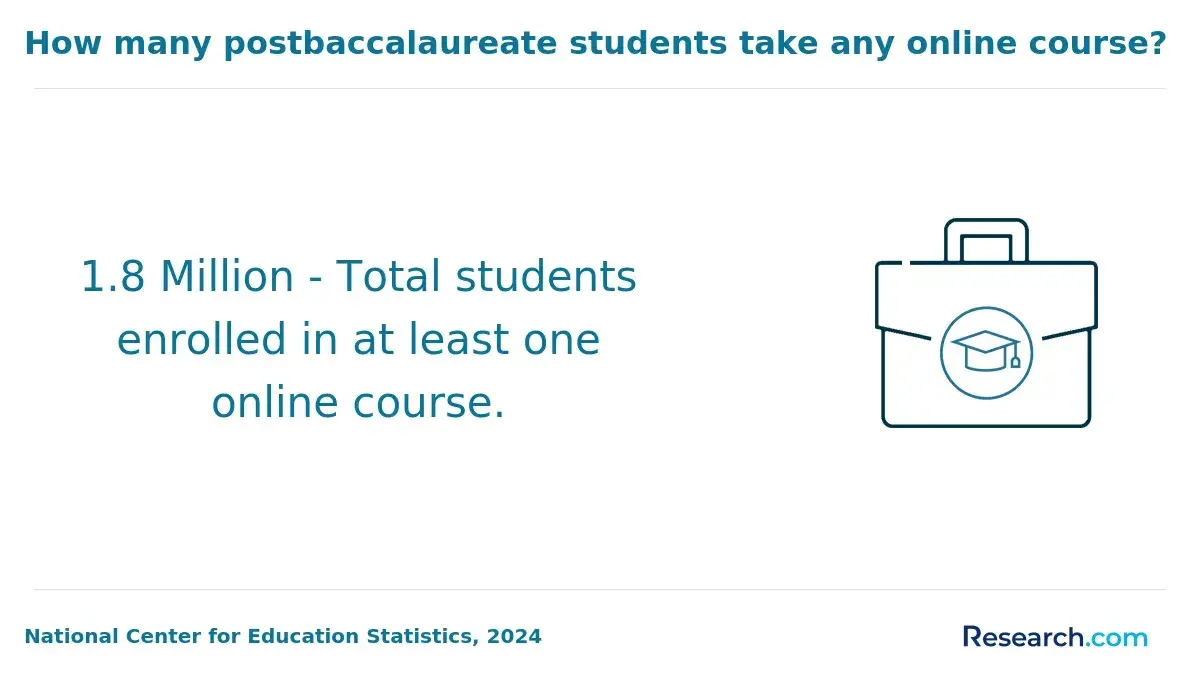
Online delivery does not, by itself, make textbooks free. Courses are more likely to have low direct book costs when instructors assign open educational resources, accessible public documents, or articles covered by the university library. Access depends on course design and can change when instructors or licenses change.
Ask whether online students receive the same library access as campus students and whether required ebooks permit offline use. Also check scheduled attendance and in-person components: online nursing, counseling, and education degrees may still require local clinical work or practicums.
Be cautious with unusually short timelines. Listings of online master degree programs can help you form questions, but confirm required credits, prior-credit assumptions, and the complete materials bill with each school.
What Do These Professional Master's Degree Programs Cost and How Long Do They Take?
There is no dependable field-wide textbook price: instructors select materials, and schools set different library, courseware, and fee policies. Calculate total program cost as graduate tuition for all required credits plus mandatory fees, required learning materials, and any travel or placement expenses, minus aid you actually receive. A low textbook estimate cannot make up for substantially higher tuition.
Practice-oriented programs can include foundation courses, capstones, internships, or clinical hours; part-time enrollment and course sequencing also affect completion time. When comparing an online masters degree with a longer option, request a term-by-term plan based on your own preparation and schedule.
Ask whether a qualifying graduate certificate or previous graduate coursework can count toward degree requirements. Transfer approval, credit limits, and required credits completed at the awarding institution vary; undergraduate preparation normally does not count as graduate transfer credit.
For aid comparisons, use each school's current graduate tuition and fee schedule, then ask its financial aid office about eligibility, scholarships, assistantships, payment plans, and employer tuition assistance. Distinguish the published price from your expected out-of-pocket cost.
What Courses Do Low-Textbook-Cost Master's Programs Typically Include?
Most professional master's degrees pair core courses with electives or a concentration and an applied culminating requirement. A low-textbook-cost curriculum may use articles, public standards, datasets, or open-source software, but the assignments, not the degree name, determine what students must buy.
Typical core areas include finance and operations in an MBA or MHA; systems and programming in IT or computer science; statistics and modeling in analytics; and assessment or practice methods in education, counseling, and nursing.
A capstone may use existing library resources, while a lab, simulation, or clinical course may require paid tools or supplies. Request the materials list for the capstone and concentration as well as introductory courses: overlooking later terms is a common budgeting mistake.
What Are the Admission Requirements for Professional Master's Programs?
Professional master's admission normally begins with a completed bachelor's degree. Schools may review transcripts, a statement of purpose, recommendations, relevant experience, and prerequisite coursework. GPA minimums, GRE or GMAT policies, interviews, portfolios, and conditional admission differ by institution and sometimes by concentration; do not infer a graduate policy from general university advertising.
Career-changing applicants should ask whether missing prerequisites can be completed before or alongside graduate coursework and what they will cost. Nursing tracks often require an RN license; some leadership and advanced clinical programs expect relevant work experience.
If you have not yet completed a bachelor's degree, exploring easy bachelor degrees online is a separate decision, not a way around graduate admission requirements. Confirm that any bachelor's path provides the prerequisites your eventual master's program requires.
Which Careers Can These Master's Degrees Lead To?
These degrees can support specialization or advancement, but the appropriate credential depends on the job. An MBA may complement management experience; an MS in IT, computer science, cybersecurity, or analytics can deepen technical preparation; an MHA can support healthcare operations work.
Education, counseling, and nursing degrees may also serve as steps toward particular credentials when the program and graduate meet applicable requirements.
Before enrolling, compare job postings for your intended role with the program's required courses. If employers chiefly request a portfolio, certification, or experience you can obtain without graduate study, a certificate or targeted training may cost less. A master's degree does not independently confer a management title, clinical license, or job offer.
What Salaries and Job Outlook Can Graduates Expect?
Labor-market figures describe occupations, not the salaries caused by earning these degrees. The Bureau of Labor Statistics reports a May 2023 median annual wage of $120,360 for information security analysts. That figure covers workers with varied education and experience; it should not be treated as an expected starting salary for cybersecurity master's graduates.
Job outlook likewise differs by occupation and location. Use BLS projections to assess demand, then check local postings for required experience, licenses, and technical skills.
To judge whether graduate study is worth its cost, compare your likely total expense and time away from work with the specific opportunities you can realistically pursue, not a national occupational median alone.
Which Licenses and Certifications May These Master's Degrees Require?
Most business, IT, analytics, and engineering management roles do not have a single license automatically awarded with the master's degree. Voluntary industry certifications may be useful when employers request them.
Regulated roles require a closer check: teaching and school administration, professional counseling, advanced practice nursing, and some healthcare occupations have state-specific education, examination, experience, or supervised-practice rules.
Contact the licensing board in the state where you intend to work and ask whether the exact program and track meet its education requirements. Do this before enrolling, especially in an online program based in another state.
Psychology illustrates the risk of relying on a degree label: licensed psychologist roles commonly require doctoral-level education. Even the easiest PhD without dissertation listing cannot establish that a particular doctorate satisfies a state board's requirements.
Other Things You Should Know About Master's Degrees
Yes, an individual program may provide required readings through open resources or its library. Get course-by-course confirmation and check for mandatory software, access codes, and content fees before assuming your materials bill will be $0.
IT, computer science, cybersecurity, and analytics often use technical documentation and open-source tools. MBA and healthcare administration courses may use library articles and cases. Actual costs depend on the school and instructor.
No. A digital book may come with a required access code or limited-term license. Compare the complete required-content charge, not just the advertised ebook price.
Only if it also fits your career goal, meets any accreditation or licensure requirements, and has a competitive total cost. Tuition, fees, prerequisites, and placements can outweigh textbook savings.
References
- Use The Data - National Center for Education Statistics (NCES) https://nces.ed.gov/ipeds/use-the-data
- Professional Licensure - U.S. Department of Education https://www.ed.gov/about/initiatives/international-affairs/professional-licensure
- Cost of Attendance (Budget) | 2025-2026 Federal Student Aid Handbook https://fsapartners.ed.gov/knowledge-center/fsa-handbook/2025-2026/vol3/ch2-cost-attendance-budget
- Types of Financial Aid: Grants, Work-Study, and Loans | studentaid.gov https://studentaid.gov/understand-aid/types
- Learn How to Get Your Learning Materials With IncludED | Dallas College https://www.dallascollege.edu/resources/books/included/
- Calculating Course Material Costs - Research Guides - LSU https://guides.lib.lsu.edu/c.php
- Understanding Affordable & Open Educational Resources | Academic Technology Client Portal https://tdx.umsystem.edu/TDClient/66/MOOnline/KB/PrintArticle
- Course Materials Selection Process - WVU Faculty https://faculty.wvu.edu/resources-for-academic-development/teaching-learning/course-materials-selection-process
- Study finds open educational resources are cost-effective | THE FEED https://feed.georgetown.edu/access-affordability/study-finds-open-educational-resources-are-cost-effective/