
2027 Most Affordable Online Master's Degrees for Non-Clinical Healthcare Careers

Co-Founder and Chief Data Scientist
An online master's degree can help you move into healthcare leadership, technology, or operations - but the lowest advertised tuition may not produce the lowest bill. The U.S. Bureau of Labor Statistics reported a $117,960 median annual wage for medical and health services managers in May 2024; that figure describes an occupation, not what master's graduates can expect to earn.
If you are weighing graduate study against its cost, this guide compares non-clinical degree fields, explains where expenses arise, and shows how to find a program that fits your career goal and budget.
Key Things You Should Know
- Compare total program cost, not tuition per credit: required credits, fees, residency charges, and travel can change which option is least expensive.
- For direct healthcare operations roles, an MHA or healthcare-focused MBA is usually a closer fit than a general technology degree; technical roles may call for different preparation. Online study does not guarantee fully remote coursework or professional eligibility.
- Check accreditation, scheduled attendance, experiential requirements, and any applicable licensure rules before enrolling.
Top 10 Most Affordable Online Master's Degrees for Non-Clinical Healthcare Careers - Affordable Degrees
Business / MBA Programs
A Master of Business Administration (MBA) with healthcare electives can suit professionals pursuing finance, strategy, supply-chain, or operations roles in health systems. Compare it with a general MBA: a cheaper general program may provide broader business training but less healthcare-specific coursework. Check the full credit requirement, differential tuition, and whether electives you need are offered online. Leadership jobs typically require relevant experience in addition to the degree.
Healthcare Administration & Management Programs
A Master of Healthcare Administration (MHA) or MS in healthcare management focuses more directly on healthcare finance, regulation, quality, and organizational operations. It may be the strongest fit if you intend to work in provider administration rather than change industries. Ask whether the program requires a supervised internship or campus residency, particularly if you cannot use your current workplace. Compare the cost of those requirements alongside tuition, and check whether programmatic accreditation matters to your target employers.
Information Technology Programs
An MS in information technology can prepare students for health-system IT operations, systems implementation, or technology project work. Healthcare experience and knowledge of privacy rules can complement the technical curriculum. A broadly applicable IT degree may cost less than a specialized health informatics program, but compare required prerequisites and healthcare electives before deciding. The degree alone does not qualify someone to lead an IT department; employers may also expect substantial technical experience.
Computer Science Programs
An MS in computer science is most relevant if you want to develop software, data systems, or technical tools used in healthcare. It is generally less direct preparation for hospital administration. Applicants without a computing background should price any required foundation courses and consider whether those courses extend enrollment. Compare a thesis with a project-based option if you want applied experience; neither is automatically the cheaper path.
Cybersecurity Programs
An MS in cybersecurity can support work protecting healthcare networks and sensitive information. Look for coursework in security architecture, risk management, and privacy - not just a healthcare label on the program page. Technical prerequisites, labs, and certification-exam costs can affect affordability. Security leadership positions commonly require prior experience, so career changers should compare a master's with less costly routes into entry-level security work.
Data Science / Analytics Programs
An MS in data science or analytics may fit work in healthcare reporting, forecasting, quality measurement, or operational analysis. Compare statistics, programming, and data-governance requirements; a program with fewer healthcare examples can still be useful if it builds the skills employers request. Foundation courses and software expenses can raise the final cost. Check whether projects use realistic health data and address privacy rather than assuming an analytics credential alone provides healthcare expertise.
Education / Educational Leadership Programs
A Master of Education (MEd) or related leadership degree may suit healthcare workforce development, staff training, or instructional design. It is a less direct choice for finance or hospital operations. Compare programs designed for organizational learning with those designed for school administrators: the latter may include educator-licensure requirements unrelated to your goal. Ask whether a practicum is required and whether it can be completed at your workplace.
Counseling / Psychology Programs
An MA or MS in psychology may support non-clinical work in research coordination, employee learning, or organizational development, depending on the curriculum and your experience. Counseling master's programs, however, are often designed around supervised clinical practice and state licensure. If you do not intend to counsel patients, compare an organizational psychology or research-focused program instead of paying for clinical requirements you will not use. A non-clinical degree does not qualify you to practice as a licensed counselor or psychologist.
Nursing Programs
A Master of Science in Nursing (MSN) with a leadership, informatics, or education concentration can support non-bedside work for registered nurses. It is not usually an entry route for applicants without nursing credentials. Check RN-license and prior-degree requirements, plus any practicum hours - even when courses are online. If you are not a nurse, an MHA, informatics, or education master's may offer a more accessible and less costly route to your intended role.
Engineering Management Programs
An MS in engineering management may fit professionals overseeing medical-device development, facilities projects, or technical teams. Compare its project-management and engineering requirements with an MBA or MHA before paying for specialized coursework. Applicants may need an engineering or quantitative background, and leadership roles commonly require relevant industry experience. For someone seeking general hospital operations work, the specialization may add cost without improving career fit.
What Are the Best Non-Clinical Healthcare Master's Degrees Online?
There is no single best degree for every reader. The best-value choice is the accredited program that teaches the skills your target role calls for at a total cost you can justify. The comparison below groups degree fields by career fit; it is not a ranking of colleges or a claim that one field always has lower tuition.
Use the table to narrow your search before comparing individual schools' published tuition and requirements.
| Career goal | Degree fields to compare | Cost or fit question |
| Healthcare operations | MHA; healthcare-focused MBA | Will healthcare electives, internships, or residencies add expense? |
| Health-system technology | IT; computer science; cybersecurity | Will prerequisite courses be necessary? |
| Reporting and improvement | Data science; analytics; healthcare management | Does the curriculum teach the required technical depth? |
| Workforce development | MEd; organizational psychology; MSN for eligible nurses | Are licensure or practicum requirements relevant to the goal? |
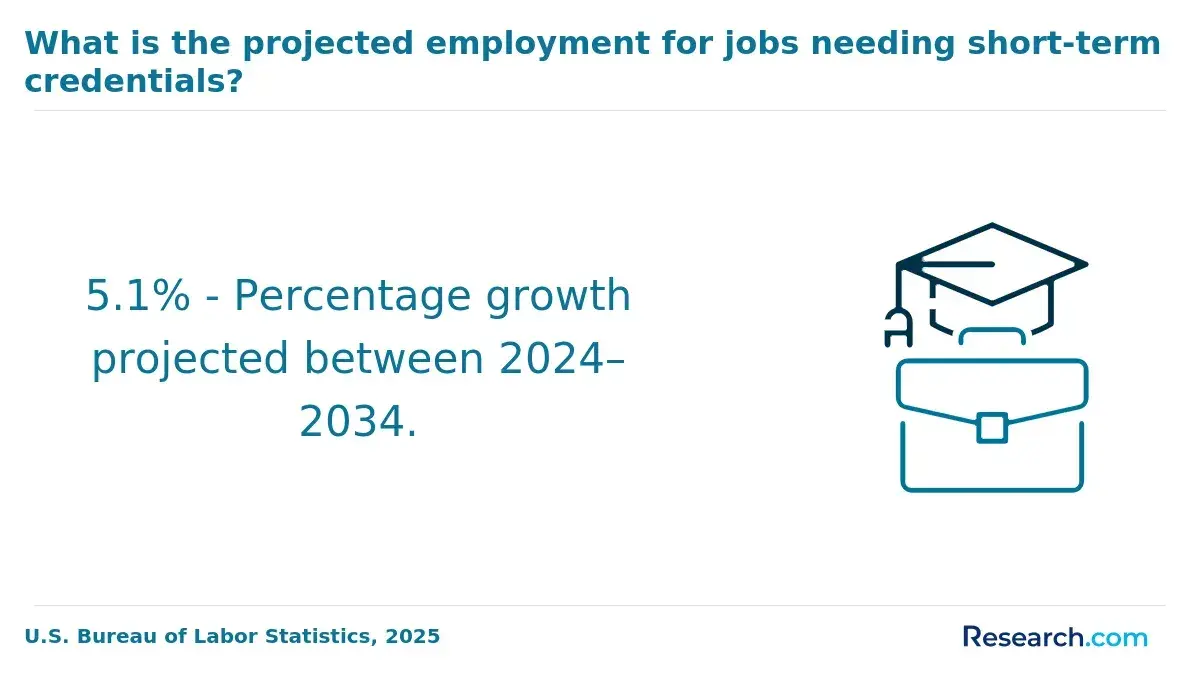
If a particular skill - not a master's credential - is your immediate goal, compare the full degree with online certificate programs that pay well. Confirm whether employers you hope to work for value the shorter credential before choosing it.
How Much Do Affordable Online Healthcare Master's Degrees Cost?
No degree field has a dependable nationwide "affordable" price: institutions set different graduate tuition, credit requirements, and fees. Sticker price is the published charge; total program cost includes all required study expenses; net price reflects aid you actually receive. An online program with low per-credit tuition can cost more overall if it requires more credits or costly in-person components.
The table shows which charges to gather from each school so you can make a like-for-like comparison.
| Cost component | What to verify |
| Graduate tuition | Required credits multiplied by your applicable per-credit rate, or the published program rate |
| Mandatory charges | Technology, program, graduation, and other required fees |
| Location-dependent costs | Travel, lodging, placement costs, or lost work time for required activities |
| Additional coursework | Prerequisites or foundation courses that do not count toward the master's degree |
| Funding | Confirmed grants, scholarships, employer assistance, and likely borrowing costs |
Ask for a written estimate covering the entire degree at your planned course load. Eligible students can explore federal graduate aid through the FAFSA, but loans reduce upfront pressure rather than reducing the amount charged. Verify when employer assistance is paid and whether it requires continued employment.
Are Online Healthcare Master's Degrees Accredited and Worth It?
Online delivery does not determine accreditation. Check that the institution holds recognized institutional accreditation and that it covers the degree. Then determine whether a field-specific accreditor matters: for example, some healthcare administration students seek programs accredited by the Commission on Accreditation of Healthcare Management Education, while business applicants may compare business-school accreditation.
Worth depends on the incremental value for your goal. Compare the degree's total cost and time commitment with your current qualifications, the roles you can realistically pursue, and a certificate or experience-based route. Ask employers whether they prefer a particular credential. Accreditation supports quality review; it does not guarantee employment, promotion, licensure, or a financial return.
Which Careers Can You Pursue With a Non-Clinical Healthcare Master's Degree?
Potential paths include operations, health IT, analytics, security, and staff development. A master's may help with specialization or advancement, but many roles also depend on prior work experience, technical skills, or a professional license.
This table connects broad roles to relevant preparation. It does not imply that every listed job requires a master's degree.
| Potential role | Relevant preparation | Common additional consideration |
| Medical or health services manager | MHA, healthcare MBA, or related experience | Employers commonly value healthcare operations experience |
| Health IT project manager | IT, computer science, or informatics | Systems and project-delivery experience |
| Healthcare data analyst | Analytics or data science | Demonstrated statistical and programming skills |
| Security specialist | Cybersecurity or IT | Hands-on security knowledge |
| Staff development specialist | Education or organizational psychology | Training experience; nursing credentials for certain nursing roles |
The Bureau of Labor Statistics' May 2024 median wage for medical and health services managers was $117,960. Use that occupational figure to research a possible destination - not as an estimate of a new graduate's pay or a return guaranteed by an MHA.
What Do Online Healthcare Master's Degree Programs Teach?
Coursework follows the degree's purpose. An MHA typically emphasizes healthcare operations, finance, quality, and policy; an MBA adds broader business strategy; IT and cybersecurity degrees emphasize technical systems; and analytics programs emphasize quantitative methods. Concentrations and electives can make two degrees with the same name substantially different.
Compare required courses rather than relying on a concentration title. Review whether you must complete a thesis, applied capstone, internship, practicum, or team project, and whether the work can address a problem relevant to your intended career. Also check how programs teach responsible use of data and AI tools, including privacy and human review in healthcare settings.
How Long Does an Online Healthcare Master's Degree Take?
Completion time depends on required graduate credits, full- or part-time enrollment, course sequencing, prerequisites, and any capstone or placement. Ask each school for a course-by-course schedule at the pace you can sustain. A short course term is not the same as a short degree, and an online internship may still require locally arranged, in-person work.
Graduate transfer credit or a stackable certificate may reduce remaining coursework only if the institution accepts the credits and applies them to degree requirements. Request an evaluation covering credit limits, grades, course age, and residency requirements before counting on savings. If you have not yet completed a bachelor's degree, accelerated degree programs are an undergraduate option to evaluate separately; they do not replace master's admission requirements.
What Are the Admission Requirements for Online Healthcare Master's Programs?
Applicants generally need a completed bachelor's degree and transcripts. Programs may also request recommendations, a statement of purpose, a résumé, prerequisite coursework, or relevant experience. Minimum GPA rules, GRE or GMAT policies, and conditional admission vary by institution and program; do not infer a graduate program's policy from the university's undergraduate admissions page.
Technical degrees may expect computing or quantitative preparation. An MSN leadership program generally requires nursing eligibility, while an MHA may welcome applicants from several undergraduate fields. Before paying an application fee, ask whether your background meets the program's requirements and whether missing prerequisites add tuition or time.
Do Non-Clinical Healthcare Careers Require Licensure or Certification?
Many non-clinical operations, technology, and analytics jobs do not have a single universal professional license. Requirements still vary by role and employer. An MSN does not replace an RN license; counseling programs may involve state-specific clinical licensing rules; and some education positions require educator credentials. Check the rules for the job and state where you intend to work, not merely the degree title.
Optional professional credentials can sometimes demonstrate a focused skill. Compare their cost and employer relevance with graduate study; a guide to certifications for jobs can help you identify alternatives to investigate. A certification is not a substitute for a legally required license.
How Can You Choose an Affordable Online Healthcare Master's Program?
Start with the job you want, then compare programs that provide appropriate preparation. A low price is useful only if the degree is credible, feasible to complete, and relevant to that goal.
Use these steps to test affordability before you enroll:
- Identify target roles and check whether employers require a master's, a particular field, experience, or a license.
- Verify institutional accreditation, relevant programmatic accreditation, and every online or in-person requirement.
- Calculate total required tuition and fees at your enrollment pace; add prerequisites, travel, and any lost work time.
- Request a written graduate-credit evaluation if you have previous graduate coursework or a stackable certificate.
- Compare confirmed aid and employer benefits, then ask for a realistic completion plan and career-outcome information.
Be cautious of an advertised low tuition rate without a complete fee schedule, an "online" label that omits required visits, or a salary claim presented as a graduate outcome without supporting evidence. If you are considering a self-paced format, a list of competency-based colleges can help you identify schools to investigate - but verify that the specific master's program uses that format and compare its total cost.
Other Things You Should Know About
There is no reliably cheapest field across all schools. Compare the full cost of accredited programs that fit your target role, including required credits, fees, prerequisites, and in-person expenses.
An MHA is usually more directly focused on healthcare administration. A healthcare MBA may better suit someone who wants broader business training or mobility across industries. Compare curricula and total costs.
Yes. Operations, analytics, technology, security, and workforce-development roles can be non-clinical. Some positions still require specific credentials or experience.
It can provide relevant preparation, but a degree alone does not guarantee a management job. Employers commonly assess healthcare experience, leadership ability, and the requirements of the particular position.
References
- Cost of Attendance (Budget) | 2025-2026 Federal Student Aid Handbook https://fsapartners.ed.gov/knowledge-center/fsa-handbook/2025-2026/vol3/ch2-cost-attendance-budget
- Institutional Accrediting Agencies | ed.gov http://www.ed.gov/laws-and-policy/higher-education-laws-and-policy/college-accreditation/institutional-accrediting-agencies
- Types of Financial Aid: Grants, Work-Study, and Loans | studentaid.gov https://studentaid.gov/understand-aid/types
- Tuition & Fees | Bursar | Chicago State University https://www.csu.edu/financialoperations/bursar/tuition/
- 2025-26 Academic Year Tuition and Fees - CFO Division https://cfo.ufl.edu/student-financial-resources/current-and-former-students/2025-26-academic-year-tuition-and-fees/
- 2025-2026 Tuition and Fees - Student Account Services | University of Kentucky https://studentaccount.uky.edu/tuition-and-fees/past-tuition-and-fees/2025-2026-tuition-and-fees
- Health Informatics (MS) - Mason Online https://masononline.gmu.edu/programs/health-informatics-online/
- Graduate Tuition & Fees | umd.edu https://billpay.umd.edu/GraduateTuition
- Undergraduate and Graduate Tuition and Fees | Purdue Global https://www.purdueglobal.edu/tuition-financial-aid/undergraduate-graduate-tuition-and-fees/
- Master's in Health Informatics and Data Analytics | Texas State https://online.txst.edu/degrees/graduate/masters-health-information-management/data-analytics/


