2027 Most Affordable Master's Degrees for Small Business Owners

Co-Founder and Chief Data Scientist
A master's degree can sharpen the skills behind a growing business, but tuition competes with payroll, equipment, and cash reserves. The U.S. Small Business Administration counted 34.8 million small businesses in its 2024 profile, a reminder that owners work across industries with very different needs.
This guide compares ten master's degree fields by their potential value to an owner, the costs that can change the final bill, and the requirements that may complicate enrollment. Use it to decide whether a degree is worth funding now, and which kind deserves a closer look.
Key Things You Should Know
- There is no universally cheapest field. Compare total program cost, including required credits, fees, prerequisites, and travel, rather than tuition per credit alone.
- An MBA is the broadest fit for general business decisions. A specialized MS may be better when a specific service, technology, or technical capability will drive growth.
- Check the intended outcome before paying. Some healthcare, education, counseling, psychology, and nursing roles require licenses or supervised experience beyond a master's degree.
Top 10 Most Affordable Master's Degrees for Small Business Owners - Affordable Degrees
Business / MBA Programs
A Master of Business Administration (MBA) covers finance, operations, marketing, and strategy, making it a useful first comparison for owners who manage several functions. A general MBA may cost less overall than a longer, specialized option, but only if its required credits and fees support that conclusion.
Look for projects you can apply to your business. If you need just one skill, such as bookkeeping or digital marketing, a focused certificate may be a less expensive choice.
Healthcare Administration & Management Programs
A Master of Healthcare Administration (MHA) or healthcare management MS can suit owners of clinics or healthcare services who need stronger budgeting, operations, and compliance skills. Compare healthcare-specific fees, required internships, and whether you can use your workplace for a capstone.
The degree does not replace clinical licensure or satisfy every facility administrator licensing requirement. Owners outside healthcare will usually get broader use from an MBA or general management degree.
Information Technology Programs
An MS in information technology typically emphasizes systems, cloud services, and technology management. It may help an owner modernize internal operations or expand an IT services company.
Compare required labs, software, and prerequisite courses alongside tuition; these can change the effective price. If your goal is to supervise vendors rather than build or manage systems, targeted training may cost less and meet the need sooner.
Computer Science Programs
An MS in computer science is a deeper technical investment for owners building software or leading product development. Algorithms and programming prerequisites can add time and expense for applicants without a computing background.
Research-oriented programs may also require a thesis, while professional tracks may offer applied projects. Choose this path when advanced technical work is central to the business, not simply because you want to buy or oversee software.
Cybersecurity Programs
An MS in cybersecurity may fit owners who sell security services or manage substantial security risk. Programs differ: some emphasize technical defense, while others focus on governance and risk. Compare lab and certification-exam expenses, plus any computing prerequisites.
A degree can build expertise but does not by itself establish professional certification or make a business compliant with every applicable rule. For basic internal protection, a security assessment and focused staff training may be cheaper.
Data Science / Analytics Programs
An MS in data science or business analytics can help owners use customer, sales, or operational data to make decisions. Business analytics often has a more direct management focus; data science may demand more statistics and programming preparation.
Ask whether the program includes expensive software, foundation courses, or a substantial project. If your company lacks reliable data to analyze, improving data collection may deliver more immediate value than enrolling.
Education / Educational Leadership Programs
A Master of Education (MEd) or educational leadership degree may suit an owner operating a training company, tutoring service, or school-related organization. Curriculum and instructional-design coursework can be useful without a teaching license, but school leadership tracks may have educator experience, internship, or state certification requirements.
Those requirements affect both eligibility and total cost. Select a track aligned with your business rather than paying for a credential intended for a different role.
Counseling / Psychology Programs
A counseling master's may be appropriate for someone planning a licensed practice, while a psychology MA or MS can serve research or other nonclinical goals. These are not interchangeable credentials.
Counseling pathways commonly include supervised fieldwork and state-specific requirements; a general psychology master's usually does not qualify someone to practice as a psychologist. Field placements can also reduce working hours, making a low tuition quote misleading for an owner.
Nursing Programs
A Master of Science in Nursing (MSN) can support a licensed nurse who owns or plans a healthcare practice, but admission and specialization often depend on existing nursing preparation. Clinical placements, travel, and lost working time can outweigh a modest tuition difference.
Advanced practice roles require additional certification and state licensure; the MSN alone is not sufficient. Owners who are not nurses should compare healthcare administration instead of assuming an MSN is an accessible entry route.
Engineering Management Programs
An MS in engineering management combines technical project work with budgeting, operations, and leadership. It can fit an owner of a manufacturing, construction-technology, or engineering services firm who already has suitable technical preparation.
Check whether admission requires an engineering or related bachelor's degree. Compare project requirements and differential tuition with an MBA: the better value depends on how much technical management the business actually needs.
Which master's degrees best prepare small business owners for growth?
For broad growth decisions, compare MBAs first. Choose a specialized master's when the business needs advanced expertise that a general management curriculum will not provide.
The following comparison links each degree family to a plausible business use, not a claim that every program in that field is inexpensive.
| Growth need | Degree to compare first | When a cheaper alternative may suffice |
| Pricing, hiring, and expansion | MBA | Focused accounting or management courses address a narrower gap. |
| Software or technical products | Computer science or IT MS | Vendor support meets the need without in-house development. |
| Using sales and customer data | Business analytics or data science MS | Shorter training covers the tools your team already uses. |
| Industry-specific operations | MHA, MEd, MSN, or engineering management MS | A general degree or targeted training fits the actual role better. |
Compare potential business uses with your current skills before choosing among the most versatile masters degrees. The strongest choice is the one that solves a defined problem at a cost the business can absorb.
How much do affordable master's degrees for entrepreneurs cost?
There is no reliable field-wide price tag: schools set different graduate tuition rates, and programs require different numbers of credits.
Total program cost is the amount needed to finish, not the advertised per-credit price. This table separates charges you can request from costs you may need to estimate.
| Cost component | Why it changes the comparison |
| Graduate tuition | Required credits and resident or nonresident rates determine the tuition subtotal. |
| Mandatory and program fees | Technology, laboratory, and differential fees may apply even to online study. |
| Additional coursework | Prerequisites or foundation classes may add charges without counting toward the master's. |
| Completion expenses | Travel, software, placements, and reduced business hours can raise the effective cost. |
Request a written estimate covering the credits you still need, required fees, and any campus or placement expenses. Then compare scholarships, eligible federal graduate aid, employer assistance, and payment plans. Aid eligibility and loan terms depend on the student and program; borrowing lowers the upfront bill, not the cost of the degree.
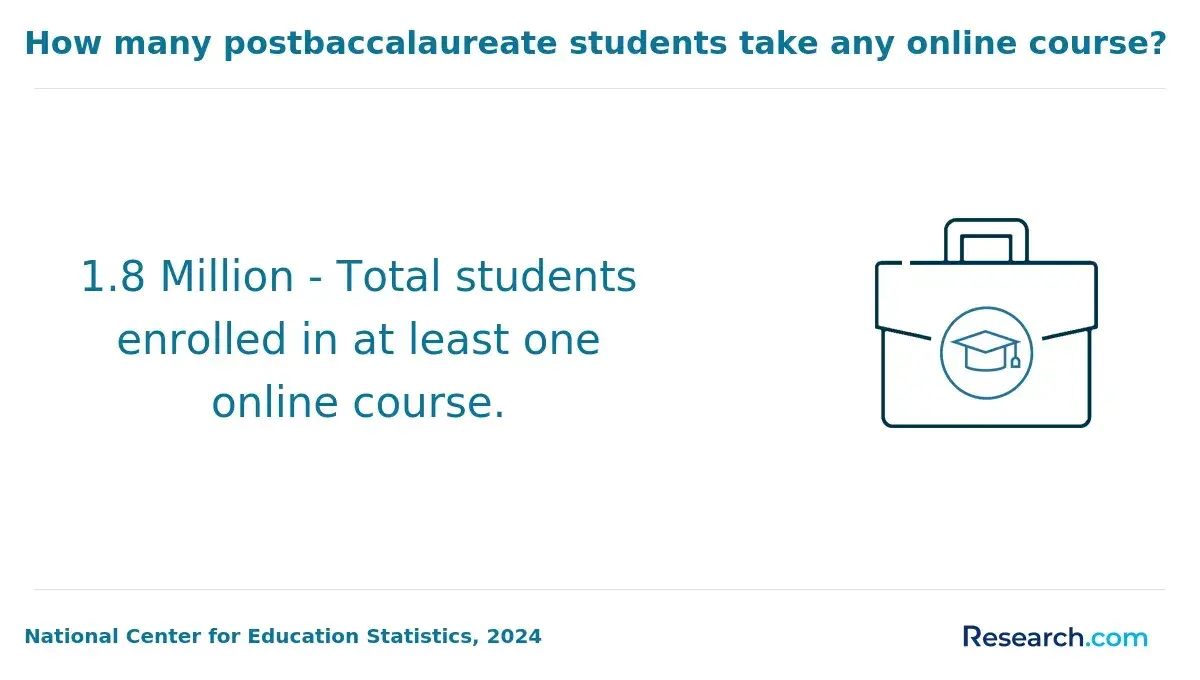
Are online master's degrees affordable and reputable for business owners?
They can be, but online delivery does not guarantee a lower total price or a flexible schedule. Compare online-specific fees and ask whether classes meet at fixed times. A program may also require a campus visit, proctored activity, internship, or locally arranged clinical placement.
Check the institution's recognized accreditation and, where the career requires it, relevant programmatic accreditation and state authorization or licensure eligibility.
Owners balancing a household move with study may also find scheduling ideas in guides to the best online colleges for military spouses, but they should verify the requirements of the particular graduate program.
What coursework do small business master's programs typically include?
The curriculum depends on the credential. An MBA commonly addresses finance, marketing, operations, and strategy; an analytics MS goes further into statistics and data tools.
Technical programs may require labs, while practice-oriented healthcare, education, counseling, and nursing tracks may include placements. Programs may finish with a capstone, portfolio, comprehensive exam, or thesis.
Read the required-course list before comparing prices. An affordable program is a poor buy if its electives are rarely offered or its final project cannot address a problem relevant to your business.
What admission requirements apply to affordable master's degree programs?
Standard master's admission requires a completed bachelor's degree. Schools may also review transcripts, GPA, recommendations, and a statement of purpose.
Individual programs can add prerequisites, experience, an interview, or a GRE or GMAT requirement or waiver. Technical and clinical degrees often have more specific preparation requirements than general management degrees.
If you have not completed a bachelor's degree, finish that eligibility step first. A cheap online bachelor degree may be worth comparing, provided it meets your later graduate program's prerequisites. Ask graduate admissions, not just the university's general admissions office, which requirements apply to your chosen master's.
How long do affordable master's degrees for entrepreneurs take?
Completion time depends on required credits, part-time or full-time enrollment, course sequencing, prerequisites, and any thesis or placement. An advertised accelerated schedule may assume continuous enrollment or previous qualifying preparation—conditions that may not fit the demands of running a company.
If speed matters, compare the remaining requirements with an online master option, but confirm its actual calendar and workload. Ask whether prior graduate-level coursework or a stackable graduate certificate can apply to the degree. Acceptance depends on school policy and course equivalency; undergraduate credit does not ordinarily count as master's credit.
What careers and salaries can master's degrees help business owners pursue?
A degree can support specialization or a move into employment, but an occupation's pay is not a forecast of what a graduate will earn.
For context, the U.S. Bureau of Labor Statistics reported a May 2024 median annual wage of $124,910 for information security analysts. That occupation may be relevant to a cybersecurity business, yet employers also assess technical experience and skills.
Estimate the degree's value using a realistic business outcome: work you could perform yourself, services you could add, or an outside role for which you meet all requirements. Compare that potential benefit with tuition, fees, financing costs, and time away from the business. Do not use an occupational median salary as guaranteed investment return.
Do small business owners need certifications or licenses after earning a master's?
It depends on the work they intend to perform. Business, analytics, and IT degrees do not generally create a license to operate a business.
Clinical nursing and counseling practice, certain school leadership roles, and some healthcare facility roles may require state licensure, certification, examinations, or supervised experience beyond the degree.
Before enrolling in a regulated-field program, check the rules in the state where you expect to work and ask the school whether its specific track meets the educational requirements there. A program's title or online availability is not proof of licensing eligibility.
How can you choose an accredited master's program for small business ownership?
Start with the business problem you want the degree to solve, then compare programs on the same basis. These checks help prevent a low sticker price from hiding a costly or unsuitable path:
- Confirm recognized institutional accreditation and any programmatic approval needed for your intended profession.
- Request the full degree plan and a personalized total-cost estimate, including fees, prerequisites, and in-person requirements.
- Ask for an evaluation of eligible previous graduate coursework before assuming credits will transfer.
- Check course schedules, final-project requirements, and licensing eligibility against your business obligations and location.
- Compare the degree with a certificate, targeted course, or hired specialist if your goal is narrow.
Choose the option whose cost and workload are manageable and whose curriculum advances a specific goal. Neither the cheapest tuition rate nor the most impressive program name answers that question alone.
Other Things You Should Know About Master's Degrees
It may be if you need broad financial, operational, and strategic skills and can apply them to your company. If you need only one skill, a shorter credential may cost less.
No degree field is consistently cheapest. Compare complete program quotes from accredited schools, including required credits, fees, prerequisites, and travel.
Often, especially with part-time study, but online courses can still have scheduled meetings and fixed deadlines. Check the full-term workload and any placements before enrolling.
Not automatically. Schools may consider experience for admission, but graduate credit generally requires an applicable, approved academic pathway or eligible prior graduate coursework.
References
- Credit for Prior Learning - Ohio Department of Higher Education https://highered.ohio.gov/students/adult-learners/credit-for-prior-learning
- Free small business counseling & local mentoring | Small Business Administration https://www.sba.gov/counseling/
- Money Smart for Small Business | FDIC.gov https://www.fdic.gov/consumer-resource-center/money-smart-small-business
- Estimate your college cost | USAGov https://www.usa.gov/estimate-college-cost
- What to Know About Your College's Net Price Calculator | Campus https://campus.edu/blog/financial-aid/your-colleges-net-price-calculator
- Tuition & Costs | New Jersey Institute of Technology https://www.njit.edu/admissions/tuition-costs
- MBA for Entrepreneurs: Types, Benefits, and Careers | SCU https://www.scu.edu/business/blog/mba/mba-for-entrepreneurs/
- Cost of Attendance | nyu.edu https://www.nyu.edu/admissions/financial-aid-and-scholarships/cost-of-attendance.html
- Online Master's in Business Administration Program | The University of Alabama at Birmingham https://www.uab.edu/business/home/programs/online/mba