2027 Most Affordable Online Master's Degrees for Non-Technical Careers

Co-Founder and Chief Data Scientist
A low tuition rate does not necessarily mean an affordable master's degree. Required credits, fees, placements, and time away from work can change the final bill. The decision matters: according to the U.S. Bureau of Labor Statistics (BLS), workers with a master's degree had median weekly earnings of $1,840 in 2024, though that figure does not show what any particular degree will add to your pay.
This guide helps career changers and working professionals compare online degree fields, identify genuinely non-technical paths, and calculate which options fit their goals and budget.
Key Things You Should Know
- Business, healthcare administration, education, and some counseling pathways are the clearest non-technical options; an online format does not make a technical curriculum non-technical.
- Compare the price of all required graduate credits and fees, plus placements or travel - not tuition per credit alone.
- Career value depends on the role: the BLS reported a 2024 median annual wage of $117,960 for medical and health services managers, but a degree alone does not qualify someone for management or guarantee that pay.
Top 10 Most Affordable Online Master's Degrees for Non-Technical Careers - Affordable Degree Rankings
Business / MBA Programs
An online Master of Business Administration (MBA) can suit people seeking broader responsibility in operations, finance, marketing, or management. A specialized MA or MS in management may cost less if it requires fewer credits, but compare the complete curriculum and fees rather than assuming it does. Check whether your undergraduate background triggers foundation courses and whether an internship or capstone adds expenses. An MBA may be less useful than targeted experience or a certificate if you need only one skill. Management jobs typically require relevant work experience as well as education.
Healthcare Administration & Management Programs
A Master of Healthcare Administration (MHA), healthcare management MS, or relevant Master of Public Health (MPH) can prepare students for administrative work rather than clinical practice. Compare required credits, healthcare-specific fees, and any residency or field experience. The least expensive general business degree may not provide the healthcare coursework an employer wants. Conversely, professionals already working in healthcare may not need an MHA to advance. These degrees do not grant a clinical license, and healthcare leadership roles commonly require industry experience.
Information Technology Programs
IT management and technology leadership tracks may appeal to non-programmers who already coordinate systems, vendors, or projects. An MS in information technology can still require networking, databases, or technical prerequisites, so inspect individual courses before calling it a non-technical option. Compare foundation-course charges and any software or lab fees with the cost of a business degree plus focused technology training. For someone without IT experience, an affordable online degree may not substitute for the practical background employers expect.
Computer Science Programs
An online MS in computer science is generally a technical degree, not a natural fit for a non-technical career goal. Programming, algorithms, and mathematical prerequisites can increase both cost and time for career changers. Some programs admit students from other majors but require additional preparation; eligibility and its price vary. Choose this route when you actually want computing work or substantial technical depth. For product coordination or organizational leadership, a less technical business or management curriculum may offer a better match.
Cybersecurity Programs
Cybersecurity master's degrees span technical security engineering and less technical governance, risk, policy, and compliance. An MS with policy-focused electives can fit someone aiming for oversight, but required labs or computing prerequisites may raise its total cost. Review the core courses - not just the concentration name - and ask whether industry experience or a professional certification would better serve your immediate goal. A cybersecurity degree by itself does not establish eligibility for a particular security clearance, certification, or senior role.
Data Science / Analytics Programs
An MS in data science usually requires statistics and programming; it should not be marketed as a non-technical shortcut. Business analytics programs may place more emphasis on decisions and communication, but many still require quantitative coursework. Prerequisites, specialized software, and project requirements affect the real price. If your goal is to interpret reports and manage analysts rather than build models, compare an MBA analytics concentration or a shorter certificate before paying for a technically intensive master's degree.
Education / Educational Leadership Programs
An online Master of Education (MEd) or educational leadership MA can suit licensed teachers seeking curriculum or school leadership responsibilities. Compare tuition with certification expenses, required fieldwork, and time needed to meet experience rules. A lower-cost program is poor value if it does not meet your state's requirements for a desired school role. Some programs are intended for practicing educators and do not provide initial teacher licensure; verify both admissions eligibility and the exact credential outcome before applying.
Counseling / Psychology Programs
Clinical counseling master's degrees can be practice-oriented paths toward licensure, while many general psychology MA or MS programs are academic or research-oriented and do not qualify graduates for counseling licensure. Supervised practica, local placement availability, and later licensing requirements can make an apparently inexpensive online program costly or impractical. Compare total credits and placement support, then confirm your state board's educational rules. Someone interested in organizational behavior rather than clinical practice may be better served by a non-licensure program.
Nursing Programs
A Master of Science in Nursing (MSN) is generally for licensed nurses, making it unsuitable for most non-technical career changers. Nursing administration tracks may focus on leadership, but admission can require an RN license and nursing degree. Advanced practice tracks add clinical and state-specific requirements. Compare clinical placement obligations, specialty fees, and certification eligibility - not just online tuition. If your aim is healthcare administration without nursing practice, an MHA or healthcare management degree is usually a more relevant comparison.
Engineering Management Programs
An engineering management MS often combines operations, finance, and project leadership with technical prerequisites or coursework. It may fit an engineer moving toward management, but it is rarely the cheapest entry point for someone with no engineering background. Check admission requirements, foundation courses, and whether your employer values this specialization over an MBA. Professional experience still matters for leadership appointments; the degree alone does not confer engineering licensure or qualify graduates for a management position.
What Are the Most Affordable Online Master's Degrees for Non-Technical Careers?
For a non-technical career, start by comparing an MBA or management master's, an MHA, an MEd, and - if clinical practice is the goal - a counseling master's. There is no reliably cheapest degree field across all schools: total required credits, tuition category, fees, and in-person obligations determine what is affordable for you. These are degree types to investigate, not a ranking of individual universities. For institution-level comparisons, use affordable online masters programs as a starting point, then verify current prices with each school.
The comparison below shows where costs and career fit can diverge, particularly when a title sounds non-technical but the coursework is not.
| Degree path | Most relevant goal | Cost or fit issue to check |
| MBA or management MA/MS | Broad organizational or business work | Foundation courses, program fees, and whether experience matters more |
| MHA or healthcare management MS | Healthcare administration | Required fieldwork and healthcare-specific coursework |
| MEd or educational leadership MA | Education advancement | State credential rules and field requirements |
| Counseling MA/MS | Potential route toward clinical licensure | Practica, placement costs, and state approval |
| IT, computer science, cybersecurity, analytics, or engineering management MS | Technical or technical-adjacent work | Prerequisites and technical core courses; not automatically non-technical |
The best-value option is the least costly eligible route to your actual goal, not simply the degree with the lowest advertised rate.
How Much Do Affordable Online Master's Degrees Cost?
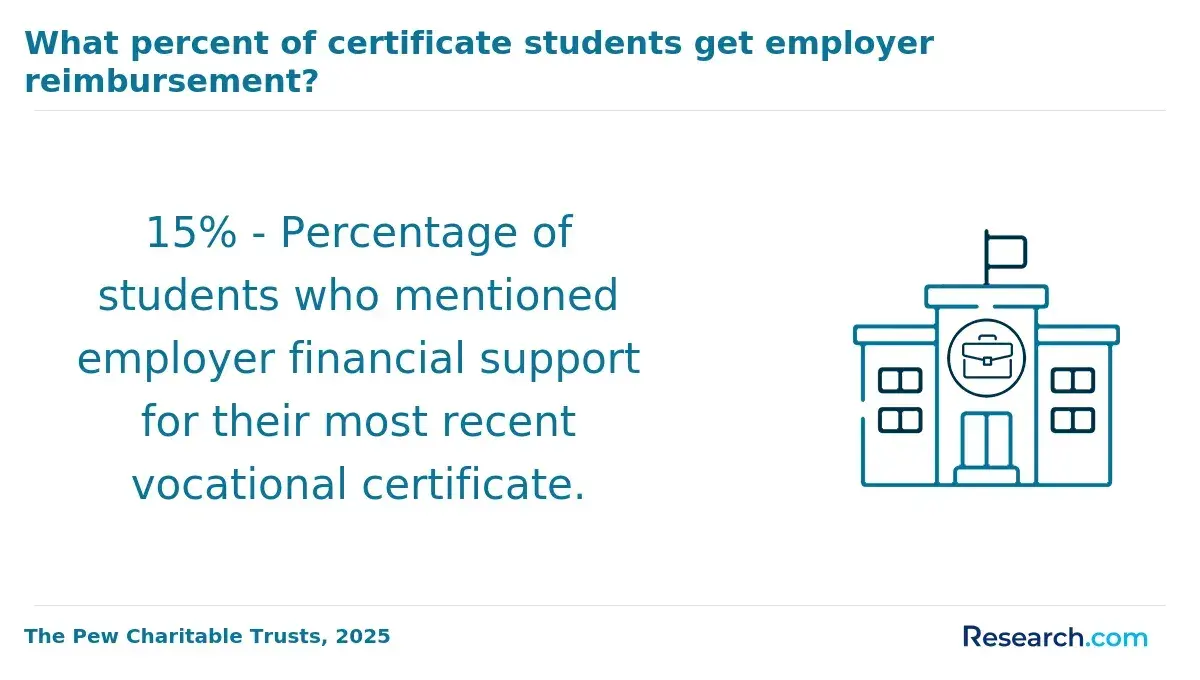
Total program cost is required graduate tuition plus mandatory and program-specific fees, required materials, and any travel or placement expenses. Tuition is only one component; an advertised per-credit price is not a final bill. Net cost is lower only when grants, scholarships, or employer assistance actually reduce what you must pay. Loans can help cover charges but must be repaid.
Use these cost categories to request comparable, personalized estimates from schools. They explain why two programs with similar tuition rates can have different final costs.
| Cost component | What changes the amount |
| Graduate tuition | Required credits, residency classification, and differential tuition |
| Mandatory and program fees | Technology, online-course, laboratory, and graduation charges |
| Additional coursework | Prerequisites or foundation classes not included in the quoted degree credits |
| Experiential requirements | Travel, unpaid placement time, background checks, or required campus visits |
| Financing | Interest on borrowed funds; scholarships and employer benefits may reduce borrowing |
Ask each school for a written estimate based on your residency, enrollment pace, and prerequisites. Working adults comparing most affordable online colleges for working adults should also check whether tuition benefits require a minimum course load or continued employment. An aid offer is not the same as a reduction in tuition if most of it consists of loans.
Are Affordable Online Master's Degrees Accredited?
Affordable online master's degrees can be accredited, but online delivery or a university's reputation is not proof. Confirm that the institution holds accreditation recognized by the U.S. Department of Education and that the accreditation covers the institution awarding the degree.
Programmatic accreditation matters most when an employer, certification body, or state licensing board expects it. For counseling, nursing, education, and some healthcare programs, ask which specific program and delivery pathway is covered, whether approval applies to your state, and whether current students will remain eligible if an accreditation status changes. Institutional accreditation alone does not establish licensure eligibility.
Which Non-Technical Careers Require a Master's Degree?
Among the paths discussed here, licensed professional counseling commonly requires a qualifying master's degree, followed by additional state requirements such as supervised practice and examination. Some school leadership credentials also require graduate education, educator licensure, and prior teaching experience; rules vary by state and position.
Many business, healthcare administration, IT governance, and analytics-related jobs do not universally require a master's degree. Experience or a narrower credential may be a less expensive route. If a job posting names a master's as preferred rather than required, compare the likely value of graduate study with the value of continuing to work and build relevant experience.
What Are the Admission Requirements for Online Master's Programs?
Admission ordinarily requires a completed bachelor's degree and transcripts. Depending on the program, applicants may also need recommendations, a statement of purpose, a résumé, an interview, or prerequisite coursework. An MBA may value professional experience; an MSN may require nursing credentials; technical MS programs may require computing or quantitative preparation.
Do not infer a graduate program's minimum GPA, GRE or GMAT policy, or conditional-admission option from the university's undergraduate admissions page. Ask the program whether missing prerequisites are required before admission or can be completed afterward, and obtain their cost. If you already hold graduate credit, request an evaluation of whether it satisfies degree requirements - not merely whether the university accepts it.
How Long Do Online Master's Degree Programs Take?
Online master's programs may take roughly a year to several years, depending on required credits, full- or part-time enrollment, course sequencing, and culminating work. Clinical placements, school fieldwork, prerequisites, and a thesis can extend the timeline. A short individual course does not mean the entire degree finishes quickly.
When comparing formats, distinguish self-paced coursework from courses that have fixed weekly deadlines, scheduled live meetings, or limited annual offerings. A guide to the best self paced online college can help frame scheduling questions, but confirm flexibility for the specific graduate program. Also ask whether eligible previous graduate credits reduce remaining requirements; a transfer-friendly policy does not guarantee that every prior course will apply.
Can Online Master's Degrees Lead to Licensure or Certification?
Yes, some online master's programs provide required education toward licensure or certification, but the degree is not the license. Counseling can require supervised postdegree practice and an examination. School leadership and teaching credentials depend on state rules; nursing specialties may require an active RN license, clinical training, and a separate certification or state authorization.
Before enrolling, check the licensing board or credentialing authority in the state where you intend to work. Ask the school to identify the exact credential its program prepares students for, any in-person placements, and whether it can help arrange those placements where you live. A program that is affordable but ineligible for your target credential is not a bargain.
What Salaries and Job Outlook Can Graduates Expect?
Occupational wages describe jobs, not what graduates of a given master's program earn. The BLS reported a 2024 median annual wage of $117,960 for medical and health services managers. That figure includes workers with varied education and experience; management positions typically require relevant professional background.
Use BLS Occupational Outlook Handbook profiles to compare duties, typical entry-level education, wages, and projected employment for your target occupation. The decision is whether the degree adds something you cannot obtain more economically through experience, a certificate, or employer training. Growth in an occupation does not guarantee openings in your location, and a higher occupational median is not evidence that a particular master's degree will raise your salary by that amount.
How Should You Choose a Reputable Affordable Online Master's Program?
Start with the job you want, then compare programs that meet its educational requirements. Request a complete cost estimate and review the published curriculum, accreditation, admissions rules, and online attendance requirements. If your goal does not require graduate education, compare the price and usefulness of a certificate or additional experience; an easiest master degree is not necessarily the best-value choice.
Before paying a deposit, use this sequence to catch the most consequential and costly mismatches:
- Confirm the exact job or license requirements with employers or your state board.
- Get written estimates of remaining credits, tuition, mandatory fees, prerequisites, and placement or travel costs.
- Check institutional and, where relevant, programmatic accreditation and state authorization.
- Ask for a graduate transfer-credit evaluation and a realistic completion schedule based on your enrollment pace.
- Compare the total cost with expected career value and less expensive alternatives without assuming a promotion or salary increase.
Red flags include an unexplained "total cost," vague claims that a program is fully online despite required visits, and assurances of licensure without reference to your state. Get those answers in writing before committing.
Other Things You Should Know About
No field is consistently cheapest. Compare the full required credit load, tuition category, fees, and any prerequisites or in-person requirements for programs that fit your goal.
Often, but eligibility varies. Some business and management programs accept multiple majors; counseling, nursing, and technical programs may require specific preparation or credentials.
Coursework may be online while practicums, student teaching, or other field experiences occur in person. Confirm placement and state credential requirements before enrolling.
Possibly, if its skills or credential support a specific goal. Compare its total cost and time commitment with relevant experience, a graduate certificate, or employer-supported training.
References
- Accreditation in the U.S. | ed.gov http://www.ed.gov/laws-and-policy/higher-education-laws-and-policy/college-accreditation/accreditation-in-the-us
- Cost of Attendance (Budget) | 2025-2026 Federal Student Aid Handbook https://fsapartners.ed.gov/knowledge-center/fsa-handbook/2025-2026/vol3/ch2-cost-attendance-budget
- Types of Financial Aid: Grants, Work-Study, and Loans | studentaid.gov https://studentaid.gov/understand-aid/types
- Estimate your college cost | USAGov https://www.usa.gov/estimate-college-cost
- Online vs. In-Person College: What Employers Really Think About Each - CityU of Seattle https://cityu.edu/online-vs-in-person-college/
- Employer Tuition Assistance Plans May Help Pay for College | Campus https://campus.edu/blog/financial-aid/employer-tuition-assistance-programs-can-help-pay-for-college
- Online Learning Experience - UK Online - University of Kentucky https://online.uky.edu/online-learning-experience
- UMass Global MyPath: Self-Paced Programs https://www.umassglobal.edu/why-umassglobal/flexible-ways-to-learn/self-paced
- Online & Hybrid Student Experience | Simmons University https://www.simmons.edu/student-experience/online-hybrid-student-experience
- What Is Experiential Learning and Why Is It Important? | ACE Blog https://ace.edu/blog/what-is-experiential-learning/