2027 Most Affordable Master's Degrees for Older Adults

Co-Founder and Chief Data Scientist
Returning to school can be expensive, especially when you need to protect retirement savings or keep working. The most affordable master's degree is therefore the one you can finish at a manageable total cost - not simply the one with the lowest advertised tuition. The decision matters: the U.S. Bureau of Labor Statistics (BLS) reported a May 2024 median annual wage of $117,960 for medical and health services managers, but that occupational figure does not predict a graduate's pay. This guide compares degree fields, hidden costs, scheduling demands, and career requirements so older adults can identify a worthwhile next step.
Key Things You Should Know
- No master's degree field is automatically the cheapest: compare required credits, graduate tuition, mandatory fees, prerequisites, and in-person costs to estimate the full bill.
- For a practical starting point, compare public-university options in your state and employer-supported programs; confirm whether part-time enrollment preserves any aid or tuition benefit.
- Career value depends on your starting experience. BLS occupational wages describe jobs, not what earning a master's degree will cause you to earn.
Top 10 Most Affordable Master's Degrees for Older Adults
Business / MBA Programs
A Master of Business Administration (MBA) may suit experienced adults seeking broader management skills; a specialized MS in management may offer a narrower course of study. Compare the total tuition and fees for each, because MBA program charges can offset an attractive per-credit rate. Ask whether work experience qualifies you to waive foundation courses - not whether it automatically earns graduate credit. Online courses may still require live meetings or team projects. If your goal is one specific skill rather than a career shift, an employer-funded certificate may cost less.
Healthcare Administration & Management Programs
A Master of Healthcare Administration (MHA) or healthcare-focused MBA can build on clinical or administrative experience. Compare programs against the role you want: finance and operations coursework may serve a different goal from public-health policy training. Look beyond tuition for required internships, residencies, and travel. An online MHA may still include scheduled sessions or experiential work. Neither degree alone makes a graduate a healthcare manager; employers may also expect substantial industry and supervisory experience.
Information Technology Programs
An MS in information technology may cover systems, cloud infrastructure, or IT leadership. It can suit an experienced professional seeking specialization without the mathematics or software-development focus of some computer science programs. Check for prerequisite courses before comparing prices: a lower tuition quote can lose its advantage if you must take additional classes. A portfolio, relevant certification, or targeted graduate certificate may be a less costly first step if you only need one technical skill.
Computer Science Programs
An MS in computer science can support advanced software or computing study, but programs differ substantially in mathematics prerequisites, research requirements, and laboratory access. Career changers should price required bridge coursework alongside graduate credits. A thesis track may fit a research goal; a coursework or capstone track may fit applied work better. Neither format guarantees a software job, and some such jobs do not require a master's degree. Compare the degree with lower-cost ways to demonstrate the specific skills employers request.
Cybersecurity Programs
An MS in cybersecurity may focus on technical defense, risk management, or policy. Choose according to your current experience: a professional with IT experience may benefit from advanced specialization, while a newcomer may first need foundational systems knowledge. Compare lab fees and prerequisite courses as well as tuition. Certifications can sometimes address a narrower employment requirement for less money, though they are not substitutes for every role or for the broader graduate education you may want.
Data Science / Analytics Programs
An MS in data science or analytics commonly combines statistics, programming, and applied projects. Before choosing the cheapest published rate, check whether your background meets the mathematics and coding prerequisites. A business analytics curriculum may better suit someone applying data at work; a research-oriented data science curriculum may demand deeper technical preparation. Ask whether the capstone uses realistic datasets and whether software or computing charges are required. If you need only introductory analytics skills, compare a certificate first.
Education / Educational Leadership Programs
A Master of Education (MEd) may help an established educator specialize, while an educational leadership program may target administration. Costs can rise if a program requires fieldwork or courses that do not count toward your intended credential. Teachers should check district salary schedules and tuition assistance before assuming the degree will increase pay. Aspiring principals should verify state licensure rules, required teaching experience, and any approved-program requirements; a low-cost MEd that does not meet them may be poor value.
Counseling / Psychology Programs
An MA or MS in counseling can be a route toward professional practice, but clinical placements and supervised training can limit paid-work hours. A general psychology master's degree is not necessarily a counseling-licensure pathway. Before comparing tuition, confirm that the curriculum, accreditation where relevant, and placement arrangements match the state where you intend to practice. Budget for travel, supervision, examinations, and possible post-degree requirements. A cheaper program that cannot support your intended license is not an affordable choice.
Nursing Programs
A Master of Science in Nursing (MSN) may support nursing leadership, education, or advanced practice; these are distinct pathways with different costs. Admission commonly depends on the program's nursing preparation and license requirements. Clinical placements, travel, and reduced work hours can substantially affect an advanced-practice student's budget. Confirm whether the program arranges local placements and meets your state's requirements. An MSN alone does not confer an advanced-practice license, and a leadership-focused MSN should not be mistaken for clinical preparation.
Engineering Management Programs
An MS in engineering management can help engineers develop project, operations, and financial decision-making skills. It may be a better fit than an MBA when you want coursework tied closely to technical organizations. Compare employer reimbursement, required credits, and any campus-based laboratory or project work. Some programs expect an engineering or quantitative background, so check prerequisites before treating tuition as the full cost. The degree can strengthen preparation for management, but promotion also depends on experience and employer needs.
What Are the Most Affordable Master's Degrees for Older Adults?
The most affordable option is a field-and-program combination that meets your goal at the lowest realistic completion cost. There is no defensible price ranking of MBA, MEd, MS, MSN, and other degree types without comparing actual school charges and requirements. Public-university tuition, employer support, and credits formally accepted toward the degree can matter more than the field name.
This comparison shows where older adults may find savings - and where an apparently inexpensive option can become costly. It compares degree families, not particular schools or guaranteed prices.
| Degree family | Potential cost advantage | Expense to verify |
| Business or management | Employer assistance may apply to job-related study | Program fees and foundation courses |
| Education | District support may reduce out-of-pocket cost | Credential-specific coursework and fieldwork |
| Computing or analytics | Online coursework may reduce travel | Prerequisites, software, and lab charges |
| Counseling or nursing | Local placements may reduce travel | Clinical hours and potential lost work time |
Ask each school for an estimate based on your residency, enrollment pace, prerequisites, and required courses. Published tuition is a sticker price; your out-of-pocket cost also depends on aid and employer benefits, while the total cost of attendance may include expenses beyond the school bill.
Are Online Master's Degrees Affordable for Older Adults?
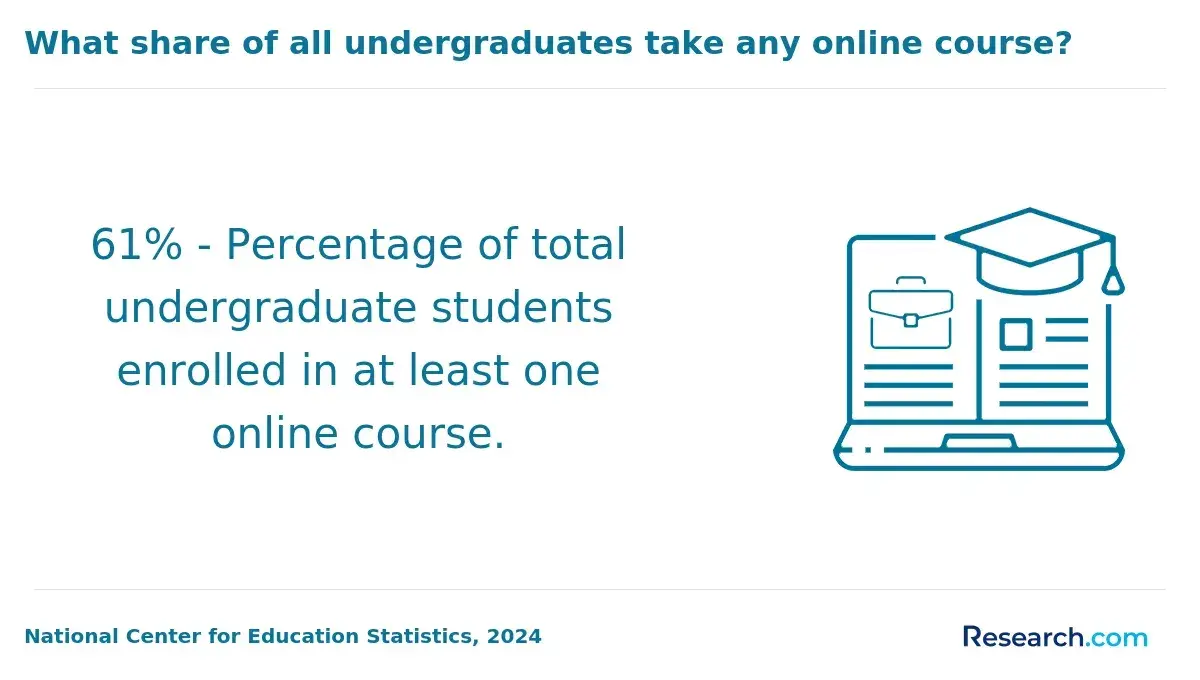
Online master's degrees can be affordable for older adults when they eliminate commuting or relocation and allow continued employment. Online delivery does not, by itself, lower tuition or make a schedule flexible. Check technology fees, live attendance, course availability, proctored assessments, and required campus visits before comparing an online quote with a local campus option.
Some students also consider a competency based degree format. Its value depends on the school's graduate-level offerings, payment structure, and how quickly you can complete required work. Never assume prior employment automatically becomes master's credit.
How Can Older Adults Pay for an Affordable Master's Degree?
Start with funding that does not have to be repaid, then compare any remaining borrowing with the career benefit you realistically expect. Graduate students should confirm current eligibility and terms with the financial aid office rather than assuming undergraduate aid rules apply.
These steps help reveal the actual amount you would need to pay:
- Request a written estimate of all required tuition, fees, prerequisites, and in-person expenses through graduation.
- Ask your employer or professional association about tuition assistance, reimbursement conditions, and continued-employment requirements.
- Check school scholarships, assistantships, and federal aid eligibility; submit the Free Application for Federal Student Aid when appropriate.
- Compare the remaining cost with your available savings and a conservative repayment plan before accepting loans.
For older adults, preserving emergency savings and accounting for reduced work hours can be as important as minimizing tuition.
Which Master's Degrees Offer Strong Career Opportunities for Older Adults?
The strongest career opportunity is usually one that builds on experience you already have or provides a verified path into the occupation you want. Healthcare administration may complement clinical experience; an MEd may support a defined school credential; an MS in analytics may deepen work you already do with data. A career change can be worthwhile, but prerequisites and entry-level job requirements may make it more expensive than the tuition suggests.
Use guides to best majors as background on subject areas, not as proof that a graduate degree will pay off. Compare local job postings, the preparation they require, and the value the master's would add beyond your current qualifications.
How Do You Choose an Accredited Master's Program?
Start by confirming that the institution holds recognized accreditation, then check whether your intended occupation calls for a particular program approval or accreditation. The distinction matters most when a degree is meant to satisfy education requirements for licensure or certification. Do not rely on a school's general accreditation as proof that a specific counseling, nursing, or educator pathway qualifies you in your state.
Before paying an application fee, ask the program and the relevant state board whether the curriculum and placements meet requirements where you intend to work. Get the answer in writing, particularly if you plan to study online from another state.
What Are the Admission Requirements for Older Adult Students?
Older adults generally apply under the same graduate admissions standards as other students: a completed bachelor's degree and the program's required application materials. Requirements may include transcripts, references, a statement of purpose, prerequisites, an interview, professional experience, or a license. GPA thresholds and GRE or GMAT policies vary by program; a school's undergraduate admission policy does not establish its graduate rules.
If your bachelor's degree is in another field, ask whether bridge courses are required and whether they carry graduate credit. If an earlier GPA is a concern, ask about published conditional-admission options rather than assuming years of experience waive academic requirements.
How Long Do Affordable Master's Degree Programs Take?
Completion time depends on required graduate credits, how many courses you can take while working, course sequencing, and any thesis, capstone, or clinical placement. Part-time study may keep your income steady but extend the time you pay fees; intensive study may shorten enrollment while reducing available work hours.
When comparing a fastest online master's degree with a lower-cost program, check what the advertised timeline assumes. Ask whether it requires full-time enrollment, specific prerequisites, or previously earned graduate-level credit. Request a transfer evaluation showing which eligible credits apply to your degree; undergraduate coursework and work experience do not normally substitute for master's credits.
What Jobs and Salaries Can Master's Graduates Expect?
Master's graduates may pursue roles in management, education, computing, or licensed practice, but salary depends on the occupation, location, experience, and employer - not the degree alone. For context, BLS reported a May 2024 median annual wage of $117,960 for medical and health services managers. That is a median for people employed in the occupation; it is neither an entry salary nor an estimate of the financial return on an MHA.
Lists of majors that make the most money can suggest fields to investigate, but they cannot establish what a new master's graduate will earn. For a sounder comparison, match each prospective job to its usual education and experience requirements, then weigh the potential advancement against the degree's full cost.
Which Master's Degrees Require Professional Licensure or Certification?
Counseling, certain education pathways, and advanced-practice nursing can lead toward occupations with state licensure or certification requirements. Engineering management and business degrees do not generally grant an occupational license; particular engineering work may be regulated separately. Requirements vary by role and state, and can include an approved curriculum, examination, clinical or supervised hours, and an active underlying professional license.
Check the licensing board's current rules before enrolling, especially if you live in one state and attend an online school in another. A degree that is inexpensive but ineligible for your intended credential can be the costliest mistake on this list.
Other Things You Should Know About
Generally, no. Confirm the program's academic and professional requirements rather than assuming age affects eligibility.
Not without checking required credits, fees, prerequisites, placements, and residency charges. Compare estimates through graduation, not just the price of one course.
It may help you meet admission requirements or qualify for a published waiver, but it does not automatically earn master's credit. Ask the school how any waiver affects required credits and cost.
It may be if it supports a specific goal at a cost you can comfortably manage. Consider how long you expect to use the qualification, whether your employer will help pay, and whether a certificate or shorter training would meet the same goal.
References
- College Affordability and Transparency | U.S. Department of Education https://www.ed.gov/higher-education/paying-college/college-affordability-and-transparency
- Independent Study And Online Learning | Veterans Affairs https://www.va.gov/education/about-gi-bill-benefits/how-to-use-benefits/online-distance-learning/
- Post-Secondary Employment Outcomes (PSEO) | Census.gov https://www.census.gov/data/experimental-data-products/post-secondary-employment-outcomes.html
- Cost of Attendance (Budget) | 2025-2026 Federal Student Aid Handbook https://fsapartners.ed.gov/knowledge-center/fsa-handbook/2025-2026/vol3/ch2-cost-attendance-budget
- College Affordability and Transparency List - ed https://www.collegecost.ed.gov/affordability
- College Navigator - National Center for Education Statistics https://nces.ed.gov/collegenavigator/
- Eligibility Requirements | Federal Student Aid https://studentaid.gov/understand-aid/eligibility/requirements
- Tuition Waivers for Senior Citizens | dhewd.mo.gov https://dhewd.mo.gov/ppc/senior-citizens-tuition-waiver
- Adult Students | Federal Student Aid - Financial Aid Toolkit https://financialaidtoolkit.ed.gov/tk/outreach/target/adults.jsp
- Enrollment Policy and Transfer of Credits for Financial Aid | Academics at Walden University https://academicguides.waldenu.edu/student-handbook/enrollment-transfer-credit