2027 Best Online Master's Degrees With Monthly Start Dates

Co-Founder and Chief Data Scientist
Missing a fall application deadline should not mean waiting another year to pursue a master's degree. Some online programs offer frequent entry points, but "monthly starts" can mean anything from a new cohort every month to an application that remains open year-round.
This guide compares degree fields for working adults and career changers, then shows how to check actual course availability, cost, and career fit. The stakes are real: the U.S. Bureau of Labor Statistics (BLS) reported a $124,910 median annual wage for information security analysts in 2024, though a master's degree alone does not qualify someone for that role.
Key Things You Should Know
- A monthly application deadline is not the same as a monthly program or required-course start.
- Choose by career goal: MBA and IT degrees often serve experienced professionals; counseling, nursing, and education pathways may also involve state-specific practice requirements.
- Compare the whole commitment. Required credits, course sequencing, fees, and placements can matter more than how soon the first class begins.
Top 10 Best Online Master's Degrees With Monthly Start Dates - Monthly-Start Master's Degrees
Business / MBA Programs
An online Master of Business Administration (MBA) is a strong option for professionals seeking broader management, finance, and operations skills. Some MBA programs use frequent entry terms, but a monthly first course does not mean every concentration or capstone starts monthly.
Compare prerequisite or foundation courses, team-project schedules, total tuition, and employer tuition assistance. An MBA may add less value for someone seeking a narrowly technical role than an MS in the relevant specialty.
Healthcare Administration & Management Programs
A Master of Healthcare Administration (MHA) or healthcare-focused MBA can suit professionals moving toward healthcare operations, finance, or quality improvement. Check whether monthly entry extends to required courses and whether internships or residencies create fixed scheduling points.
These are generally management degrees, not clinical licenses. Employers often expect relevant healthcare experience for leadership positions, so compare the curriculum with your current role and intended next step.
Information Technology Programs
An MS in information technology commonly covers systems, cloud infrastructure, and IT project leadership. Its applied course structure may work well with frequent online starts, particularly for professionals who already have technical experience.
Ask whether networking labs, group projects, or a capstone require scheduled attendance. Career changers should check programming and systems prerequisites: an early start date is less useful if foundation courses delay entry into the main curriculum.
Computer Science Programs
An MS in computer science can support advanced software, systems, or research interests. It may require prior coursework in programming, algorithms, and mathematics, even when applicants hold a bachelor's degree in another field.
Monthly admission is particularly worth checking against prerequisite and advanced-course schedules; a required course offered infrequently can extend completion time. Compare thesis and non-thesis options if your goal is doctoral study rather than immediate professional specialization.
Cybersecurity Programs
An MS in cybersecurity may emphasize security engineering, risk management, or digital forensics. The best fit depends on whether you want hands-on technical work or governance and policy responsibilities.
Confirm that required labs and specialized courses are available after the advertised monthly entry date. A degree can deepen expertise, but relevant experience, employer requirements, and sometimes professional certifications still shape access to security roles.
Data Science / Analytics Programs
An MS in data science or analytics can be useful for professionals who want to apply statistics, programming, and data modeling. Analytics programs may lean toward business decisions, while data science programs may demand more mathematics and computing; review courses rather than relying on the title.
Ask whether prerequisites must be completed before a monthly start and whether the capstone requires access to an employer project or external data partner.
Education / Educational Leadership Programs
A Master of Education (MEd) or educational leadership degree may support instructional improvement or school administration. These are not interchangeable paths: a principal-licensure track may require teaching experience, supervised fieldwork, and state-approved coursework.
An online monthly start cannot remove school-calendar constraints on placements. Before applying, confirm that the specific track meets requirements in the state where you intend to work.
Counseling / Psychology Programs
A counseling master's may be designed for professional licensure, while an MA or MS in psychology may instead emphasize research or nonclinical applications. Verify the intended license, state curriculum rules, supervised practicum and internship requirements, and any required in-person activities.
Frequent online coursework starts do not necessarily mean frequent clinical-placement starts. A general psychology master's should not be assumed to qualify graduates to practice independently as psychologists.
Nursing Programs
A Master of Science in Nursing (MSN) may prepare registered nurses for education, leadership, or an advanced practice pathway. Admission commonly depends on nursing preparation and an active RN license; bridge routes have separate eligibility rules.
Ask whether monthly academic starts align with clinical-course sequencing and whether you must secure local placements. Advanced practice eligibility also depends on the program, certification, and state licensing requirements.
Engineering Management Programs
An MS in engineering management blends technical decision-making with operations, finance, and project management. It may fit engineers seeking broader responsibility without moving into a general MBA curriculum.
Confirm whether applicants need an engineering or quantitative background and whether specialized electives begin as frequently as introductory courses. Experience remains important for management hiring; the degree itself is not a promotion credential.
What are the best online master's degrees with monthly start dates?
The best choice is the degree field that meets your career goal and has a verified start date for the courses you actually need. The fields below are comparison options, not a ranking of particular schools: start frequency varies by institution and sometimes by concentration.
This comparison separates broadly career-advancement-oriented degrees from paths where prerequisites or supervised work can limit the practical benefit of a monthly start.
| Degree field | Potential fit | Scheduling issue to verify |
| MBA or IT | Broad advancement for experienced professionals | Concentration and capstone availability |
| Computer science, cybersecurity, or data science | Technical specialization or a prepared career change | Prerequisites, labs, and advanced-course sequence |
| Healthcare administration or engineering management | Management development within an existing field | Internship, project, or specialty-course timing |
| Education, counseling, or nursing | Professional development or a defined credential pathway | State requirements and placement calendars |
For a quick start with minimal location constraints, first investigate professionally oriented tracks without required placements. For a licensed occupation, prioritize an eligible program and workable placement plan over the earliest advertised start.
How do monthly start dates work for online master's programs?
Monthly starts usually mean a program offers an opportunity to begin coursework in many months of the year. They do not necessarily mean students can start any course on demand. Schools may admit a new cohort each month, open selected courses monthly, or accept applications continuously while classes start less often.
Before choosing a date, establish what happens between admission and your first required courses. These questions expose the difference between a convenient entry point and a genuinely flexible path to graduation.
- Ask for the next available start date for your exact degree and concentration, not just the university.
- Request a term-by-term course plan showing when required courses, electives, and the capstone run.
- Confirm application, financial-aid, registration, and payment deadlines for that start.
- Check whether later courses require a cohort, synchronous sessions, a placement, or a campus visit.
Are online master's degrees with monthly starts accredited?
Online and monthly-start master's programs can be accredited, but neither delivery format nor start frequency establishes accreditation. Check the institution's current accreditation with its recognized institutional accreditor and confirm that the degree, not merely the university, meets any field-specific requirements relevant to your goal.
Programmatic accreditation is especially consequential when a credential or employer requires it. For counseling, nursing, and educator preparation, also confirm state approval or licensing-board eligibility in the state where you plan to practice. Accreditation and licensure eligibility answer different questions; verify both when applicable.
Which online master's programs offer the shortest completion times?
Programs with fewer required credits and no prerequisites, thesis, or placement may offer the shortest route, but a short course is not a short degree. MBA and applied IT tracks may have comparatively straightforward sequences for qualified applicants.
Clinical and licensure-oriented paths can take longer because supervised work must fit real-world schedules. No field has one reliable completion time across all institutions.
Ask schools for an individualized graduation plan showing required credits, the maximum feasible course load, and when each course runs.
If speed is your priority, compare the assumptions behind the quickest cheapest master's degree claim rather than treating an advertised minimum as your expected timeline. Eligible prior graduate coursework may help, but only an official evaluation can show which credits apply.
What are the admission requirements for monthly-start master's programs?
Most master's programs require a completed bachelor's degree, transcripts, and a graduate application. Depending on the field, a program may also review undergraduate GPA, prerequisite courses, professional experience, recommendations, a statement of purpose, a portfolio, or an interview.
GRE or GMAT policies vary by program; do not infer a graduate policy from a university's undergraduate admissions page.
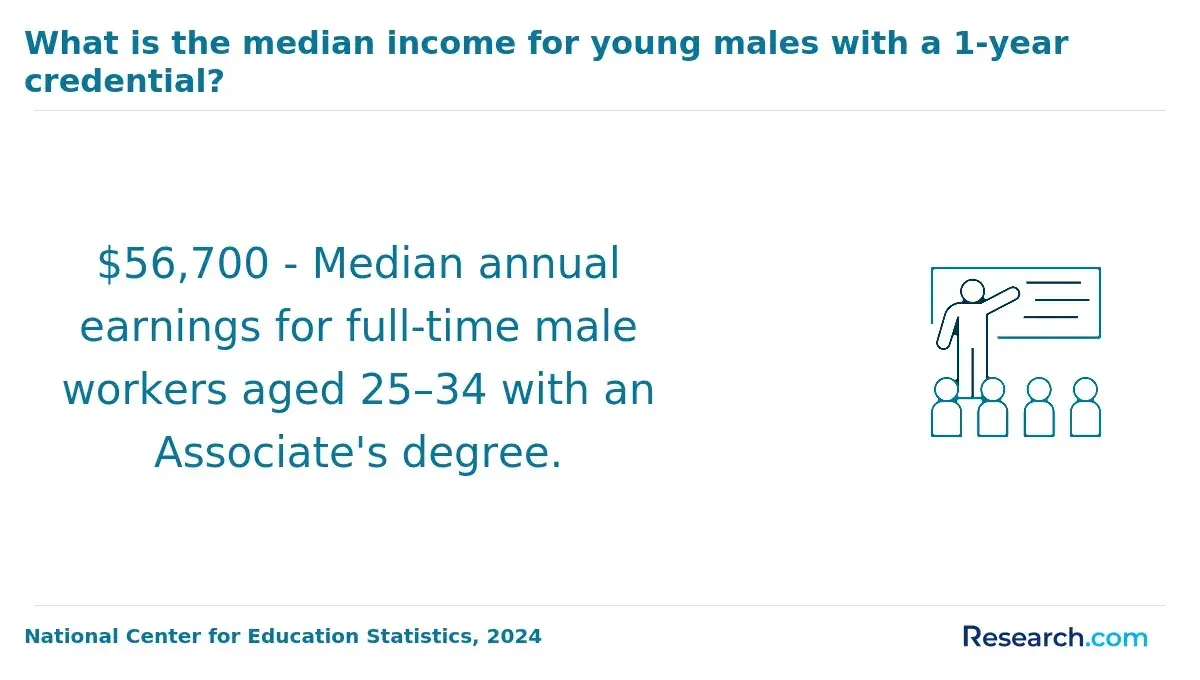
Monthly entry does not imply less selective admission. If you have not completed a bachelor's degree, an online associate degree may be an earlier educational step, but it does not by itself meet standard master's admission requirements. Ask whether missing prerequisites can be taken before or alongside graduate coursework and how that changes your start and finish dates.
How much do online master's degrees with monthly starts cost?
There is no dependable single price for a monthly-start online master's degree. Total cost depends on required graduate credits, tuition rates, mandatory and program-specific fees, books and software, and any travel or placement expenses. A low per-credit price may cost more overall if the program requires additional credits or foundation courses.
Compare written estimates for the entire degree, not the first term. Ask whether tuition changes by residency status, when aid becomes available for your chosen start, and whether employer assistance, scholarships, or federal graduate aid apply. Also check the refund deadline: enrolling quickly without a workable funding plan can make a flexible start expensive.
How do online master's programs compare with campus-based degrees?
Online study can remove a commute and widen your choice of schools, but it is not automatically self-paced. Some programs schedule live classes or fixed group work; others require local clinical placements or occasional campus attendance. Campus programs may offer easier access to facilities or in-person networking, depending on the field.
Compare the weekly schedule and location requirements of actual programs, not "online" and "campus" as labels. For a household likely to relocate, including a military family, guidance on colleges for military spouses can help frame portability questions. In a licensed field, relocation makes state eligibility and placement policies especially important.
What careers and salaries can online master's degrees lead to?
A relevant master's degree can support specialization, a career change, or advancement, but occupational pay is not a forecast of a graduate's earnings. For example, BLS reports a 2024 median annual wage of $124,910 for information security analysts.
That figure covers workers in the occupation with varied education and experience; it is not the salary caused by earning a cybersecurity master's.
Healthcare, technology, education, and management roles also differ in experience and licensing requirements. Compare the jobs you want with postings in your area, then ask whether they require a master's or value experience or certification instead.
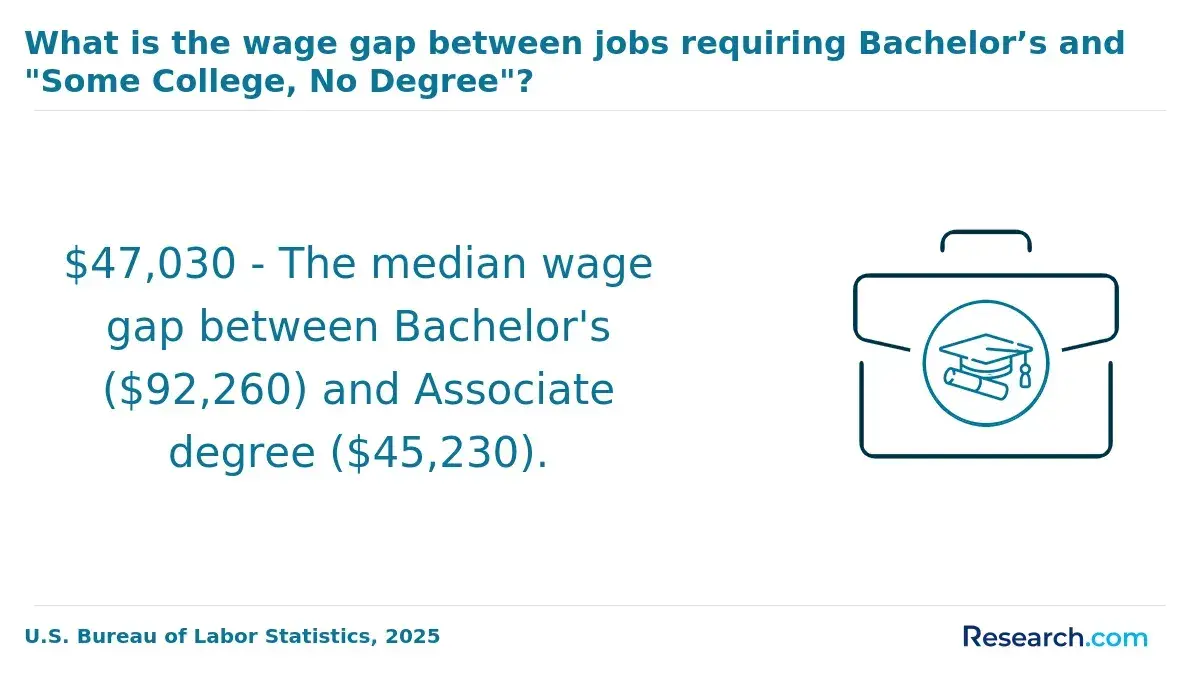
If your goal is entry into a field rather than graduate-level specialization, explore alternatives such as 2 year online degrees that pay well before committing to graduate tuition.
Employer Confidence in Online vs. In-Person Degree Skills, Global 2024

How do you choose a reputable online master's program?
Start with your intended role, then compare a small set of programs using the same criteria. A reputable option should make its accreditation, degree requirements, costs, delivery obligations, and actual course schedule clear enough for you to build a realistic plan.
Use these checks before paying an enrollment deposit; they target the most costly mistakes associated with frequent-start programs.
- Get written confirmation of the next start for your exact track and a schedule for required courses through graduation.
- Verify institutional accreditation and, where relevant, program approval and eligibility for your state's license.
- Request a full-cost estimate and an official review of any previous graduate credits or stackable certificate coursework.
- Confirm live-session, campus-visit, internship, and clinical-placement rules for your location.
- Compare the curriculum with target jobs, and be wary of promises that an early start guarantees fast graduation, promotion, or a particular salary.
Other Things You Should Know About Master's Degrees
Some programs offer starts in many or all months, but availability can differ by degree and concentration. Confirm the next start for your specific track with the school.
Not necessarily. Graduation depends on required credits, course sequencing, enrollment load, prerequisites, and any capstone or placement.
Usually not by default. Even asynchronous courses can have weekly deadlines; some also require scheduled meetings.
Possibly, but the start schedule does not determine eligibility. Check the program's state-specific disclosures and confirm requirements with the relevant licensing authority before enrolling.
References
- Academic Years, Academic Calendars, Payment Periods, and Disbursements | 2025-2026 Federal Student Aid Handbook https://fsapartners.ed.gov/knowledge-center/fsa-handbook/2025-2026/vol3/ch1-academic-years-academic-calendars-payment-periods-and-disbursements
- DAPIP | Homepage - Office of Postsecondary Education (OPE) https://ope.ed.gov/dapip/
- Online Degree Programs | William Paterson University https://www.wpunj.edu/academics/online-degree-programs/
- Online Degree Programs | fitnyc.edu https://www.fitnyc.edu/academics/online-learning/degrees.php
- Online Master's Degrees | University of Maryland Global Campus https://www.umgc.edu/online-degrees/masters
- Open Campus | UCSC Silicon Valley Extension https://www.ucsc-extension.edu/open-campus
- Online Master's Degrees at Cleveland State University https://online.csuohio.edu/online-programs-and-courses/online-graduate-programs
- Online Master's Programs - National University https://www.nu.edu/online-degrees/masters/
- UNC Chapel Hill Online Master's Degree Programs for 2026 https://online.unc.edu/online-masters-programs/
- Accreditation matters in higher ed: Here's why | cmich.edu https://www.cmich.edu/blog/all-things-higher-ed/accreditation-matters-in-higher-ed-here-s-why