2027 Best Graduate Degrees With Year-Round Enrollment

Co-Founder and Chief Data Scientist
Missing a fall application deadline should not necessarily mean waiting a year to start graduate school. Many master's programs offer spring, summer, or shorter-term starts, but start dates alone do not tell you whether required courses will be available when you need them. This guide compares ten degree fields for people who want a practical route into graduate study without putting career goals on hold. The stakes are substantial: the U.S. Bureau of Labor Statistics (BLS) projects 34% employment growth for data scientists from 2024 to 2034. You'll learn which fields fit different goals and how to check whether a flexible calendar leads to a workable graduation plan.
Key Things You Should Know
- Verify the whole schedule, not just the next start date: Ask whether core courses, electives, and culminating requirements run often enough for your intended pace.
- Match the field to the job: BLS projects 23% growth for medical and health services managers from 2024 to 2034, but management positions generally require relevant experience as well as education.
- Compare outcomes cautiously: The BLS reports a 2024 median wage of $124,910 for information security analysts; that is an occupational figure, not a promised salary for cybersecurity master's graduates.
Top 10 Best Graduate Degrees With Year-Round Enrollment - Top Graduate Degrees
Business / MBA Programs
A Master of Business Administration (MBA) offers broad study in finance, operations, strategy, and leadership. It suits professionals seeking cross-functional advancement or a career change; a specialized MS may fit a narrowly defined technical goal better. Multiple starts and online courses can accommodate work, but team projects, scheduled meetings, and cohort-based classes may limit flexibility. Compare concentrations, employer recognition, total cost, and whether required courses run each term. An MBA can strengthen management preparation, but it does not replace the experience many leadership roles require.
Healthcare Administration & Management Programs
A Master of Healthcare Administration (MHA), healthcare management MS, or relevant MBA concentration can prepare students for operations, finance, quality, and policy work. An MHA is usually more healthcare-specific than an MBA. Professionals already working in healthcare may be best positioned to apply the training; newcomers should investigate entry routes and internship access. Even with frequent starts, practica or cohort-only courses can delay completion. Check program accreditation where relevant, placement requirements, and whether a prospective employer values the credential. Administrative degrees do not confer clinical licenses.
Information Technology Programs
An MS in information technology typically emphasizes systems, cloud infrastructure, databases, and technology management. It may suit experienced IT staff moving toward architecture or leadership, while career changers should inspect programming and networking prerequisites. Project-based courses often translate well to online study, but laboratories and capstone sequences may not be offered every term. Compare the curriculum with target job postings: a broad IT degree may be less useful than focused training when an employer mainly needs a specific platform skill. Management jobs usually require work experience.
Computer Science Programs
An MS in computer science can support advanced software, systems, artificial intelligence, or research work. Applicants without a computing bachelor's degree may need substantial bridge coursework, which changes both cost and completion time. Thesis tracks can suit research or doctoral goals; project tracks may better serve applied development. Online availability does not guarantee remote access to every specialization or laboratory. Before choosing a frequent-start program, confirm when prerequisite and advanced courses run. Developers may also advance through professional experience without a master's degree.
Cybersecurity Programs
An MS in cybersecurity may cover security engineering, risk, governance, incident response, and digital forensics. Choose a technically intensive curriculum for engineering goals or a policy-focused one for governance work. Employers often expect hands-on experience, and some roles require background checks or specific certifications; the degree alone is not an entry ticket. Frequent online starts can help working professionals, but confirm lab access, prerequisites, and capstone scheduling. Compare degree costs with the narrower skills you could gain through certifications and supervised work.
Data Science / Analytics Programs
An MS in data science often combines statistics, programming, machine learning, and applied projects; a business analytics master's may emphasize organizational decisions more heavily. Applicants should check calculus, statistics, and coding prerequisites before assuming they can begin immediately. Strong portfolio projects and access to real datasets may matter more than a convenient start date. Ask whether advanced electives and the capstone run across terms. The field's employment outlook is strong, but a master's degree is not required for every analytics job.
Education / Educational Leadership Programs
A Master of Education (MEd) can focus on curriculum, instruction, or leadership. Many leadership tracks target licensed educators with teaching experience rather than new graduates. Year-round courses may work around a school calendar, yet internships or administrator placements can follow district schedules. Check your state's certification rules and whether the program is approved for the credential you want; a general MEd may not qualify you for principal licensure. Compare a practice-oriented MEd with an MA or MS if research is your primary goal.
Counseling / Psychology Programs
Clinical mental health counseling master's programs are distinct from general psychology MA or MS degrees. If licensure is the goal, verify state educational requirements, appropriate programmatic accreditation where relevant, and how supervised practicum and internship placements are arranged. Clinical hours can extend the timeline despite frequent course starts. A general psychology master's may support research or further study but usually does not independently qualify graduates to practice as psychologists; that occupation generally requires doctoral education and licensure. Choose by the intended credential, not the degree title alone.
Nursing Programs
A Master of Science in Nursing (MSN) can support nursing leadership, education, informatics, or advanced practice. Admission commonly requires an active registered nurse license, and some pathways require nursing experience or a particular prior degree. Clinical specialties have placement and state-specific requirements that online coursework cannot remove. Ask who secures clinical sites, when specialty courses begin, and whether the program meets requirements in the state where you plan to practice. An MSN alone does not grant advanced practice licensure or certification.
Engineering Management Programs
An MS in engineering management combines technical decision-making with finance, operations, and project leadership. It can fit engineers seeking responsibility for teams or complex projects while retaining an engineering focus. Applicants from other backgrounds should check math and technical prerequisites. Compared with an MBA, the curriculum is usually more closely tied to engineering work; compared with an engineering MS, it may offer less technical depth. Verify the frequency of required courses and any team-based capstone before relying on a year-round completion plan.
What Are Graduate Degrees With Year-Round Enrollment?
Year-round enrollment means a graduate program offers opportunities to begin outside a single annual intake. It might have fall, spring, and summer starts; several shorter terms; or applications reviewed on a rolling basis. These are different policies: rolling admission describes when applications are considered, not when classes begin.
The most useful measure is time to a feasible graduation date. A student might enter in summer but wait until fall for a required course. Licensure placements, thesis advising, and cohort sequences can create similar bottlenecks. Treat a published start date as the beginning of your investigation, not proof that the entire degree is available year-round.
Which Graduate Degrees Offer the Best Career Opportunities?
There is no single best graduate degree for employment. The better choice connects a specific job goal to the education employers expect, then weighs the added value of a master's against its cost and time commitment. BLS projections describe occupations, not the hiring prospects of graduates from a particular program.
For an experienced healthcare worker, an MHA may support a move toward operations; for an established IT professional, cybersecurity or analytics study may deepen a specialty. Counseling and advanced-practice nursing offer more defined professional pathways, but require careful attention to licensing and supervised training. A recent graduate seeking a first job should also compare a master's with gaining relevant experience first.
If background checks could affect a target occupation, research its specific licensing and hiring rules before committing to tuition. A broader guide to the best degree for felons may help frame the questions, but it cannot replace advice from the applicable state board or employer.
How Do You Find Accredited Graduate Programs With Multiple Start Dates?
Accreditation and scheduling answer different questions: accreditation helps establish whether an institution or program meets recognized standards, while the academic calendar shows when you can actually progress. Confirm both on official institutional and accreditor records. In regulated fields, ask the relevant state board which program approvals matter for your intended license.
Use these checks to turn a claim of "multiple starts" into a realistic enrollment plan:
- Find the master's program's published start dates, application deadlines, and admission requirements - not just the university's general calendar.
- Ask for a term-by-term course plan for your intended full-time or part-time pace, including prerequisites and the capstone or placement.
- Confirm institutional accreditation, any relevant programmatic accreditation, and state authorization or licensure eligibility where you plan to work.
- Request written clarification of transfer-credit decisions, course availability, and what happens if a required class is full.
A red flag is a school advertising frequent starts without showing when required graduate courses run. Another is treating institutional accreditation as proof that a counseling, nursing, or educator-preparation program meets a particular state's licensing rules.
Which Graduate Degrees Are Available Online or On Campus?
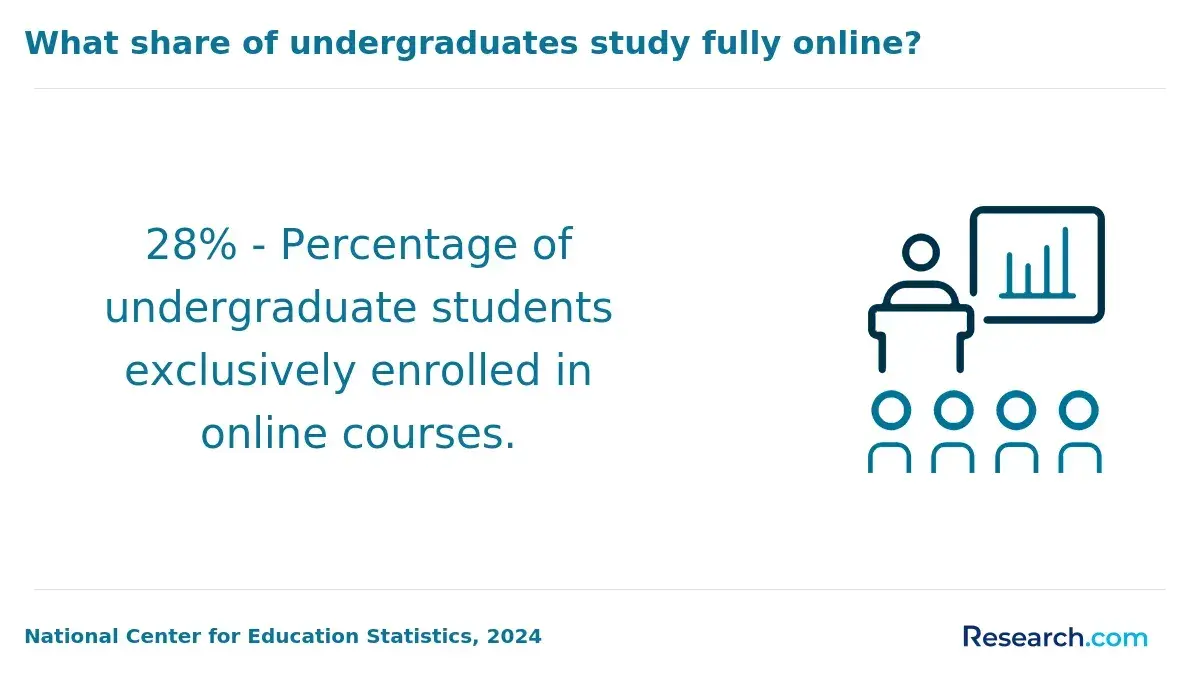
Many business, IT, analytics, and management master's degrees offer online options; laboratory-intensive, clinical, and placement-based pathways may require hybrid or local in-person work. Neither "online" nor "year-round" means self-paced. Scheduled classes, fixed deadlines, proctored assessments, residencies, and internships may still apply.
This comparison focuses on the commitment each format can create, not on which format is universally better.
| Format | Potential advantage | Check before enrolling |
| Asynchronous online | More control over study hours | Weekly deadlines, group meetings, and course rotation |
| Scheduled online | Predictable live interaction | Meeting times across work shifts and time zones |
| Hybrid | Online study with in-person components | Travel, residency dates, and local placement availability |
| Campus-based | On-site facilities and regular face-to-face contact | Commute, class times, and summer course availability |
Short terms may provide more entry points, but course length is not degree length. If you are comparing 6 week courses online, check how many required graduate courses can be taken consecutively and whether the pace is sustainable alongside work.
What Do You Study in Popular Graduate Degree Programs?
Most programs combine core courses, electives or a concentration, and a culminating requirement. The details should drive your choice: an MBA emphasizes broad organizational decisions, an MS in computer science typically demands deeper technical work, and an MEd may connect coursework to classroom or leadership practice. A thesis can benefit prospective researchers, while a capstone may better match an applied career goal.
Ask to see the current catalog and sample course sequence. Look beyond appealing elective names to confirm that your preferred courses run often enough and that you meet their prerequisites. If your goal is a discrete skill rather than a career change or credential, compare the full degree with online certificate programs; a shorter credential may cost less but may not meet graduate-degree or licensing requirements.
What Are the Admission Requirements for Year-Round Graduate Programs?
Master's admission normally begins with a completed bachelor's degree. Programs commonly request transcripts and may also require recommendations, a statement of purpose, a résumé, an interview, or evidence of prerequisite coursework. GPA minimums, GRE or GMAT policies, and conditional admission vary by graduate program; do not infer them from undergraduate admissions rules. Nursing and some education pathways may additionally require a current license or professional experience.
If you have not finished a bachelor's degree, complete that step before planning a standard master's application. A best accelerated bachelor's degree online comparison can help you examine undergraduate routes, but faster bachelor's coursework does not itself award master's credit.
Applicants with prior graduate coursework should request an evaluation before enrolling. Ask which courses apply to this specific degree, the maximum accepted, minimum grades, course-age limits, and graduate residency requirements. Acceptance of a transcript is not the same as acceptance of every credit toward graduation.
How Long Do Graduate Degrees Take and What Do They Cost?
Master's programs commonly require several dozen graduate credits, but prerequisites, enrollment pace, course rotation, and culminating work make completion times vary widely. A part-time student may benefit from frequent starts without finishing quickly; an accelerated schedule may demand a workload that is difficult to sustain. Advertised timelines can also assume a qualifying bachelor's degree, accepted graduate credit, or uninterrupted enrollment.
Compare total expected cost, not tuition per credit alone. Include required credits, mandatory and program fees, technology charges, books or software, travel for residencies, and placement-related expenses. For clinical programs, consider whether placement hours could reduce paid work. Federal graduate aid eligibility, scholarships, assistantships, and employer tuition assistance depend on the student and program; confirm terms before using any award to calculate your out-of-pocket cost.
For a practical comparison, request the same information from each school: a written credit-by-credit degree plan, a term-by-term schedule, and an itemized estimate through graduation. If prior graduate credit is accepted, ask for a revised plan showing the requirements - and costs - that remain.
What Careers and Salaries Can Graduate Degrees Lead To?
A graduate degree can support specialization, a career change, or preparation for advancement, but it does not cause a particular wage. As one labor-market reference point, BLS reports a 2024 median wage of $112,590 for data scientists. That figure covers workers in the occupation across experience and education levels; it is not an expected starting salary for someone completing a data science master's.
Evaluate the incremental value of graduate school against your current position. Ask whether target employers require a master's, prefer one, or primarily value experience; whether a program offers projects or placements that close a skills gap; and what income you might give up while studying. An MBA may be more compelling for someone positioned to use its management training, while a career changer may need foundational experience before the degree's value becomes clear.
How Do Licensing and Certification Requirements Affect Graduate Degrees?
Licensure is separate from earning a degree. Counseling, advanced-practice nursing, and some educational leadership roles can require a qualifying curriculum, examinations, supervised practice, and state approval. A program with multiple starts may still have a fixed clinical or internship sequence that determines when you can apply for a credential.
Before paying a deposit, identify the state and specific occupation where you intend to work. Check that board's requirements and ask the program, in writing, how its curriculum and placements address them. For fields without a required license, such as many business and IT roles, optional certifications may still matter to particular employers. Avoid the costly assumption that a degree title - or a school's general accreditation - automatically establishes eligibility for every credential.
Other Things You Should Know About
No. It can mean several scheduled intakes rather than monthly starts. Check the program's next available term and application deadline.
Possibly, but only if required courses, prerequisites, and any capstone or placement align with your course load. Ask for a personalized completion plan.
Some are, but "online" may include scheduled meetings or local experiential work. Verify every required in-person component with the program.
Start with fit for your target career, accreditation or licensing eligibility, and a feasible course schedule. Then compare the full cost through graduation.
References
- School-Determined Requirements - FSA Partner Connect https://fsapartners.ed.gov/knowledge-center/fsa-handbook/2026-2027/vol1/ch1-school-determined-requirements
- Post-Secondary Employment Outcomes (PSEO) | Census.gov https://www.census.gov/data/experimental-data-products/post-secondary-employment-outcomes.html
- Accreditation in the U.S. | ed.gov https://www.ed.gov/laws-and-policy/higher-education-laws-and-policy/college-accreditation/accreditation-in-the-us
- Graduate Degree Fields - COE https://nces.ed.gov/programs/coe/indicator/ctb/graduate-degree-fields
- How to Choose a Graduate Program as a Working Adult | Harvard Extension School https://extension.harvard.edu/blog/how-to-choose-a-graduate-program/
- State Authorization | Office of Academic Affairs https://oaa.osu.edu/academic-administration/state-authorization
- What is Cohort vs. Self-Paced Learning? - Wharton | Wharton Executive Education https://executiveeducation.wharton.upenn.edu/thought-leadership/wharton-online-insights/cohort-vs-self-paced-learning/
- State Authorization & Distance Learning | Michigan State University https://aacc.msu.edu/compliance/state-authorization
- Best Online Colleges To Start Anytime Of 2025 https://thebestschools.org/rankings/online-colleges/start-anytime/
- Best Online Universities With Year-Round Enrollment | College Transitions https://www.collegetransitions.com/blog/best-online-universities-with-year-round-enrollment/