
2027 Most Affordable Master's Degrees for Adult Learners

Co-Founder and Chief Data Scientist
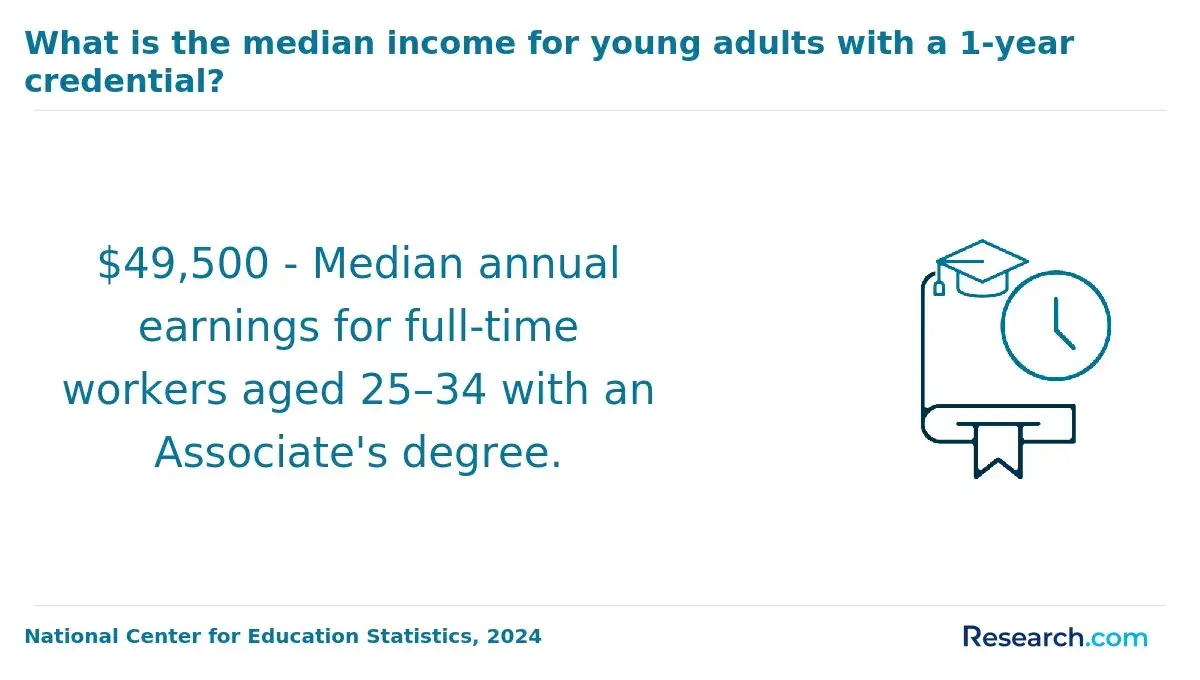
A low graduate tuition rate can look appealing until fees, extra courses, or required travel change the total. For adults balancing work and family, an affordable master's degree must also be possible to finish. The U.S. Bureau of Labor Statistics (BLS) reported 2024 median weekly earnings of $1,840 for workers with a master's degree, compared with $1,543 for those with a bachelor's; those averages do not predict an individual return.
This guide compares degree fields by cost drivers, scheduling demands, and career purpose so you can find a path worth investigating.
Key Things You Should Know
- Compare the cost to finish, not tuition per credit: required credits, fees, prerequisites, travel, and accepted graduate transfer credits can change the result.
- Business, technology, and education degrees may offer flexible, lower-cost routes, but a degree field has no universal price; compare actual accredited programs before calling one the cheapest.
- A master's does not guarantee higher pay: the BLS's 2024 earnings figures describe workers by education level, not the financial return from any particular program.
Top 10 Most Affordable Master's Degrees for Adult Learners - Affordable Master's Degrees
Business / MBA Programs
A Master of Business Administration (MBA) is a broad, practice-oriented option for adults seeking management skills. An MS in management, accounting, or finance may cost less if it requires fewer credits, but it serves a narrower goal. Compare total credits, business-school fees, residencies, and whether foundation courses add cost. Part-time enrollment can protect income while extending completion time. An MBA is a weaker investment if your target job values specific experience or a professional credential more than a general management degree.
Healthcare Administration & Management Programs
A Master of Healthcare Administration (MHA) or healthcare management MS can suit experienced healthcare workers moving toward operations or policy roles. Compare it with an MBA healthcare concentration: the least expensive choice depends on credits, program fees, and any internship or residency. Some programs welcome career changers; others expect healthcare experience. These degrees do not confer a clinical license, and management positions generally require relevant work experience. Ask whether required fieldwork can be completed near home before choosing an online program.
Information Technology Programs
An MS in information technology usually emphasizes systems, cloud infrastructure, or technology leadership rather than intensive computer science theory. It may be a practical option for working IT staff if part-time online courses and employer assistance reduce out-of-pocket cost. Compare lab or software fees, required certifications, and prerequisite courses. If your goal is a specific platform role, a certificate plus experience could cost less; if you need broader technical leadership preparation, the degree may offer more relevant coursework.
Computer Science Programs
An MS in computer science can support software specialization or research preparation, but prerequisites in programming and mathematics can make a seemingly inexpensive program costly for career changers. Check whether bridge courses count toward the degree and whether a thesis is optional. Online delivery may reduce travel, while scheduled labs or exams can still affect a working adult's schedule. Compare total required graduate credits and course availability, not just the advertised rate per credit.
Cybersecurity Programs
An MS in cybersecurity may focus on technical defense, risk management, or policy - different paths with different prerequisites. Compare lab and software charges, required credits, and whether courses fit your experience level. A lower-cost program is not necessarily better if it lacks hands-on work relevant to your goal. For some roles, experience and an industry certification may be a less expensive next step; a master's can make more sense when you need deeper specialization or preparation for broader responsibilities.
Data Science / Analytics Programs
Data science and analytics master's degrees differ substantially: an MS may require advanced statistics and coding, while a business analytics program may emphasize decisions and reporting. Check prerequisite mathematics, computing costs, and whether a capstone uses real data. For adults already working with data, a focused certificate may cost less than a full degree. The most affordable degree is the one whose required preparation and curriculum match your target work without unnecessary bridge courses.
Education / Educational Leadership Programs
A Master of Education (MEd) may offer a relatively straightforward part-time route for practicing educators, especially when district tuition assistance is available. Costs can rise with student teaching, administrator internships, assessments, or added licensure coursework. An educational leadership degree does not automatically qualify you for a principal or other licensed role; check your state's requirements and the program's approval status. If you do not need a credential or salary-schedule advancement, compare a shorter graduate certificate first.
Counseling / Psychology Programs
An MA or MS in counseling can be a route toward professional practice, but its required supervised placements may limit paid work and add travel costs. Psychology master's degrees have different purposes and do not necessarily lead to counselor or psychologist licensure. Before comparing tuition, identify the intended license, state education rules, programmatic accreditation expectations, and placement support. A cheap program that cannot satisfy your intended state's requirements is not an affordable path to that career.
Nursing Programs
A Master of Science in Nursing (MSN) may support nursing leadership, education, or an advanced practice pathway; costs and requirements vary sharply by track. Clinical hours, placement travel, specialized fees, and prerequisite nursing preparation can outweigh a low tuition rate. Advanced practice roles also require applicable certification and state licensure beyond earning the degree. Working nurses should compare employer benefits and ask whether clinical scheduling is compatible with their shifts before treating an online MSN as flexible.
Engineering Management Programs
An MS in engineering management combines technical project work with organizational and financial decision-making. It can fit engineers seeking broader responsibilities without the general-business scope of an MBA. Compare required credits, employer reimbursement, and whether a capstone can use a workplace project. Some programs expect an engineering or related quantitative background; missing prerequisites may raise the final cost. A degree alone does not substitute for the experience employers typically expect in management roles.
What are the most affordable master's degrees for adult learners?
No degree field is consistently cheapest across U.S. schools. The strongest candidates to compare first are career-relevant business, IT, computer science, analytics, and education degrees with manageable credit requirements, limited in-person obligations, and tuition you can reduce through employer benefits or aid. Licensure-oriented counseling, nursing, and some education tracks can still be worthwhile, but required placements and additional coursework often make their full cost harder to judge from tuition alone.
Start with the occupation or credential you want, then compare specific programs within the appropriate field. A low-cost MBA is not a substitute for a qualifying counseling degree. If online study suits your schedule, use this guide to most affordable masters degrees online as a starting point for program research - not as proof that every listed option has the lowest total cost for you.
How much does an affordable master's degree cost?
There is no reliable single price for an "affordable" master's degree. Sticker price is the published charge; total program cost includes every required expense through graduation; and net cost reflects grants or employer assistance you actually receive. Compare written estimates for the same enrollment plan and your residency status.
The factors below explain why two programs with similar tuition rates can have different final costs.
| Cost factor | Why it changes the comparison |
| Tuition and required credits | A lower per-credit rate may still produce a higher bill when more credits are required. |
| Mandatory and program fees | Technology, laboratory, or differential charges may not appear in headline tuition. |
| Residency and travel | State residency rules, campus visits, and placements can add substantial expense. |
| Prerequisites and accepted credit | Foundation courses can add costs; approved graduate transfer credit may reduce remaining coursework. |
| Time away from paid work | Clinical or internship schedules can create costs even when tuition is low. |
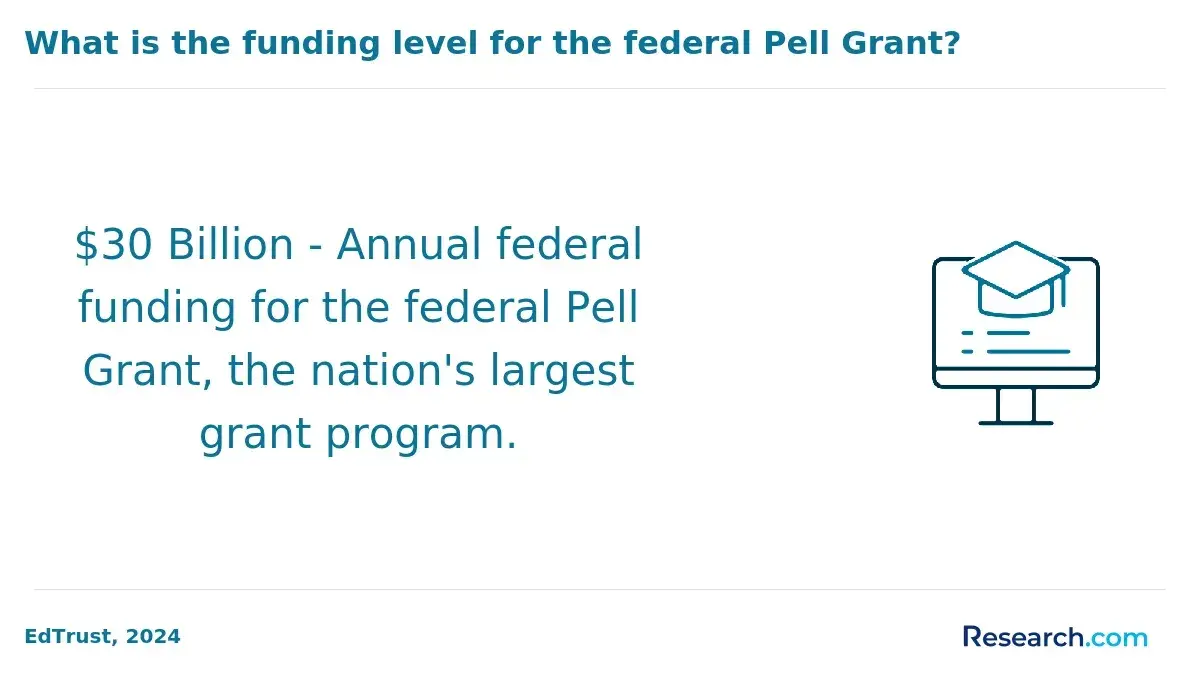
Ask each school for a degree audit and fee estimate before enrolling. Graduate students may be eligible for federal aid at participating schools, but loans reduce upfront pressure rather than the price of the degree. Compare scholarships, assistantships, employer reimbursement rules, and payment plans without assuming any award is guaranteed.
Are affordable online master's programs accredited?
Some are, but low tuition or online delivery does not establish accreditation. Verify the institution's current accreditation through its accreditor and the U.S. Department of Education's accreditation database. For licensure-oriented degrees, also confirm that the specific program meets your intended state's educational requirements and any relevant programmatic accreditation expectations.
Institutional accreditation and state licensure eligibility answer different questions. A university can be accredited while a particular counseling, nursing, or educator-preparation pathway does not meet the requirements you need. Get program-specific confirmation before paying a deposit, especially if you expect to work in a different state after graduation.
Which master's degree format works best for working adults?
Asynchronous online study often offers the most control over study hours, but it still has deadlines. Scheduled online classes provide live interaction but may conflict with shifts. Hybrid and campus formats can provide hands-on access while adding commuting time. In any format, placements or residencies can be the real scheduling constraint.
Choose by mapping a typical workweek against required class meetings, course availability, and the number of courses you can realistically take. Ask whether part-time students can complete every required course on a predictable schedule. Adults returning to school after a long break can also explore one year degree programs for seniors for broader format ideas, while checking graduate-program requirements separately.
What courses do affordable master's degree programs include?
What courses do affordable master's degree programs include? Coursework depends on the credential and its purpose. MBAs commonly cover organizational decisions and finance; computer science degrees may require algorithms and advanced computing; education and counseling programs may include assessment or supervised practice. Most programs combine a core with electives or a concentration and may conclude with a capstone, thesis, examination, or field experience.
Review the actual degree plan, not just appealing course titles. Required foundation classes may sit outside the advertised graduate curriculum. For working adults, also check how often required courses run: an inexpensive class offered infrequently can delay graduation and extend other costs.
What are the admission requirements for affordable master's programs?
A completed bachelor's degree is the usual starting point. Depending on the program, applicants may need particular undergraduate courses, a minimum GPA, recommendations, a statement, a résumé, an interview, a portfolio, or professional experience. GRE or GMAT policies vary; do not assume a test is required - or waived - without checking the specific graduate program.
Ask admissions to identify prerequisite costs and whether conditional admission is available if your academic record is uneven. If you have previous graduate-level coursework, request a written evaluation showing which credits satisfy degree requirements. Acceptance of credits by the university does not necessarily mean they replace courses in your intended master's program.
How long does it take to complete an affordable master's degree?
Completion depends on credits required, course load, course rotation, prerequisites, and any thesis, capstone, internship, or clinical work. Full-time study may finish sooner, while part-time study can make it easier to keep earning. A short individual course does not establish a short timeline for the entire degree.
Ask for a term-by-term plan based on your schedule. If you are comparing a fastest masters degree pathway, check whether its published timeline assumes full-time enrollment, a related bachelor's degree, or previously earned graduate credit. Transferred graduate courses can reduce time and cost only if the program approves them toward remaining requirements.
What careers and salaries can affordable master's degrees lead to?
A degree can build specialized skills, support a career change, or meet part of a licensing pathway. It does not independently secure a role or a pay increase. The BLS reports a 2024 median annual wage of $124,910 for information security analysts; that is the median for people working in the occupation, not the typical salary of cybersecurity master's graduates. Employers may also value experience and certifications, and the occupation does not universally require a master's.
Use occupational wage data as context, then assess the incremental value of a degree for your own goal. A promotion policy, required license, or employer-funded specialization is more concrete evidence of potential value than a field-wide salary figure. Compare that benefit with your net cost, time commitment, and any income you would give up while studying.
How can adult learners choose a reputable master's program?
Shortlist programs only after identifying the job, specialization, or license you need. Then request comparable information directly from each school. This sequence helps you avoid choosing on headline tuition, rankings, or an "online" label alone.
Before committing, confirm the details that most often change affordability and completion:
- Verify institutional accreditation and, for a regulated career, program approval and state eligibility.
- Request the full degree plan and a personalized estimate covering tuition, fees, prerequisites, travel, and placements.
- Ask for a written graduate transfer-credit evaluation and a realistic part-time course schedule.
- Check employer assistance conditions and compare the degree with a certificate, certification, or additional work experience.
If your goal is research or a profession requiring doctoral study, compare that route separately rather than assuming a master's is the final credential. Researching cheapest online PhD programs may clarify the longer-term cost, but first confirm whether a doctorate is necessary for your intended work.
Other Things You Should Know About
Often, yes, particularly in a part-time program. Check scheduled meetings, course rotation, and any clinical or internship hours before enrolling.
Price alone does not establish quality. Verify accreditation, curriculum, faculty expectations, and fit with any licensing or employer requirements.
Some employers offer tuition assistance. Ask about annual limits, eligible programs, grade requirements, and repayment obligations before counting it in your budget.
Eligible graduate-level courses may reduce remaining credits if the program accepts and applies them to your degree. Undergraduate coursework generally does not count as master's-level transfer credit.
References
- Annual Earnings by Educational Attainment - COE https://nces.ed.gov/programs/coe/indicator/cba/annual-earnings
- The Basics of School Accreditation | Study in the States https://studyinthestates.dhs.gov/schools/apply/the-basics-of-school-accreditation
- Types of Financial Aid: Grants, Work-Study, and Loans | studentaid.gov https://studentaid.gov/understand-aid/types
- College Affordability and Transparency | U.S. Department of Education https://www.ed.gov/higher-education/paying-college/college-affordability-and-transparency
- What Is an Accredited University? Understanding Accreditation | National University https://www.nu.edu/blog/what-is-an-accredited-university/
- Can You Use FAFSA for Grad School? | The University of Olivet https://www.uolivet.edu/can-you-use-fafsa-for-grad-school/
- Part-Time & Full-Time Enrollment - Student Payment Center https://www.payments.pitt.edu/tuition-fees/part-time-full-time-enrollment
- Effective Practices that Support Adult Learners | acenet.edu https://www.acenet.edu/Research-Insights/Pages/Student-Support/Effective-Practices-Adult-Learners.aspx
- A Guide to Getting Financial Aid for Graduate School | Elmhurst University Elmhurst University Blog https://www.elmhurst.edu/blog/a-guide-to-getting-financial-aid-for-graduate-school/
- 4 Types of Financial Aid for Graduate School Students | Alliant University https://www.alliant.edu/blog/financial-aid-for-graduate-school


