2027 Best Graduate Degrees With Multiple Start Dates

Co-Founder and Chief Data Scientist
Missing a fall application deadline does not necessarily mean waiting a year to begin a master's degree. Many graduate programs offer additional entry points, but a convenient start date matters only if the courses you need remain available. The U.S. Bureau of Labor Statistics (BLS) reports a 2024 median annual wage of $117,960 for medical and health services managers, illustrating why career-focused graduate study attracts interest - not what an MHA graduate can expect to earn.
This guide compares degree fields for working adults and career changers, then shows how to check calendars, costs, requirements, and career fit before enrolling.
Key Things You Should Know
- Business, technology, healthcare management, and education are among the master's-level fields worth checking for multiple entry terms; confirm the start dates for the specific program and concentration, not just the university.
- A later start is useful only if required courses, part-time enrollment, and any clinical or practicum placements fit your schedule; short terms do not necessarily shorten the full degree.
- Compare total cost and career requirements alongside convenience. BLS reports a 2024 median wage of $124,910 for information security analysts, but that occupational figure is not a salary prediction for cybersecurity master's graduates.
Top 10 Best Graduate Degrees With Multiple Start Dates
Business / MBA Programs
An MBA is a practice-oriented option for professionals seeking broader skills in finance, operations, and leadership. An MS in management or a specialized business field may suit someone with a narrower goal. Multiple entry terms can help working students, but ask whether your chosen concentration starts each term and whether group projects require scheduled meetings. Management roles usually also require relevant experience; an MBA alone is not a promotion credential.
Healthcare Administration & Management Programs
A Master of Healthcare Administration (MHA) or healthcare-management MS can prepare students for administrative work in healthcare organizations without being a clinical license. Entry terms may vary by track, and internships or capstones can constrain the final schedule. Compare curricula in finance, operations, and health policy, then ask whether experiential requirements can be completed near home. Employers generally weigh healthcare experience alongside the degree for management positions.
Information Technology Programs
An MS in information technology commonly emphasizes enterprise systems, cloud infrastructure, and technology operations. It may fit experienced IT professionals seeking broader technical responsibility or career changers willing to complete foundation coursework. Additional start dates can make entry easier, but prerequisites and the sequence of advanced courses may delay a specialization. Check whether labs are remote, scheduled, or campus-based before assuming an online format fits your work hours.
Computer Science Programs
An MS in computer science typically offers deeper study of algorithms, software, and computing systems than a general IT degree. Some programs welcome applicants from other majors but require programming and mathematics preparation; those courses can extend the timeline. Compare thesis, project, and coursework-only paths, especially if research or doctoral study is a possibility. A program may admit students in several terms without offering every advanced elective in each one.
Cybersecurity Programs
A cybersecurity MS may focus on security engineering, risk, or governance. Technical tracks can require networking and programming knowledge, while policy-oriented tracks may draw applicants from broader backgrounds. Look beyond the advertised entry calendar: ask when required security labs and specialization courses run. Certifications and hands-on experience may matter for particular jobs, and the degree does not replace an employer's clearance or experience requirements.
Data Science / Analytics Programs
An MS in data science often combines statistics, programming, and machine learning; a business analytics MS may emphasize decisions in organizational settings. Choose based on the work you want to do, not the label alone. Applicants without quantitative preparation may need prerequisites. Multiple starts help only if the introductory sequence opens when you enroll and the capstone or employer-sponsored project fits your later schedule.
Education / Educational Leadership Programs
A Master of Education (MEd) can support instructional development, while an educational leadership degree may target school administration. Neither should be assumed to meet a state's license or endorsement rules. Teachers should check whether classes align with the school-year calendar and whether fieldwork requires time during school hours. Confirm the program's state-specific approval and the availability of required courses for each advertised entry term.
Counseling / Psychology Programs
A clinical mental health counseling master's is a different pathway from a general MA or MS in psychology. If licensure is the goal, verify state-approved coursework, supervised clinical requirements, and the relevant program accreditation before prioritizing a convenient start. Practicum placements may follow fixed schedules even when classes have several entry dates. A psychology master's alone generally does not qualify someone for psychologist licensure.
Nursing Programs
A Master of Science in Nursing (MSN) can serve different goals, including nursing leadership, education, or advanced practice. Entry commonly depends on nursing credentials and the track's prerequisites. For advanced-practice study, check state licensure rules, clinical-hour requirements, and who secures placements. An online classroom and multiple starts do not make supervised clinical work optional or ensure a placement near your home.
Engineering Management Programs
An MS in engineering management blends technical project work with operations and leadership; it often suits engineers seeking broader organizational responsibility. Some programs expect an engineering or related quantitative background. Multiple starts may accommodate a project-driven job, but verify when technical electives and team-based capstones run. The degree can develop management skills without substituting for the professional experience an employer expects of a manager.
What Are Graduate Degrees With Multiple Start Dates?
They are master's programs that admit new students in more than one term during an academic year. The relevant date is when you can begin your intended program and track, not when the university opens a general application cycle. Semester, shorter-term, and cohort-based calendars can all offer multiple entry points, with different consequences for course access.
The comparison below shows why counting start dates alone can be misleading. Ask the program which schedule applies to your concentration.
| Schedule | Potential advantage | Trade-off to verify |
| Several semester starts | More time to prepare an application | Required courses may not run every semester |
| Shorter terms with frequent starts | Less waiting to begin a course | Faster weekly pace and fixed assignment deadlines |
| Cohorts with multiple entry dates | Predictable course sequence | Less flexibility to pause or change course load |
Which Graduate Degrees Offer the Best Career Opportunities?
The best choice connects a role you can realistically pursue with skills the degree adds to your existing education and experience. An MSN aimed at advanced practice has a different value proposition from an MBA intended to broaden management skills; their admission and professional requirements are not interchangeable.
For a technical career change, compare an IT, computer science, cybersecurity, or analytics curriculum against the skills requested in local job postings. For a licensed occupation, work backward from your state board's requirements. If you are still choosing an undergraduate path, a comparison of highest paying degrees can provide context, but bachelor's-level pay rankings do not establish the return on a master's degree.
How Much Do Graduate Degrees With Multiple Start Dates Cost?
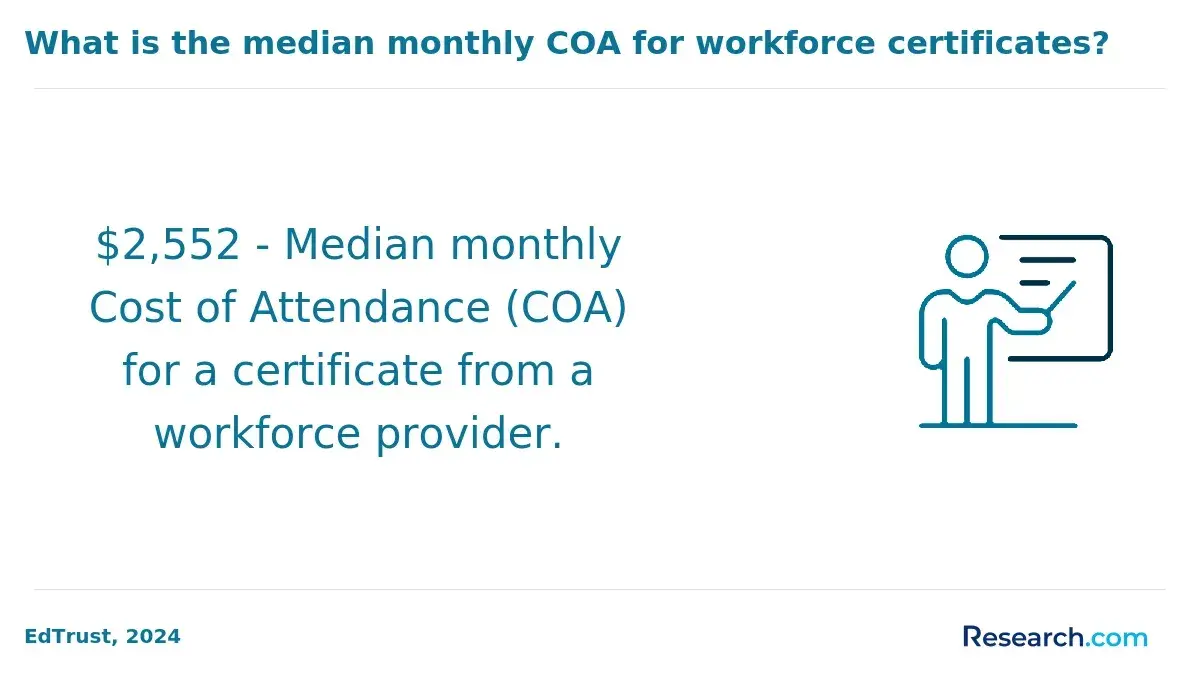
There is no single price for this scheduling feature. Total cost depends on the tuition rate, required graduate credits, fees, enrollment pace, and any in-person requirements. A low per-credit rate can be misleading if a program requires more credits or expensive travel.
The cost components below are useful for comparing offers on the same basis. Request a written estimate for your track and expected course load.
| Cost component | Why it can change the comparison |
| Tuition and required credits | Rates and degree lengths differ by school, field, and residency status |
| Mandatory and program fees | Technology, laboratory, or clinical charges may sit outside advertised tuition |
| Travel and placements | Residencies, commuting, and unpaid fieldwork can add expenses or reduce work hours |
| Prerequisites and repeated courses | Additional coursework can increase both cost and time |
Ask the financial aid office about graduate aid eligibility, scholarships, assistantships, and payment timing. Employer tuition assistance may help, but confirm annual limits and any requirement to remain employed after reimbursement.
Which Online Graduate Programs Have Multiple Start Dates?
Online versions of MBA, IT, cybersecurity, analytics, education, and healthcare-management degrees may offer several entry terms. Availability is program-specific: a school's online catalog does not prove that a particular master's concentration accepts students on every advertised date.
When evaluating good online colleges, check the individual graduate program's calendar and delivery rules. "Online" may still mean live evening classes, proctored activities, campus residencies, or local clinical and teaching placements. Ask whether all required courses are offered online on a schedule compatible with part-time study.
What Accreditation Should Graduate Programs With Multiple Start Dates Have?
Start-date flexibility does not replace accreditation. Confirm that the institution holds recognized institutional accreditation, then determine whether your field or intended credential calls for programmatic accreditation or state approval. This is especially consequential in counseling, nursing, and educator preparation, where requirements depend on the role and jurisdiction.
Check the institution and relevant accreditor directly, and ask a state licensing board whether the specific program meets its educational rules. A school-wide accreditation claim is not proof that a particular clinical or licensure track qualifies you to practice.
What Are the Admission Requirements for Flexible Graduate Programs?
Master's admission ordinarily requires a completed bachelor's degree. Programs may also assess undergraduate preparation, GPA, recommendations, a statement of purpose, professional experience, an interview, or GRE or GMAT results. Technical degrees may require mathematics or programming; nursing tracks may require an active nursing license.
Separate the graduate school's rules from the program's selective requirements. Ask whether prerequisites can be completed before the next entry term, whether test waivers or conditional admission are available, and when a complete application must arrive. Multiple start dates do not necessarily mean rolling admission or easier acceptance.
How Long Do Graduate Degrees With Multiple Start Dates Take?
A nearby start date reduces the wait to begin, not necessarily the time needed to graduate. Completion depends on required credits, part-time or full-time enrollment, course sequencing, prerequisites, and culminating work such as a thesis, capstone, internship, or clinical placement.
Some 1 year online masters illustrate how intensive study can shorten a calendar, but check the assumptions behind any advertised timeline. Ask for a term-by-term plan from your preferred start date. If you have previous graduate coursework, request a transfer evaluation: accepted credits must apply to degree requirements and may still be subject to residency or age limits.
What Careers and Salaries Can These Graduate Degrees Lead To?
A field can connect to several occupations, but occupational wages describe workers in those jobs - not the earnings caused by a master's degree. The BLS figures below are U.S. median annual wages for 2024. Experience, location, employer, and additional credentials affect an individual's prospects.
| Occupation | Potentially relevant field | 2024 median annual wage |
| Medical and health services manager | Healthcare administration | $117,960 |
| Information security analyst | Cybersecurity or IT | $124,910 |
| Software developer | Computer science or software-focused study | $133,080 |
These occupations do not uniformly require a master's degree, and management positions commonly require relevant experience. If location flexibility is a priority, compare degrees for remote jobs with actual employer postings; a degree or remote-capable occupation does not guarantee a remote position.
How Can You Choose a Reputable Graduate Program?
Start with your target role and the hours you can reliably study, then compare programs rather than universities' general claims. An additional entry date is valuable when it leads into a workable sequence at a cost you can justify.
Use these checks before paying an enrollment deposit. They address common mistakes that a flexible-looking calendar can hide.
- Request the calendar and a term-by-term course plan for your exact concentration and intended start date; identify any courses offered only once a year.
- Confirm institutional accreditation and, where relevant, programmatic accreditation and state licensure eligibility for the place you intend to work.
- Get a total-cost estimate that includes required credits, fees, prerequisites, travel, and placements; compare it with aid and employer benefits you can actually use.
- Ask for written details on live attendance, campus visits, field placements, and graduate transfer-credit evaluation before assuming an online or accelerated path will fit.
- Compare the curriculum with job requirements and ask what experience or credentials employers expect in addition to the degree.
Other Things You Should Know About
No. Each entry term may have its own application deadline, document deadline, and available tracks. Check the specific program's admissions calendar.
Not necessarily. Required-course availability, course load, prerequisites, and clinical or capstone scheduling determine completion time.
Many students do, but scheduled classes, intensive short terms, and daytime fieldwork can make some tracks difficult to combine with full-time work. Request a sample weekly schedule.
Possibly. The school must approve the credits and apply them to your specific degree requirements; transfer limits and required credits completed at the institution may still apply.
References
- Understanding U.S. Accreditation | EducationUSA https://educationusa.state.gov/understanding-us-accreditation
- Cost of Attendance (Budget) | 2026-2027 Federal Student Aid Handbook https://fsapartners.ed.gov/knowledge-center/fsa-handbook/2026-2027/vol3/ch2-cost-attendance-budget
- Fast Facts: Most common undergraduate fields of study (37) | ed.gov https://nces.ed.gov/fastfacts/display.asp
- DAPIP | Homepage - Office of Postsecondary Education (OPE) https://ope.ed.gov/dapip/
- Course Delivery Methods - Ways to Learn | Riverland https://www.riverland.edu/academics/course-delivery-methods-ways-to-learn/
- Delivery & Modality Definitions | South University https://catalog.southuniversity.edu/delivery-modality-definitions
- Course Delivery Information - MSU Denver https://www.msudenver.edu/social-work/about/course-delivery-information/
- Admissions Process - UGA School of Medicine https://medicine.uga.edu/future-students/admissions/admissions-process/
- Course Modes & Definitions - Office of the University Registrar https://registrar.washington.edu/classrooms/course-modes/
- Course Delivery Mode Definitions - University Policies | Search Policies and Handbooks https://policies.uark.edu/academic/162212.php