2027 Most Affordable Online Master's Degrees for Management Careers

Co-Founder and Chief Data Scientist
Choosing an online master's for a management career means comparing more than tuition rates. The U.S. Bureau of Labor Statistics reported a $122,090 median annual wage for management occupations in May 2024, but a graduate degree alone does not secure one of those roles.
This guide is for working professionals and career changers weighing business, technical, healthcare, and other leadership pathways. It explains which degree fits which goal, where costs can rise, and what to verify before enrolling, so you can seek the least expensive suitable degree, not merely the lowest advertised price.
Key Things You Should Know
- Compare total degree cost: required credits multiplied by your tuition rate, plus mandatory fees, travel, and any required placements. The lowest per-credit rate may not produce the lowest bill.
- An MBA offers broad business preparation. A specialized master's may be a better value when the target role requires technical expertise, a professional credential, or state licensure.
- Check whether the program is institutionally accredited, fully online for your circumstances, and compatible with your admissions background. Management jobs usually also require relevant experience.
Top 10 Most Affordable Online Master's Degrees for Management Careers - Affordable Programs
Business / MBA Programs
An online Master of Business Administration (MBA) is a broad option for professionals moving across business functions; an MS in Management may focus more narrowly on organizational leadership. Compare the entire curriculum: foundation courses can add cost for applicants without business preparation, while concentrations may add credits or fees.
A lower-cost general MBA can be sensible when the target employer does not require a specialty. Neither credential substitutes for the experience typically expected in senior management.
Healthcare Administration & Management Programs
A Master of Healthcare Administration (MHA), healthcare-focused MBA, or related MS can suit professionals pursuing operations, finance, or quality leadership in care organizations. Compare healthcare-specific coursework with a general MBA before paying for a specialized program.
Ask whether internships or residencies create travel or time-off costs. An administration degree does not confer a clinical license, and healthcare management positions commonly call for industry experience.
Information Technology Programs
An MS in Information Technology can prepare experienced technology professionals to coordinate systems, vendors, and teams. Applicants changing fields should compare prerequisite and bridge-course costs, not just graduate tuition.
Programs differ in their emphasis on hands-on architecture, service delivery, or leadership. A less expensive, less technical curriculum may be a poor fit for a role requiring substantial systems experience; a graduate certificate may cost less if only one skill gap needs attention.
Computer Science Programs
An online MS in Computer Science emphasizes computing depth rather than general management. It can fit software professionals seeking technical leadership, especially when electives cover systems or applied AI. Algorithms, programming, and mathematics prerequisites may extend both time and cost for career changers.
Compare required projects and research options with your intended job: the cheapest degree may not supply the technical preparation that role demands. Supervising engineers also takes workplace experience.
Cybersecurity Programs
An MS in Cybersecurity can support progression toward security architecture, risk leadership, or security operations management. Compare technical requirements with policy and governance coursework; programs bearing the same name may serve different careers.
Labs, certification exams, and prerequisite courses can increase costs beyond tuition. Security leadership often requires demonstrated experience, and a focused professional certification may be a less expensive first step for someone already established in IT.
Data Science / Analytics Programs
An MS in Data Science or Business Analytics may fit professionals who want to lead evidence-based decisions or analytics teams. Compare statistics and coding prerequisites, software access, and the cost of any required projects.
Business analytics may emphasize organizational decisions, while data science can demand deeper modeling and programming. A lower-priced program is not necessarily a bargain if its technical level does not match the jobs you want.
Education / Educational Leadership Programs
A Master of Education (MEd) or educational leadership degree can serve teachers seeking school leadership or professionals managing education programs. For a principal or other regulated role, first confirm that the program meets the requirements of the state where you intend to work.
Required school-based experiences can make an otherwise online degree costly or difficult to schedule. If licensure is not your goal, a nonlicensure leadership track may be more appropriate.
Counseling / Psychology Programs
A counseling master's may be a route toward clinical supervision later in a career, but it is not a shortcut into management. Licensure-oriented programs can require supervised practica, internships, examinations, and post-degree experience; those commitments affect total cost and scheduling.
A general psychology master's may not satisfy counseling licensure rules. Choose a clinical pathway only if its licensing purpose matches your goal; otherwise, compare organizational psychology or management-focused options.
Nursing Programs
A Master of Science in Nursing (MSN) with a leadership or administration focus is intended for qualified nurses, not applicants seeking entry to nursing practice. Verify nursing-license and prior-degree requirements. Clinical or practice experiences may be required even when classes are online, adding travel or scheduling costs.
Compare an MSN with an MHA if your goal is hospital administration: the better-value choice depends on whether you need nursing-specific leadership preparation or broader organizational training.
Engineering Management Programs
An MS in Engineering Management combines technical-project and organizational coursework for engineers or related professionals moving toward team leadership. Admission may require quantitative preparation or an engineering background. Compare prerequisite costs and project requirements with those of an MBA.
The specialized degree makes sense when employers value engineering context; an MBA may offer broader mobility. Neither degree replaces the technical track record needed to manage complex engineering work.
What Is an Online Master's in Management Degree?
An online master's for a management career is a graduate degree delivered primarily through online coursework that develops leadership, operational, or field-specific expertise.
It is not one interchangeable credential: an MBA teaches broad business management, while an MHA, MSN, MEd, or technical MS serves a more defined professional setting. Some degrees are practice-oriented; others include research or a thesis.
"Online" describes instruction, not necessarily every requirement. A program may still schedule live classes, proctored assessments, campus visits, internships, or local clinical work.
Start with the occupation you want, then identify the degree and experience it calls for. If you need a limited skill set rather than a graduate credential, compare a certificate or employer-supported training before committing to a full master's.
How Much Do Affordable Online Management Master's Programs Cost?
The most affordable online management master's is the lowest-total-cost program that meets your career requirements.
A published per-credit rate is only a starting point: required graduate credits, resident or nonresident pricing, differential tuition, mandatory fees, and in-person requirements determine what you actually pay. Financial aid changes your out-of-pocket cost or borrowing needs; it does not change the published tuition.
The comparison below separates costs that are easy to overlook when two degrees advertise similar tuition.
| Cost component | Why it matters |
| Tuition and required credits | A longer curriculum can cost more even at a lower per-credit rate. |
| Mandatory and program fees | Technology, course, laboratory, or differential charges may apply beyond tuition. |
| Prerequisites and completion requirements | Foundation courses, internships, and residencies can add tuition, travel, or lost work time. |
| Eligible graduate transfer credit | Approved credit may reduce remaining coursework; limits and degree applicability vary. |
Request a personalized estimate covering every required course and fee, then compare employer tuition assistance, scholarships, and borrowing needs. Check the school's federal-aid eligibility and your own eligibility before assuming loans will cover the bill.
A guide to FAFSA approved online colleges can help frame that check, but verify aid availability for the specific graduate program.
Are Online Master's in Management Programs Accredited?
An online master's can be accredited, but you must verify the institution rather than assume accreditation from a program's name or delivery format. Confirm the school's current accreditation through its recognized accreditor and check that the credential offered is the one you intend to earn.
Programmatic accreditation matters when a profession, licensing board, or employer requires it. This is especially important in counseling, nursing, and some education or healthcare pathways.
Before paying an enrollment deposit, ask the program and the relevant state board whether its curriculum and required placements support your intended credential. Institutional accreditation by itself does not establish licensure eligibility.
What Do You Learn in an Online Master's in Management Program?
Coursework depends on the field. Broad management degrees often cover finance, organizational behavior, strategy, operations, and decision-making. Specialized degrees add the knowledge needed to manage a particular setting, like healthcare policy, information systems, analytics, or instructional leadership. Electives or concentrations can sharpen that focus, sometimes at an additional cost.
Review the required course list rather than judging by the degree title. A capstone might let you solve an employer-relevant problem; a thesis may be more useful for research goals. Ask whether the culminating project, internship, practicum, or clinical work is required, how it is supervised online, and whether you can complete it near home.
What Are the Admission Requirements for Online Management Master's Programs?
Most programs require a completed bachelor's degree and transcripts. Depending on the field, admissions may also assess GPA, prerequisite coursework, a statement of purpose, recommendations, work experience, an interview, or a GRE or GMAT score.
Technical programs may expect quantitative preparation; nursing programs may require an appropriate nursing credential and license. Policies differ at the graduate-program level.
If your grades are a concern, ask whether the program offers conditional admission or evaluates later coursework and professional experience. Do not assume an undergraduate policy applies to a master's.
Lists of online schools that accept low GPA are a starting point for questions, not evidence of a particular graduate program's threshold. Request an admissions review before paying for prerequisites.
How Long Does an Online Master's in Management Take?
Completion time depends on required graduate credits, your course load, course sequencing, and any capstone or supervised experience. Studying part time while working may be more affordable month to month but can extend the period over which fees and other expenses accrue. Short individual classes do not, by themselves, make the entire degree quick.
Ask for a term-by-term plan based on your actual background. If you hold previous graduate credit or a stackable graduate certificate, request a formal evaluation of how much applies to this degree; acceptance as transfer credit does not guarantee it fulfills a required course.
An accelerated bachelor's degree is a separate undergraduate route and does not normally shorten a master's unless the institution explicitly offers an eligible combined pathway.
Is an Online Management Master's Better Than a Campus Program?
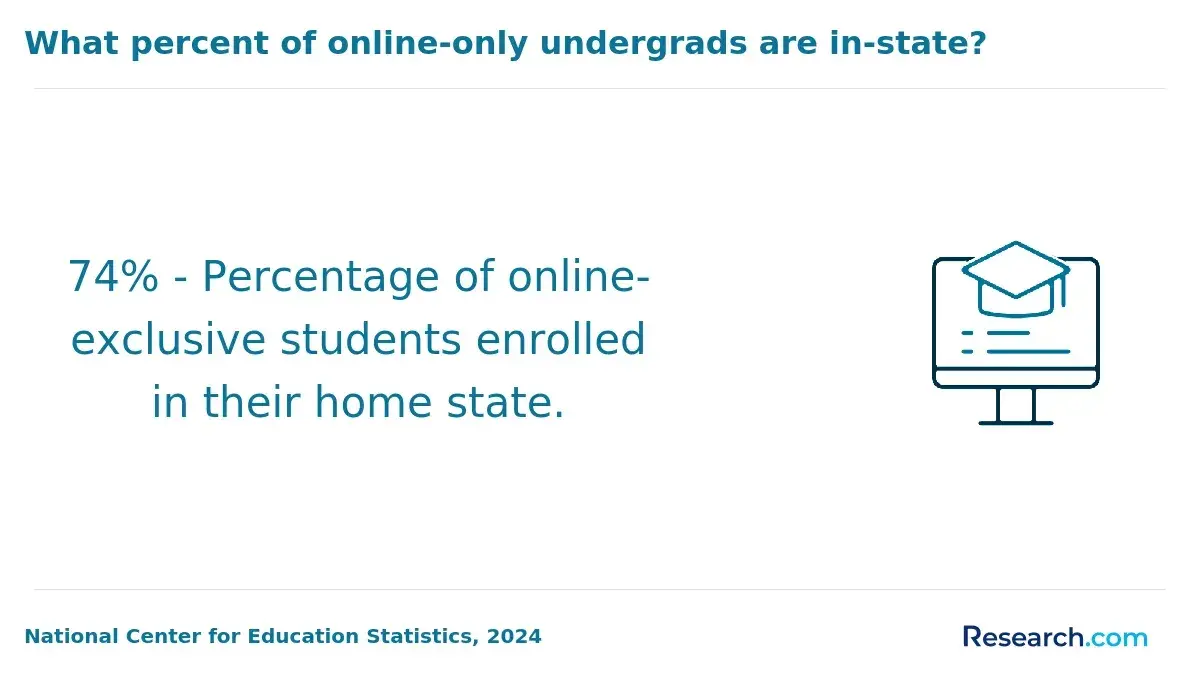
Neither format is universally better. Online study can reduce commuting and relocation costs and let working adults retain employment. Campus study may offer more in-person collaboration or access to facilities. Compare those benefits against total charges, travel, and any income you would give up; the cheaper delivery format depends on your circumstances.
Do not equate online with self-paced. Some courses require live attendance or fixed weekly deadlines, and practical placements can still occur in person. Resources on the best accredited self-paced online colleges can clarify scheduling terms, but confirm the structure of the specific graduate program. Ask for a sample course schedule before enrolling.
What Careers Can You Pursue With a Master's in Management?
A master's can strengthen preparation for management, but the relevant industry experience and any professional license still matter. The best-fit degree is one that builds on your current qualifications and aligns with the roles you can realistically pursue next.
These examples show how career goals change the value of different degrees; they are possibilities, not jobs awarded on graduation.
| Career direction | Relevant preparation to assess |
| Business operations or general management | MBA or management master's, plus operational and team experience. |
| Healthcare administration | MHA or healthcare-focused MBA, plus experience in care organizations. |
| Technology or security leadership | Technical master's, plus demonstrated systems or security work. |
| School leadership | Educational leadership degree, plus applicable state credential and education experience. |
| Nursing leadership | Leadership-focused MSN, plus required nursing credentials and practice experience. |
Before choosing a program, compare job postings for your target role with the curriculum. If postings chiefly seek experience or a narrow certification you could obtain sooner, a full master's may not be the most economical next move.
How Much Can You Earn With a Master's in Management?
Pay varies substantially by occupation, industry, location, and experience. The BLS management-occupation median is a wage measure for people working in those jobs, not a forecast of what online master's graduates earn. Many management positions do not require a master's, and completing one does not guarantee a promotion or raise.
Evaluate potential return against your incremental cost and opportunity cost. Ask an employer whether the degree qualifies you for tuition assistance or a defined advancement path.
Then compare that prospect with a lower-cost certificate, professional credential, or additional job experience. Be wary of programs that imply an occupational median salary is a typical graduate outcome without program-specific evidence.
Other Things You Should Know About Master's Degrees
There is no consistently cheapest degree field. Compare total required tuition, fees, prerequisites, and in-person expenses at programs that match your target role; a shorter, suitable curriculum may cost less overall.
It can be if you need broad business preparation and its total cost fits a realistic career plan. If your goal requires clinical licensure or deep technical expertise, a specialized degree - or another credential - may offer better value.
Possibly, but the degree alone rarely establishes readiness. Employers may require relevant work, supervisory experience, certifications, or a professional license.
Eligible previous graduate-level coursework may reduce remaining tuition, but the school must determine whether those credits meet its limits and apply to your intended degree. Request an evaluation before relying on projected savings.
References
- Types of Financial Aid: Grants, Work-Study, and Loans | studentaid.gov https://studentaid.gov/understand-aid/types
- Accreditation in the U.S. | ed.gov https://www.ed.gov/laws-and-policy/higher-education-laws-and-policy/college-accreditation/accreditation-in-the-us
- Cost of Attendance (Budget) | 2025-2026 Federal Student Aid Handbook https://fsapartners.ed.gov/knowledge-center/fsa-handbook/2025-2026/vol3/ch2-cost-attendance-budget
- Admission Requirements https://graduate.appstate.edu/graduate-admissions/apply-graduate-school/application-requirements
- Why Is Accreditation Important? | ACE Blog https://ace.edu/blog/why-is-accreditation-important/
- Undergraduate and Graduate Tuition and Fees | Purdue Global https://www.purdueglobal.edu/tuition-financial-aid/undergraduate-graduate-tuition-and-fees/
- 2025-2026 Tuition and Fees - Student Account Services | University of Kentucky https://studentaccount.uky.edu/tuition-and-fees/past-tuition-and-fees/2025-2026-tuition-and-fees
- Regional vs. National Accreditation: Which is Better? | Drexel University Online https://www.online.drexel.edu/news/national-vs-regional-accreditation.aspx
- Tuition & Fees - UF Online - University of Florida https://ufonline.ufl.edu/tuition/tuition-fees/
- Application Deadlines and Requirements - Penn LPS https://www.lps.upenn.edu/non-degree-programs/postbacc-studies/application