2027 Best Professional Masters Degrees With Competency-Based Programs

Co-Founder and Chief Data Scientist
A competency-based master's degree can let you move quickly through material you already know - but only if the program fits your career goal and schedule. The choice matters in growing fields: the U.S. Bureau of Labor Statistics (BLS) projects 34% employment growth for data scientists from 2024 to 2034. That forecast signals demand for relevant skills, not a guaranteed return on graduate tuition.
This guide compares ten professional degree fields, explains where competency-based study works best, and shows working adults and career changers what to verify before enrolling.
Key Things You Should Know
- Business, IT, and analytics often suit competency-based study because students can demonstrate workplace skills through projects; clinical and licensure-focused fields have less room to accelerate.
- BLS projects 29% employment growth for information security analysts from 2024 to 2034, but an IT or cybersecurity master's alone does not qualify someone for every security role.
- Compare the entire degree - not just its pace or tuition rate - including accreditation, required assessments, enrollment terms, and any clinical or licensing requirements.
Top 10 Best Professional Masters Degrees With Competency-Based Programs - Top 10 Degrees
Business / MBA Programs
A competency-based Master of Business Administration (MBA) is a strong fit for experienced professionals who can demonstrate accounting, finance, operations, and leadership skills through applied assessments. It is less useful if you need a program's internships, recruiting network, or intensive live discussion to change careers. Compare the actual assessment workload, concentrations, and employer recognition; an MBA does not substitute for management experience. Students seeking a narrower specialty may find a focused business MS more relevant.
Healthcare Administration & Management Programs
A Master of Healthcare Administration (MHA) or healthcare management MS can suit clinicians and healthcare staff moving toward operations, quality improvement, or policy work. Competency-based projects may draw on real organizational problems, but access to usable workplace data can matter. Check whether the curriculum develops budgeting, healthcare regulation, and personnel-management skills. An administration degree does not confer a clinical license, and senior management jobs typically require substantial experience.
Information Technology Programs
An IT-focused MS is often a practical choice for professionals who can demonstrate systems, cloud, networking, or project-management competencies. Applied assessments can show what you can do, but verify that the tools and technical standards taught match your target jobs. A broad IT degree may offer flexibility; a specialized program may be better for a defined role. Neither replaces the hands-on experience or vendor certifications some employers request.
Computer Science Programs
A computer science MS should build depth in algorithms, software engineering, and computing theory - not simply rename general IT coursework. A competency-based format may appeal to experienced developers, but genuinely competency-based CS master's options can be harder to find than IT options. Check prerequisite mathematics and programming, technical feedback, and whether assessments include substantial original work. If your goal is research or eventual doctoral study, examine access to faculty research and a thesis pathway.
Cybersecurity Programs
A cybersecurity MS can help experienced IT professionals develop security architecture, risk, incident-response, and governance skills. Competency-based projects may be especially useful when they require defensible decisions rather than memorized terminology. Compare laboratory access, technical depth, and the balance between management and engineering. Some security jobs call for prior IT experience, certifications, or a clearance; a master's degree alone does not meet those requirements.
Data Science / Analytics Programs
A data science or analytics MS may suit professionals who want to demonstrate statistical modeling, coding, data preparation, and communication through projects. Look past the degree name: a business analytics program may emphasize decisions and visualization, while a data science program may demand more mathematics and programming. Check prerequisites and whether assessments address model validation, privacy, and responsible AI use. A portfolio and relevant work experience still matter to employers.
Education / Educational Leadership Programs
A Master of Education (MEd) in leadership can help educators apply improvement and instructional-design skills in their own schools. Workplace-based assessments may be valuable, but they can also require cooperation from a school or district. Verify whether the program is intended for professional development or a specific administrator credential. State requirements may include an approved program, teaching experience, fieldwork, and examinations that competency-based pacing cannot waive.
Counseling / Psychology Programs
Approach competency-based counseling and psychology master's degrees with particular care. A counseling MA or MS may require supervised clinical training, approved coursework, and state-specific licensure preparation; independent clinical psychology practice generally requires doctoral-level preparation. Written assessments cannot replace required client-contact hours. Before applying, confirm the precise occupation and state license the program supports. If a program offers flexible coursework but fixed practica, plan around the practicum schedule rather than the advertised online pace.
Nursing Programs
A competency-based Master of Science in Nursing (MSN) may work well for licensed nurses pursuing leadership, education, or informatics. Compare entry requirements and whether the track prepares graduates for a particular advanced-practice role. Advanced-practice pathways have clinical, certification, and state licensure requirements; faster progress through theory courses does not erase required clinical training. Ask how placements are arranged and whether the program serves students in your state.
Engineering Management Programs
An engineering management MS combines technical decision-making with operations, finance, and team leadership. It can suit engineers who want management preparation without a broad MBA. Competency-based versions may be less common, so confirm that a prospective program actually awards the degree through demonstrated competencies rather than merely offering flexible online courses. Review engineering prerequisites, applied projects, and access to technical faculty. Management appointments still depend heavily on experience and employer needs.
What Are Competency-Based Professional Master's Degrees?
They are career-oriented graduate degrees in which progress depends on demonstrating defined knowledge and skills, often through projects, exams, portfolios, or other assessments. The degree remains a master's credential; competency-based describes how learning is assessed and, in some programs, how students progress. For a fuller explanation of competency based programs, distinguish self-paced assessment from an ordinary online course with fixed weekly deadlines.
Formats differ. Some programs permit acceleration after a student demonstrates mastery; others retain scheduled classes or fixed terms. Prior work experience can make an assessment easier to complete, but it does not automatically award graduate credit. The strongest choice is a credible program whose assessments test skills you need - not merely one advertising speed.
Which Competency-Based Master's Degrees Are Most In Demand?
Demand depends on the occupation, not the degree label. Technology, analytics, and healthcare management are promising areas to investigate, but job growth should be weighed against entry requirements and your existing experience. For example, BLS projects 34% growth for data scientists from 2024 to 2034. That makes analytics skills worth examining, not every analytics master's worth its cost.
For experienced professionals, an MBA, IT, cybersecurity, or healthcare management degree may help document skills relevant to advancement. Career changers should check whether a program supplies missing technical foundations, supervised practice, or employer connections. In education, nursing, and counseling, local credential rules can matter more than national job-growth figures.
How Do You Choose an Accredited Competency-Based Master's Program?
Start with the job or credential you want, then confirm that the degree's assessments and requirements lead toward it. Institutional accreditation matters for the legitimacy of the degree and potential federal aid eligibility; field-specific approval may also matter for licensure or employer requirements.
These comparisons help separate a good personal fit from an appealing program description.
| Check | Why it changes the decision |
| Assessment model | Projects, exams, and fixed deadlines place different demands on your time and skills. |
| Institutional and programmatic status | Accreditation or required approval may affect aid, licensure, and credential recognition. |
| Faculty feedback and support | Independent pacing is less useful if technical or academic help is hard to obtain. |
| Total requirements | Prerequisites, residencies, clinical work, and capstones can change the timeline and cost. |
Before paying a deposit, request the graduate catalog requirements and confirm accreditation directly with the accreditor. Ask for a written explanation of assessment rules, term charges, and any field-placement obligations. A red flag is a claim that the degree is "self-paced" without a clear description of what students must complete to graduate.
Are Online Competency-Based Master's Degrees Better Than Campus Programs?
Not inherently. Online competency-based study can be a good fit when you have relevant experience, work irregular hours, and can sustain independent progress. Campus or scheduled hybrid study may offer more live discussion, laboratories, faculty access, or recruiting opportunities. Some online degrees still require synchronous meetings, proctored assessments, residencies, or local clinical work.
Choose based on the learning and career support you will actually use. If you need structured deadlines or frequent feedback, a scheduled program may be easier to finish than a nominally more flexible one. If you need clinical placements, confirm who arranges them and where they can be completed.
What Coursework Do Competency-Based Professional Master's Programs Include?
Requirements depend on the credential. An MBA may assess finance, strategy, and operations; an analytics MS may require statistics, programming, and a substantial applied project. Professional programs can also include concentration work, a capstone, a portfolio, fieldwork, or clinical practice. Ask for the full curriculum and assessment descriptions, not just a list of course titles.
If you need one targeted skill rather than a graduate credential, 6 week courses with certificates may be a smaller commitment. A short course does not, by itself, replace master's-level depth, required clinical preparation, or a degree an employer specifically requests.
What Are the Admission Requirements for Competency-Based Master's Programs?
Applicants normally need a completed bachelor's degree. Depending on the field, a program may also require a minimum GPA, prerequisite coursework, professional experience, a current license, references, or an interview. GRE or GMAT rules vary; do not assume that a competency-based format means open admission or no testing.
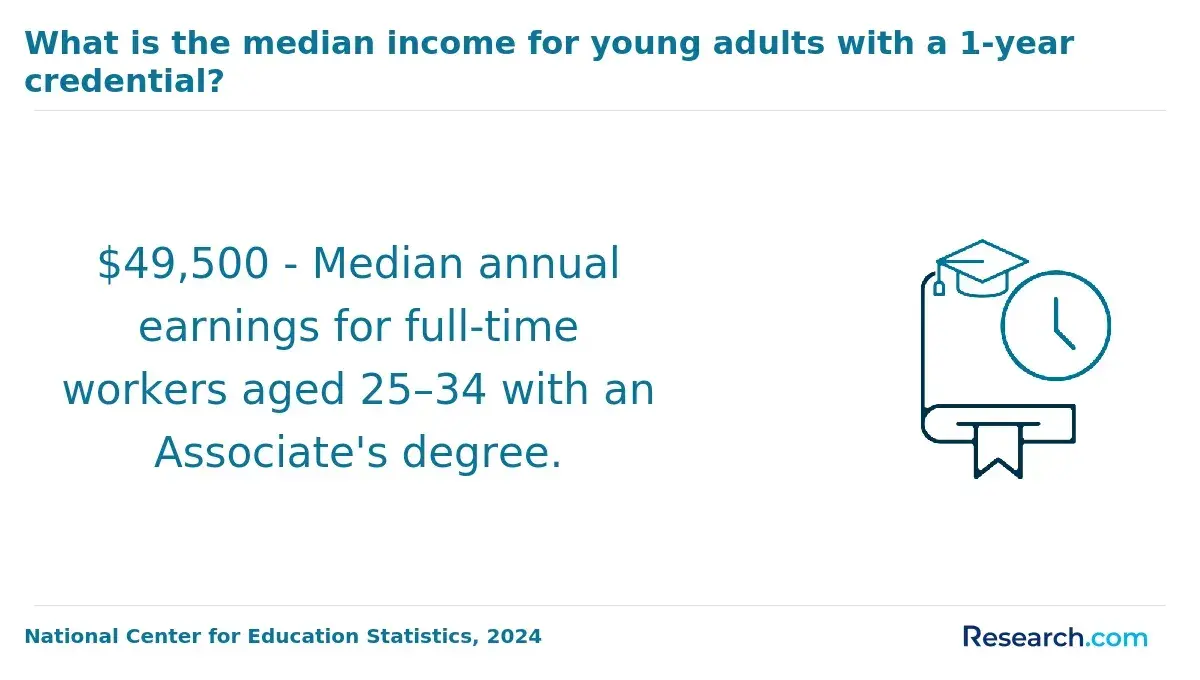
If you have not completed a bachelor's degree, an easy associate degrees comparison may help you explore an earlier educational step, but an associate credential alone normally does not qualify you for master's admission. Applicants with previous graduate coursework should request an evaluation before enrolling: acceptance of a credit does not necessarily mean it satisfies a requirement in the intended degree.
How Long Do Competency-Based Master's Degrees Take and What Do They Cost?
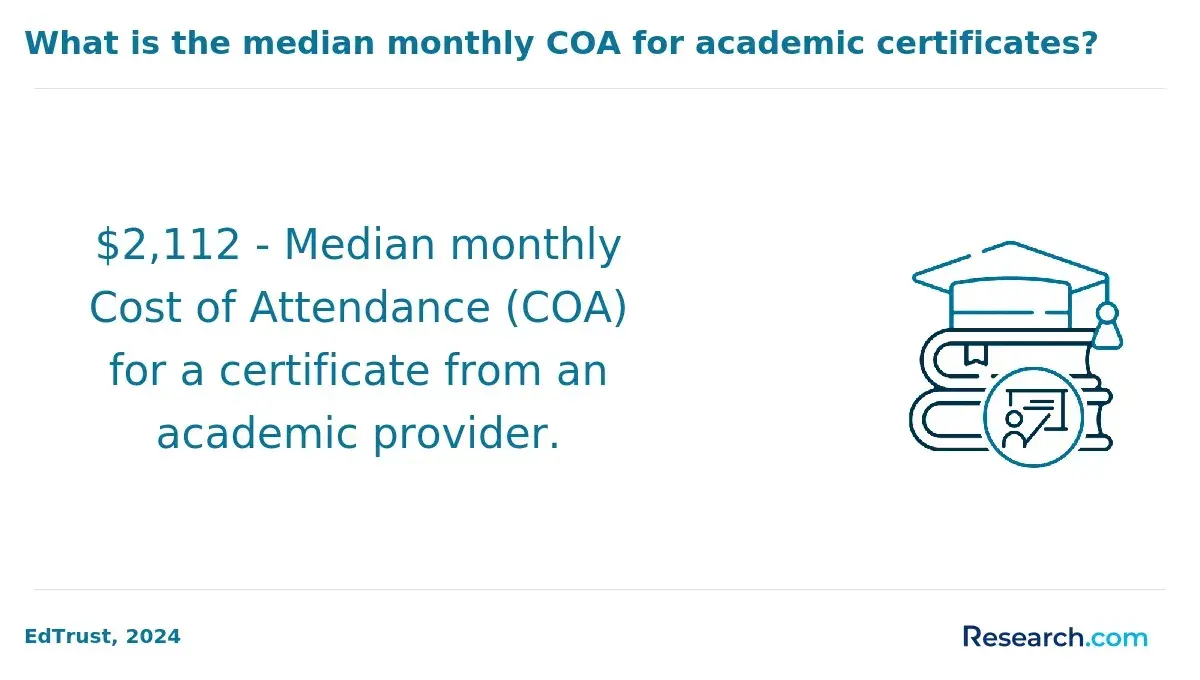
There is no reliable universal timeline or price. Required graduate credits, term length, assessment limits, enrollment intensity, prerequisites, and capstone or clinical requirements all affect completion. A student with relevant expertise might move quickly through some assessments, while another may need the full instructional period. Compare advertised timelines with your own starting point; online 1 year masters programs are not evidence that every applicant can finish a competency-based degree in a year.
Request a personalized estimate covering tuition for the number of terms you are likely to need, mandatory and program fees, materials, technology, and any travel or placement expenses. Flat-rate tuition can reward rapid progress, but an extra term can change the total substantially. Ask whether the institution participates in federal student aid, and check employer tuition assistance or scholarships before borrowing. If you have prior graduate credit, obtain a written evaluation of both its applicability and any remaining residency-credit requirement.
What Careers and Salaries Can Competency-Based Master's Degrees Lead To?
Career possibilities include business operations, healthcare administration, IT leadership, analytics, cybersecurity, educational leadership, and nursing specialties. The relevant job depends on your previous qualifications as well as the degree. BLS reports a May 2024 median annual wage of $124,910 for information security analysts; that is the occupation's median, not the expected salary of a cybersecurity master's graduate.
To assess value, compare the program's full cost and time commitment with a realistic next role you can qualify for. Check job postings for experience, certification, and licensing requirements. If your target role does not require a master's, a focused certificate, professional certification, or additional work experience may offer a better first step. Avoid treating occupational wage figures as a promised return on tuition.
Do Competency-Based Master's Degrees Meet Licensing and Certification Requirements?
A competency-based format does not waive professional rules. Nursing, counseling, and educational leadership pathways may require approved coursework, supervised experience, examinations, and a state-issued license or credential. Requirements vary by occupation and state, even when the academic instruction is online.
Before enrolling, identify the exact license you want and check the current requirements with the state board. Then ask the program to confirm in writing whether its curriculum and placements satisfy those requirements for your state. Do not rely on a broad statement that graduates are "prepared for licensure"; eligibility to apply and receiving a license are separate outcomes.
Other Things You Should Know About
Usually not. You must complete the program's graduate-level assessments and any required capstone, residency, or supervised practice. Prior knowledge can help you progress, but program rules determine how it counts.
The format alone does not establish quality. Check institutional accreditation, relevant professional approval, the degree curriculum, and whether assessments produce work you can discuss with employers.
Not automatically. Experience may help you demonstrate mastery, while transferable credit generally requires eligible prior graduate coursework or a specifically published credit policy.
Ask what you must demonstrate to graduate, how quickly students may complete assessments, what the full cost could be at your expected pace, and whether any in-person or licensing requirements apply to you.
References
- Cost of Attendance (Budget) | 2025-2026 Federal Student Aid Handbook https://fsapartners.ed.gov/knowledge-center/fsa-handbook/2025-2026/vol3/ch2-cost-attendance-budget
- Direct Assessment (Competency-Based) Programs | ed.gov https://www.ed.gov/laws-and-policy/higher-education-laws-and-policy/higher-education-policy/direct-assessment-competency-based-programs
- An Overview of Accreditation of Higher Education in the United States | Congress.gov | Library of Congress https://www.congress.gov/crs-product/R43826
- DAPIP | Homepage - Office of Postsecondary Education (OPE) https://ope.ed.gov/dapip/
- Complying with Professional Licensure Requirements | wiche.edu https://wcetsan.wiche.edu/resources/complying-professional-licensure-requirements-beginners-checklist
- Licensure - Office of Academic Compliance https://academic-compliance.provost.virginia.edu/professional-licensure
- Licensure Programs - Office of Institutional Effectiveness https://institutionaleffectiveness.louisiana.edu/accreditation/licensure-programs