2027 Best Online Master's Degree Programs With Conditional Admission

Co-Founder and Chief Data Scientist
A low undergraduate GPA or missing prerequisite does not necessarily end your plans for an online master's degree - but "conditional admission" can mean different things at different schools. The distinction matters in fields with strong career interest: the U.S. Bureau of Labor Statistics reports a May 2024 median annual wage of $124,910 for information security analysts, although a master's degree alone does not qualify someone for that occupation or wage.
This guide helps prospective graduate students compare degree fields, understand possible admission conditions, and identify the policies and costs to confirm before applying.
Key Things You Should Know
- Conditional admission is program-specific: a school may require foundation courses, a minimum GPA in initial graduate courses, or missing documents before granting full standing.
- An admissions offer is only useful if its conditions are achievable; ask whether required courses count toward the degree and whether financial aid is available during conditional enrollment.
- Career demand varies by field: BLS projects 29% employment growth for information security analysts from 2024 to 2034, but that projection does not establish the value of any particular master's program.
Top 10 Best Online Master's Degree Programs With Conditional Admission - Top Programs
Business / MBA Programs
An online Master of Business Administration (MBA) may suit applicants seeking broader management skills, while a specialized MS in business may fit a narrower goal. Some graduate business programs consider applicants with weaker academic records or unrelated bachelor's degrees through conditional standing or foundation coursework; neither policy should be assumed for a specific MBA. Ask whether accounting or statistics prerequisites must be completed before admission, whether initial MBA courses count toward graduation, and whether the condition requires a particular graduate GPA. An MBA does not replace the experience typically expected for management roles.
Healthcare Administration & Management Programs
An online Master of Healthcare Administration (MHA) or healthcare management MS generally prepares students for administrative work rather than clinical licensure. Applicants changing fields may face healthcare-related prerequisites or conditional admission tied to early-course performance. Compare each program's published conditions, healthcare coursework, internship or capstone requirements, and programmatic accreditation where relevant. Verify whether experience is expected: employers may require substantial healthcare or supervisory experience for leadership positions regardless of the degree.
Information Technology Programs
Online MS in information technology programs can emphasize systems, cloud infrastructure, or IT management. A conditional route may let an applicant without an IT bachelor's degree complete prescribed foundation courses, but policies differ and foundation credits may add cost without counting toward the master's. Check programming and networking prerequisites, laboratory access, scheduled sessions, and the exact academic performance needed to move into full standing. A practice-oriented curriculum is usually more relevant to an IT career change than a research-heavy program.
Computer Science Programs
An online MS in computer science may be research-oriented or focused on applied software development. For applicants without sufficient mathematics or programming preparation, schools may require bridge courses before admission or permit conditional enrollment; these are distinct arrangements. Confirm which courses are prerequisites, whether they carry graduate credit, and whether a thesis or capstone is required. Conditional admission does not necessarily make an advanced algorithms curriculum suitable for a beginner.
Cybersecurity Programs
Online cybersecurity master's degrees may carry an MS or professional master's title and emphasize technical defense, governance, or both. Applicants lacking computing preparation should ask whether conditional admission includes networking or programming courses and whether hands-on labs can be completed remotely. Compare the curriculum with the jobs you want: policy-focused study will not necessarily build the same technical skills as incident-response labs. Professional certifications and experience can matter alongside the degree.
Data Science / Analytics Programs
An online MS in data science or analytics typically combines statistics, computing, and applied projects. A school may address gaps in calculus, statistics, or coding through prerequisites or conditional enrollment, but the two are not interchangeable. Request a course-by-course account of what must be completed before full admission and what counts toward the degree. Applicants seeking business decision-making roles may prefer applied analytics; those pursuing technical modeling should examine mathematical depth and portfolio opportunities.
Education / Educational Leadership Programs
Online Master of Education (MEd), MA, and educational leadership programs serve different purposes: professional development, research, or preparation for a specific school role. Conditional admission may address academic performance or unfinished documentation, but it does not waive teaching-license or experience requirements where those apply. Before applying, confirm state approval or certification alignment, fieldwork arrangements, and whether the program's online courses still require local school placements.
Counseling / Psychology Programs
An online counseling master's designed for licensure differs substantially from a nonlicensure MA or MS in psychology. Conditional academic admission does not resolve a missing prerequisite, placement, or state licensing requirement unless the program explicitly says it does. Check programmatic accreditation where applicable, supervised practicum and internship requirements, state eligibility, and whether placements can be arranged near you. A psychology master's does not by itself qualify someone to practice as a licensed psychologist.
Nursing Programs
An online Master of Science in Nursing (MSN) may prepare registered nurses for education, leadership, or an advanced practice pathway. Entry requirements often include an active nursing license and specified clinical preparation; conditional admission should not be interpreted as a waiver of those requirements. Compare the exact concentration, clinical hours, local placement support, state authorization, and relevant nursing accreditation. Advanced practice roles also require applicable certification and state licensure beyond earning the MSN.
Engineering Management Programs
An online MS in engineering management blends technical project work with finance, operations, or leadership coursework. Some programs may consider applicants from related quantitative fields conditionally, while others require an engineering background. Ask which mathematics or technical prerequisites apply and whether any foundation courses extend completion time. This degree may fit experienced technical professionals seeking broader responsibilities; it does not automatically confer an engineering license or qualify a graduate for a management position.
What Is Conditional Admission for Online Master's Degree Programs?
Conditional admission means a graduate program permits an applicant to enroll subject to stated requirements for attaining full admission or continuing enrollment. Common conditions include earning a specified GPA in initial graduate courses, completing prerequisites, or submitting final documents. Schools may instead use terms such as provisional admission; the written offer and graduate catalog determine what those terms mean.
Do not confuse conditional admission with a guaranteed place in every concentration or with unrestricted enrollment. A condition may limit course registration, impose a deadline, or require dismissal if it is not met. It is also different from a pre-admission bridge: if a school requires foundation courses before admitting you to the master's, you may not yet be enrolled in the degree.
Which Online Master's Programs Offer Conditional Admission?
Business, technology, healthcare, education, and other fields discussed above may have conditional pathways. No specific institutional program should be treated as a confirmed conditional-admission option without its current, program-level policy. A university's general graduate policy can be narrower - or superseded - by a selective master's program's requirements.
The comparison below identifies the admission issue most worth checking by program family. It is a screening guide, not a list of schools verified to offer conditional admission.
| Program family | Condition to investigate | Separate eligibility issue |
| MBA and management | Initial-course GPA or business foundation courses | Experience expectations |
| Computing and analytics | Programming or mathematics prerequisites | Technical readiness for graduate coursework |
| Education and counseling | Initial-course GPA or missing documents | State certification or licensure preparation |
| Nursing | Academic standing or required documentation | RN licensure and clinical eligibility |
Start with the exact degree and concentration, then request the current graduate catalog language and a written explanation of how its conditions apply to you. If you are still choosing an undergraduate path, guidance on best majors in college can help you think about preparation; a particular bachelor's major alone does not establish graduate admission eligibility.
What Are the Admission Requirements for Conditional Enrollment?
Most master's programs require a completed bachelor's degree and transcripts. Conditional eligibility may additionally depend on GPA, prerequisite subjects, recommendations, a statement of purpose, work experience, an interview, or a portfolio. GRE or GMAT policies vary by program; a test waiver is not the same as conditional admission.
Before accepting an offer, get the conditions in writing. The answers below determine whether the route is practical rather than merely available:
- Which requirement prevents full admission now, and what precisely must I do to resolve it?
- What grades, GPA, courses, documents, and deadlines apply, and what happens if I do not meet them?
- Do prerequisite or initial courses count toward degree requirements, and can I receive financial aid while enrolled conditionally?
- Does the department impose separate admission requirements for my concentration or clinical placement?
How Does Accreditation Affect Online Master's Degree Value?
Institutional accreditation helps establish whether a university meets recognized quality standards and can affect federal financial aid eligibility and the acceptance of prior coursework. Check the institution's status through the U.S. Department of Education's accreditation resources or the accreditor itself; do not rely on an advertisement that merely says "accredited."
Programmatic accreditation or state approval can matter separately, especially in nursing, counseling, education, and certain healthcare programs. Verify the requirements of the state where you intend to practice before enrolling. Neither institutional accreditation nor conditional admission guarantees that an online program satisfies a licensing board's curriculum or supervised-experience rules.
What Do Online Master's Degree Programs Teach?
Coursework depends more on the degree's purpose than on its online format. An MBA may combine finance, strategy, and management; an MS in computer science may emphasize algorithms and advanced computing; an MEd may focus on teaching or school leadership. Electives and concentrations allow specialization, while a thesis, applied capstone, portfolio, or comprehensive examination may complete the degree.
For a career change, inspect the first required graduate courses rather than just the concentration name. If they assume knowledge your bachelor's did not provide, determine whether a bridge or prerequisite sequence teaches it - and whether those courses are part of the degree. Someone who needs introductory occupational training rather than graduate specialization may be better served by a shorter credential first.
How Long and How Much Do Online Master's Programs Take?
Completion time depends on required graduate credits, full- or part-time enrollment, course availability, prerequisites, and culminating work. Conditional requirements can add courses or delay access to core classes. A published accelerated timeline may assume full-time study or preparation you do not have; request an individualized course plan before comparing completion dates.
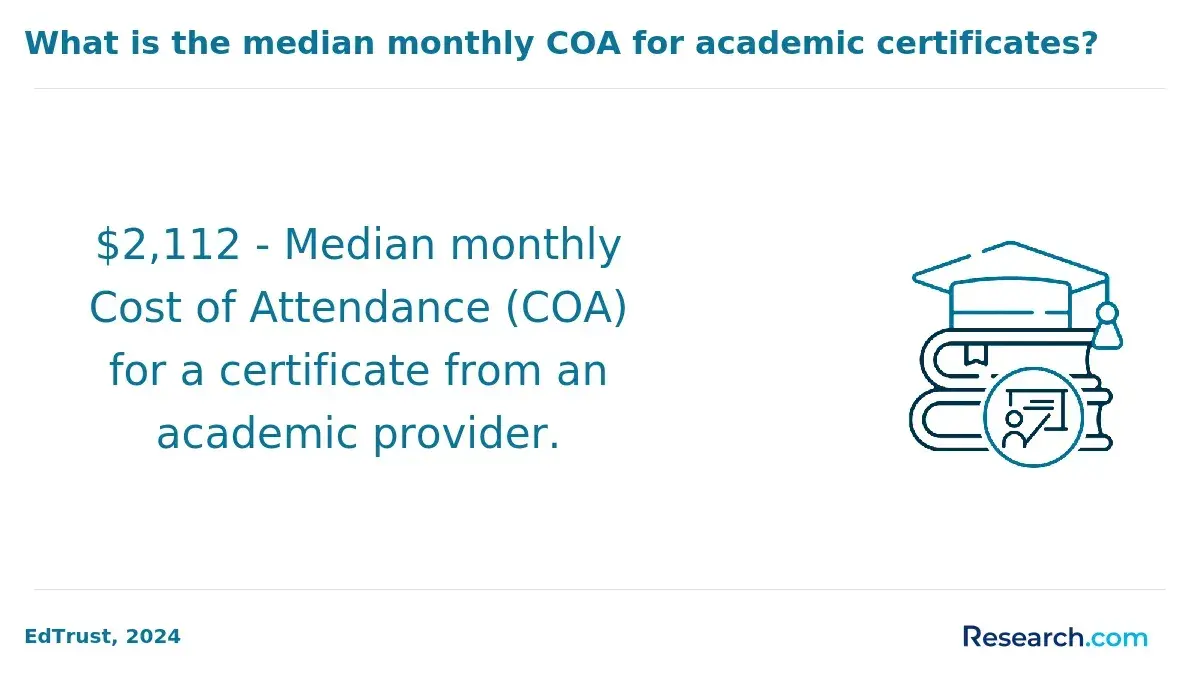
Compare total cost to completion, not just tuition per credit. Include required foundation courses, mandatory and technology fees, books or software, travel for residencies, and expenses associated with placements. Ask whether employer tuition assistance, scholarships, or federal aid can cover courses taken while conditionally admitted. If your goal can be met without a graduate degree, compare the cost and scope of short certificate programs before borrowing.
Prior graduate coursework may reduce cost only if the school accepts it and applies it to this degree. Request an evaluation of course equivalency, grade and age rules, transfer limits, and required credits completed at the institution. Undergraduate prerequisite courses should not be presumed to count as graduate transfer credit.
Are Online Master's Programs Better Than Campus Programs?
Online study can reduce commuting and expand geographic choice, but it is not automatically more flexible or less expensive than campus study. Some online courses require live attendance; nursing, counseling, and education programs may require local clinical or field placements. Campus programs may offer easier access to facilities or in-person networks, while online programs may better accommodate an existing job.
Choose based on the schedule and activities you can actually complete. Ask for sample course calendars and a list of in-person, synchronous, and proctored requirements. If you do not yet hold a bachelor's degree, an online master's is not the next admission step; online associate degree programs are one possible earlier-stage option, though they do not substitute for the bachelor's normally required for graduate admission.
What Careers and Salaries Can Online Master's Graduates Expect?
A master's can support specialization, a career change, or preparation for a regulated profession, but occupational wage data cannot predict an individual graduate's salary. The examples below are U.S. occupation-wide median annual wages reported by BLS for May 2024 - not earnings attributable to these degrees.
| Occupation | May 2024 median annual wage | Important qualification |
| Information security analyst | $124,910 | Relevant technical skills and experience matter; a master's is not universally required. |
| Medical and health services manager | $117,960 | Employers commonly value healthcare and management experience; a master's alone does not confer a management role. |
To assess the degree's incremental value, compare the jobs you can pursue now with those requiring your intended credential, then weigh program cost and time away from work. For a narrower technical skill gap, quick certifications may be worth comparing, although a certification is not interchangeable with a licensure-qualifying master's.
How Do You Choose a Reputable Online Master's Program?
Build a shortlist around your goal, then verify conditional admission with each program - not just a central admissions office. The strongest choice is the one whose written conditions, curriculum, delivery requirements, and total cost fit your circumstances, not necessarily the one with the easiest initial offer.
Use this sequence to avoid common enrollment mistakes:
- Confirm institutional accreditation and, where relevant, programmatic accreditation and state licensing alignment.
- Request the program's current conditional-admission policy and a written account of your individual conditions, including the consequence of missing them.
- Map prerequisites, degree courses, transfer evaluations, fieldwork, and course scheduling into a realistic completion plan.
- Calculate total required costs and confirm aid eligibility before comparing offers.
- Ask which entry-level or advanced roles the curriculum prepares you for, then check what experience or licenses those roles additionally require.
Be cautious if a recruiter cannot distinguish full admission from conditional enrollment, promises that work experience automatically becomes graduate credit, or cannot explain where required clinical placements occur. Get answers from the graduate catalog, program director, financial aid office, and relevant licensing board before committing.
Other Things You Should Know About
Possibly. Some programs consider other evidence of readiness or require satisfactory performance in initial courses. Check the specific graduate program's published policy; a university-wide policy does not guarantee admission.
Sometimes. Initial graduate courses may count if degree requirements permit, while prerequisite or bridge courses may not. Ask for a written degree plan showing how each course applies.
Eligibility depends on your enrollment status, the courses you take, and applicable aid rules. Have the school's financial aid office review your individual offer before you enroll.
Conditional admission itself does not establish licensure eligibility. For regulated careers, verify the program's curriculum, accreditation or approval, placements, and state-specific requirements separately.
References
- Rule 3341-3-76 - Ohio Administrative Code | Ohio Laws https://codes.ohio.gov/ohio-administrative-code/rule-3341-3-76
- School-Determined Requirements - FSA Partner Connect https://fsapartners.ed.gov/knowledge-center/fsa-handbook/2026-2027/vol1/ch1-school-determined-requirements
- Eligibility Requirements | Federal Student Aid https://studentaid.gov/understand-aid/eligibility/requirements
- Conditional Admission | University of Texas at Rio Grande Valley https://www.utrgv.edu/admissions/graduate/resources/conditional-admission/index.htm
- GSH Section 2 - Admissions | Graduate School https://gradsch.osu.edu/graduate-school-handbook-gsh/gsh-section-2-admissions
- SUNY Online Home | SUNY Online https://explore.suny.edu/
- Provisional and Conditional Admission to the Graduate School | University of Louisiana at Lafayette https://louisiana.edu/graduateschool/admissions/after-you-apply/provisional-and-conditional-admission-graduate-school